When Los Muértimer premiered in Madrid back in July 2025 and rolled out nationally in August, it arrived as something that felt genuinely fresh—a film that understood the particular alchemy required to blend comedy, horror, and mystery while keeping things genuinely accessible to family audiences. Director Álvaro Fernández Armero wasn’t interested in playing it safe, and that willingness to embrace genre collision is precisely what gives the film its distinctive character.
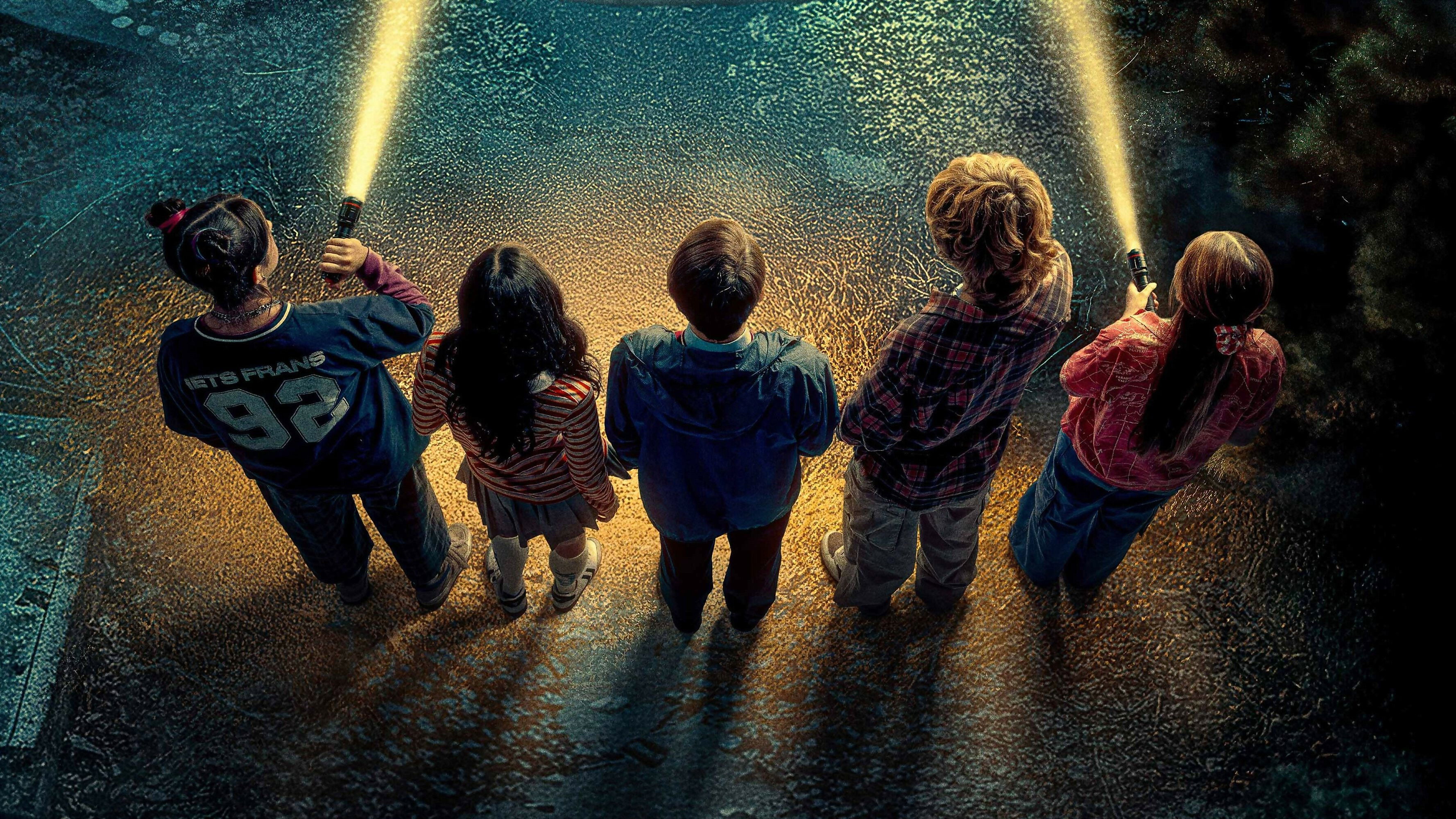
The premise itself has that timeless quality to it: five friends stumble upon a jewel theft plot unfolding in a cemetery, only to discover that none of the adults around them will take them seriously. It’s a setup that echoes the mischievous energy of classic adventure narratives, yet Armero grounded it in something more textured. Rather than relying on tired tropes about kids outsmarting adults, the film seems genuinely interested in exploring what it means to be dismissed—how frustrating and empowering that experience can be simultaneously.
What makes this collaboration remarkable is how the ensemble cast brought depth to characters that could have been one-dimensional. Diego Montejo, Iratxe Emparan, and Adrián Checa carried the weight of the narrative alongside their fellow cast members, and their performances reveal a director who understood that chemistry matters. You can sense the genuine camaraderie between these young performers, which elevates even the quieter character moments beyond what the script alone might have provided.
> The film’s real strength lies in how it refuses to choose between its tonal registers—it’s willing to be genuinely funny one moment and genuinely unsettling the next.
The production itself represents something significant about where Spanish cinema found itself in 2025. Pokeepsie Films, the production company co-founded by Álex de la Iglesia and Carolina Bang, was marking a decade of operation, and Los Muértimer exemplified the kind of ambitious, genre-bending work that had become their calling card. The involvement of Telecinco Cinema alongside Pokeepsie suggested confidence in the material—this wasn’t a small venture but a proper investment in a creative vision.
Critical reception landed at a 6.6/10, which tells an interesting story. That rating suggests the film divided viewers in meaningful ways—it wasn’t universally beloved, but it clearly resonated with specific audiences. The reality is that a 6.6 can mean different things depending on the rating system and voting base, and in this case, it likely reflects the challenge of straddling multiple genres simultaneously. Not everyone wants their family comedy to have genuinely creepy moments, and not everyone watching a mystery wants it punctuated with humor. That the film committed fully to its hybrid identity rather than compromising to chase broader appeal actually speaks to directorial integrity.
Key elements that define the film’s creative vision:
- The refusal to condescend to younger audiences—the central mystery is played with genuine stakes
- The visual approach to the cemetery setting, transforming a traditionally melancholic location into something alive with possibility
- The pacing, which understands when to accelerate tension and when to let comedy breathe
- The performance direction, particularly how Armero coaxed naturalism from young actors in scenes requiring both vulnerability and comedic timing
The film’s journey to release deserves attention too. Premiering in Madrid in mid-July before the broader Spanish rollout in August positioned it as a summer event, and the subsequent German release in October through the SCHLiNGEL International Film Festival for Children suggested it was finding its audience in festival contexts. This staggered, curated approach to distribution felt intentional—the film wasn’t being thrust into multiplex saturation but rather introduced thoughtfully to the communities most likely to appreciate what it was attempting.
What Los Muértimer ultimately represents is a filmmaker willing to trust his audience’s intelligence and emotional range. In an era where family entertainment often defaults to either saccharine wholesomeness or ironic detachment, Armero’s film occupies genuinely distinct territory. It asks viewers—young and old—to experience something that doesn’t fit neatly into predetermined categories. The cast delivers performances that honor that ambition, treating the material with seriousness even when playing scenes for laughs.
The legacy of this film may not be immediate or obvious in box office figures (which remain unreported) or in award season accolades. Instead, its significance likely resides in something more durable: it’s a film that exists as proof of concept. It demonstrates that audiences will engage with genre-hybrid storytelling if the craftsmanship is there, if the performances are genuine, and if the director maintains a clear vision throughout. In that sense, Los Muértimer matters not because it revolutionized cinema, but because it reminded us why creative risk-taking in accessible filmmaking still has value.