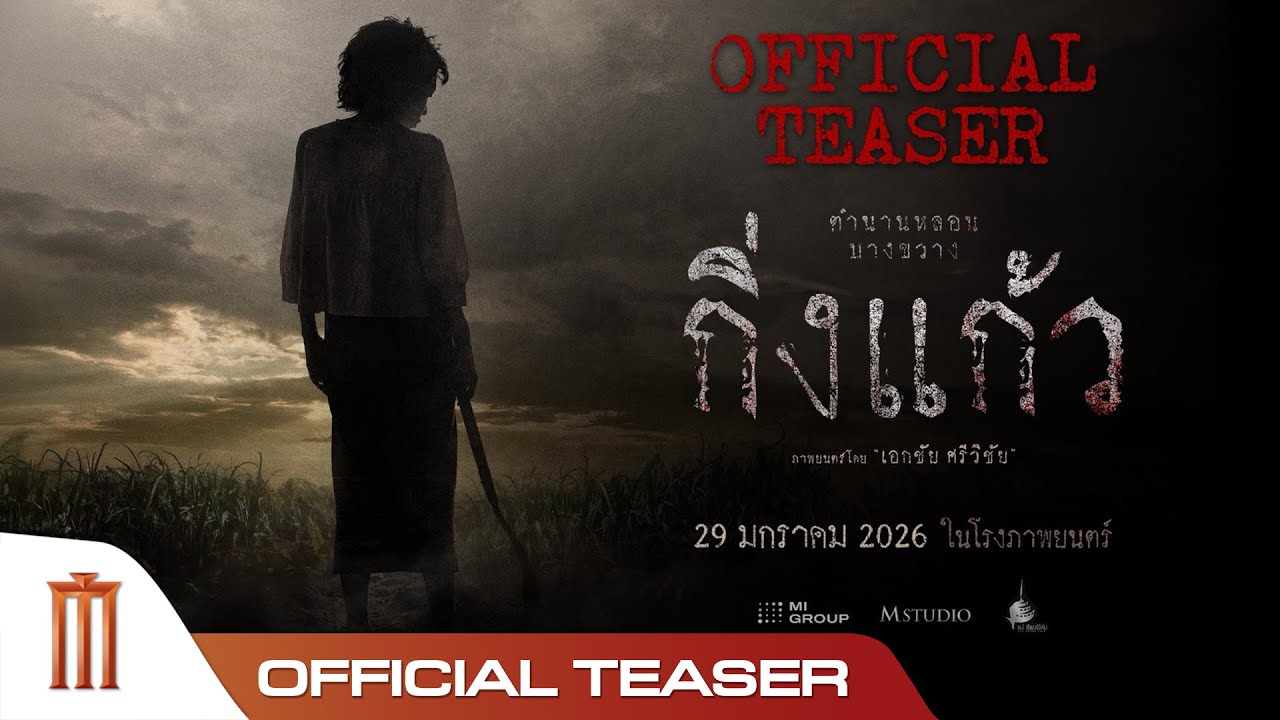
There’s something intriguing happening in the Thai film industry right now, and King Keaw is positioned to be a significant part of that conversation when it will be released on January 29, 2026. This isn’t just another horror-crime-drama hybrid—it’s a project that represents the kind of genre-blending storytelling that’s been gaining traction in Southeast Asian cinema, and the creative team assembled here suggests we’re looking at something genuinely thoughtful beneath the genre trappings.
Director Ekkachai Srivichai is bringing a particular sensibility to this material, one that understands how to weave together the atmospheric dread of horror with the moral ambiguity of crime narratives and the emotional weight of character-driven drama. That’s not an easy balance to strike, but the combination itself tells you something about what this film is trying to accomplish. It’s not interested in being a simple scare machine or a straightforward procedural. Instead, it seems to be exploring something more existential—the tagline “I’m innocent” suggests themes of wrongful accusation, institutional failure, and the psychological toll of being trapped by circumstance.
The cast Ekkachai has assembled is particularly noteworthy. Intira Jaroenpura, Napat Injaieua, and Apinya Sakuljaroensuk are each bringing their own credibility to this project, and their combined presence suggests a film that takes its performances seriously. These aren’t actors known for phoning it in—they’re the kind of performers who elevate material through commitment and nuance.
What’s Driving the Anticipation
As we approach the 2026 release window, there are several reasons why King Keaw is already generating attention among film enthusiasts:
- Genre fusion approach – The combination of horror, crime, and drama signals a film that refuses easy categorization
- Thai cinema’s rising profile – Southeast Asian filmmaking continues to gain international recognition and critical respect
- Strong production backing – M Studio, MI Group, and Mae Riang Film represent serious investment in quality storytelling
- Thoughtful casting – The ensemble suggests character-focused narrative rather than spectacle-driven filmmaking
- Intriguing thematic premise – The “I’m innocent” tagline hints at deeper explorations of justice, guilt, and institutional power
What’s particularly striking is that despite the film still being in its pre-release phase, there’s already a sense of purposefulness around it. This isn’t a project that feels like it’s trying to ride any particular trend—rather, it seems interested in asking difficult questions about culpability, evidence, and the machinery that determines guilt or innocence.
The Cinematic Landscape Context
King Keaw arrives at an interesting moment in global cinema. We’re seeing an increasing willingness from filmmakers to blur genre boundaries, to treat horror not just as a vehicle for scares but as a lens through which to examine social and institutional dysfunction. Films that combine dread with social commentary have proven resonant with audiences who want their thrills accompanied by substance.
What makes King Keaw potentially significant is how it might contribute to that conversation within a Thai context specifically. Thai cinema has a rich tradition of genre hybridity—mixing horror with social critique, blending dark comedy with genuinely unsettling moments. This film appears to be working within that tradition while potentially pushing it forward.
The real measure of a film’s impact isn’t immediate box office returns or initial critical scores—it’s whether it generates meaningful conversations about what it’s exploring thematically.
Why This Team Matters
Director Ekkachai Srivichai isn’t a household name internationally, but that’s part of what makes his involvement compelling. Regional directors who are bringing distinctive voices to genre material—that’s where cinema innovation happens. He’s working with studios like M Studio, MI Group, and Mae Riang Film that have demonstrated commitment to quality Thai production, which provides real resources and creative support.
The tight 1 hour 40 minute runtime is worth noting too. That’s a lean, focused structure—it suggests a film that knows exactly what it wants to say and isn’t interested in excess. In an era of bloated runtimes, there’s something refreshing about that discipline.
What to Expect When It Arrives
When King Keaw is set to release on January 29, 2026, it will arrive without the burden of pre-existing hype or inflated expectations—which is actually an advantage. Current ratings sit at 0.0/10 with zero votes, which makes sense given that nobody outside the production has seen it yet. That blank slate means audiences will approach it fresh, forming their own judgments based on what’s actually on screen rather than inherited narratives.
This film has the potential to be exactly what Thai cinema needs right now: a smart, genre-conscious exploration of guilt, innocence, and institutional failure that doesn’t require massive budgets or celebrity star power to make an impact. Sometimes the most significant films are the ones that quietly prove their worth through substance rather than spectacle.