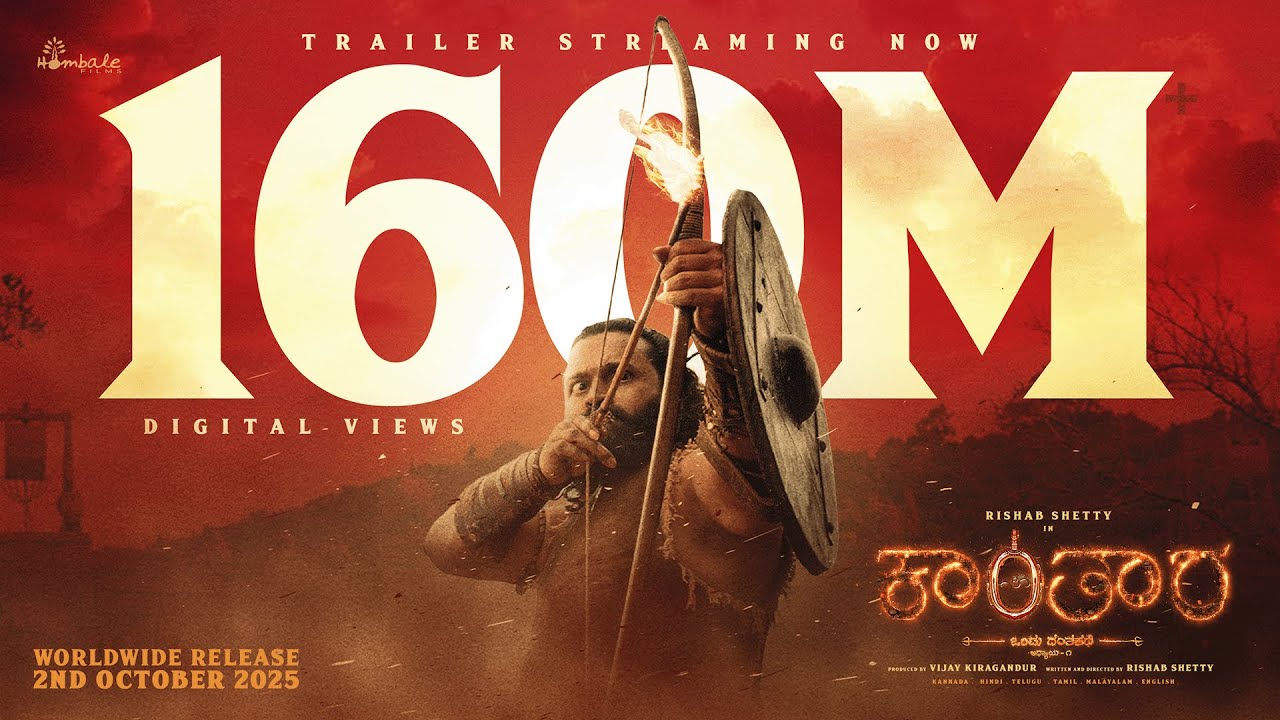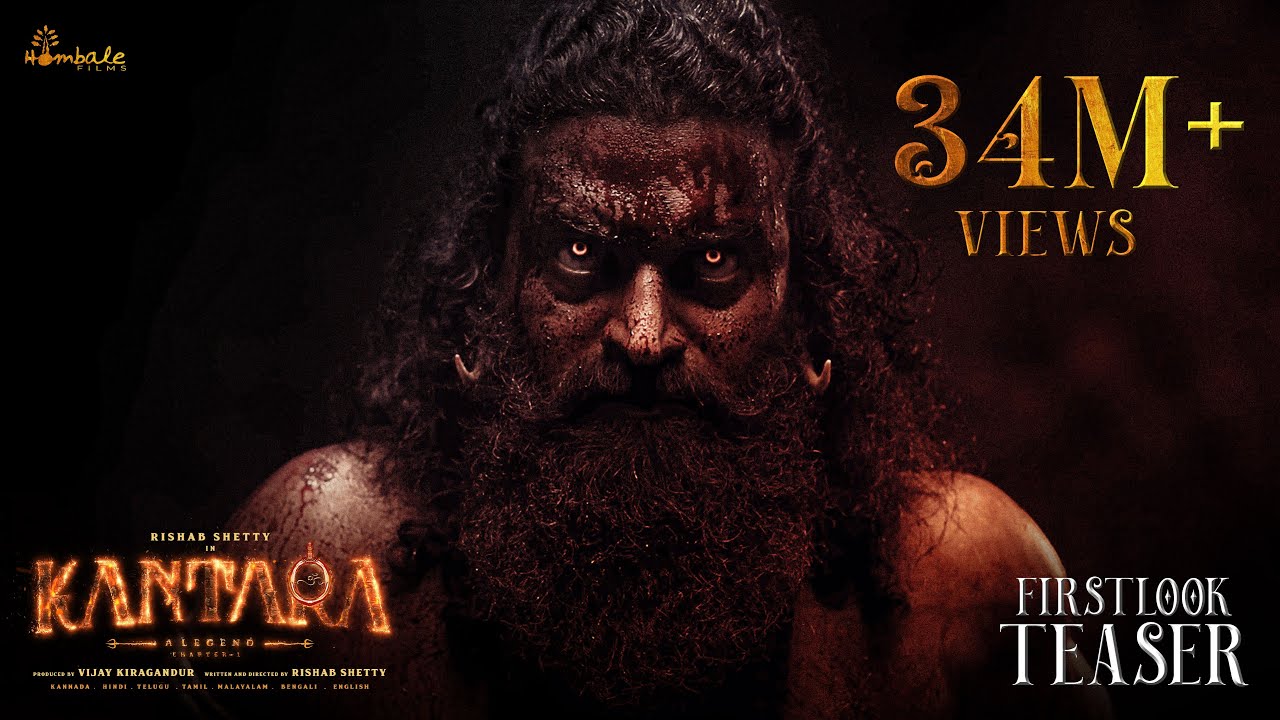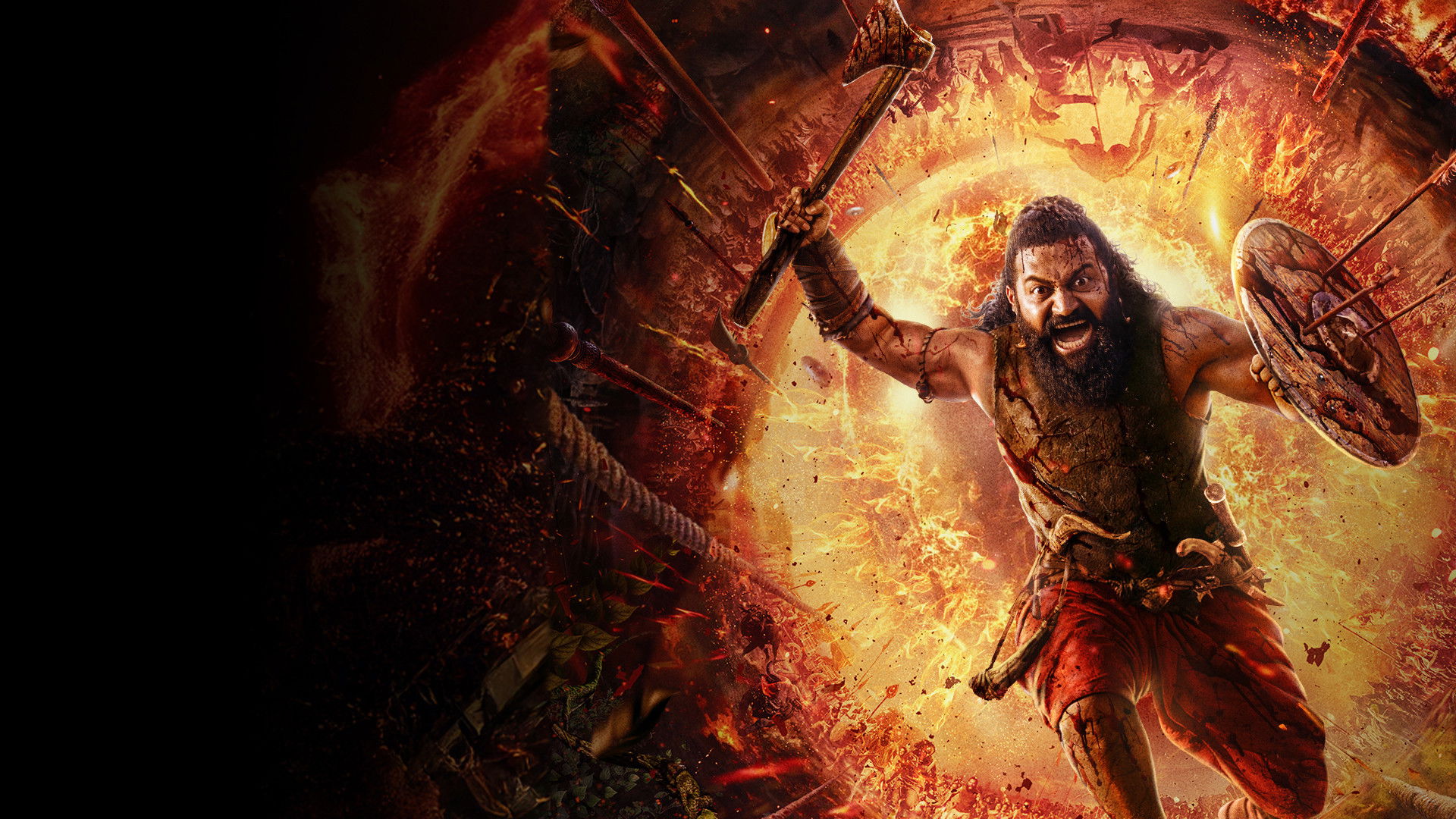
When Kantara: A Legend – Chapter 1 premiered in October 2025, it arrived with something increasingly rare in modern cinema: genuine cultural momentum. This wasn’t just another action-fantasy film from Hombale Films—it was the continuation of a phenomenon that had already proven audiences were hungry for stories rooted in authentic regional culture, mythology, and spiritual depth.
Director Rishab Shetty had already demonstrated his understanding of this audience appetite with the original Kantara, and this sequel showed he wasn’t content to simply repeat success. Instead, he doubled down on what made the first film resonate.
The numbers tell part of the story. A $14 million budget transforming into $91 million at the global box office isn’t just impressive—it’s a statement about shifting film economics. But here’s what matters more: the film moved 1.28 million tickets on its opening day alone.
That kind of mass mobilization doesn’t happen for films that audiences view as disposable entertainment. People showed up because they believed in what Shetty was building with this franchise.
What makes Kantara: A Legend – Chapter 1 significant isn’t just its commercial success, but what it represents: a validation that audiences worldwide are ready for stories that don’t apologize for their cultural specificity.
The film’s nearly three-hour runtime (2 hours 45 minutes) could have been a liability in an era of shortened attention spans, but Shetty trusted his material. This extended duration allowed for something increasingly rare—genuine world-building and character development that doesn’t rush toward the next action beat. The pacing reflects Shetty’s confidence in his vision rather than studio compromise, and audiences responded by making it the highest-grossing Kannada film of 2025.
What makes Shetty’s directorial approach compelling is his refusal to separate the action sequences from the emotional and spiritual core of the narrative. Rather than treating spectacle as distraction, he weaponizes it as a means of storytelling. The cast he assembled—particularly Rishab Shetty himself in the lead, alongside Rukmini Vasanth and Jayaram—understood this balance intuitively. This wasn’t about individual showboating performances; it was ensemble work in service of something larger.
The critical reception of 7.0/10 across 58 votes reflects something interesting: the film occupies that space where commercial vitality and critical engagement meet without perfect alignment. This actually matters. The movie doesn’t exist in some isolated echo chamber of fan enthusiasm—serious observers have engaged with it as cinema rather than dismissing it outright. That respect, even when qualified, suggests Shetty has achieved something sustainable rather than momentary.
Consider what this film accomplished for regional cinema more broadly:
- Transcended language barriers without losing cultural authenticity or becoming diluted
- Demonstrated that action-fantasy hybrids work best when grounded in genuine mythology rather than generic world-building
- Proved that $91 million box office returns validate the creative choices of staying true to source material and regional specificity
- Established that audiences globally respond to stories with spiritual and cultural depth, not despite these elements but because of them
Rishab Shetty’s creative vision throughout Kantara: A Legend – Chapter 1 rests on a deceptively simple but powerful idea: audiences don’t need the story simplified for them—they need it honored. The film respects the intelligence of viewers who understand Kannada culture, while making the universal themes of faith, sacrifice, and human connection accessible to everyone else. That balance is harder to achieve than it appears.
Rukmini Vasanth brought a grounded presence that prevented the mythology from becoming campy, while Jayaram‘s involvement added narrative weight and generational perspective. These weren’t supporting actors filling slots—they were collaborators who understood Shetty’s project intimately. The chemistry between them creates moments of genuine human connection that anchor the fantasy elements.
The film’s legacy, still unfolding, suggests we’re witnessing a fundamental shift in how regional cinema functions in global markets. It’s not about international films versus regional films anymore—it’s about films that are unapologetically rooted in their culture becoming the most internationally compelling.
Looking forward, Kantara: A Legend – Chapter 1 will likely be remembered as a turning point. It proved that audiences will travel to theaters, spend three hours of their time, and engage seriously with stories that don’t compromise their cultural specificity for broader appeal. It showed that Hombale Films’ investment in Shetty’s vision wasn’t a gamble but an understanding of what cinema audiences actually want. Most importantly, it demonstrated that box office success and artistic integrity aren’t opposing forces—they can be the same thing when a filmmaker truly knows what they’re making and why it matters.