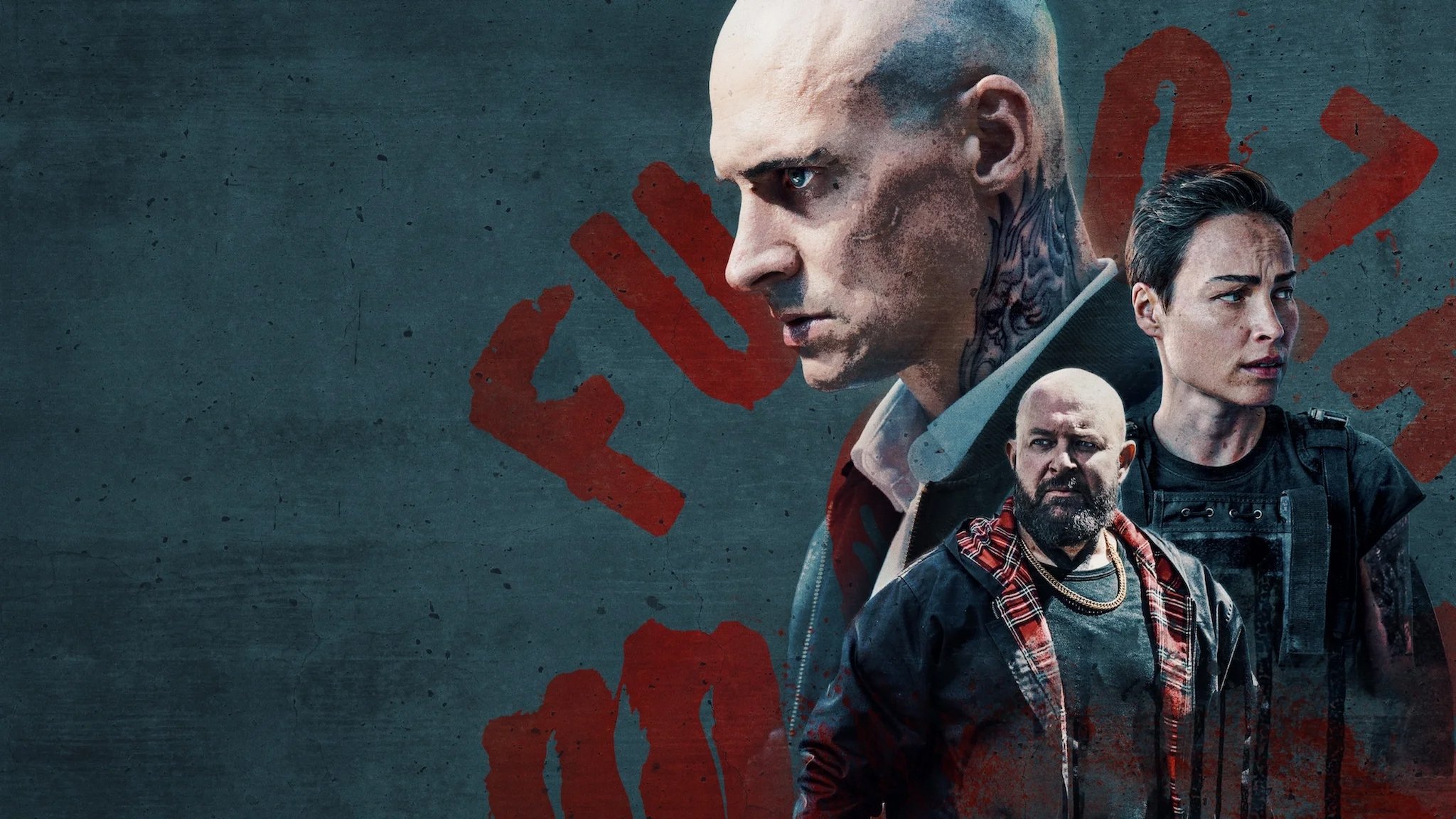
When Inside Furioza premiered in October 2025, it arrived as something quietly significant in the landscape of contemporary crime thrillers—a film that understood the weight of its own legacy while charting its own territory. Director Cyprian T. Olencki didn’t just make a sequel; he created a meditation on power, betrayal, and the machinery of organized crime that demanded serious attention from audiences willing to sit through its nearly three-hour runtime. At 2 hours and 46 minutes, the film never feels bloated, even as it meticulously unpacks the aftermath of a brutal murder that reshapes an entire underworld hierarchy.
The premise alone speaks to what makes this film resonate: in the wake of the mysterious killing of Furioza gang leader Kaszub, a new figure called Golden emerges to claim control of a violent and formidable criminal organization. It’s the kind of setup that could easily become pulp, but Olencki’s vision elevated it into something more thoughtful—an exploration of succession, loyalty, and the cost of ambition within structures built on brutality. The narrative doesn’t shy away from the darkness inherent to its subject matter, but it also refuses to exploit it cheaply.
The Creative Foundation
What makes the film genuinely memorable is how the ensemble cast brings Olencki’s vision to life. Mateusz Damięcki carries the emotional and moral weight of the story with a performance that balances charisma with genuine vulnerability. Szymon Bobrowski matches him beat for beat, and Pola Gonciarz brings an essential dimension to the film’s human stakes—these aren’t caricatures of criminals, but people navigating impossible choices. The chemistry between the principal actors creates an authenticity that lesser films in this genre struggle to achieve. You believe the relationships, the tensions, the alliances and betrayals because the actors understand the material’s complexity.
Olencki’s direction moves beyond surface-level genre mechanics. There’s a deliberate pacing that allows scenes to breathe, letting tension build through dialogue and character interaction rather than relying solely on action set pieces. The film trusts its audience to engage with moral ambiguity and character motivation rather than spoon-feeding easy answers.
> The film’s strength lies not in answering whether Golden is dead or alive, but in exploring what his potential death would mean for the people left behind.
Critical Reception and Cultural Moment
The critical reception—a 6.6/10 on IMDb across 79 votes at the time of assessment—tells an interesting story about how audiences initially grappled with the film. These numbers shouldn’t be read as definitive judgment but rather as evidence of a film that divides viewers, which is often the mark of something genuinely trying to do something different. Some audiences came expecting a straightforward crime thriller with clear heroes and villains; instead, they got a morally complex narrative that doesn’t provide easy emotional catharsis. Others recognized exactly what Olencki was attempting and appreciated the ambition.
The financial information remains opaque—with unknown budget and box office figures—which is actually fitting for a film from 2 Hungry Crocodiles, a smaller production studio willing to take risks on challenging material. In an era when studios obsess over opening weekend numbers and franchise potential, Inside Furioza simply exists as a complete artistic statement, neither manufactured by studio mandates nor designed as a launching pad for expanded universes.
What Makes It Endure
The film’s real significance becomes clear when you consider what it’s attempting thematically:
- Examining power succession in organized crime with psychological depth rather than action-movie theatrics
- Interrogating loyalty as a concept—who remains faithful, and at what cost?
- Exploring trauma and its ripple effects across an entire social structure
- Questioning identity and reinvention in the context of criminal hierarchies
These aren’t revolutionary ideas, but Olencki executes them with rare thoughtfulness. The soundtrack, noted by viewers as particularly effective, becomes almost a character itself—reinforcing mood and psychology rather than telling us how to feel.
The Lasting Questions
Three years after its 2025 release, Inside Furioza continues to generate discussion precisely because it refuses to provide definitive closure. The central mystery—is Golden dead?—matters less than what his potential death would mean for the ecosystem of relationships and power structures the film so carefully constructs. It’s the kind of ambiguous ending that separates casual viewers from those seeking genuine artistic engagement with cinema.
The film reminds us that crime cinema, when done thoughtfully, can explore the human condition in ways other genres struggle to match. It’s less concerned with glorifying violence and more interested in its consequences, its weight on the people involved. In a marketplace often dominated by derivative content, Olencki’s willingness to create something deliberately paced, morally complex, and narratively demanding feels genuinely rare.
Inside Furioza may never achieve mainstream recognition or significant box office numbers, but that’s increasingly become the reality for serious cinema. Its value lies in its refusal to compromise, in the trust it places in its audience, and in the conviction its cast and crew brought to material that demanded nothing less than total commitment. That’s the kind of film that matters—not because it changed the industry, but because it insisted on mattering.