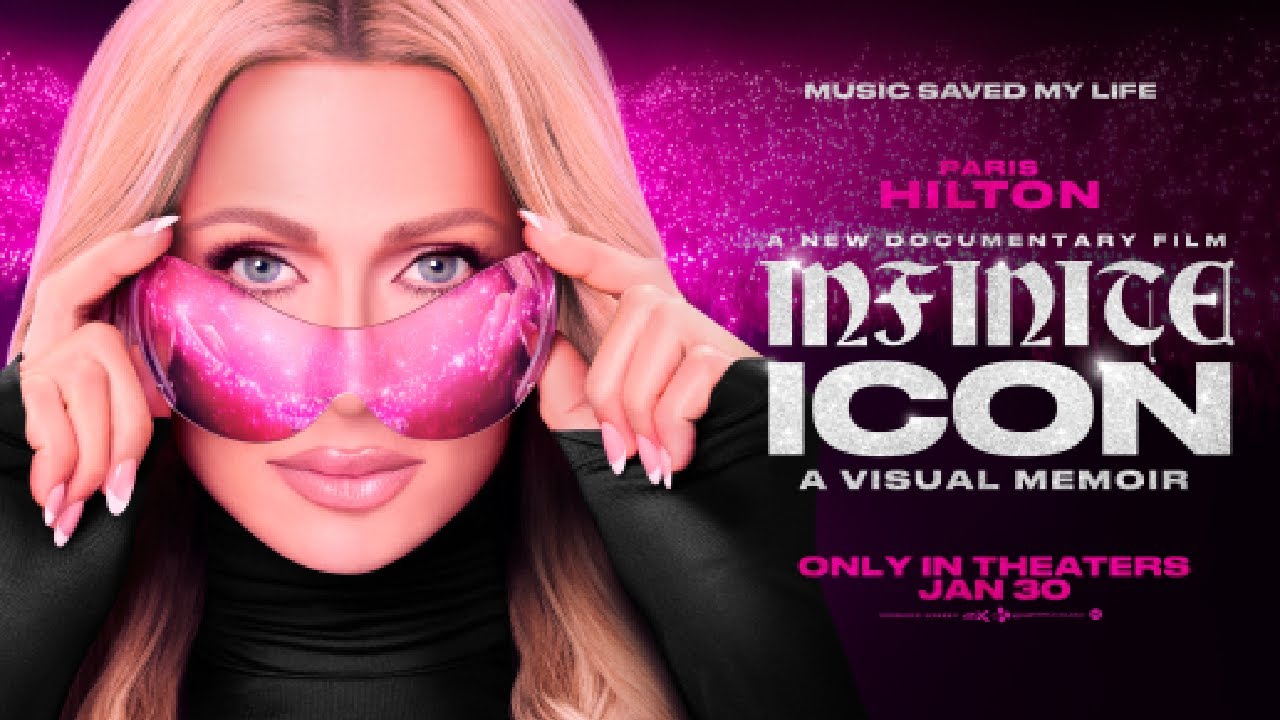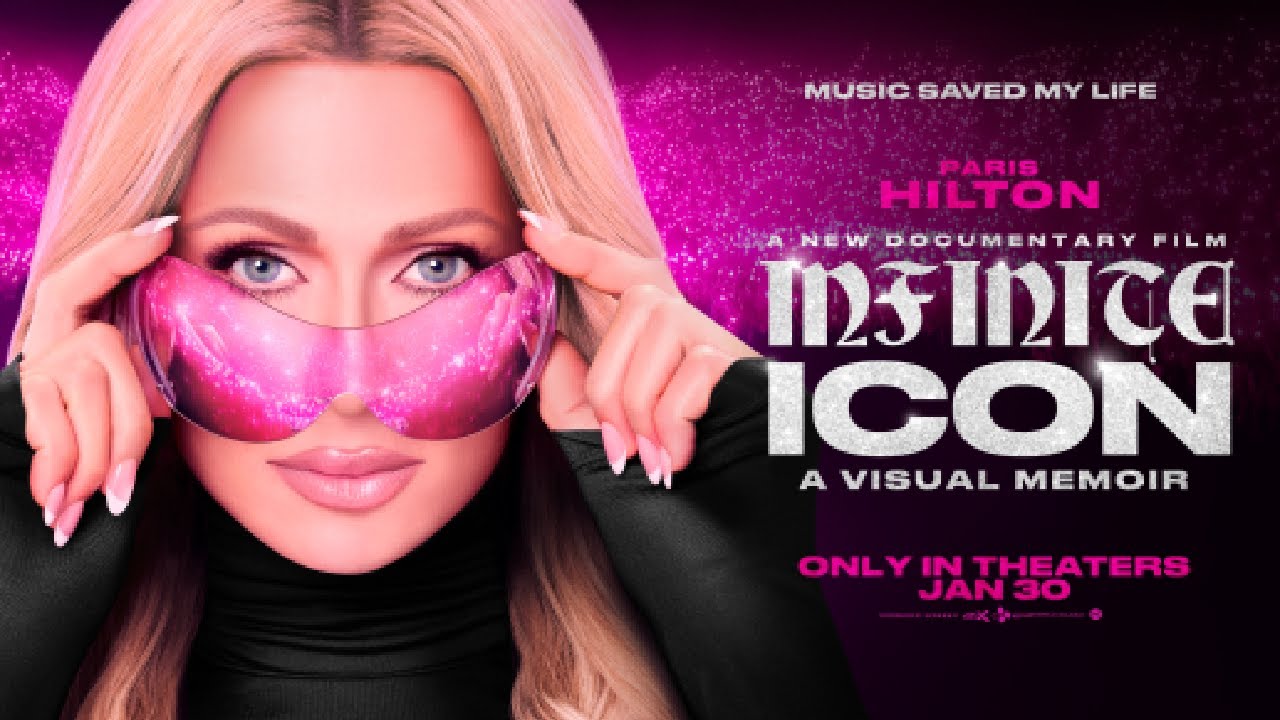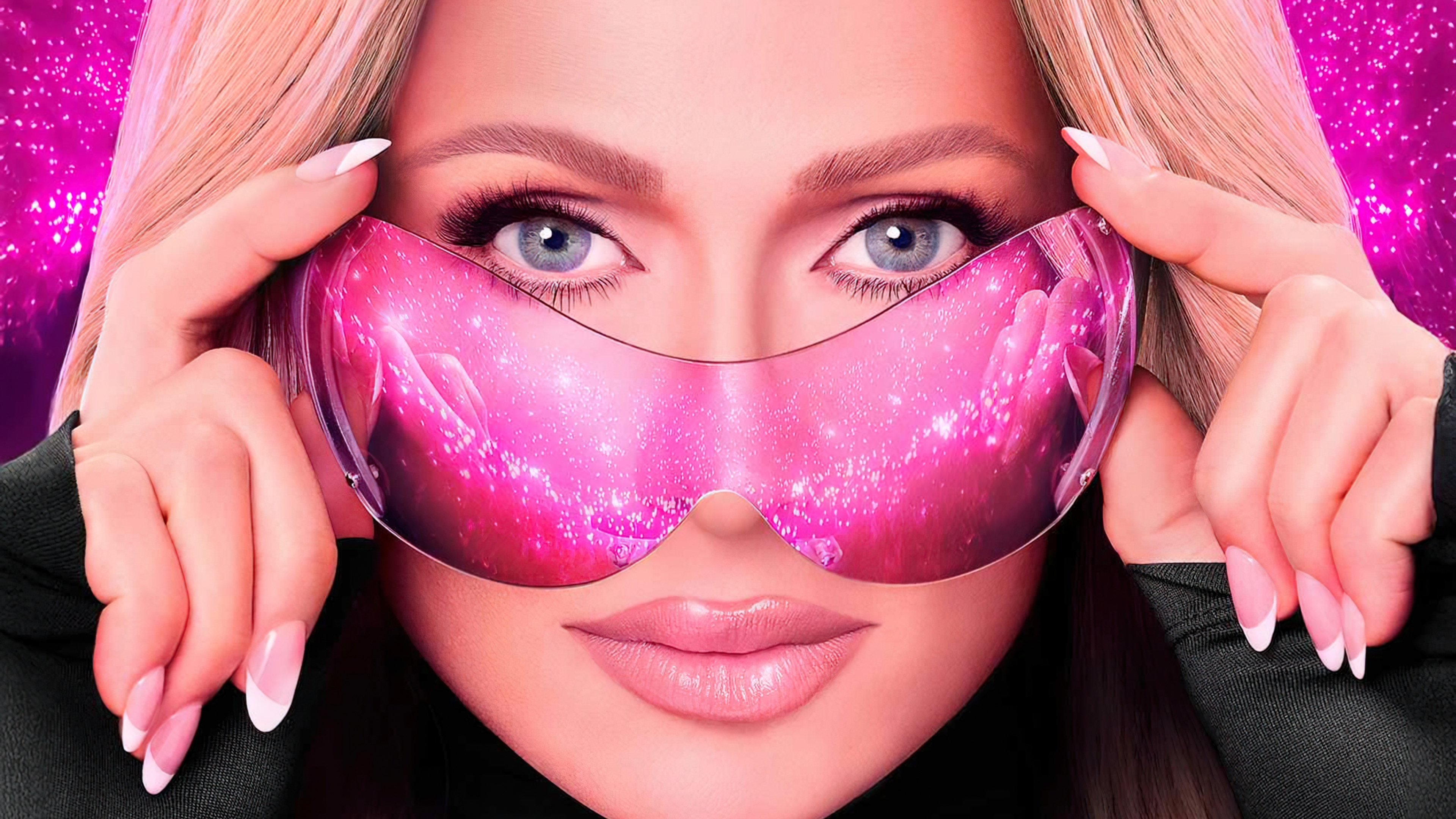
There’s something genuinely exciting brewing in the documentary space right now, and Infinite Icon: A Visual Memoir is shaping up to be one of those rare projects that transcends its subject matter to become something culturally significant. Set to arrive in theaters on January 28, 2026, this film represents a fascinating intersection of music, celebrity introspection, and cinematic artistry—and it’s already generating serious anticipation before its theatrical release.
At its core, this is a visual memoir centered on Paris Hilton’s musical journey, but calling it merely a celebrity documentary would miss what director J.J. Duncan appears to be crafting here. The tagline—”Music saved my life”—signals something deeper than the glossy surface-level retrospective you might initially expect. Duncan’s vision seems focused on authenticity, diving into rare footage and intimate moments that span from Hilton’s debut album through her contemporary work. That’s not a throwaway narrative arc; it’s a genuine evolution story.
The film’s strength lies in how it positions music as redemptive rather than decorative—as something that fundamentally altered the trajectory of its subject’s life.
What makes the creative team particularly compelling is how deliberately Paris Hilton, Sia, and Rina Sawayama have been brought together. These aren’t random celebrity cameos tacked on for marquee value. Each of these artists represents different chapters in modern pop and electronic music, and their presence suggests Duncan is thinking about context—about how Hilton’s musical work exists within a broader artistic ecosystem. Sia’s experimental approach to anonymity and artistic control, Rina Sawayama’s genre-blending sophistication, and Hilton’s own evolution from pop princess to electronic music pioneer create an interesting conversation about reinvention and artistic legitimacy.
The production itself carries notable weight behind it:
- 11:11 Media and CJ 4DPLEX are backing the project—studios that understand how to create immersive theatrical experiences
- A runtime of 1 hour 58 minutes suggests a film that respects its audience’s intelligence, taking time to develop narrative rather than rushing through highlights
- The theatrical focus (CJ 4DPLEX’s involvement points toward premium screening formats) indicates this is meant to be experienced as cinema, not just background content
There’s something worth noting about the film’s current IMDb rating of 0.0/10 with zero votes—it’s a blank slate, which is actually refreshing in our hyperopinionated online culture. When Infinite Icon arrives in theaters, it won’t be burdened by the weight of thousands of rushed takes or predetermined narratives. People will actually have to watch it and form their own conclusions.
J.J. Duncan’s directorial approach here seems to understand something crucial about contemporary documentary filmmaking:
- Visual storytelling matters as much as narrative – The “visual memoir” subtitle isn’t accidental; this is clearly crafted as a cinematic experience, not just an oral history
- Intimacy requires structure – Rare footage and behind-the-scenes moments only resonate when they’re organized meaningfully, which Duncan’s framing suggests they will be
- Music documentaries are having a cultural moment – But only when they go beyond biography into something that examines identity, transformation, and artistic purpose
The potential cultural impact here is worth taking seriously. Paris Hilton’s place in popular culture is complicated—she’s been both meme and icon, the subject of both mockery and genuine fascination. A film that takes her musical ambitions seriously, that treats her journey with the same gravity we’d extend to any artist, could meaningfully shift how audiences think about both her legacy and about who gets to be taken seriously as a musician. In an era where celebrity and artistry constantly collide, Infinite Icon is positioned to ask intelligent questions about that collision.
The film’s approach also feels timely in how it considers the relationship between visual presentation and musical identity. In an era dominated by TikTok and Instagram, where image and sound are inseparable, Duncan seems to be exploring how those elements intertwine in someone’s artistic development. The involvement of Sia—an artist who deliberately resists visual presentation—alongside others who embrace it creates natural thematic tension that good documentary filmmaking can explore productively.
There’s also something to be said about the collaborative potential here. When you bring together artists from different sonic worlds—Hilton’s dance-pop sensibility, Sia’s avant-garde experimentalism, Rina Sawayama’s genre-defying hybridity—you’re not just creating a film. You’re creating a conversation about what music means, what artistic legitimacy looks like, and how those definitions have shifted over the past two decades.
As we count down to the January 28 theatrical release, what makes Infinite Icon: A Visual Memoir genuinely worth watching isn’t just its star power or production pedigree. It’s the sense that Duncan and his team are attempting something sincere—a documentary that treats its subject’s artistic journey with real gravity, featuring collaborators who can speak meaningfully to questions of reinvention and creative authenticity. In a landscape cluttered with celebrity content, that sincerity feels like the rarest commodity of all.