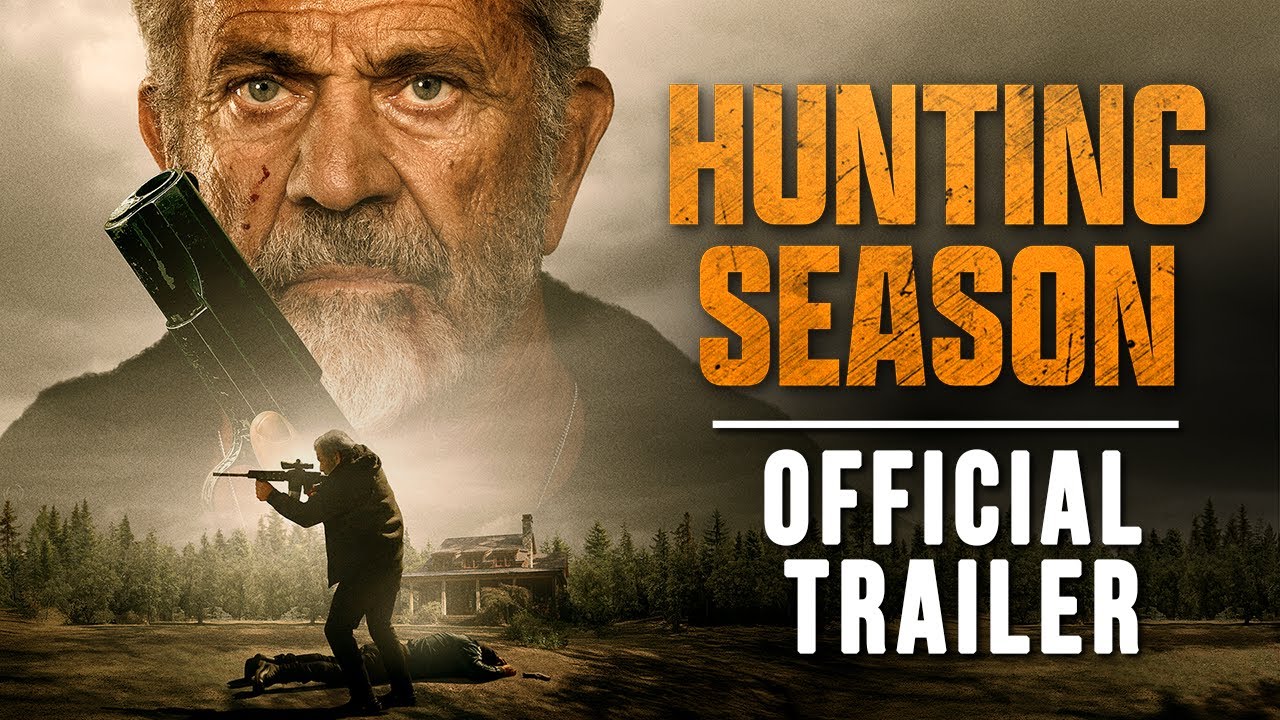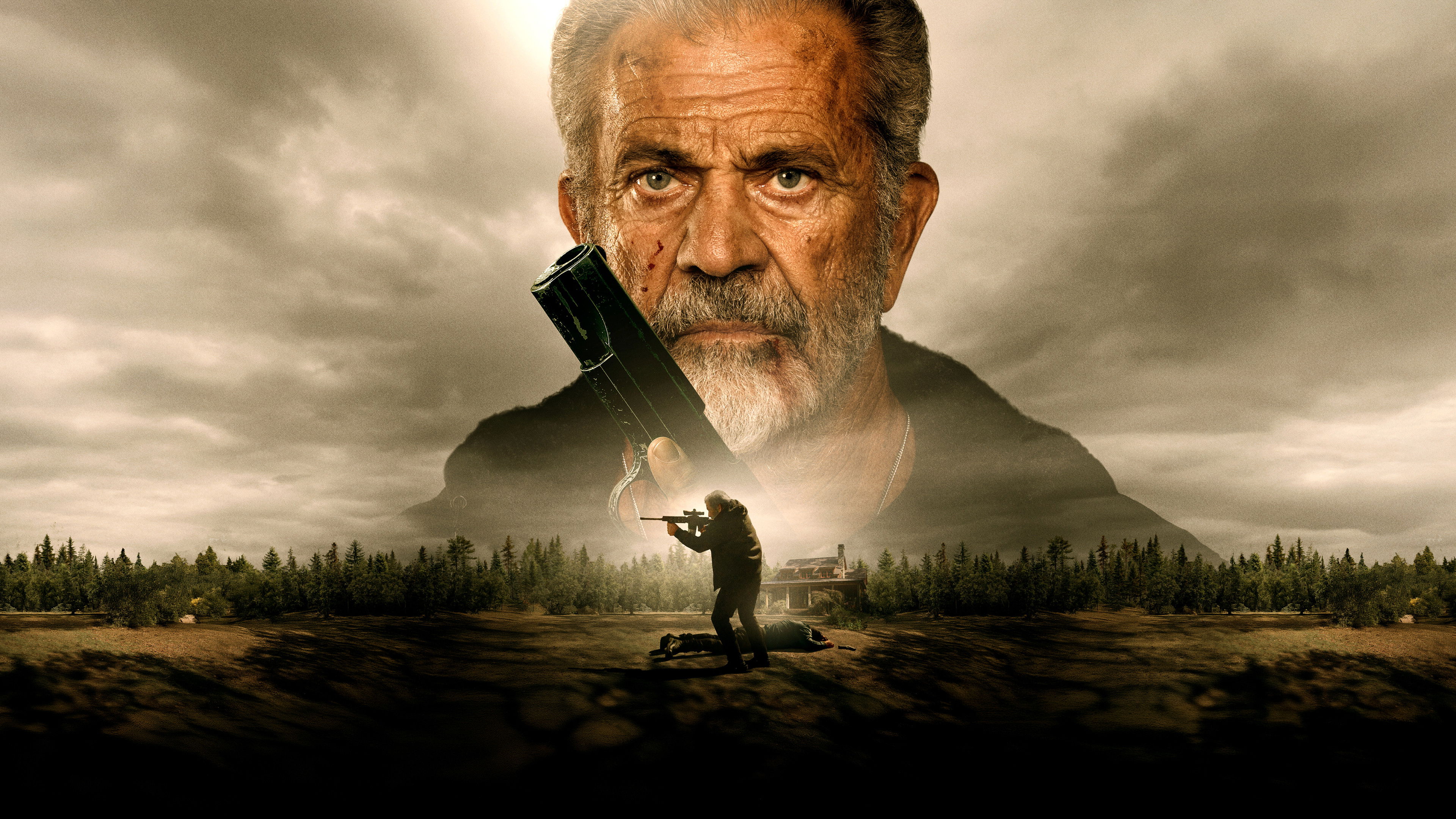
When Hunting Season premiered in December 2025, it arrived as a reminder that sometimes the most compelling thrillers don’t need flashy spectacle or bloated budgets to get under your skin. Director Raja Collins crafted something lean and purposeful here—a 1 hour 33 minute piece of controlled tension that trusts its premise and its cast to carry the weight. It’s the kind of film that sneaks up on you, not through elaborate set pieces, but through character and consequence.
The setup is deceptively simple, and that’s precisely what makes it work. A reclusive survivalist and his daughter pull a wounded, mysterious woman from a river. That act of mercy becomes the catalyst for everything that follows—a deadly cascade of violence and revenge that spirals outward from a single moment of compassion. It’s a premise that works because it asks us an uncomfortable question: what do we owe to strangers, and what price are we willing to pay for doing the right thing?
The film’s genius lies in its restraint. Rather than exploding into constant action, Hunting Season builds its tension methodically, letting the audience feel the pressure mounting with each interaction, each revelation.
What strikes most observers about the film is Mel Gibson’s presence at the center of it all. At this stage of his career, Gibson has learned how to do more with less—there’s a weariness to his survivalist character that feels earned and genuine. He’s not playing a superhero or an unstoppable force; he’s playing a father trying to protect what matters in an increasingly hostile situation. That grounded quality elevates what could have been a standard thriller into something with genuine emotional stakes.
The supporting cast deserves significant credit as well. Shelley Hennig brings vulnerability and complexity to her role as the mysterious woman, avoiding the typical “damsel in distress” trope by making her character morally ambiguous and unpredictable. Jordi Mollà rounds out the core ensemble, adding another layer of tension to the interpersonal dynamics. The ensemble work here suggests that Collins understood something fundamental about thriller filmmaking: your actors have to make us believe in the relationships before we can care about the danger.
The film’s critical reception settled at a solid 7.1/10 from viewers, which tells an interesting story about its place in the genre. It’s not a film that inspires hyperbolic praise or generates explosive word-of-mouth—it’s a film that respects its audience enough to tell a straightforward story without apology. That middle-ground rating actually reflects something valuable: this is a film that works, that delivers on its promise, without pretending to be something it isn’t.
What’s particularly notable is the collaborative effort behind the scenes. The involvement of multiple production companies—including Beno Films, ETA films, Filmopoly, BondIt Media Capital, Buffalo 8, CaliWood Pictures, and FluffyBear Media—suggests a project that had to convince multiple parties of its viability. That’s not always a formula for artistic success, yet Collins managed to keep the vision focused and intact throughout the production.
There are several elements that make Hunting Season worth revisiting beyond its initial theatrical run.
- Efficient storytelling: The tight 93-minute runtime forces every scene to justify its existence
- Genuine moral ambiguity: The film refuses easy answers about who deserves sympathy
- Practical action sequences: When violence occurs, it carries weight and consequence rather than spectacle
- Strong ensemble chemistry: The three leads create genuine tension through their interactions alone
The tagline—”It takes an awful lot to kill a person”—captures something essential about the film’s thematic preoccupation. It’s not just about physical survival, though there’s plenty of that. It’s about what it takes to destroy someone’s sense of safety, their worldview, their faith in human decency. By the end, multiple characters have been figuratively killed even if they walk away breathing. That’s the kind of psychological sophistication that lingers with viewers long after the credits roll.
Raja Collins demonstrated something important with this project: that you don’t need unlimited resources or star power at the A-list level to create a thriller that engages seriously with its material. Gibson brings credibility and acting chops, certainly, but the film’s success rests equally on script, direction, and the collaborative intelligence of everyone involved. Adam Hampton’s screenplay provides a solid foundation, and Collins builds upon it with visual precision and patience.
Looking at the broader landscape of 2025 cinema, Hunting Season occupies an interesting space. It’s not trying to be prestige drama, nor is it pure popcorn entertainment. It’s a working thriller—the kind of film that respects the intelligence of its audience while delivering genuine suspense. In an era when many studios chase either massive spectacle or awards-season prestige, there’s value in a film that simply aims to tell an engaging story well.
The film’s legacy will likely be modest but meaningful—it won’t revolutionize the genre, but it will earn appreciation from viewers who gravitate toward character-driven thrillers with substance beneath the surface. That’s a worthwhile contribution to cinema, even if it doesn’t generate headlines or set box office records. Sometimes the films that matter most are the ones that remind us that excellent filmmaking comes from clarity of vision, not unlimited budgets or complicated narratives. Hunting Season earned its place by doing exactly what it set out to do, with conviction and craft.