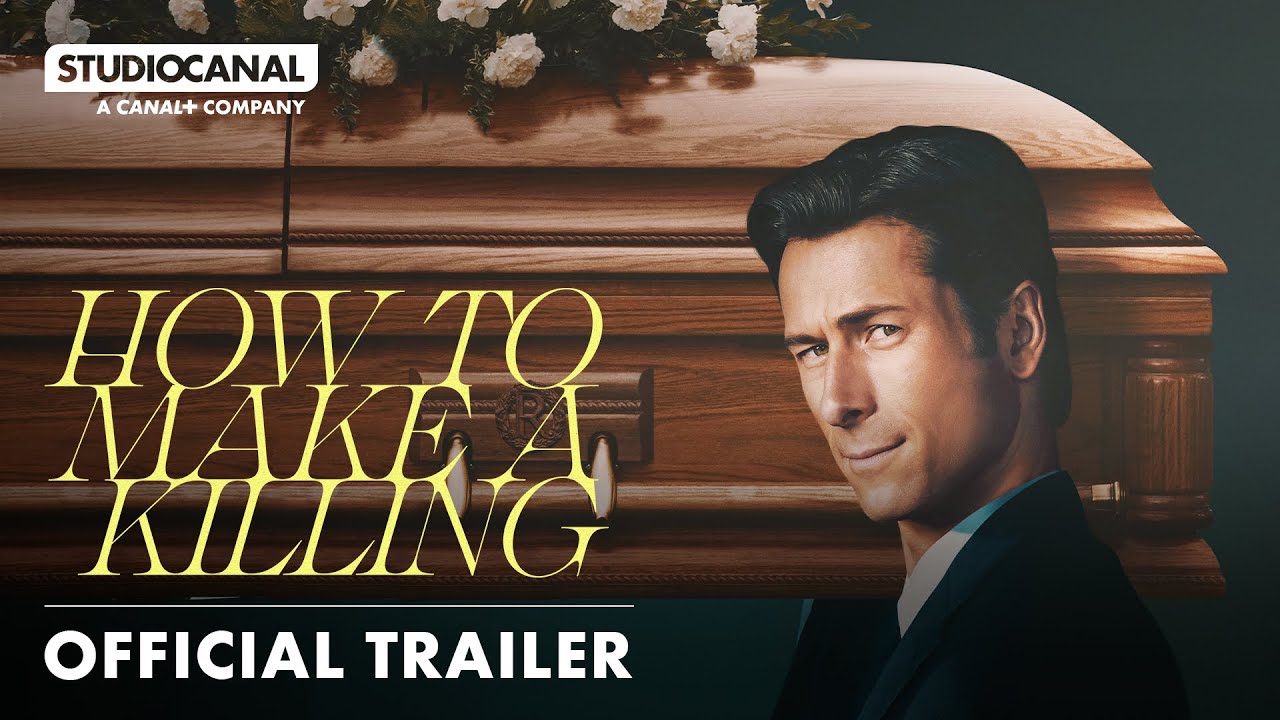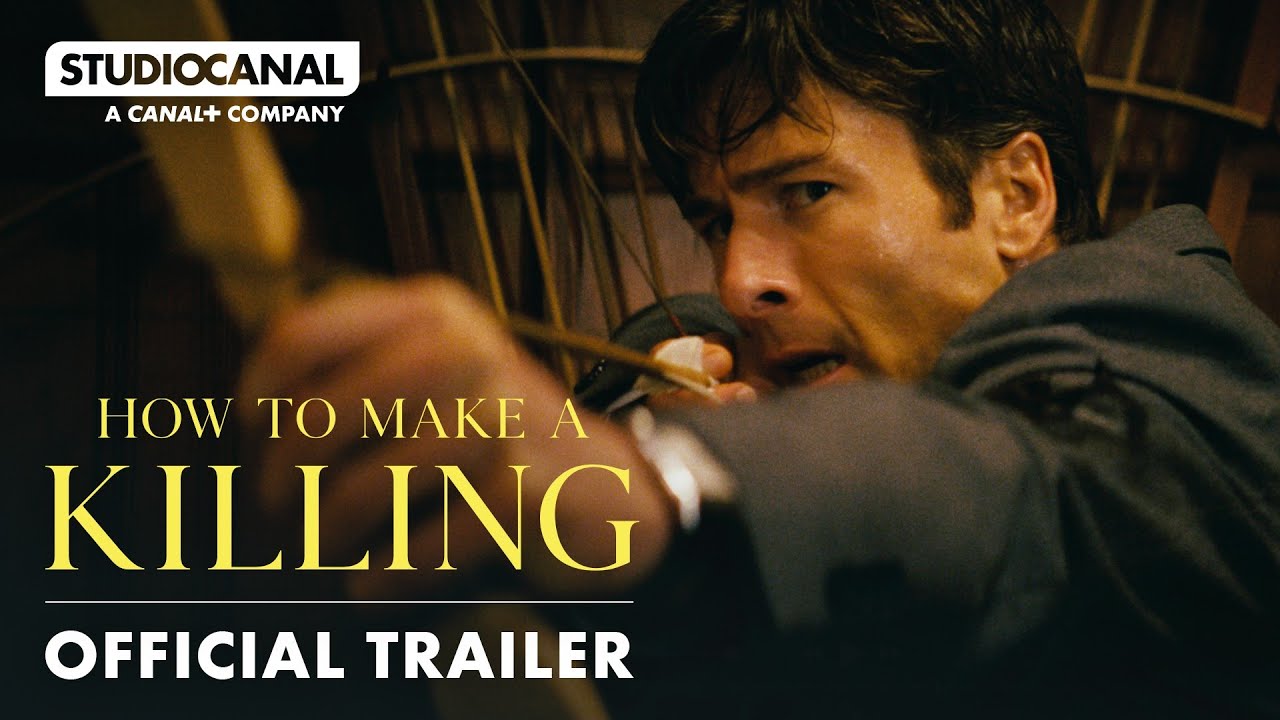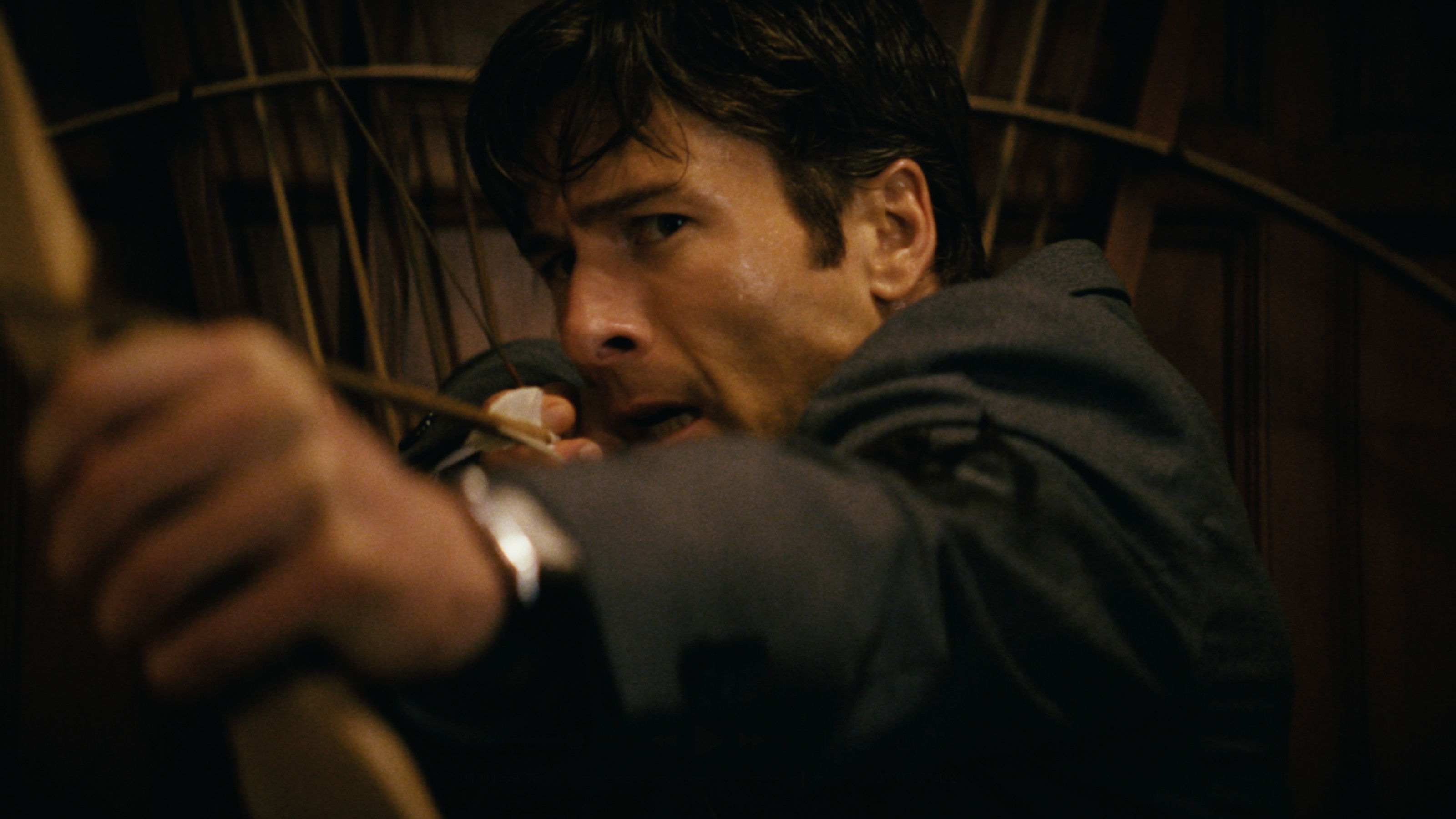
There’s something particularly intriguing about How to Make a Killing, the upcoming thriller that’s set to hit theaters on February 20, 2026. Maybe it’s the tagline—”Heir today, gone tomorrow”—which promises dark comedy wrapped around what sounds like a genuinely twisted premise. Or maybe it’s the creative team assembled behind this project that has the film world quietly buzzing with anticipation. Either way, this is a film that feels like it’s going to spark some serious conversations when it finally arrives.
John Patton Ford is bringing his distinctive directorial vision to this one, and that alone should tell you something about the ambitions at play here. Ford has proven himself a filmmaker willing to explore morally complicated spaces with both intelligence and style. Pairing that sensibility with the enigmatic presence of Glen Powell—an actor who’s been carefully choosing roles that showcase his range beyond charming leading man territory—creates an inherently compelling dynamic. Powell’s willingness to inhabit darker, more complex characters has become one of the most interesting developments in contemporary cinema, and How to Make a Killing feels like exactly the kind of project that could define a new chapter in his career.
The supporting cast adds another layer of intrigue to what’s already shaping up to be something special:
- Margaret Qualley brings an unpredictable intensity to everything she touches, capable of making audiences deeply uncomfortable while remaining completely captivating
- Jessica Henwick has established herself as an actress who gravitates toward challenging, unconventional roles
- Ed Harris and Topher Grace round out an ensemble that reads like a director’s dream cast
This isn’t a group of actors assembled simply because they’re bankable names. These are thoughtful performers who understand character work at a fundamental level.
The premise itself—involving a disowned heir navigating obscene wealth and familial estrangement—taps into storytelling territory that’s eternally relevant. Questions about inheritance, privilege, morality, and what people are willing to do for money never really go out of style.
What makes How to Make a Killing particularly anticipated, though, is how it seems positioned at the intersection of several contemporary cinematic interests. The film is being positioned as a comedy-thriller-drama, which suggests Ford isn’t interested in letting audiences settle comfortably into a single genre. That tonal complexity can be either brilliantly executed or completely derailed, but given the filmmaking pedigree involved here, there’s real reason to believe this will land somewhere compelling.
The production itself carries the fingerprints of serious creative intent. StudioCanal and Blueprint Pictures are backing this project, which speaks to a certain level of investment and artistic confidence. This isn’t a quick cash-grab thriller designed around a high-concept pitch. This feels like a film that’s been developed with care, with a runtime of 1 hour and 49 minutes that suggests Ford has constructed something precisely calibrated—not padded, not rushed, but deliberately paced.
There’s also something worth noting about the timing here. As we approach early 2026, we’re living in a cultural moment deeply fascinated by questions of wealth inequality, inheritance, and what privilege actually costs. How to Make a Killing doesn’t feel accidental to that moment. Ford’s direction, combined with Powell’s capacity to embody contradiction, suggests this will be a film that uses its genre elements—the thriller mechanics, the darkly comic moments—as vehicles for exploring something more substantive about contemporary American life.
- The ensemble approach – Rather than centering everything on a single protagonist, Ford appears to be building something more ensemble-focused, where multiple perspectives create friction and complexity
- Tonal ambition – The comedy-thriller-drama fusion suggests an unwillingness to play it safe or pander to audiences expecting a single familiar experience
- Thematic depth – The premise engages with enduring questions about family, money, and moral compromise that transcend the immediate plot mechanics
- Creative partnerships – The collaboration between Ford and his cast represents a congregation of artists who take their work seriously
What’s particularly encouraging is that How to Make a Killing feels like the kind of film that could generate genuine critical discourse when it releases. In an entertainment landscape increasingly dominated by franchise properties and safe commercial calculations, here’s a mid-budget thriller with artistic ambitions, a compelling premise, and a cast genuinely committed to complexity. It’s the kind of project that reminds you why cinema matters as a medium for exploring uncomfortable ideas and morally gray spaces.
The film’s current 0.0/10 rating on various platforms is simply a reflection of its “Coming Soon” status—essentially meaningless at this point, but it’s a reminder that genuine anticipation builds before the verdict arrives. Right now, How to Make a Killing exists in that magical pre-release space where possibility still outweighs judgment, where the film could be everything we’re hoping for or something entirely unexpected.
When February 20, 2026 arrives, audiences will finally get to see whether Ford’s vision, Powell’s commitment, and the ensemble’s chemistry actually align into something truly remarkable. But even now, months before release, this feels like a film worth paying attention to—the kind of work that suggests cinema is still capable of surprising us, challenging us, and yes, even entertaining us in ways that matter beyond the immediate two-hour experience.