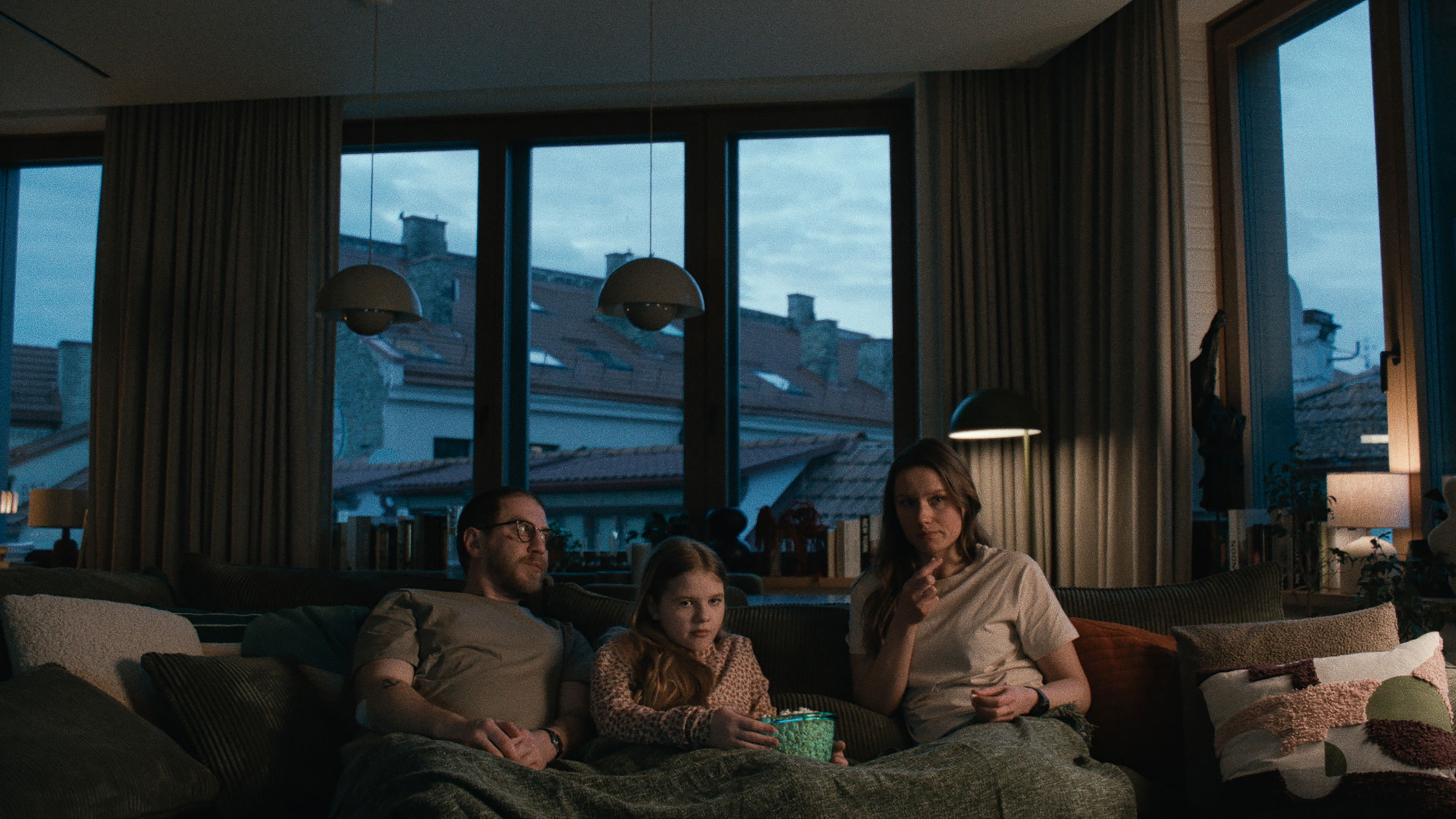
There’s something compelling about a film that refuses to shy away from the messy collision of private life and historical catastrophe. “How to Divorce During the War” is set to premiere at the 2026 Sundance Film Festival on January 26th, and it’s already generating genuine buzz—not because of star power or massive marketing campaigns, but because of the audacity of its premise and the filmmakers behind it.
Director Andrius Blaževičius is crafting something that feels increasingly urgent in contemporary cinema: a story that doesn’t treat personal and political crises as separate genres that shouldn’t overlap. Set in Vilnius in 2022, the film centers on Marija, a high-flying executive who makes the decision to finally discuss divorce with her husband Vytas—the day before Russia’s full-scale invasion of Ukraine. It’s the kind of timing that would feel like dark comedy if it weren’t so grounded in the very real anxieties many people experienced during that moment.
Why This Matters Right Now
The genius of this premise lies in its refusal to compartmentalize human experience. We live in a time when personal crises and global catastrophes happen simultaneously, yet we rarely see cinema that captures the actual texture of living through both. Most films either focus on the intimate drama or the historical moment—rarely do they insist that both are happening at once, colliding in ways that are both absurd and deeply tragic.
Blaževičius seems interested in exploring:
- The impossible timing that life sometimes imposes on us
- How historical trauma reshapes personal decisions in real time
- The question of whether personal honesty matters when everything feels like it’s falling apart
- The vulnerability of ordinary people caught between private authenticity and collective survival
This isn’t a film about the war, exactly. It’s a film about what happens to your marriage, your arguments, your need for change when the world starts burning around you.
The Creative Team and What They’re Building
The cast features Žygimantė Elena Jakštaitė, Marius Repšys, and Amelija Adomaitytė—talented performers who will be asked to navigate genuinely difficult emotional terrain. These aren’t names that dominate international press, which is actually part of what makes this approach refreshing. Blaževičius is prioritizing the material and the performances over marquee appeal, which suggests he trusts his script and his actors to carry the weight of what he’s trying to say.
With production backing from M-Films, Red Lion, Feline Films, and Bionaut, this is clearly a project with serious institutional support from production houses that understand European cinema. And the fact that New Europe Film Sales acquired the film ahead of Sundance indicates that distributors are already confident in its commercial and critical potential.
The film’s 1 hour 48 minute runtime suggests Blaževičius knows exactly what story he needs to tell—no bloat, no unnecessary scenes, just the essential tragedy and dark comedy of this moment.
What the Sundance Selection Means
Premiering at Sundance in the World Cinema Dramatic Competition is significant. Sundance isn’t just a festival—it’s a launching pad for films that have something to say about the contemporary world. The festival has a track record of championing films from Eastern European filmmakers that offer perspectives often missing from mainstream Western cinema. A Lithuanian director making a film about the day before the invasion, told from the perspective of a couple dissolving their marriage, is exactly the kind of culturally specific yet universally resonant story that Sundance values.
The fact that no one has rated it yet (hence the 0.0/10 status) speaks to how early we are in this film’s journey. The conversation will begin in earnest on January 26th, 2026, when audiences finally see what Blaževičius has created.
The Deeper Conversation Ahead
This film is anticipated to spark conversations about:
- The ethics of personal honesty during crisis—should we suppress our needs when the nation is under threat?
- How historical trauma filters down into family structures—do private relationships survive public catastrophe?
- The perspective of Eastern Europe—how do people in the region experience and narrate these moments?
- The limitations of escape—Marija and Vytas can’t simply leave when everything is collapsing around them
Cinema’s greatest power is its ability to make the specific universal. A story about two Lithuanians arguing about their marriage on the eve of invasion becomes a story about all of us trying to live authentically within impossible circumstances.
Why We Should Be Paying Attention
“How to Divorce During the War” represents something increasingly rare: a film interested in the simultaneity of crisis rather than the false separation of personal and political. Andrius Blaževičius has made a deliberate choice to refuse easy narratives. His cast and production team are clearly committed to honesty over sentiment.
When this film is released on January 26th, it will join a growing body of work that insists Eastern European voices and perspectives matter in global cinema. It will likely generate the kind of discussions that linger—not because it’s spectacular, but because it’s truthful about something we’re all living through: the impossibility of neatly separating who we are as individuals from the historical moment trying to define us.
That’s worth waiting for.