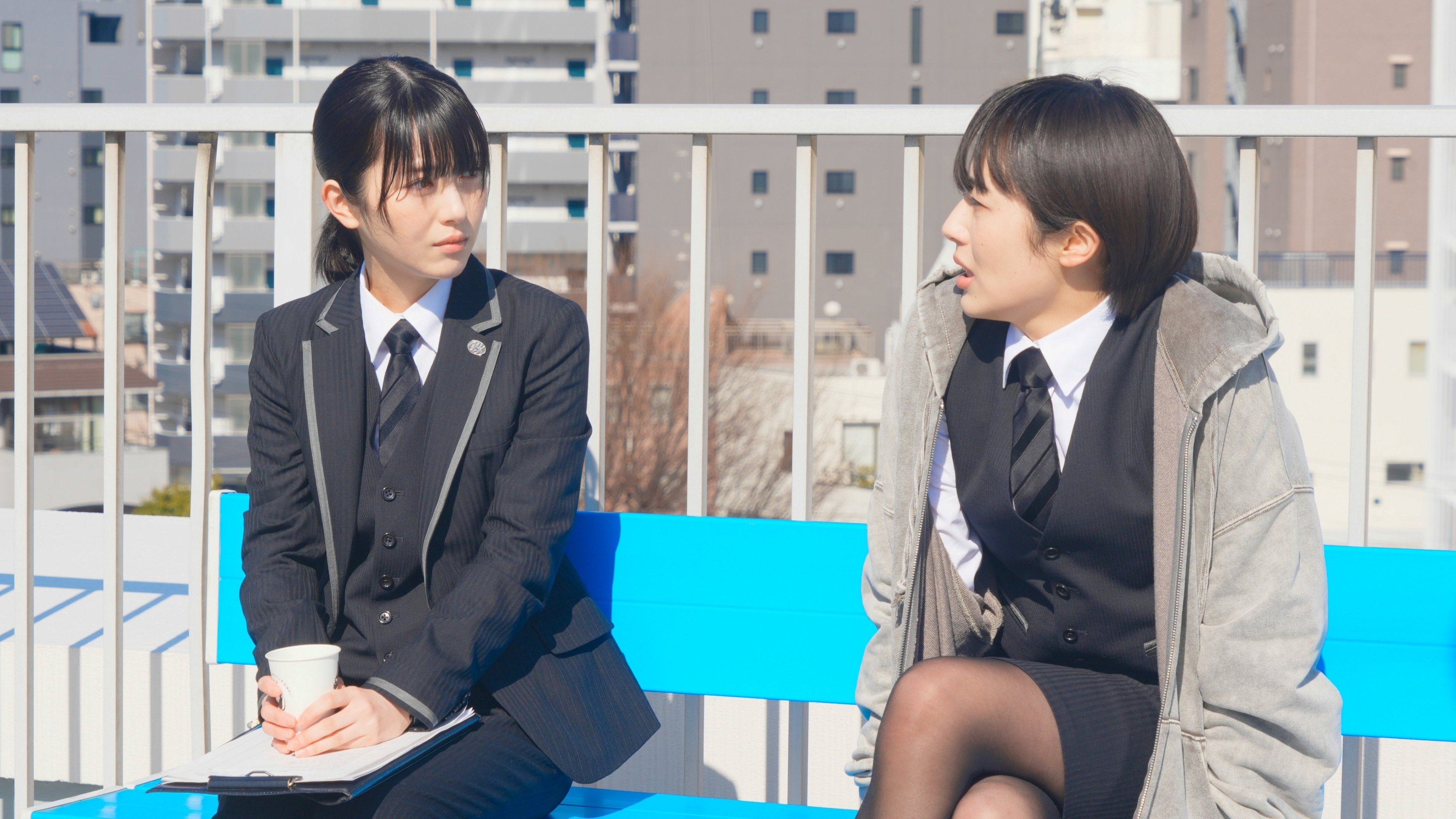
There’s something quietly compelling about a film that explores the intersection of life’s most delicate moments through an unconventional lens. “Hodonaku, Owakare Desu” is set to release on February 6, 2026, and it’s already generating considerable intrigue among those paying attention to Japanese cinema’s more thoughtful offerings. This isn’t the kind of film that announces itself with explosions or spectacle—instead, it arrives with a premise that feels both deeply human and unexpectedly fresh.
At its core, the film follows Shimizu Misora, a woman struggling through the exhausting cycle of job hunting failures, who encounters Urushibara Reiji, a funeral planner working for a funeral company. On paper, that collision of circumstances might sound melancholic, even heavy-handed. But there’s genuine artistry in how this premise unfolds, and the creative team behind it understands something fundamental about storytelling: sometimes the most meaningful conversations happen in spaces we typically avoid.
Director Takahiro Miki is orchestrating this project with a sensibility that suggests he’s interested in the quiet spaces between major life events. His decision to center the narrative around someone struggling with professional rejection meeting someone whose work is literally about saying goodbye creates a natural tension that’s both poetic and achingly relatable. In an era of streaming noise and algorithmic chaos, there’s something almost radical about a film willing to sit with those uncomfortable silences.
The cast assembled for this production speaks volumes about the care taken in development:
- Minami Hamabe brings her characteristic intensity and vulnerability to Shimizu Misora, an actress known for inhabiting complex emotional landscapes
- Ren Meguro takes on the role of funeral planner Reiji, bringing depth to what could have been a one-dimensional character
- Misato Morita rounds out the ensemble, suggesting supporting characters will be rendered with similar thoughtfulness
What’s particularly interesting is that Hamabe attended the completion report meeting in mid-2025, indicating this production has genuinely finished its journey through post-production. The film was shot and completed between mid-February and late March 2025—a compressed timeline that often suggests either a tight, focused script or a team that knows exactly what it’s trying to accomplish.
The real anticipation here isn’t about box office projections or spectacle. It’s about whether Takahiro Miki can transform what could be a heavy-handed meditation on mortality into something that actually feels alive and purposeful.
There’s also an interesting tension worth noting: the film currently sits at a 0.0/10 rating on this database, simply because it hasn’t yet premiered and thus hasn’t accumulated audience reactions. That blank slate is actually rather fitting for a film about transitions and new beginnings. When audiences eventually engage with it after its February 2026 release, those impressions will matter precisely because they’re earned rather than assumed.
What makes this film potentially significant isn’t just what it’s about, but how it approaches its subject matter. Japanese cinema has long excelled at finding profound meaning in the everyday, at treating minor characters’ struggles with the same gravity as epic narratives. This film seems positioned squarely in that tradition—interested in how two strangers might help each other simply by existing in shared space, in how professional failure and professional mourning might teach someone about resilience.
The collaboration between Miki and his cast suggests mutual understanding about tone. This won’t be a film that lectures about death or employment anxiety. Instead, it will likely unfold as a character study that trusts its audience to recognize profound moments without explicit signposting. That’s a riskier approach than melodrama, which means it’s also far more likely to resonate with viewers who hunger for cinema that respects their intelligence.
Looking ahead to its scheduled February 2026 release, the film is positioned to arrive in a cinematic landscape increasingly fragmented by streaming options and algorithmic recommendations. In that context, a thoughtfully crafted drama about two people learning from each other through life’s most vulnerable moments feels like a necessary counterpoint to the noise. It’s not trying to be everything to everyone—it’s trying to be true to something specific and deeply human.
The real question isn’t whether this film will be commercially successful or critically acclaimed before it arrives. The real question is whether audiences will still be seeking out stories like this—stories that move slowly, that trust silence as much as dialogue, that find meaning in small moments rather than big dramatic gestures. Based on everything we know about its production, its creative team, and its thematic concerns, “Hodonaku, Owakare Desu” seems genuinely committed to answering that question with honesty.