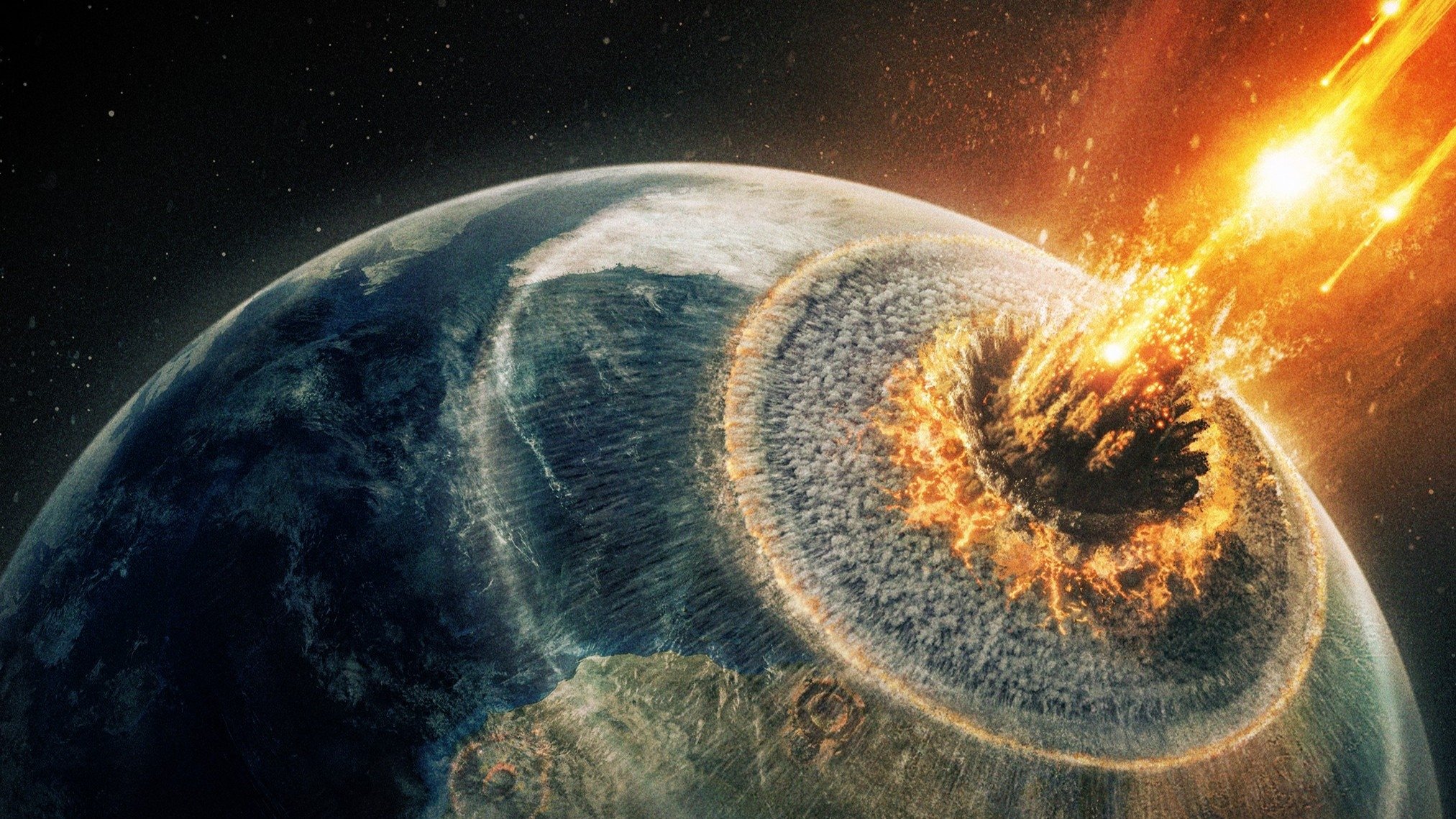
When Greenland 2: Migration premiered in January 2026, it arrived carrying the weight of considerable expectations—and the shadow of a box office reality that would prove far more complicated than anyone anticipated.
With a $90 million budget backing what was supposed to be a franchise continuation, the film instead became a fascinating case study in what happens when studio ambition collides with audience indifference.
That $8.5 million opening weekend wasn’t just disappointing; it was instructive. It told us something crucial about the state of disaster-thriller sequels in the mid-2020s, and honestly, about what audiences actually wanted from Gerard Butler at that moment in his career.
Director Ric Roman Waugh brought a kind of earnest, no-nonsense sensibility to the project—the same stylistic DNA that characterized his previous work in the action-thriller space. His approach has always been about stripping away pretense and focusing on visceral storytelling.
With Greenland 2: Migration, he was tasked with expanding the scope of the original 2020 film’s survival narrative into something bigger, messier, and theoretically more cinematic. The 1 hour 38 minute runtime suggests a lean, tight production, and that decision speaks volumes about Waugh’s directorial philosophy: don’t waste time, keep things moving, trust your audience to keep up.
The real story of Greenland 2: Migration isn’t found in its box office numbers—it’s in what the film was trying to do and why it ultimately couldn’t connect with audiences the way the studio hoped.
Gerard Butler reprised his role as John Garrity, the working-class everyman thrust into extraordinary circumstances. Butler’s particular skill set as an action performer has always centered on a specific kind of vulnerability beneath the toughness—a quality that made him compelling in the original Greenland. By the time 2026 rolled around, however, the actor found himself competing in a vastly different marketplace.
The disaster-survival genre had evolved, fragmented, and frankly, audiences had moved on to different flavors of spectacle. Bringing back Butler for round two required not just a compelling narrative but a cultural moment that aligned with what viewers wanted to experience. That alignment never quite happened.
- The supporting cast brought legitimate talent to the endeavor:
- Morena Baccarin provided a counterbalance to Butler’s grounded intensity, her presence suggesting emotional stakes beyond mere survival
- Tommie Earl Jenkins rounded out an ensemble designed to feel like real people facing unreal circumstances
- The chemistry between cast members felt genuine, suggesting that whatever weaknesses the film possessed, they weren’t rooted in performance quality
What makes Greenland 2: Migration significant—despite its commercial stumble—is precisely how it failed and what that failure revealed about contemporary filmmaking. Here was a major studio effort ($90 million represents serious commitment), backed by experienced creative talent, featuring a bankable star, and it simply couldn’t overcome a fundamental market indifference. It’s not that audiences rejected a bad film so much as they collectively declined the invitation to see a continuation they hadn’t asked for.
“Hope is uncharted territory,” the tagline promised—but the film opened in a landscape where audiences had already charted the territory of survival thrillers pretty thoroughly.
The critical reception at 6.7 out of 10 tells you everything you need to know: this wasn’t a catastrophic failure, it was a film that showed up competently and left no particular impression. Nobody hated it enough to generate the kind of cultural discussion that sometimes comes from ambitious failures.
It simply… existed, was seen by relatively few people, and moved into the cultural margins almost immediately. That’s perhaps a harsher verdict than outright rejection.
Looking at the financial landscape more broadly:
- The gap between budget and box office revenue ($90M to $8.5M) represents one of cinema’s most brutal equations
- This disparity arrived during a period when mid-budget action films were increasingly struggling across the industry
- Even franchise films with established audiences weren’t guaranteed returns anymore
- The collaborative effort of multiple studios (Lionsgate, STXfilms, Anton, Thunder Road, G-BASE, CineMachine) couldn’t overcome the fundamental issue: audiences had moved on
What’s genuinely interesting, looking back from a slightly greater distance, is how Greenland 2: Migration serves as a mirror for the current state of action cinema. The film wasn’t innovative enough to start conversations, wasn’t flawed enough to become a cult curio, and wasn’t successful enough to spawn sequels. It was, in the most precise sense, a film that attempted to capitalize on an existing property at precisely the moment when that property’s cultural currency had diminished.
Ric Roman Waugh’s direction deserves respect for what it attempted—a lean, efficient thriller that valued storytelling momentum over spectacle inflation. In an era of bloated action films, the 98-minute runtime reads almost as a form of integrity. But intention and execution, while both present here, couldn’t overcome the larger issue: nobody was waiting for this story to continue.
The lasting significance of Greenland 2: Migration might ultimately reside in what it teaches studios about brand exhaustion, timing, and the simple fact that sequels require more than capital and competence—they require cultural resonance.
By that measure, the film’s real legacy is as a data point in the ongoing conversation about why franchise filmmaking is far more complicated than merely extending successful properties. Sometimes, as this film demonstrates, there are territories that should remain uncharted.