When Goodbye June premiered in December 2025, it arrived quietly—the kind of film that doesn’t announce itself with massive marketing budgets or franchise recognition. Yet there’s something distinctly valuable about what Kate Winslet accomplished in taking the director’s chair for this intimate drama. In an era where cinema often chases spectacle, she chose restraint, choosing instead to craft a meditation on farewell that unfolds across just 1 hour and 54 minutes. That precision matters. It’s the runtime of a film confident enough to say what it needs to say and then trust the audience to sit with it.
What makes Goodbye June resonate beyond its modest metrics is how it taps into something universally human—the delicate art of letting go. The tagline itself, “A good goodbye… It’s all that matters,” distills the entire thematic weight into seven words. It’s not about grand gestures or dramatic confrontations. It’s about the small moments where people acknowledge each other and move forward with grace.
The Cast as the Film’s True Anchor
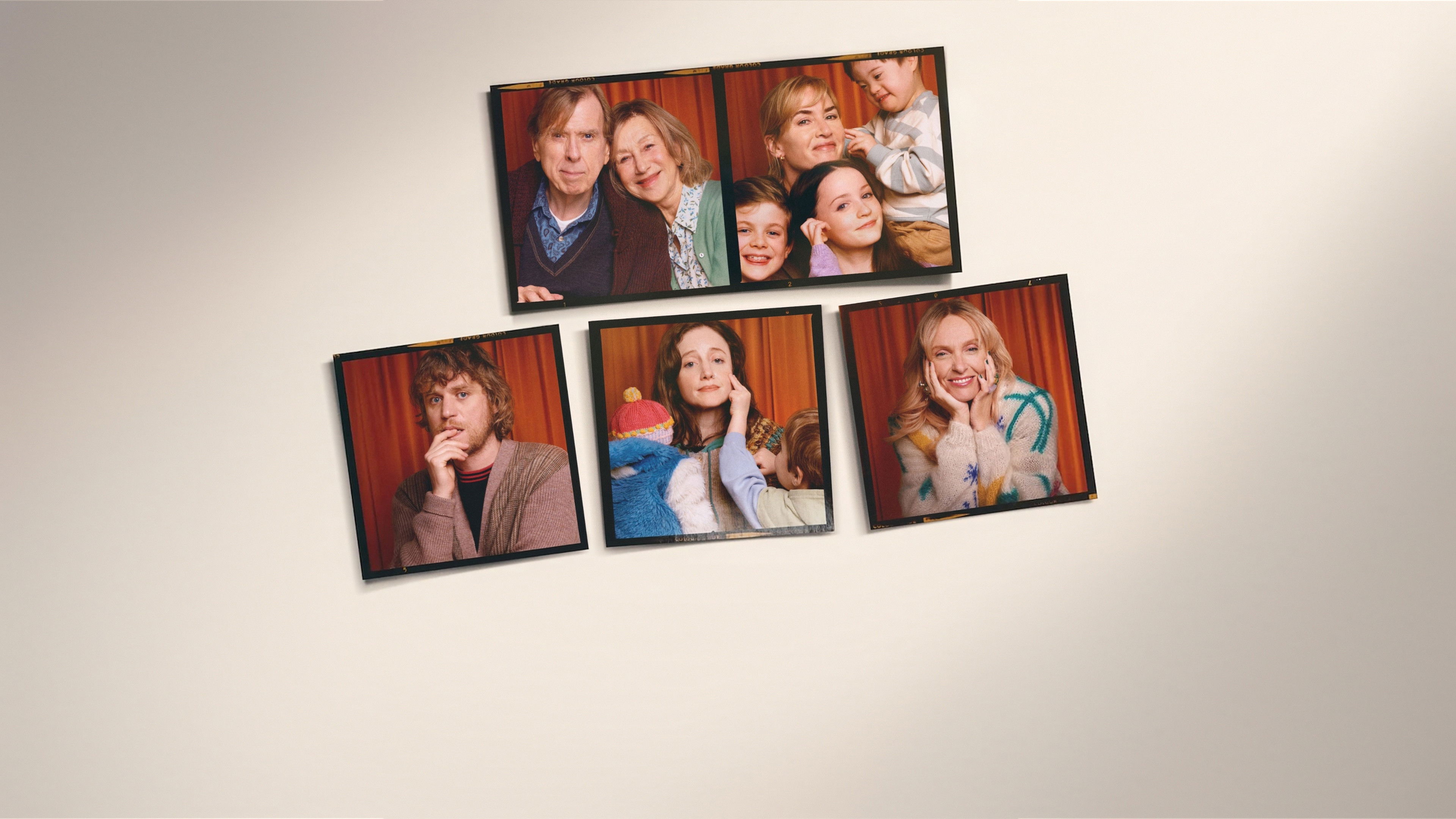
The ensemble here represents something rare: three major talents operating at a level of subtle mastery that rewards close viewing. Helen Mirren brings her characteristic grace and world-weariness, suggesting decades of accumulated wisdom without ever spelling it out. Toni Collette, an actress who thrives in emotional complexity, finds the painful contradictions in her character—the need to both hold on and let go existing simultaneously beneath the surface. And then there’s Johnny Flynn, whose understated naturalism provides a generational counterpoint, reminding us that goodbye isn’t just about loss, but about transition and change.
> When performances this calibrated come together, the film becomes a masterclass in what happens when actors trust each other and their director completely.
The chemistry between these three creates an almost gravitational pull—scenes that might feel static on paper become luminous in execution. This is the kind of collaborative work that doesn’t always translate into box office numbers or viral moments, but it accumulates a different kind of value over time.
A Shift in Winslet’s Creative Identity
For Winslet, stepping behind the camera represented a fascinating evolution. Known for her transformative acting roles, she brought that same intelligence and emotional precision to directing. Rather than showcasing technical virtuosity or flashy cinematography, she prioritized performance and space—allowing her actors room to breathe and moments to linger. It’s a distinctly mature approach, one that suggests she’s absorbed lessons from directors she’s worked with across her career.
The critical reception at 6.5/10 (from 103 votes) tells an interesting story. It’s neither dismissive nor enthusiastic—it’s measured, suggesting the film found a specific audience rather than achieving universal appeal. That’s actually appropriate for this project. Not every film needs to be a crowd-pleaser. Some films are designed for contemplation, for second viewings, for conversations that happen days after you’ve watched.
What the Numbers Don’t Reveal
With both budget and box office figures remaining unknown, we’re in interesting territory. Goodbye June exists slightly outside the typical metrics by which we judge cinema success. Perhaps that’s liberation. Without the pressure of recouping a major studio investment or achieving blockbuster returns, the film could exist on its own terms—a character study dressed in the clothing of contemporary drama.
The film’s cultural footprint may grow differently than traditional releases. These kinds of intimate dramas often find their audience through:
- Festival circuits and specialized screenings where word-of-mouth matters
- Home viewing platforms where pacing and quiet intensity play differently
- Critical reassessment years later when the film can be viewed without contemporary noise
- Film schools and discussion groups examining how to make cinema about connection rather than conflict
The Thematic Weight
What Goodbye June ultimately explores is how we mark endings—not as failures or tragedies, but as necessary passages. In contemporary cinema, we’re often trained to expect conflict as the engine of drama. This film suggests something more sophisticated: that recognizing when something should end, and saying goodbye with dignity and love, might be the most difficult and noble act available to us.
The film doesn’t sentimentalize this journey. There’s no swelling orchestral score designed to manipulate emotions. Instead, Winslet trusts silence, pauses, and the eloquence of faces. It’s a gamble that doesn’t always pay off for every viewer—hence the mixed reception—but when it connects, it connects profoundly.
Looking Forward
Goodbye June may not revolutionize independent drama or launch a thousand think pieces. But it represents something essential: a filmmaker asking performers to do what only film can do—exist in a moment, fully present, without explanation. In a landscape often dominated by bigger narratives and broader appeals, that specificity becomes its own form of resistance.
The film’s true legacy won’t be measured in opening weekend numbers or award nominations. Instead, it exists as proof that cinema can still be a vehicle for intimacy, that actors of extraordinary caliber can still be deployed to explore the quiet corners of human experience, and that sometimes the most important goodbye we can offer cinema itself is one done right—with honesty, artistry, and complete commitment.