When Good Fortune premiered in October 2025, it arrived at a peculiar moment in comedy cinema—a time when the genre felt simultaneously oversaturated and undersupplied with genuine heart. What Aziz Ansari created here is something quietly ambitious: a fantasy-comedy that doesn’t apologize for asking big questions about luck, class, and whether divine intervention is ever really divine. It’s the kind of film that shouldn’t work on paper, yet somehow does, even if the box office didn’t entirely catch up with its vision.
Let’s address the elephant in the room first. The film came out with a $30 million budget and pulled in $26.1 million globally—a miss by conventional Hollywood standards, especially when you consider it competed against established franchises and the relentless marketing machinery of year-round blockbusters. But here’s what matters more: the film’s 7.0/10 rating across 419 votes tells a more interesting story than pure numbers. That’s solidly positive territory, suggesting audiences who watched it generally enjoyed what they found, even if it didn’t become a phenomenon. In a landscape where 5-star ratings have become increasingly rare, a genuine 7 indicates something that resonates without pretending to be more than it is.
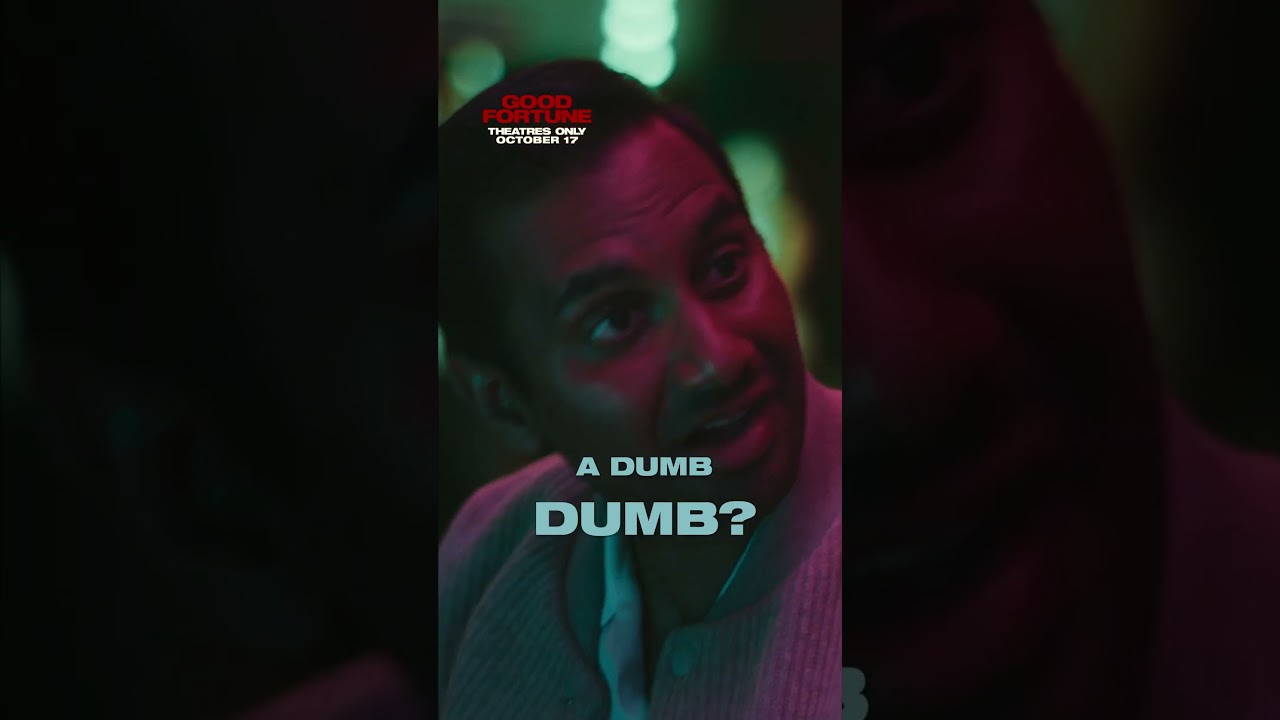
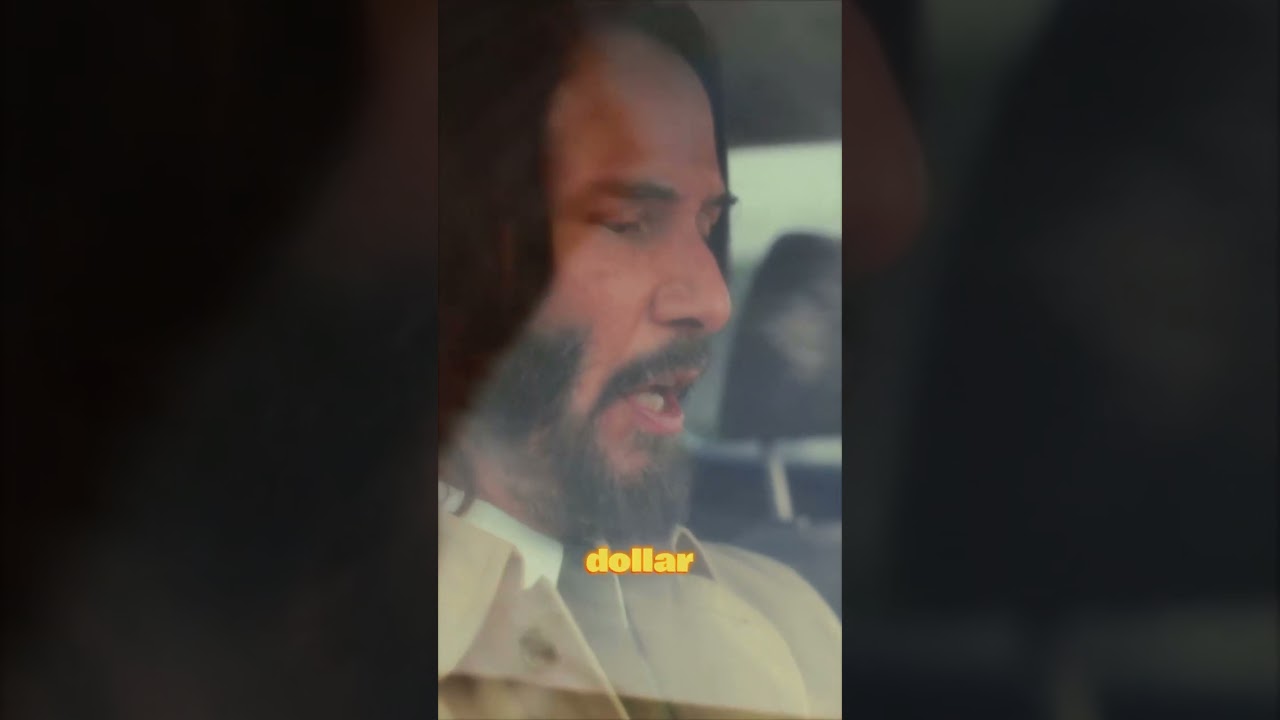
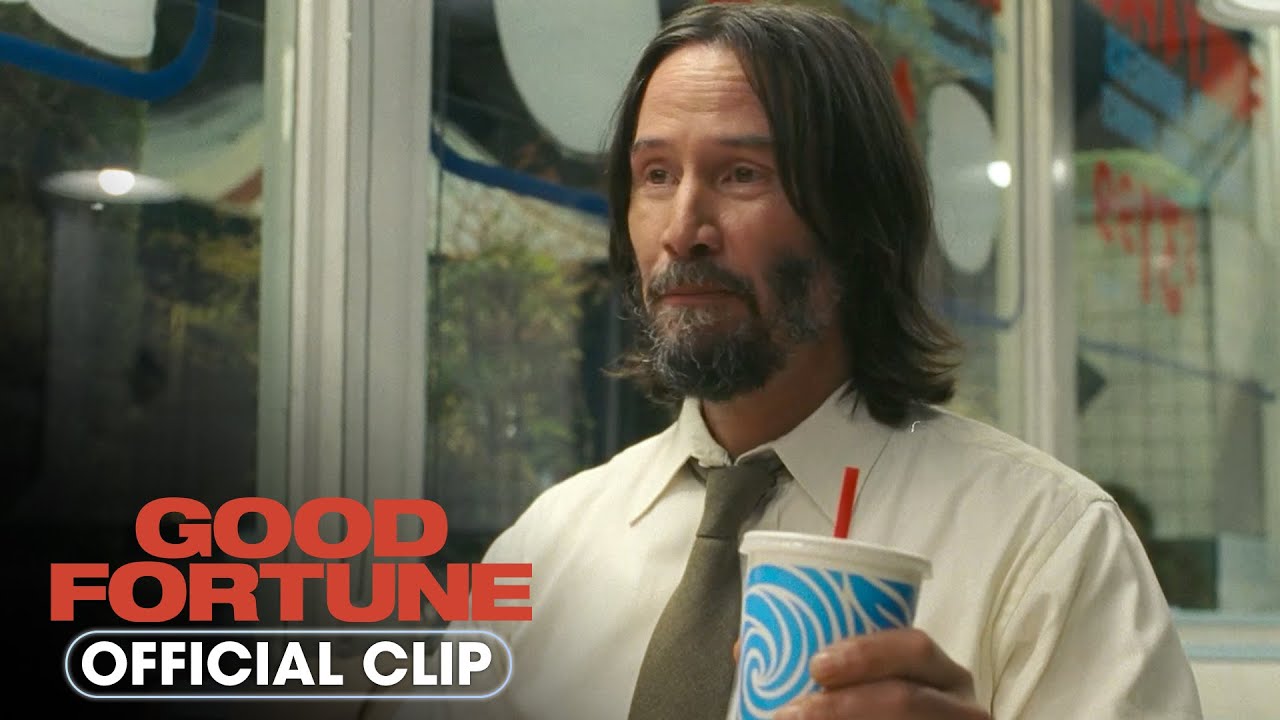
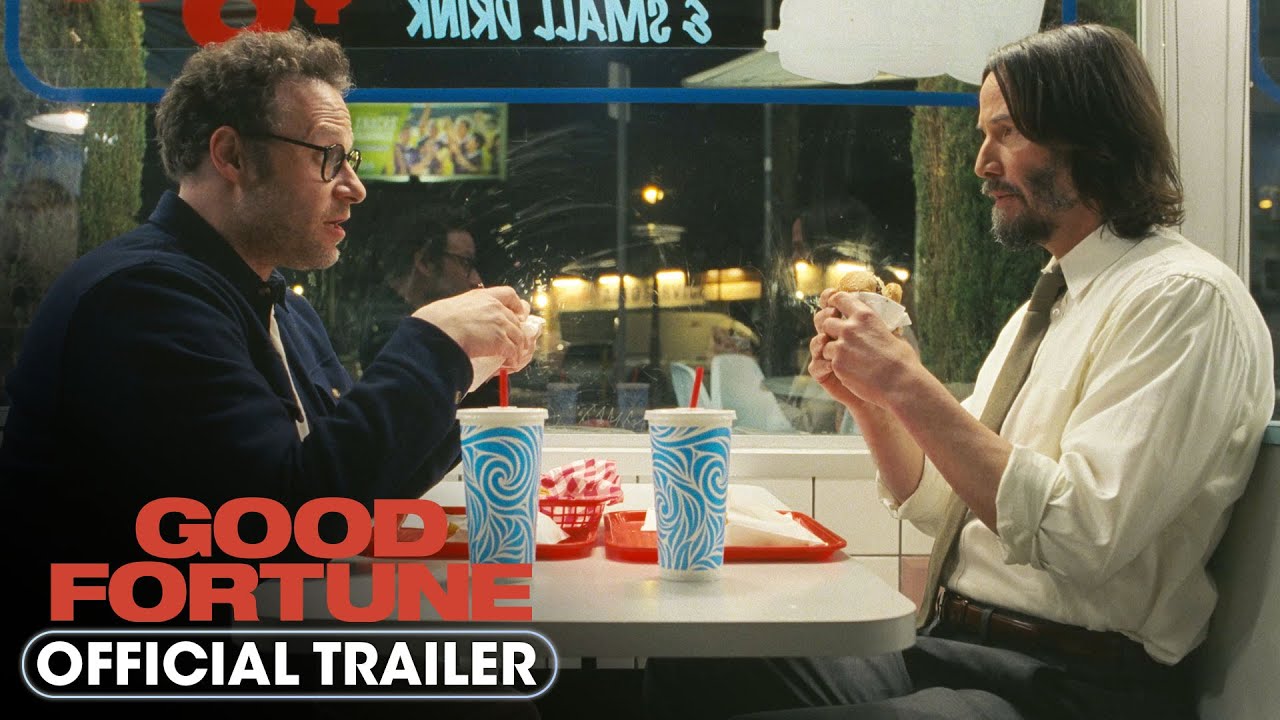
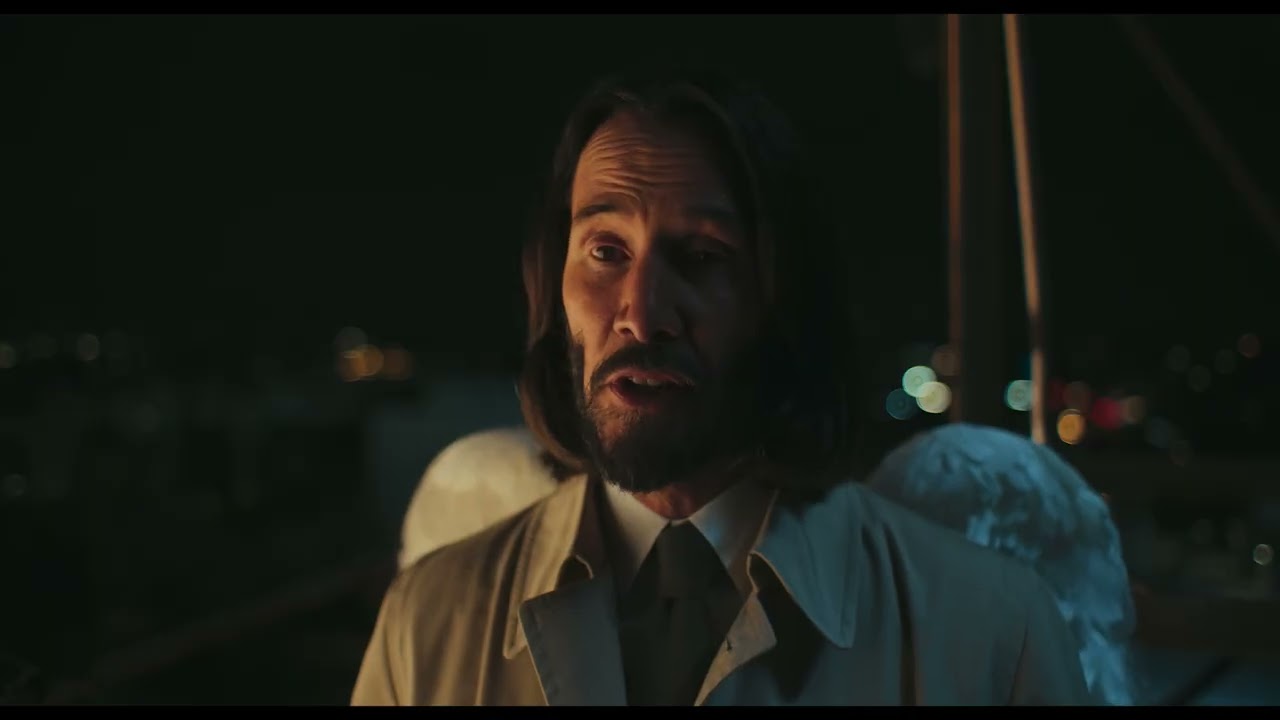
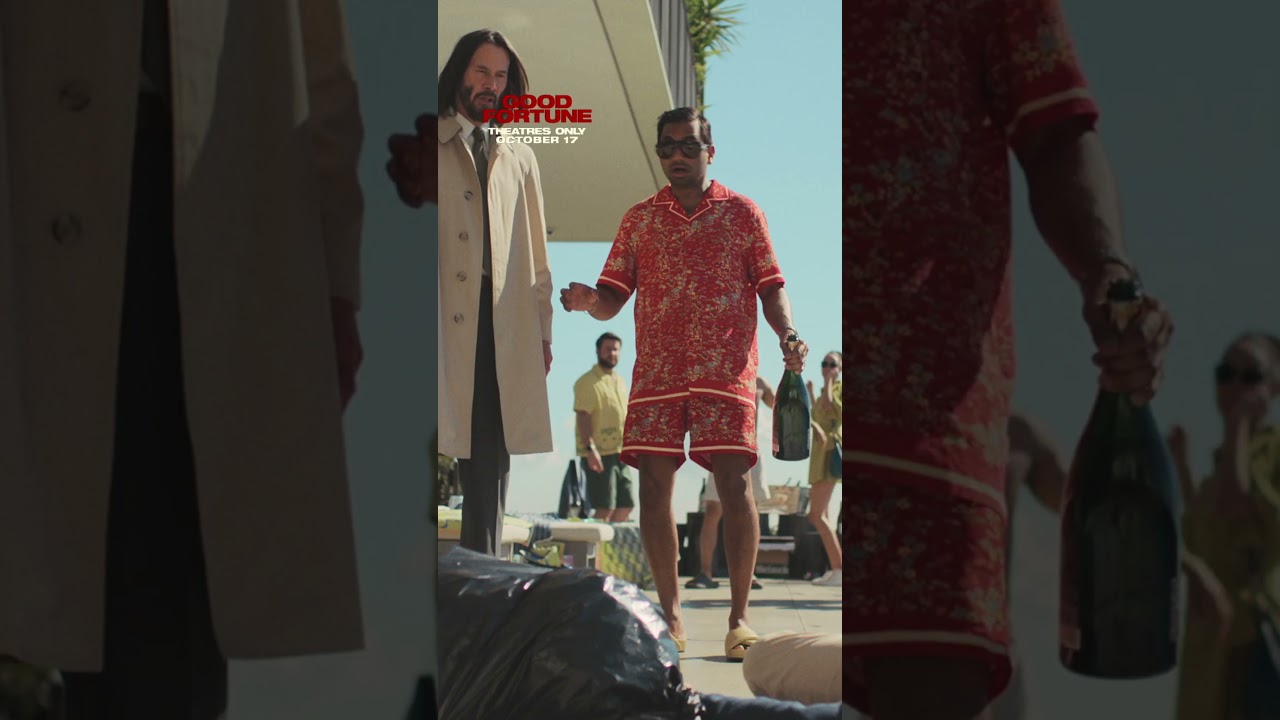
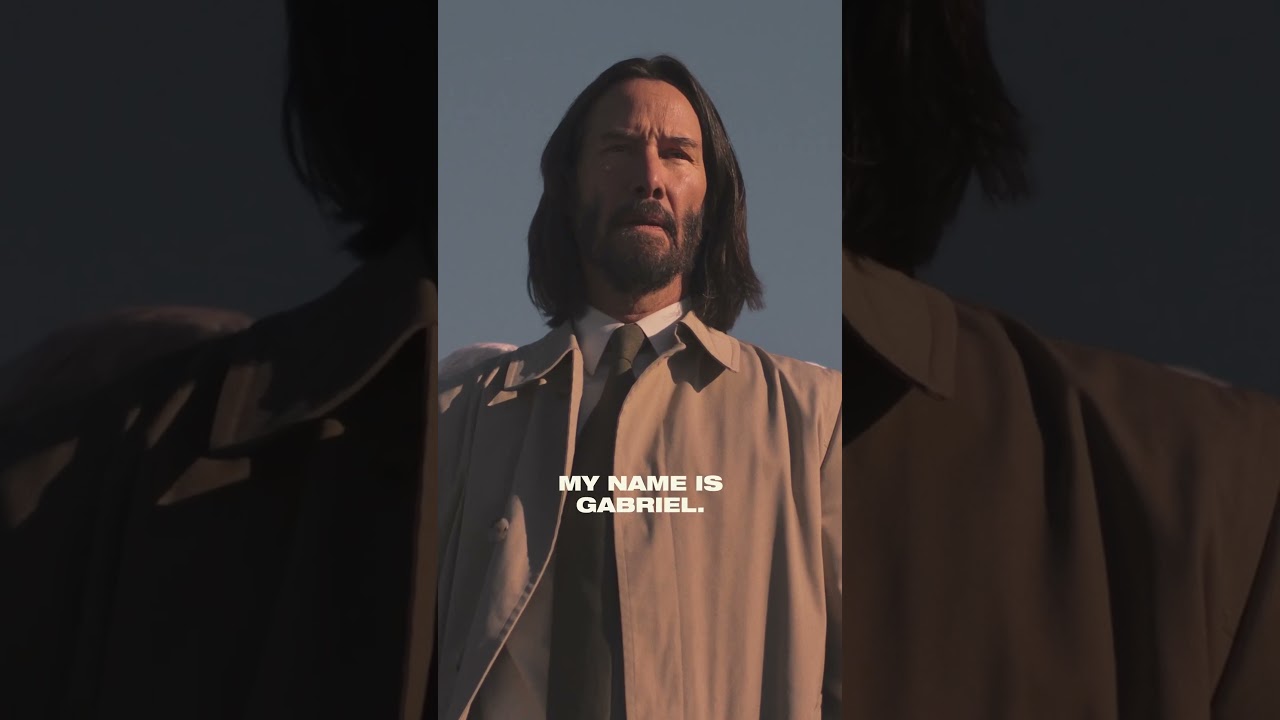
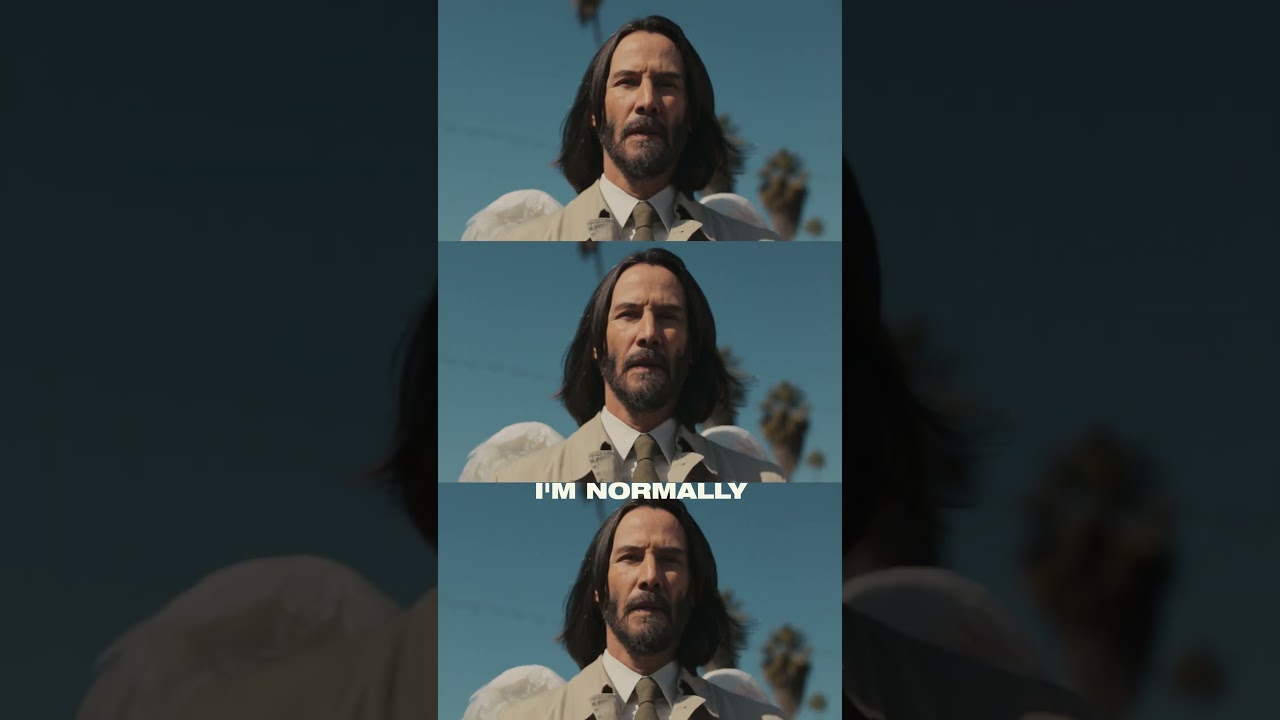
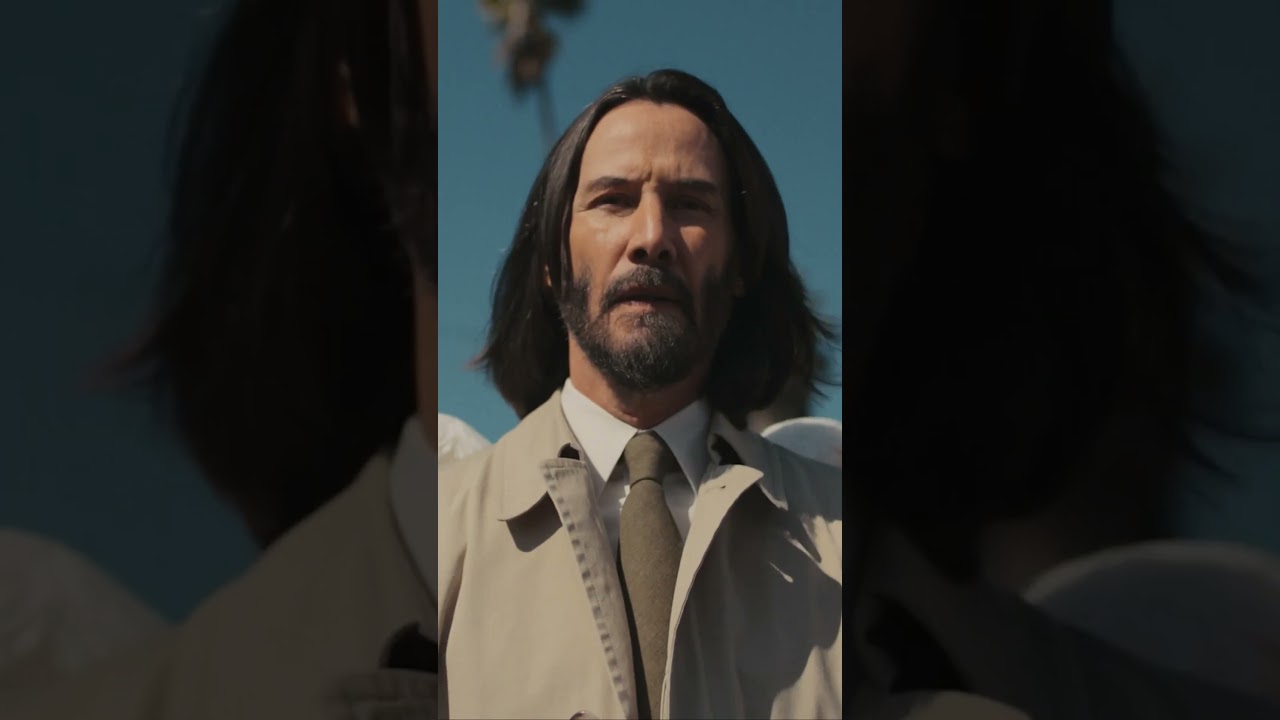
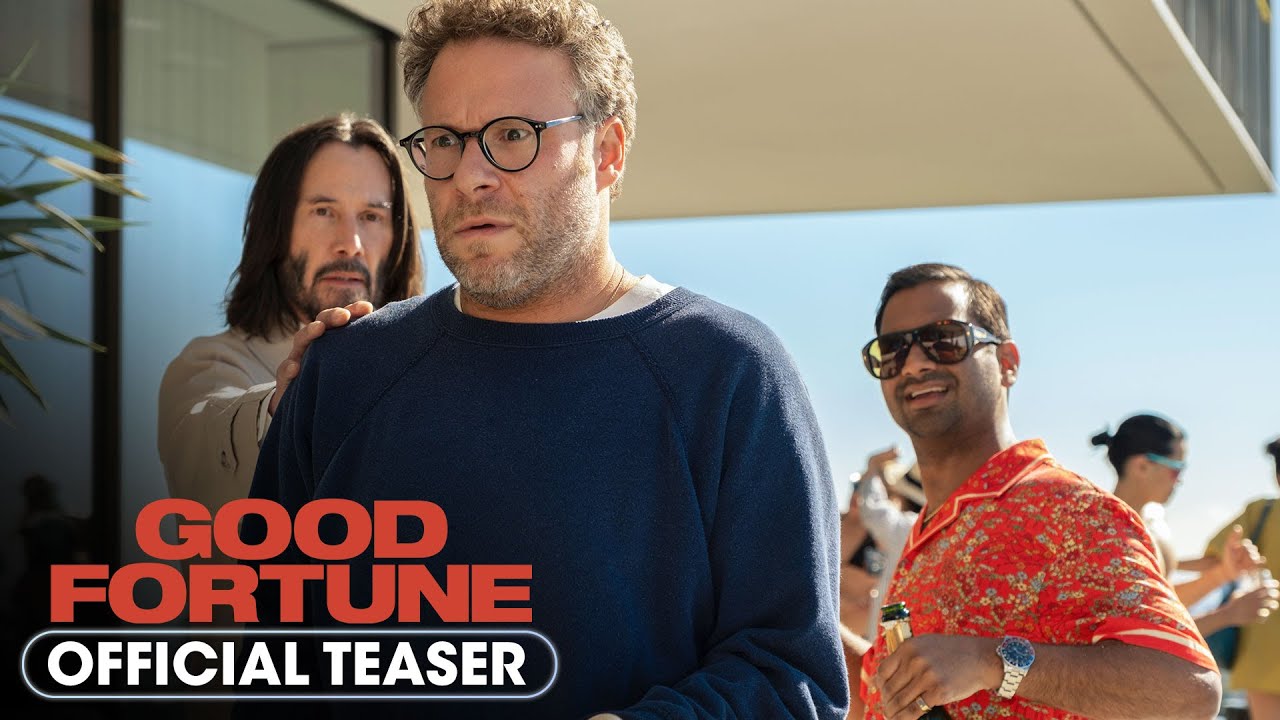
The premise itself is deceptively simple. Keanu Reeves plays Gabriel, a somewhat bumbling angel tasked with improving the lives of two men who couldn’t be more different: a gig worker struggling to make ends meet (played by Ansari himself) and a venture capitalist (Seth Rogen) drowning in the moral emptiness of wealth accumulation. Rather than the typical guardian angel narrative where wisdom flows downward, Gabriel’s interventions are hilariously incompetent—he’s well-meaning but genuinely bad at his job. This reversal of the divine wisdom trope is where the film finds its comedic and thematic sweet spot.
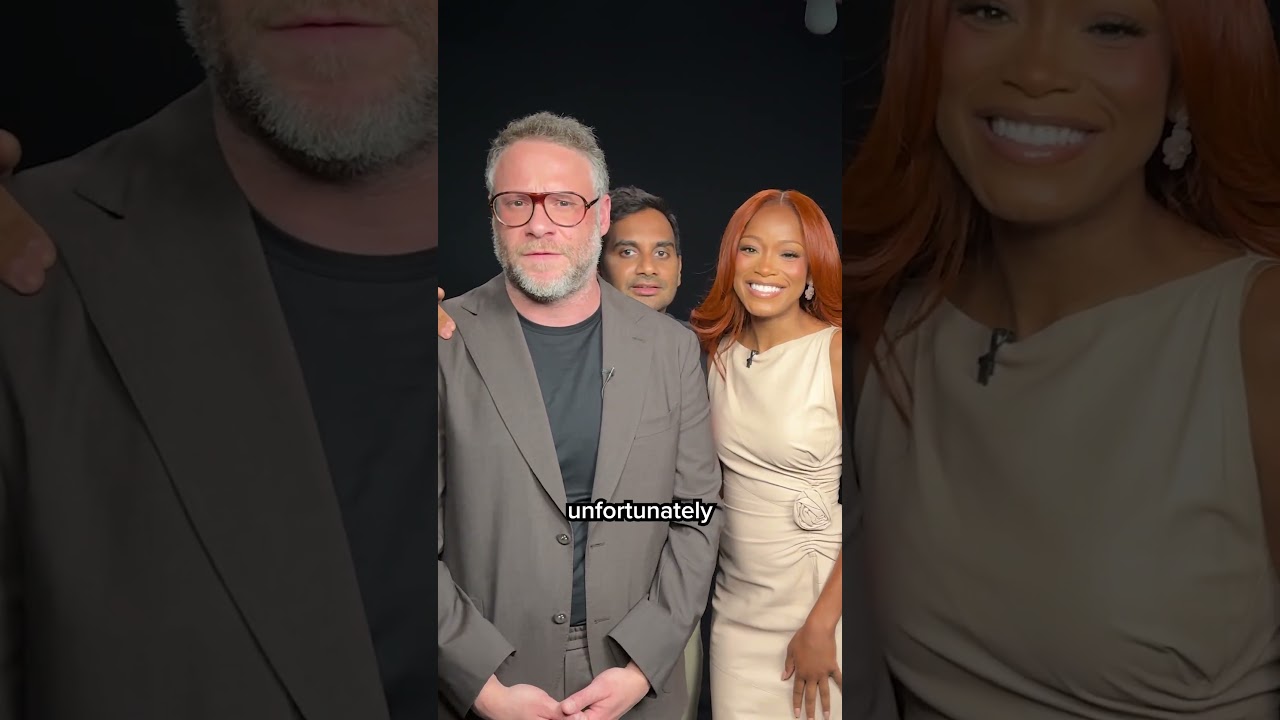
What makes this collaboration work is the chemistry between three comedians operating on completely different wavelengths:
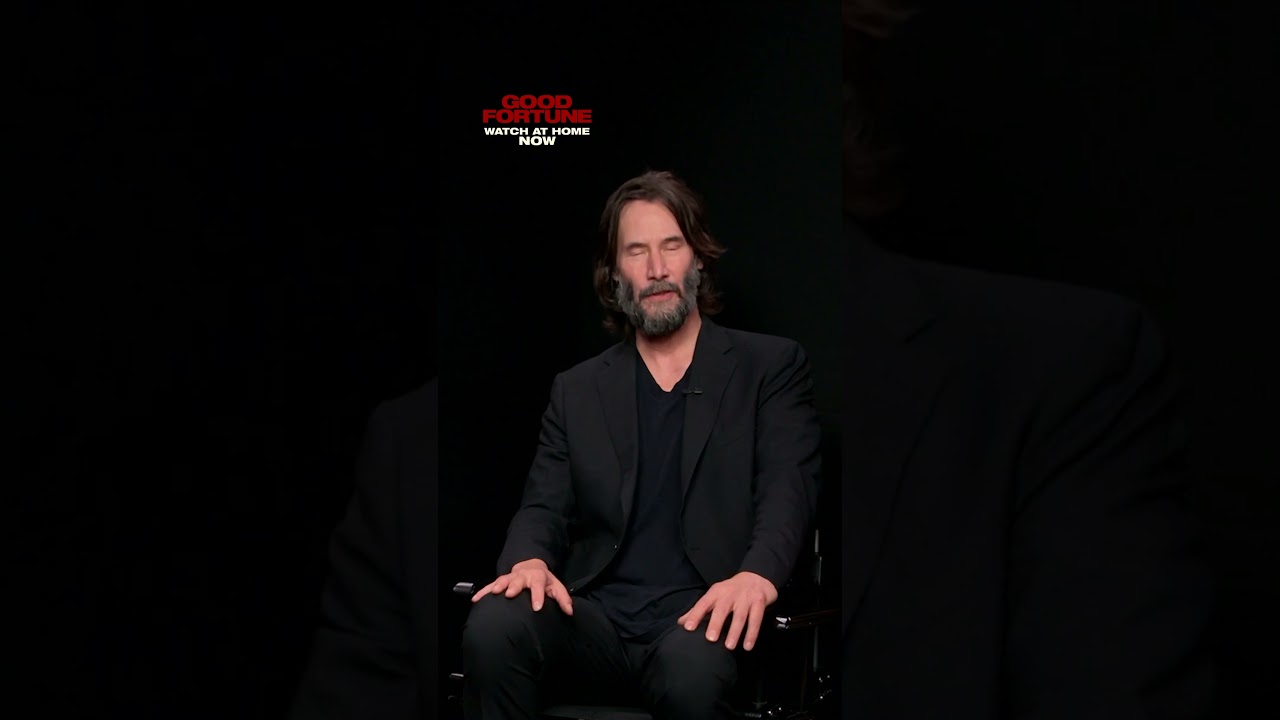
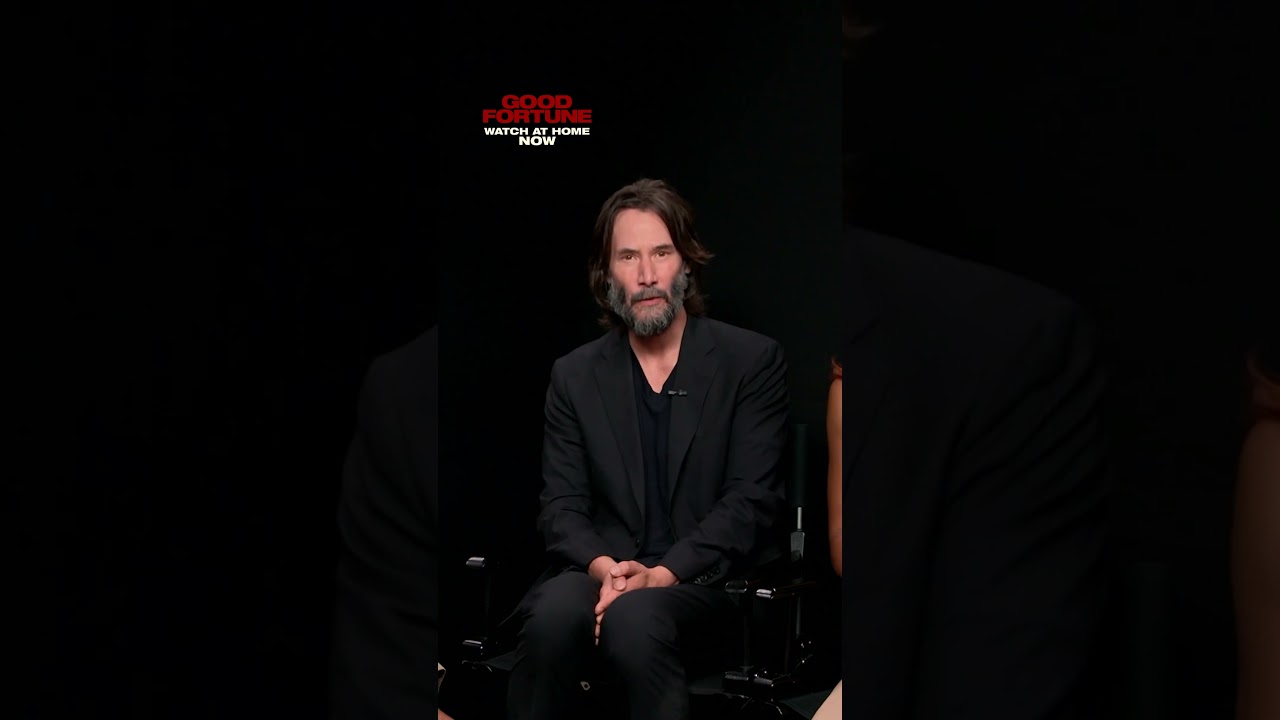
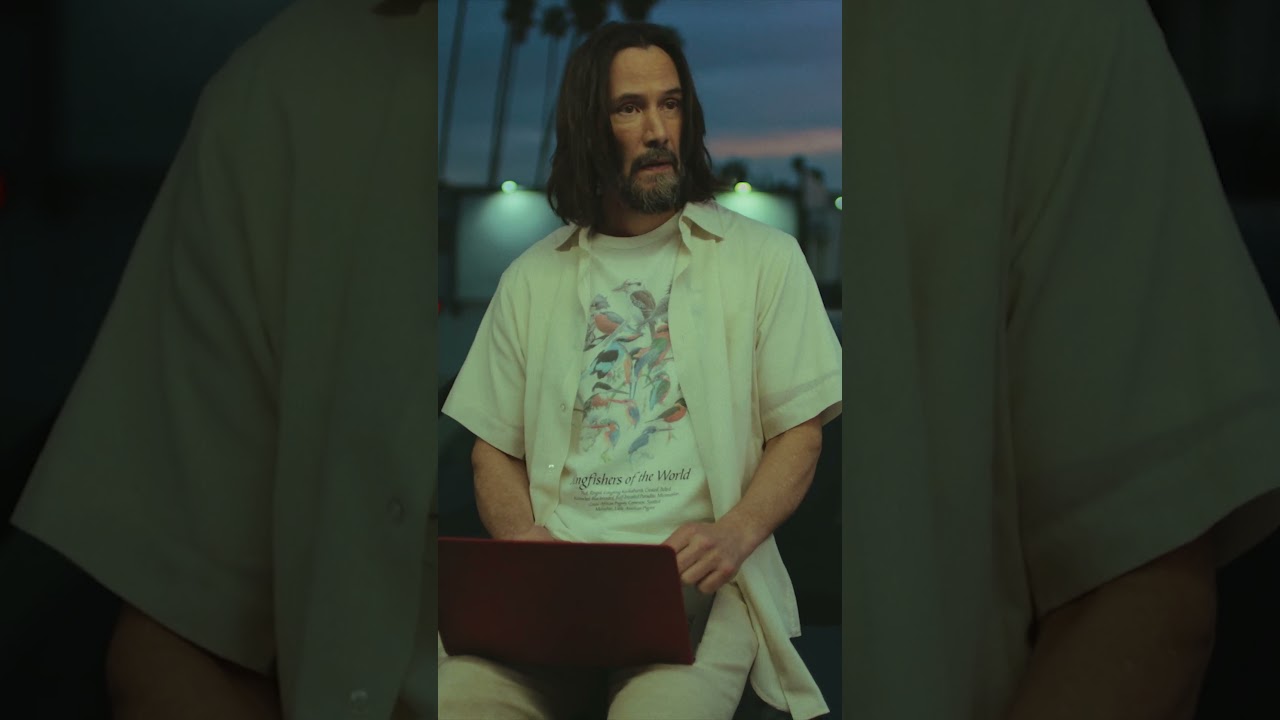
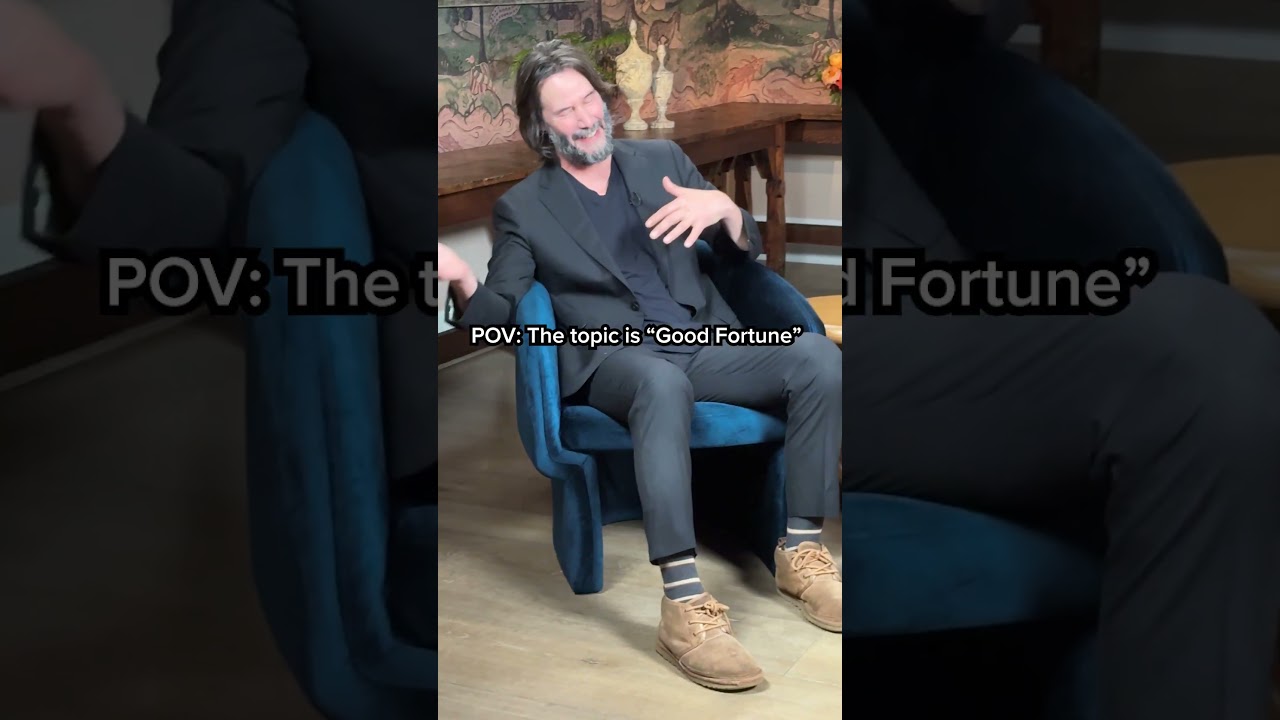
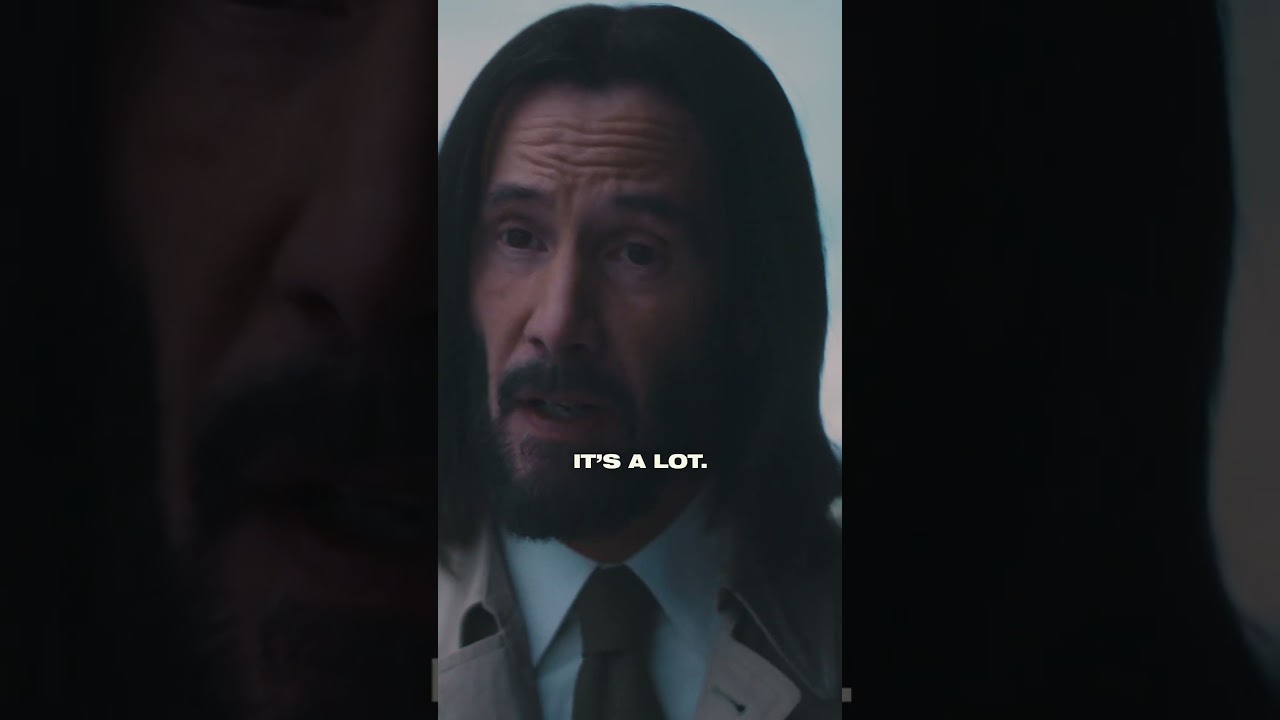
Keanu Reeves, traditionally associated with cool detachment and action heroics, here leans into befuddled sincerity. His Gabriel isn’t trying to be funny—he’s trying to help, and that earnestness is what generates the humor. There’s something genuinely touching about watching Reeves in a role that requires vulnerability rather than invincibility.
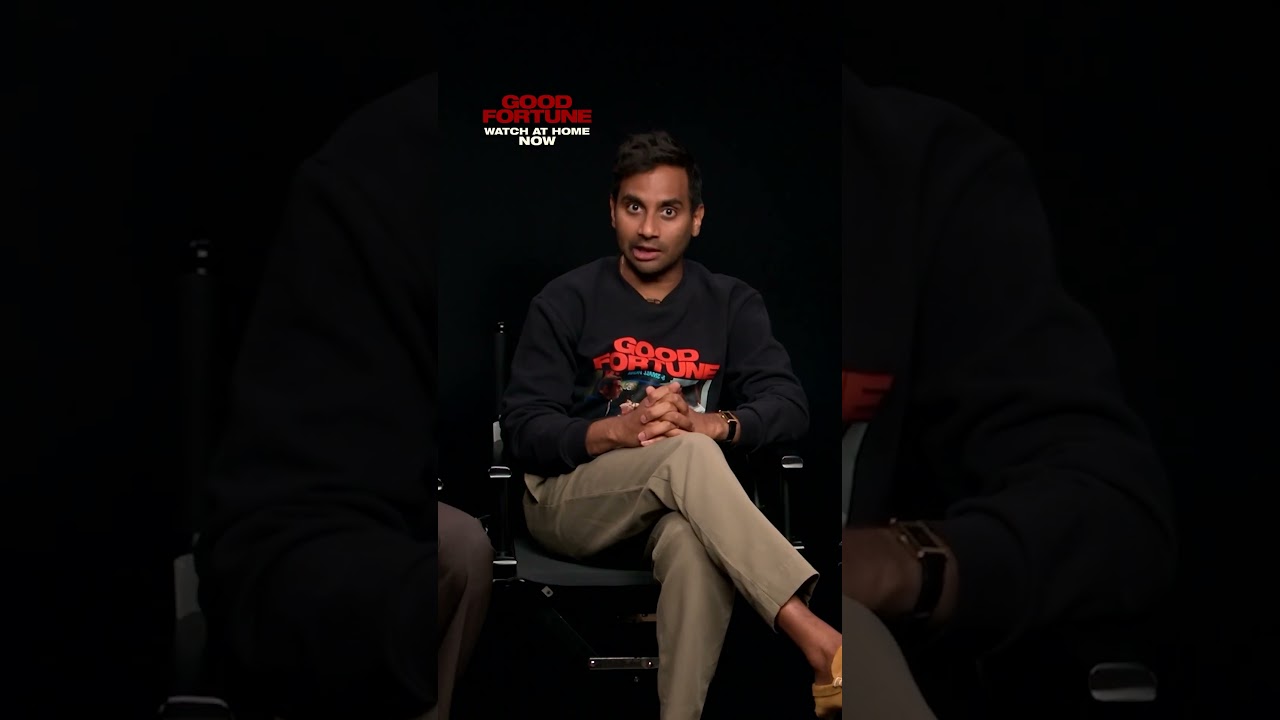
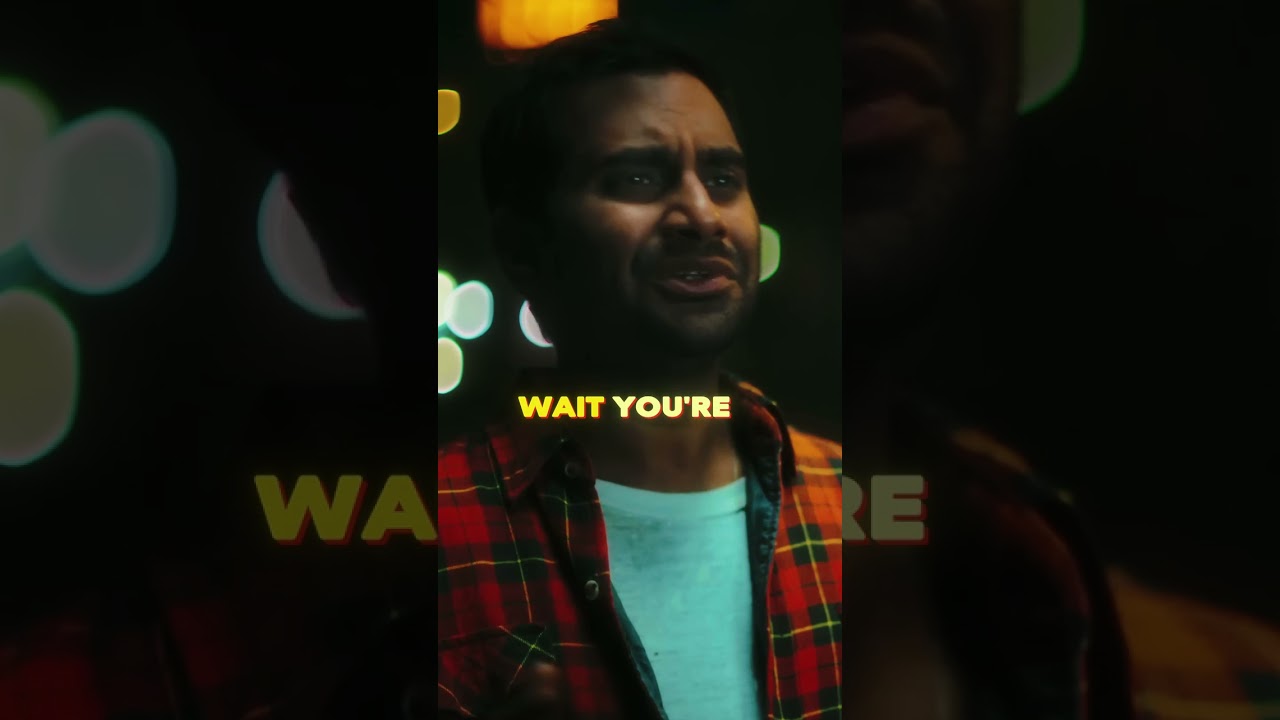
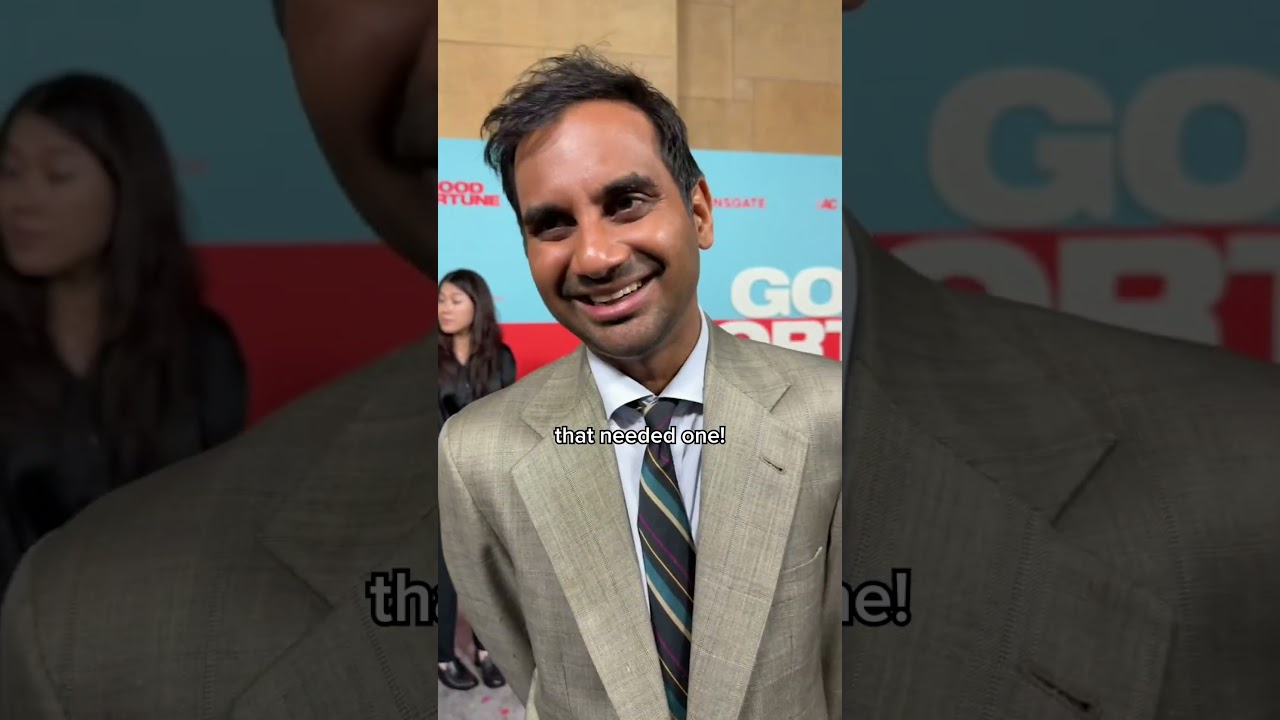
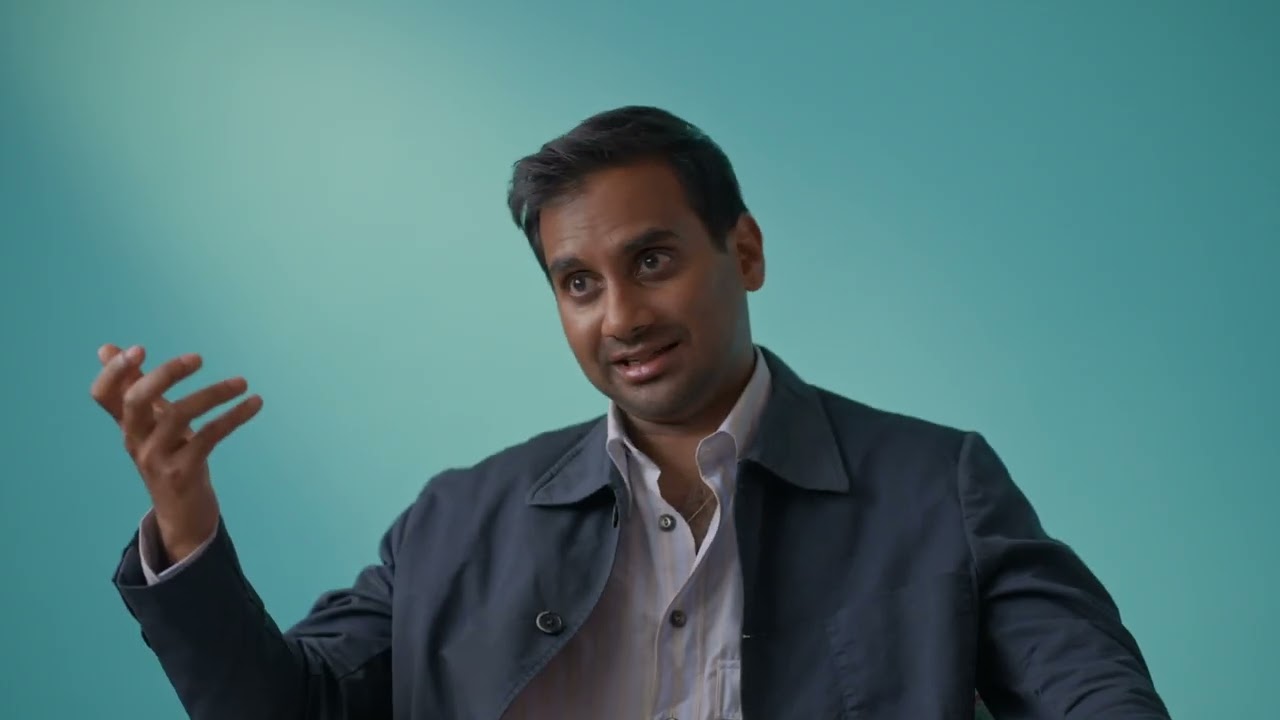
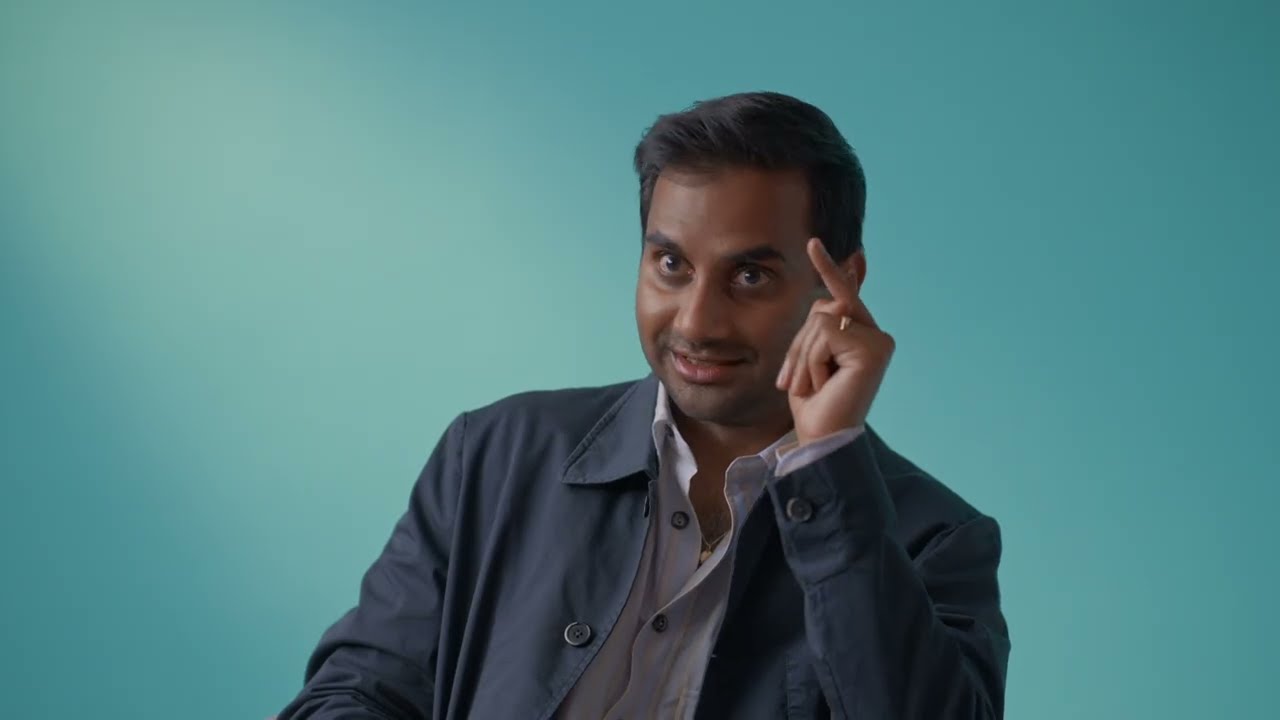
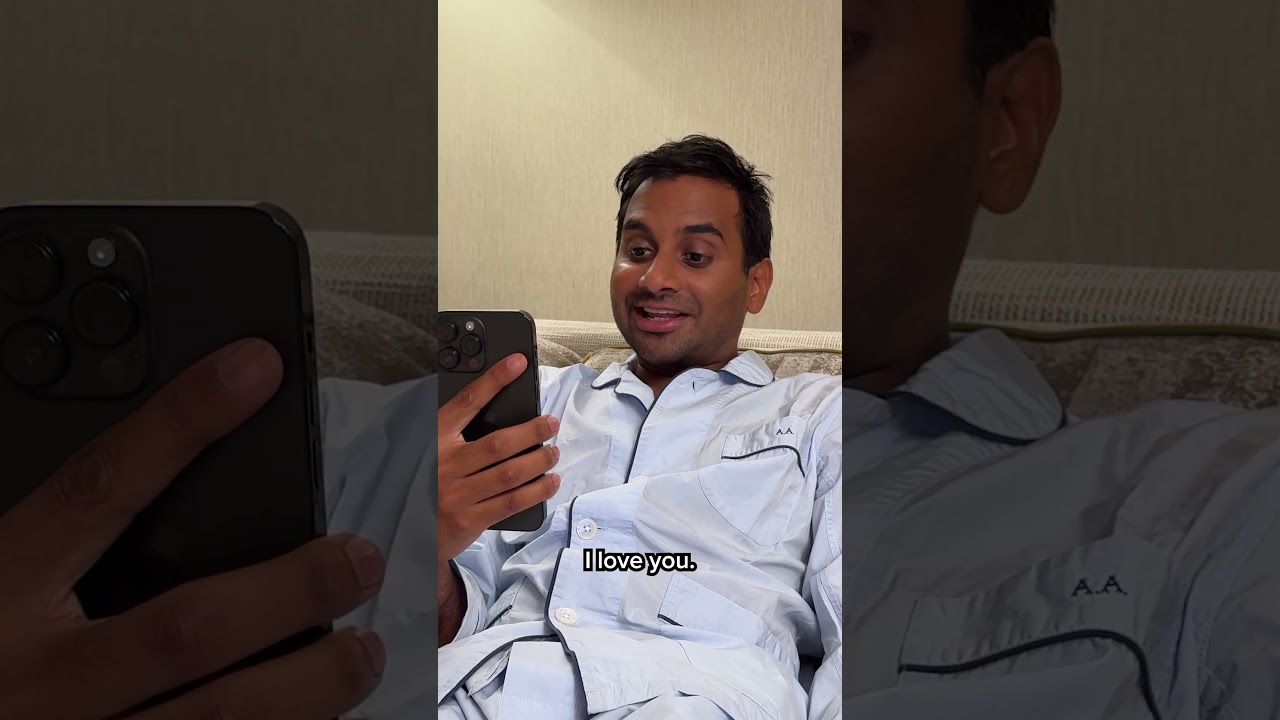
Aziz Ansari, directing and starring simultaneously, demonstrates a maturity in his comedic sensibility. He’s never been afraid of examining his own neuroses, and his character here—desperate but clever, trying to game a system designed to exclude him—feels lived-in rather than performed.
Seth Rogen plays against type as someone whose money has become a prison. Rather than playing the villain, he’s playing someone genuinely trapped by the consequences of his own success, which adds unexpected weight to what could have been a one-dimensional character.
The film’s lean runtime of 1 hour and 37 minutes is actually crucial to understanding why it works. In an era where comedies have bloated to nearly two and a half hours, Good Fortune respects audience attention spans while maintaining genuine character development. There’s no padding, no extended riffs that go nowhere. Every scene pushes either the plot or the emotional stakes forward.
> “Need a miracle?” the tagline asks, and that question haunts the entire film. But Good Fortune smartly refuses easy answers. The miracle isn’t a sudden windfall or a divine decree—it’s something messier and more human: the recognition that luck is real, systems are unfair, and sometimes the only miracle available is learning to live with those truths while still trying.
What’s remarkable about Good Fortune in the broader context of 2025 cinema is how it tackled class anxiety without becoming preachy or losing its comedic spine. The film arrived when wealth inequality had become so normalized in comedy that either satirizing it felt toothless or addressing it felt heavy-handed. Ansari found a middle path—the absurdity of Gabriel’s interventions allows the film to examine real economic problems through a fantastical lens. It’s not Parasite, but it wasn’t trying to be. It’s a comedy with something to say, which is rarer than it should be.
The critical reception, while not universal acclaim, suggested something important: audiences recognized that the film was attempting something genuine. It wasn’t a cynical cash grab or a franchise vehicle. It was a specific vision from a filmmaker willing to appear vulnerable in his own work. Studios noticed, even if international audiences didn’t show up in overwhelming numbers.
Culturally, Good Fortune may ultimately be remembered less for what it achieved at the box office and more for what it represented—a moment when an established comedian used his platform to explore themes that mattered to him, working with world-class talent to create something that felt personal despite its fantasy premise. In the landscape of franchise sequels and IP-driven content, that’s its own kind of miracle.
The legacy of Good Fortune isn’t about numbers or awards (of which there were few). It’s about a 97-minute conversation about luck, kindness, and whether we’re all just doing the best we can in a system designed to defeat us—and finding that conversation funny enough to sit through, genuine enough to remember, and human enough to matter.