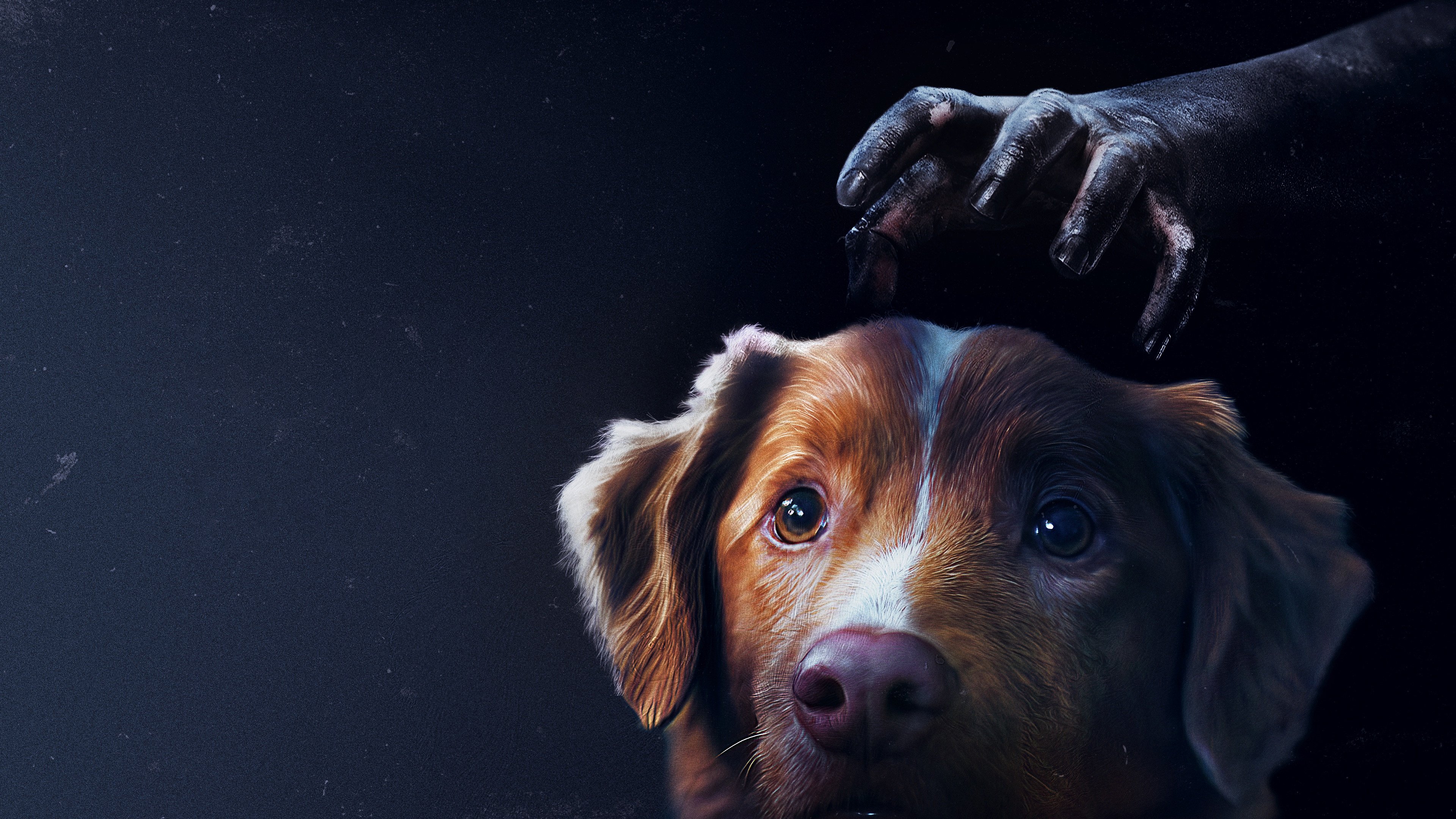
Sometimes the most unlikely films become the most memorable ones. Good Boy, which premiered in October 2025, is a perfect example of how a modest $70,000 budget, a determined director, and genuine creative vision can produce something that resonates far beyond industry expectations. What started as a scrappy indie horror project became a cultural phenomenon—grossing nearly $8.8 million at the box office and sparking conversations about storytelling, animal performance, and what horror can achieve when it takes unconventional risks.
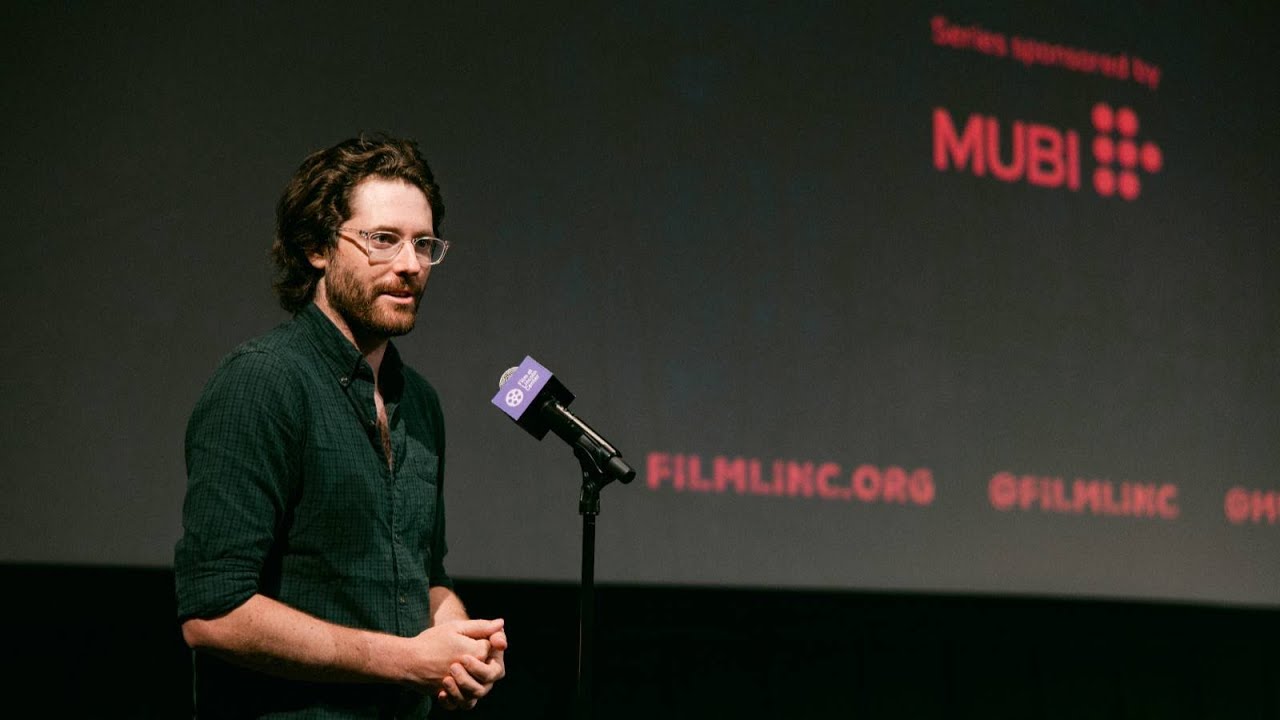
Director Ben Leonberg’s vision for Good Boy was deceptively simple on the surface: a supernatural thriller centered on a dog as the primary narrative focus. But simplicity, when executed with care, often reveals deeper truths. The film’s tagline—”Trust his instincts”—hints at something more philosophical than a typical creature feature. Rather than relying on jump scares or elaborate set pieces, Leonberg crafted something more intimate and unsettling, a meditation on trust, instinct, and the uncanny nature of human-animal relationships. At just 73 minutes, the film respects the audience’s time while delivering maximum impact, proving that horror doesn’t need bloated runtimes to burrow under your skin.
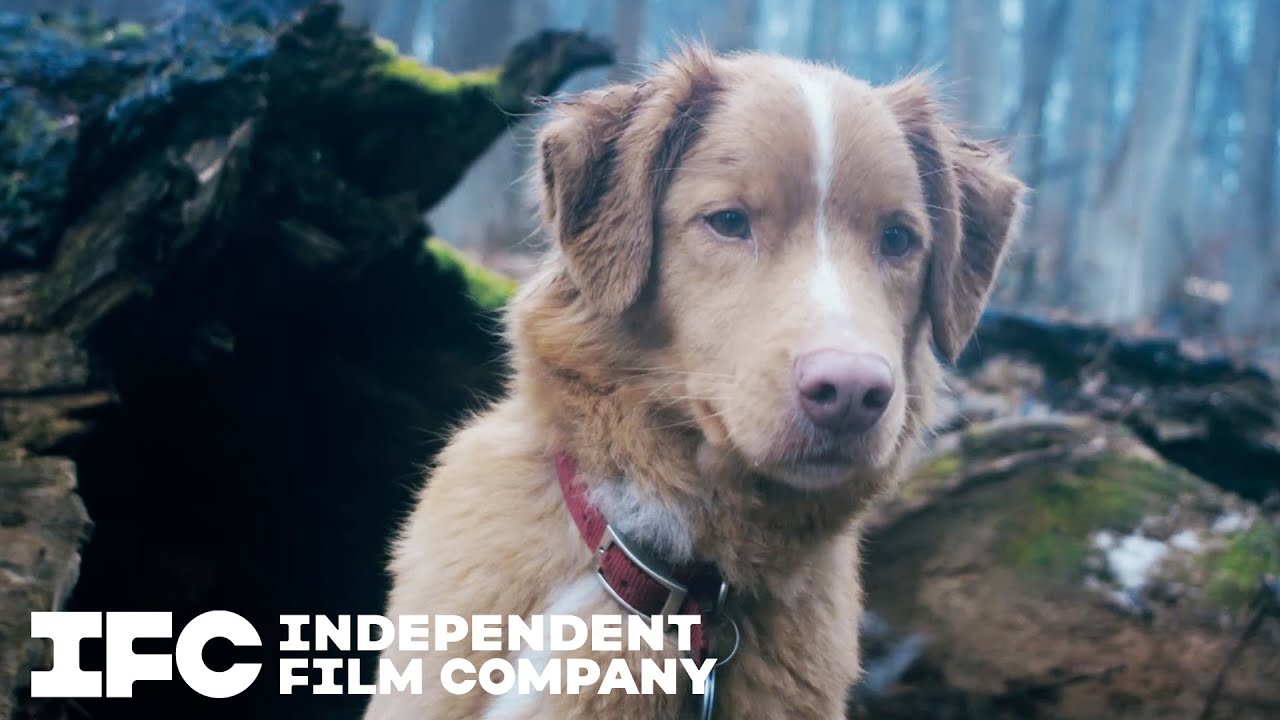
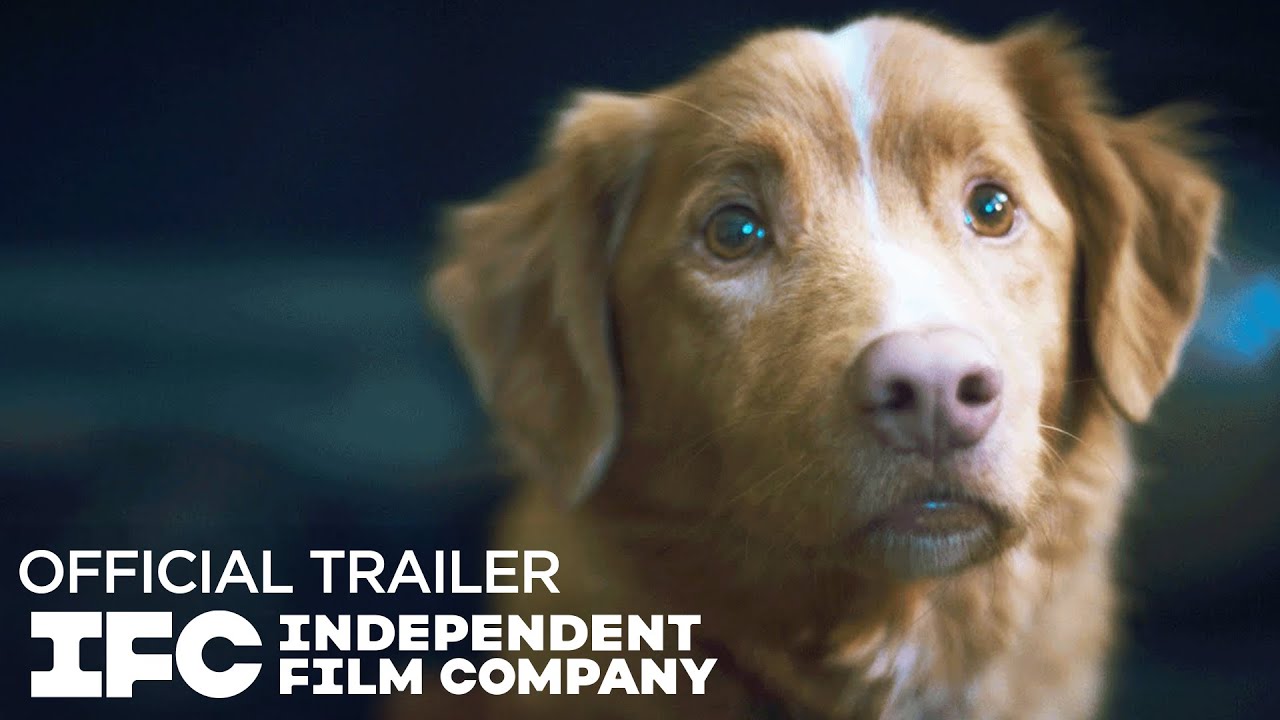
What truly set Good Boy apart was its cast and their commitment to the material. Indy the Dog delivered what can only be described as a career-defining performance—one that transcended typical animal acting to create genuine presence and emotional weight. This wasn’t a dog simply following commands for treats; there was something almost theatrical about Indy’s interpretation of the character. The supporting cast, featuring Shane Jensen and veteran actor Larry Fessenden, provided the human anchor needed to ground the film’s stranger elements. Fessenden, in particular, brought his characteristic intensity to the project, lending credibility and gravitas to every scene.
> The film’s financial trajectory tells a remarkable story: a $70,000 investment that returned over 125 times its budget. For indie horror, this wasn’t just success—it was a validation.
What made the box office performance truly significant was the timing and trajectory:
- Opened with $2.25 million, marking IFC’s second-best debut ever
- Reached $5 million by its second weekend, defying expectations for a micro-budget film
- Sustained momentum through October and beyond, eventually reaching $8.78 million
- Became a genuine word-of-mouth phenomenon in an era of franchise saturation
The film’s reception—hovering at 6.8/10 across 477 votes—tells an interesting story about divisiveness. This wasn’t a universally beloved crowd-pleaser, and that’s actually part of what makes Good Boy culturally significant. It found its audience passionately while polarizing others, the hallmark of genuinely challenging work. Some viewers found it genuinely terrifying; others appreciated its unconventional approach to horror. That kind of specific, dedicated following is worth far more in retrospective analysis than a middling 7.5 across millions of votes.
The critical and cultural recognition that followed confirmed what audiences already sensed. Indy the Dog went on to win Best Performance in a Horror or Thriller at the 2026 Astra Film Awards, an honor that sparked broader conversations about how we evaluate and celebrate performance in cinema. More unexpectedly, the film earned recognition from PETA for its ethical treatment of animals on set—remarkable given the film’s horror genre conventions. This dual recognition suggested that Leonberg and his team had achieved something rare: a film that was genuinely artful and ethically responsible.
What Leonberg accomplished creatively speaks to several enduring filmmaking principles:
- Constraint breeds creativity — The minimal budget forced innovative storytelling and shooting approaches that ultimately strengthened the final product
- Unconventional casting makes audiences uncomfortable in productive ways — Centering a dog’s perspective destabilized viewer expectations
- Genre subversion requires faith in the audience — The film trusted viewers to accept premises others might dismiss
- Collaboration elevates work — The chemistry between director, animal performer, and supporting cast created authentic moments
In the broader landscape of 2025 horror cinema, Good Boy arrived at a moment when the genre desperately needed fresh perspectives. Elevated horror had become something of a critical darling, yet much of it followed predictable beats. Meanwhile, creature features and animal-centered narratives remained largely ghettoized. By treating a dog-centered supernatural thriller with the seriousness and craft of prestige cinema, Leonberg didn’t just make a good film—he implicitly argued that the genre’s boundaries were self-imposed.
The film’s 73-minute runtime deserves particular mention. In an era when even indie films stretched toward two hours, Leonberg’s discipline felt almost radical. Every scene earned its place; nothing overstayed its welcome. This economy of storytelling influenced subsequent indie horror projects, demonstrating that impact and emotional resonance have nothing to do with runtime.
What Good Boy ultimately represents is a blueprint for sustainable indie filmmaking. It proved that you don’t need massive budgets, established stars, or franchise IP to create something audiences genuinely want to see. You need a clear vision, committed collaborators who believe in that vision, and the willingness to approach familiar genres from genuinely novel angles. In a landscape increasingly dominated by sequels and intellectual property extraction, that message—whispered by a dog in a supernatural thriller—might be the most important one cinema can offer.