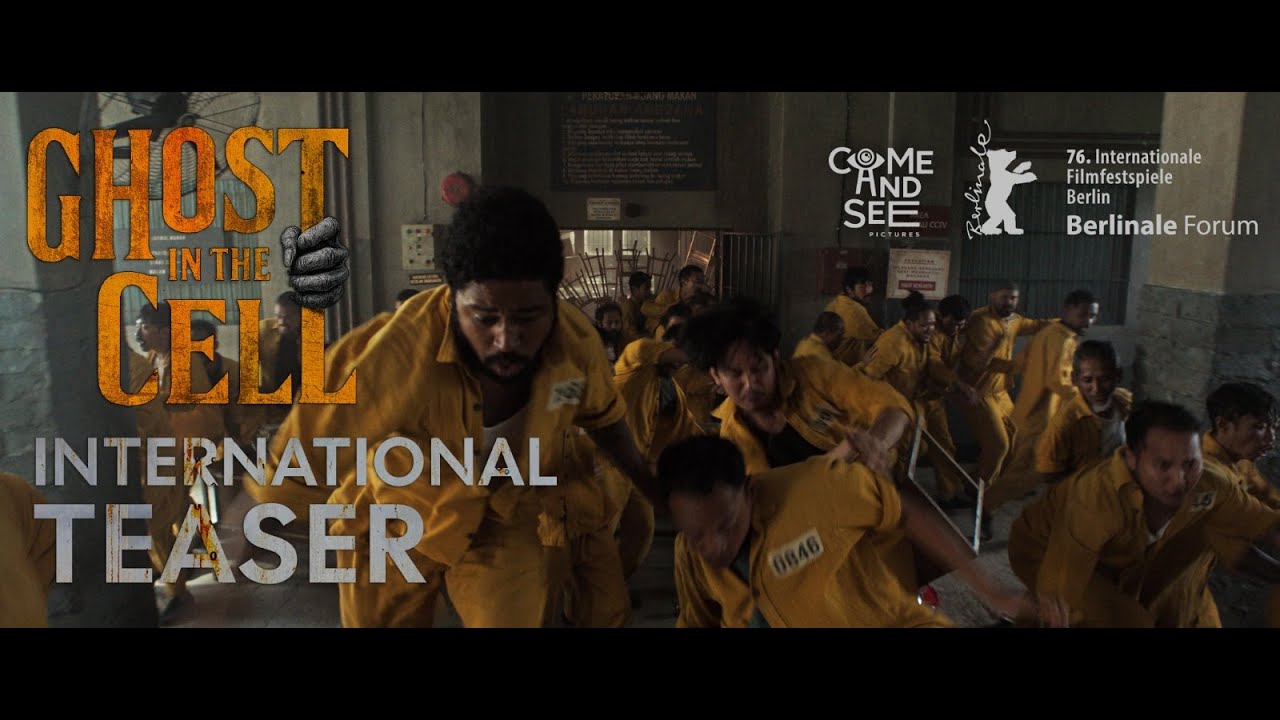
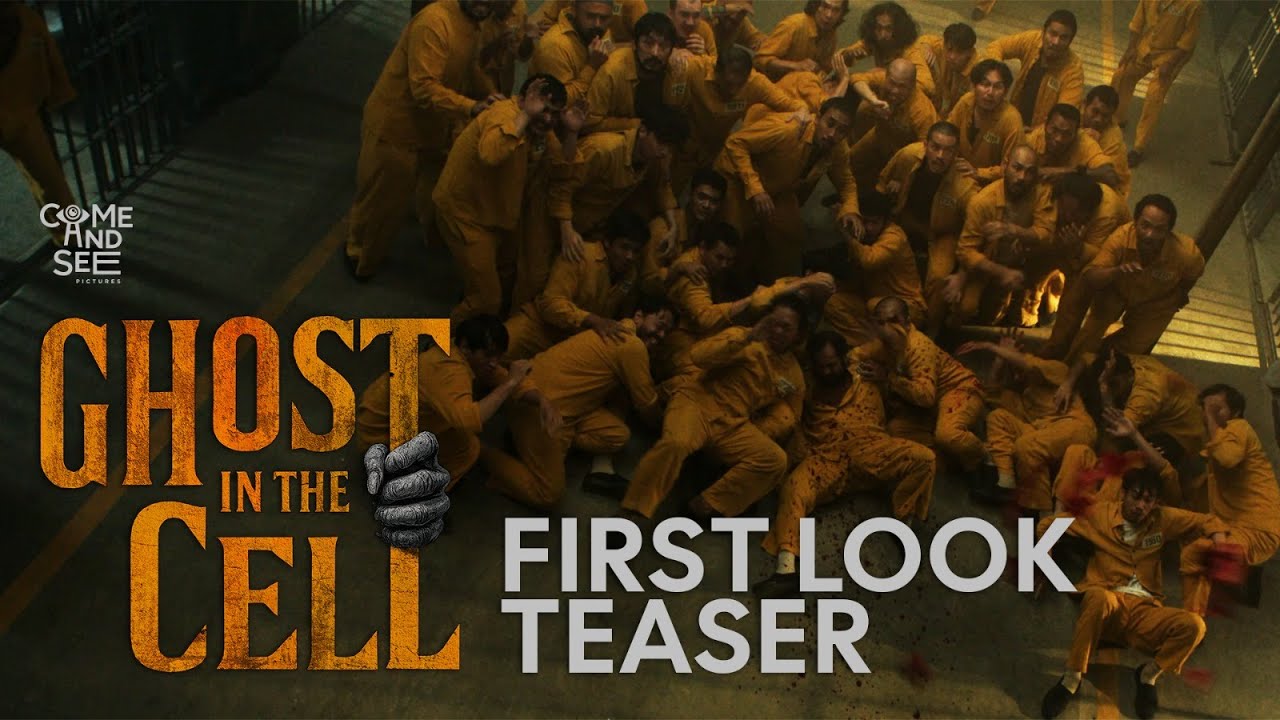
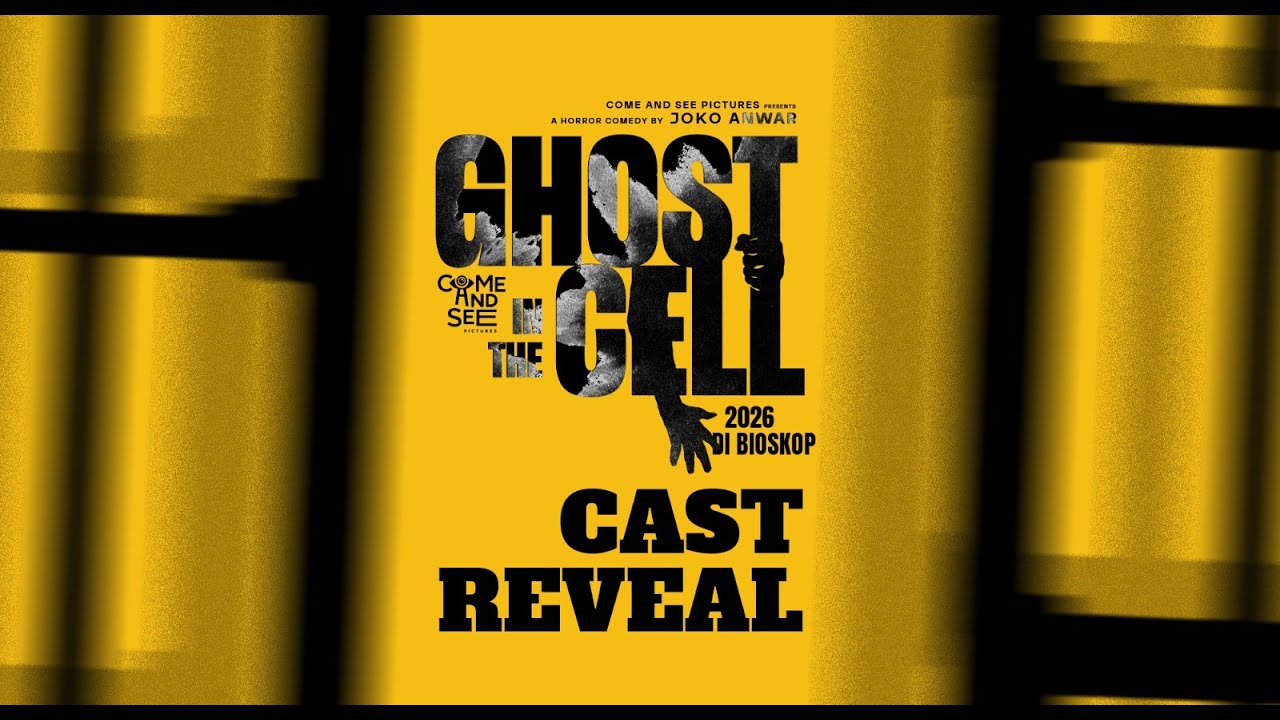
There’s something quietly thrilling about tracking a film before it even hits theaters, especially when it comes from a filmmaker as consistently inventive as Joko Anwar. Ghost in the Cell is set to release on February 5, 2026, and while it hasn’t officially premiered yet, the international teaser has already started generating the kind of buzz that suggests this isn’t just another horror entry—it’s shaping up to be something deliberately, unapologetically weird in the best possible way. For those keeping score at home, this is a horror-comedy from the director who’s already proven he understands how to blend dread with dark humor in films like Satan’s Slaves and Impetigore. The fact that it’s scheduled to world premiere at Berlinale 2026 before its theatrical release tells you everything you need to know about the international confidence in this project.
What makes Ghost in the Cell particularly fascinating right now, in this pre-release moment, is how it represents something larger about contemporary Indonesian cinema on the global stage. Anwar isn’t making this film in isolation—he’s working with a cast that includes Abimana Aryasatya, Bront Palarae, and Dimas Danang, three actors with strong track records in their own right. This isn’t just assembly; it’s curation. The collaborative force behind this project spans Come and See Pictures, Rapi Films, Barunson E&A, and Legacy Pictures, which is itself a statement about how Indonesian productions are now attracting international production partnerships. The tagline “#MauKaburKemana”—roughly translating to “where do you want to escape?”—hints at a thematic preoccupation that goes beyond jump scares and gore. There’s a philosophical undercurrent here, even before we’ve seen the full film.
The real intrigue lies in understanding what Joko Anwar is attempting to do within the horror-comedy framework—this isn’t simply about mixing scares with laughs, but about weaponizing comedy as a way to explore something genuinely unsettling.
Why this film matters, really, comes down to Joko Anwar’s track record with genre fusion. He’s built a reputation on understanding that horror and comedy operate from similar psychological spaces. Both rely on timing, both leverage audience expectations, and both can reveal uncomfortable truths about society. With Ghost in the Cell, he’s apparently doubling down on this formula, but with a supernatural angle that the teaser suggests will complicate our relationship to the genre entirely. The fact that the IMDb rating currently sits at 0.0/10 with zero votes is actually telling—we’re in pure anticipation territory, untainted by the verdict of the masses. This is genuinely uncharted territory for audiences outside film festival circuits.
The cast assembled here deserves particular attention, because casting can make or break a horror-comedy’s delicate balance:
- Abimana Aryasatya brings credibility and emotional depth to serious material, but also understands comedic timing
- Bront Palarae has proven himself capable of inhabiting morally complex characters who could ground supernatural narratives
- Dimas Danang rounds out a trio that suggests character-driven storytelling rather than star-power casting
This isn’t a film banking on name recognition alone; it’s banking on ensemble chemistry and the actors’ collective ability to navigate tonal shifts.
The Berlin premiere is genuinely significant here. Berlinale’s Forum section—where Ghost in the Cell is set to world premiere—has become increasingly known for programming films that challenge generic boundaries and international sensibilities. Thirty-one of the thirty-two Forum titles are world premieres, which means this festival is essentially the global unveiling point. The fact that a film carrying as much local cultural specificity as Ghost in the Cell apparently does (that tagline, those production partnerships) is being positioned for this kind of international exposure speaks volumes about its perceived universal appeal.
What’s particularly intriguing is that Joko Anwar doesn’t make films for one market. His horror work has always functioned on multiple levels—there’s the visceral, immediate level of genre thrills, and then there’s the social commentary underneath, the way his films examine Indonesian society, trauma, and the uncanny that lurks in supposedly ordinary spaces. Ghost in the Cell appears to be continuing that approach, just with what the teaser suggests might be even more stylistic ambition. The supernatural element opens up new visual and thematic possibilities that his previous work, as sharp as it’s been, hasn’t quite explored in this exact register.
- International production partnerships suggest confidence in global distribution and appeal
- Berlin premiere timing positions this as a legitimate contender in early-2026 film discourse
- Cast selection emphasizes character work over spectacle
- Anwar’s directorial history indicates sophisticated tonal control
- The horror-comedy framework remains underexplored territory in Indonesian cinema
The scheduling is also worth noting. By releasing on February 5, 2026, just before the Berlinale premiere, Ghost in the Cell will presumably enter that window where festival buzz and theatrical momentum can overlap. In an increasingly fragmented distribution landscape, that kind of strategic positioning matters. It suggests producers who understand how to build narrative around a film’s release, not just drop it into an oversaturated marketplace.
What will ultimately matter about Ghost in the Cell—and why it’s worth paying attention to now—is whether Joko Anwar can articulate something through horror and comedy that serious drama alone couldn’t touch. That’s been his gift as a filmmaker: the understanding that genre isn’t a limitation but a transmission vehicle for ideas. The supernatural elements, the ensemble cast, the international premiere—these are all secondary to that core question. Is there something about the human condition, about contemporary anxiety or trauma or desire, that this specific story can illuminate through the particular alchemy of horror and laughter?
We won’t know the answer until the film reaches us. But based on everything currently in circulation—the teaser, the production pedigree, the festival selection, the creative team involved—there’s every reason to believe February 5, 2026 will deliver something worth the wait.