When Paul Urkijo Alijo’s Gaua (The Night) premiered in November 2025, it arrived as something quietly defiant—a 96-minute journey into 17th-century Basque Country that refuses to be easily categorized. This isn’t a film that shouts for attention or bends itself toward commercial formulas. Instead, it whispers its way under your skin, blending drama, horror, and fantasy into something that feels both intimately personal and universally haunting.
What makes Gaua compelling isn’t necessarily reflected in its modest 7.2/10 rating from early audiences—those two votes tell you something important about this film’s relationship with mainstream recognition. This is work that exists in the margins, created by filmmakers who seem more interested in artistic truth than box office returns. The fact that budget and revenue figures remain unknown speaks volumes about how Gaua operates outside the attention economy. It’s the kind of film that builds its legacy through word-of-mouth, festival circuits, and the kind of passionate cinephiles who actually seek out Basque-language cinema from respected directors.
For context, this marks Alijo’s third feature, and there’s a maturity here that comes from a director who has earned the trust of major institutions. The collaboration between Irusoin, Ikusgarri Films, EiTB, and TVE—significant cultural bodies in Spain and the Basque region—suggests this was treated as serious cinema, not a commercial venture. That support structure matters because it freed Alijo to make something genuinely strange and uncompromising.
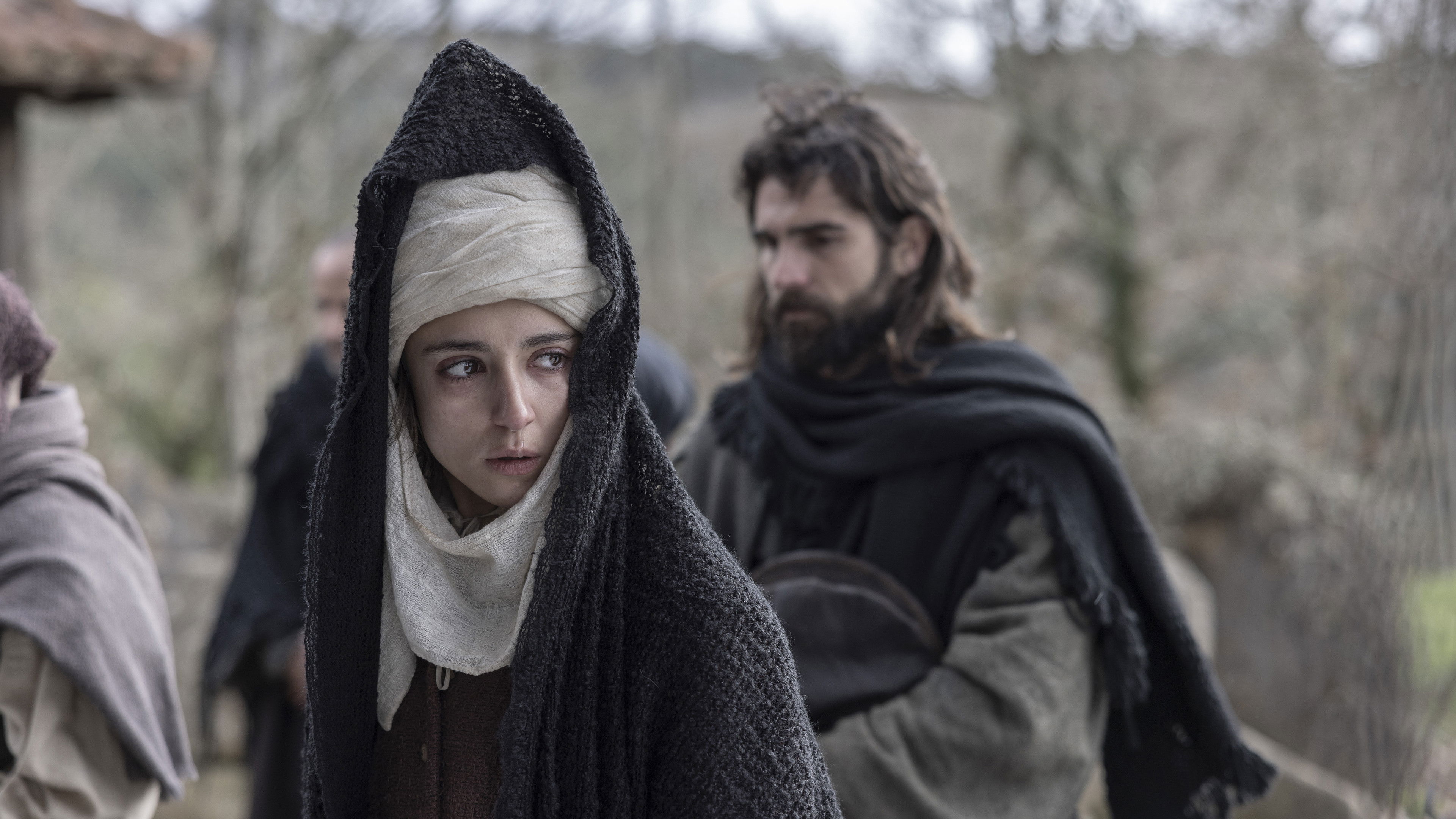
The narrative itself is deceptively simple: a woman named Kattalin escapes her farmhouse at night and wanders through deep forests. But “simple” is where the film’s genius lies. What unfolds is:
- An exploration of feminine resilience and rebellion in a period setting
- A meditation on the unknown terrors of nature and society
- A blurring of genre boundaries that keeps viewers perpetually uncertain about what they’re witnessing
- A visual and sonic journey through darkness that becomes almost metaphysical
The casting of Yune Nogueiras, Ane Gabarain, and Elena Irureta creates an ensemble that feels authentically rooted in Basque culture and landscape. These aren’t performances designed to seduce; they’re grounded and textured, the kind of work that feels like witnessing rather than watching.
> Gaua operates in that rare space where regional cinema becomes universal cinema—not through dilution or accessibility, but through the sheer specificity of its vision.
Runtime matters here too. At 1 hour and 36 minutes, Alijo respects your time while maintaining an almost hypnotic pace. There’s no fat to trim, no scene that feels extraneous. Every moment of darkness, every exchange between characters, every forest shadow serves the film’s larger meditation on fear, freedom, and what happens when you step beyond the boundaries society has drawn for you.
What’s remarkable about Gaua is how it positions itself within contemporary European cinema. We’re seeing a resurgence of regional filmmaking that refuses to apologize for its specificity—films rooted in particular languages, landscapes, and cultural moments. Alijo’s film joins a growing movement that asks: why should cinema always be translated, always be for the widest possible audience? Why can’t we make films for the people whose stories we’re telling?
The horror elements in Gaua aren’t jumps or gore—they’re existential. They emerge from:
- The vulnerability of a lone woman in an indifferent landscape
- The threat of discovery and recapture
- The psychological weight of transgression
- The unknown itself, rendered as a tangible presence
This approach to horror feels increasingly relevant in contemporary cinema, where psychological and atmospheric terror often resonates more deeply than conventional scares. Alijo understands that the most frightening thing isn’t what you see, but what you can’t quite understand about what you’re seeing.
The film’s cultural impact may not yet be fully visible—it’s still too recent, still finding its audience. But Gaua represents something important about Spanish and Basque cinema: a commitment to storytelling that centers marginalized perspectives and refuses generic conventions. In a landscape dominated by either big-budget spectacles or prestige dramas made for international festival circuits, films like this remind us that cinema’s greatest power lies in specificity and honesty.
Early critical reception, while limited in scope, suggests audiences who encounter Gaua tend to find it memorable rather than immediately likeable. That distinction matters. Memorable films persist; immediately likeable ones fade. This is cinema designed to haunt you, to linger in your mind weeks after viewing, to send you back to it with new questions.
For anyone interested in where contemporary European cinema is heading—beyond the familiar names and established festivals—Gaua (The Night) deserves attention. It’s proof that the most vital filmmaking often happens in the margins, in languages that don’t translate easily, in stories centered on people cinema has historically ignored. Paul Urkijo Alijo has created something that matters precisely because it refuses to matter in conventional ways.