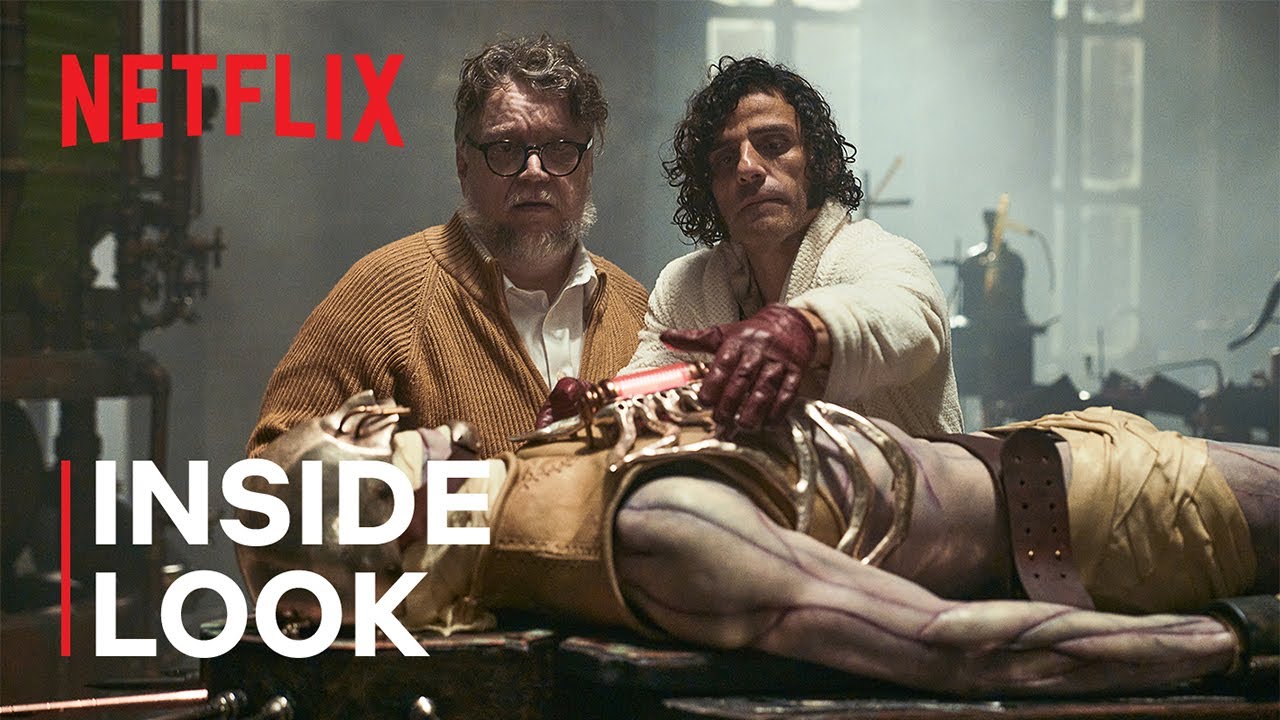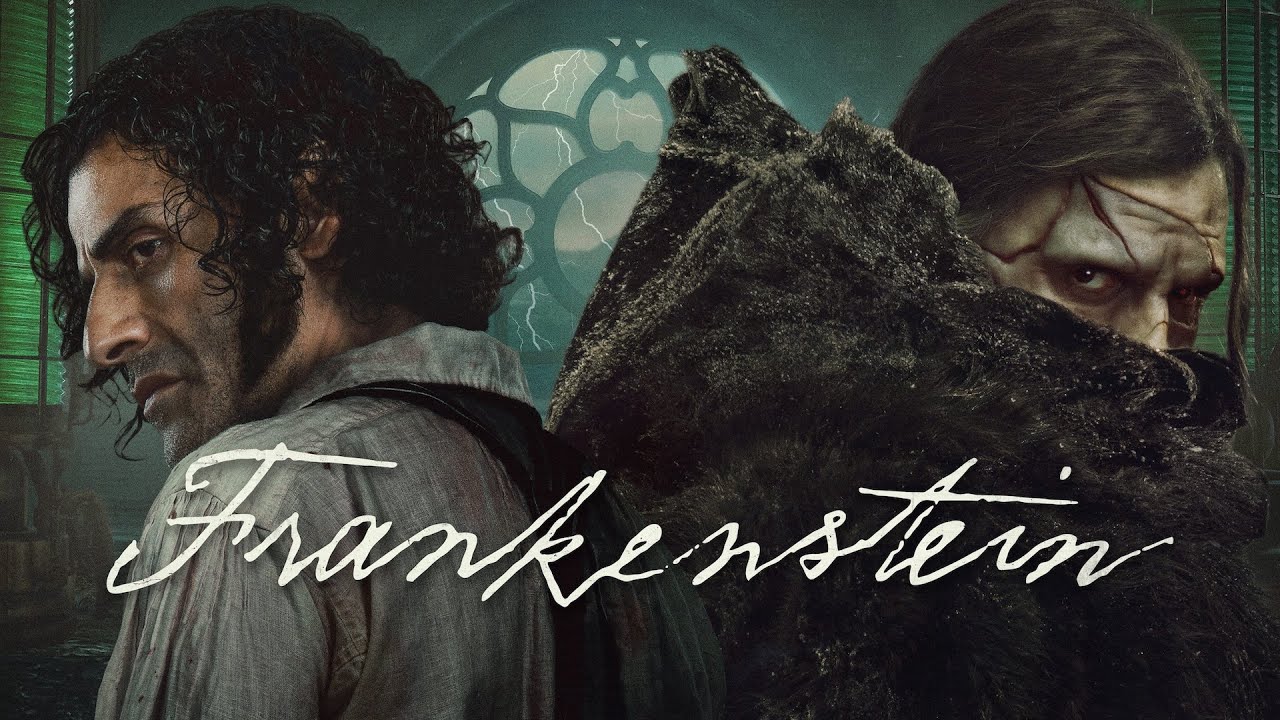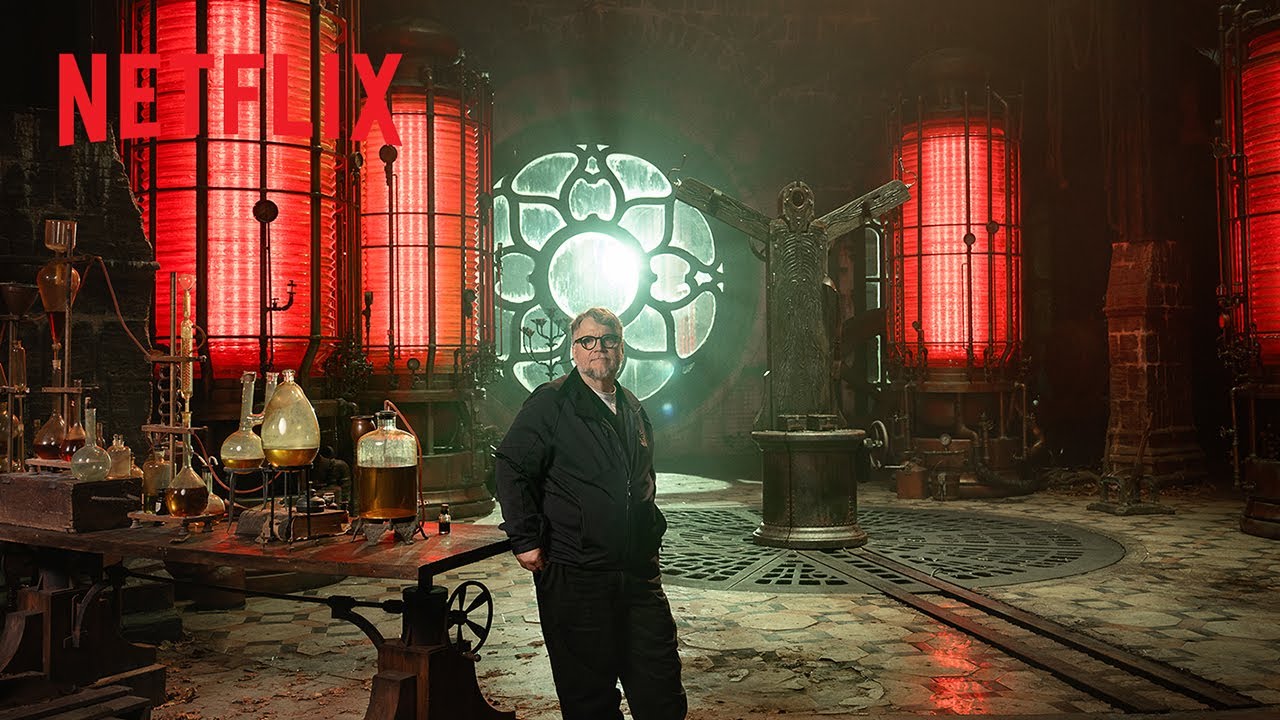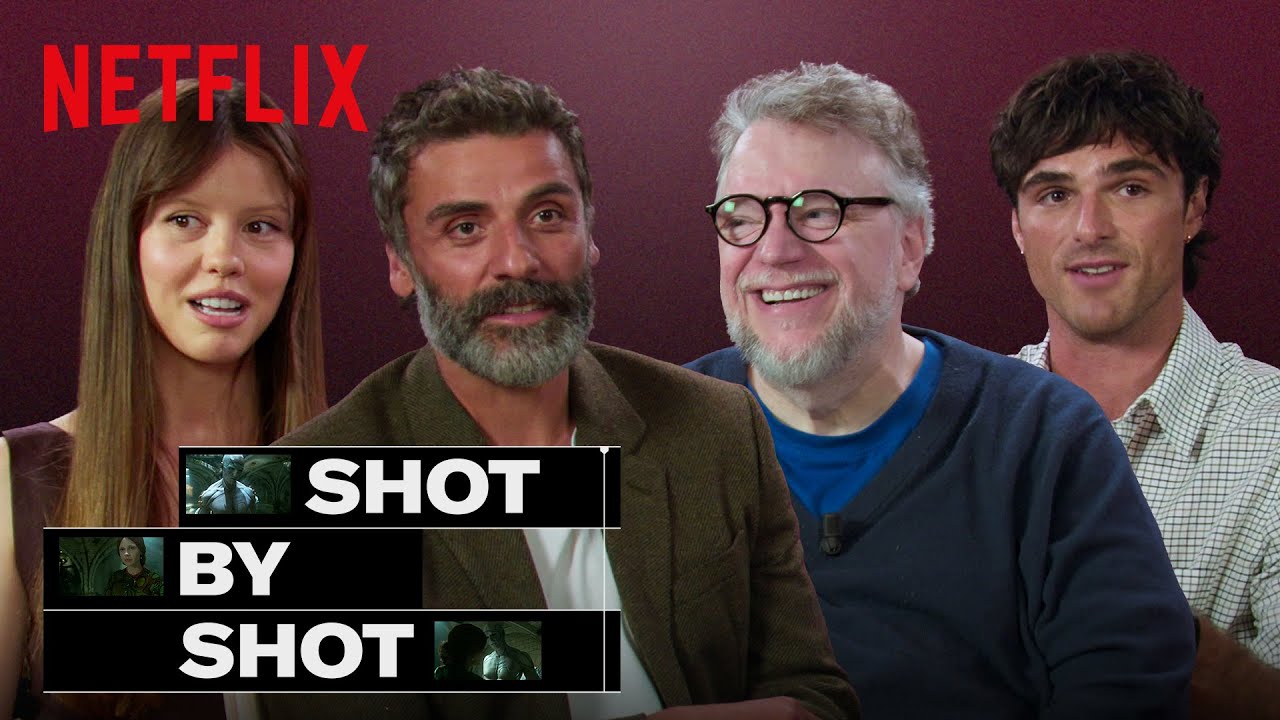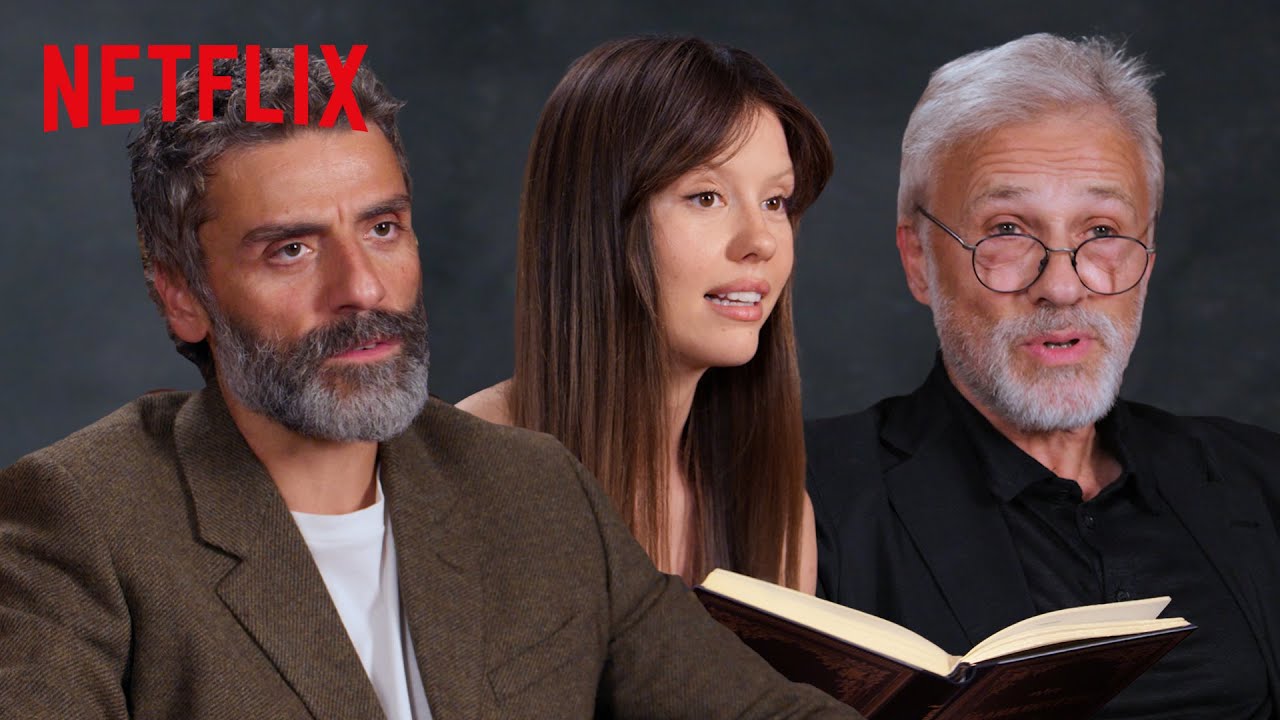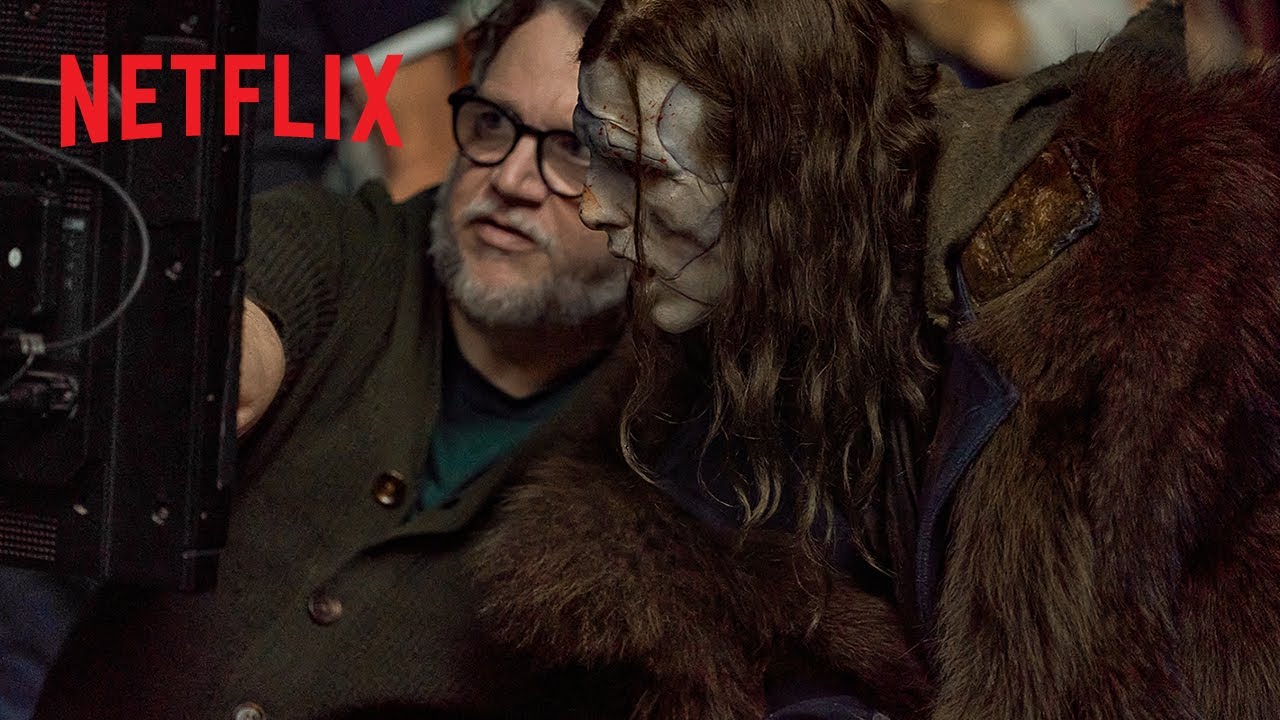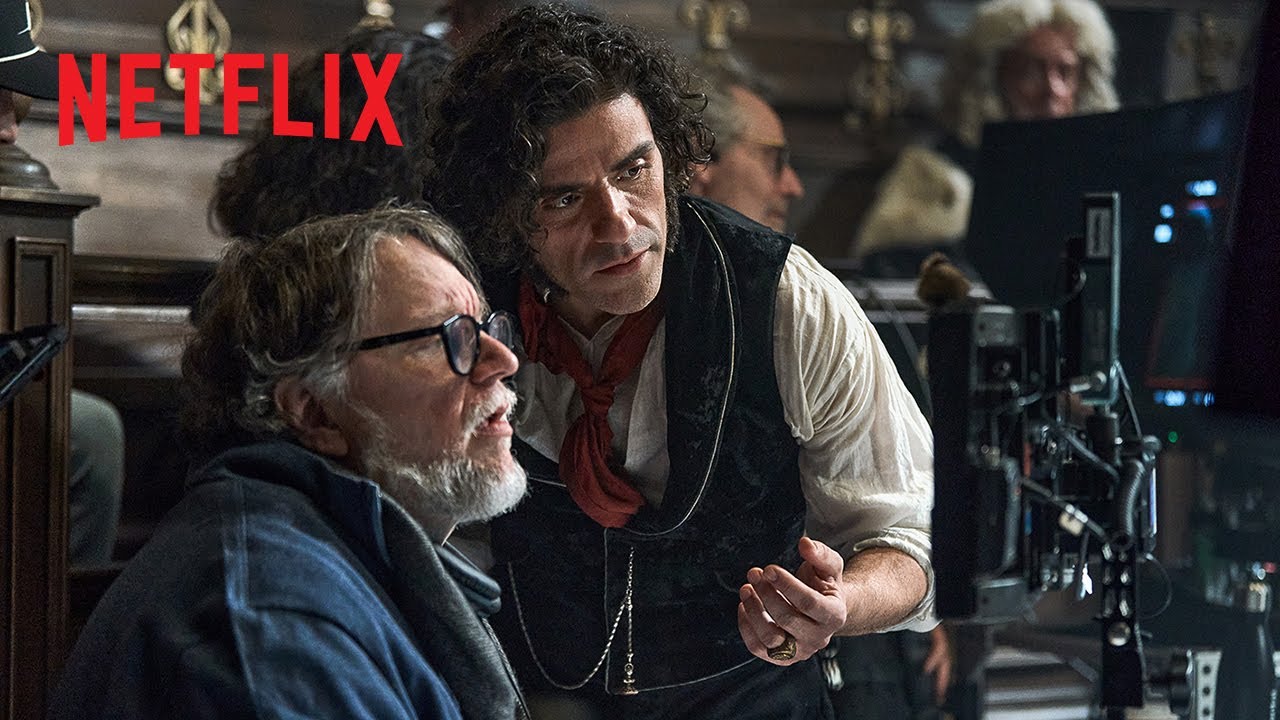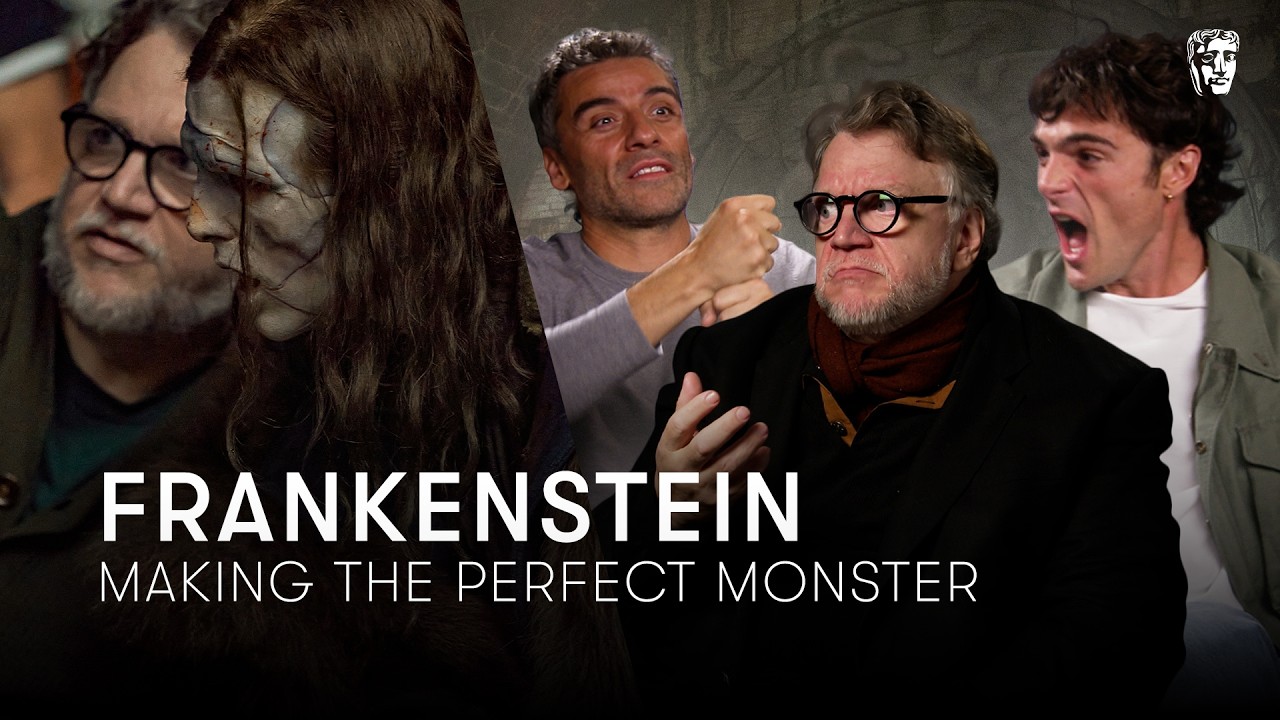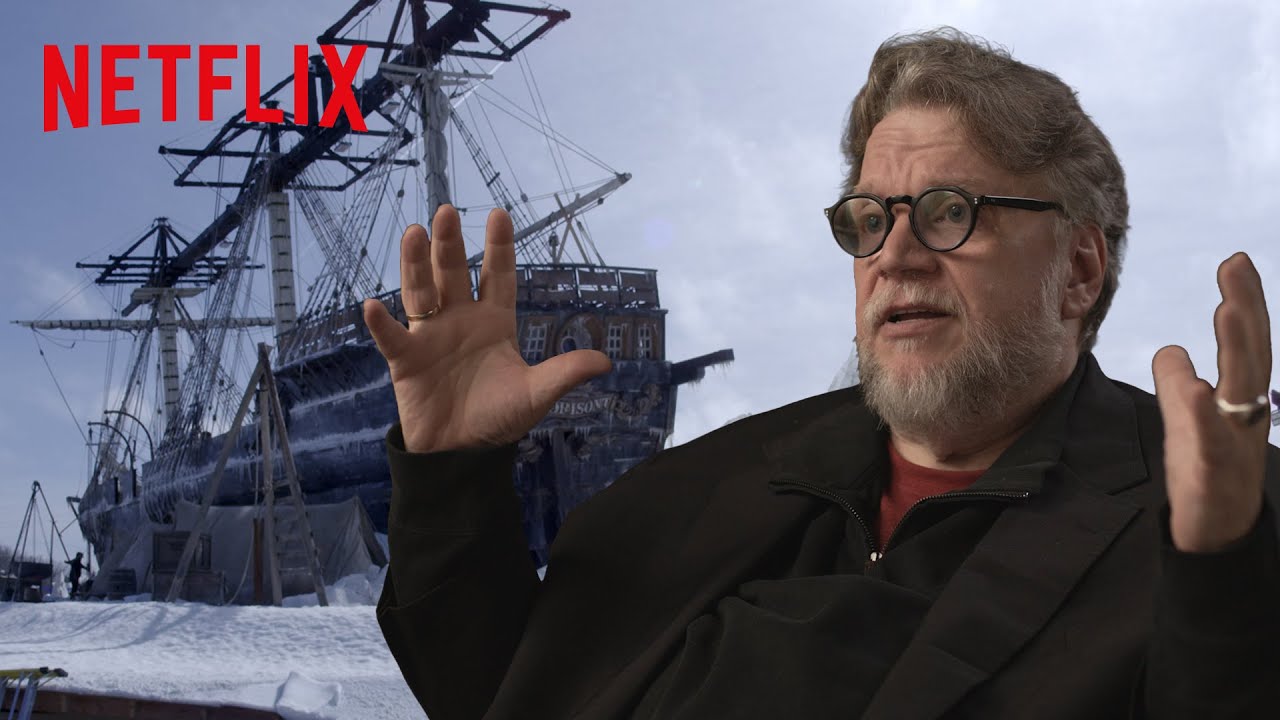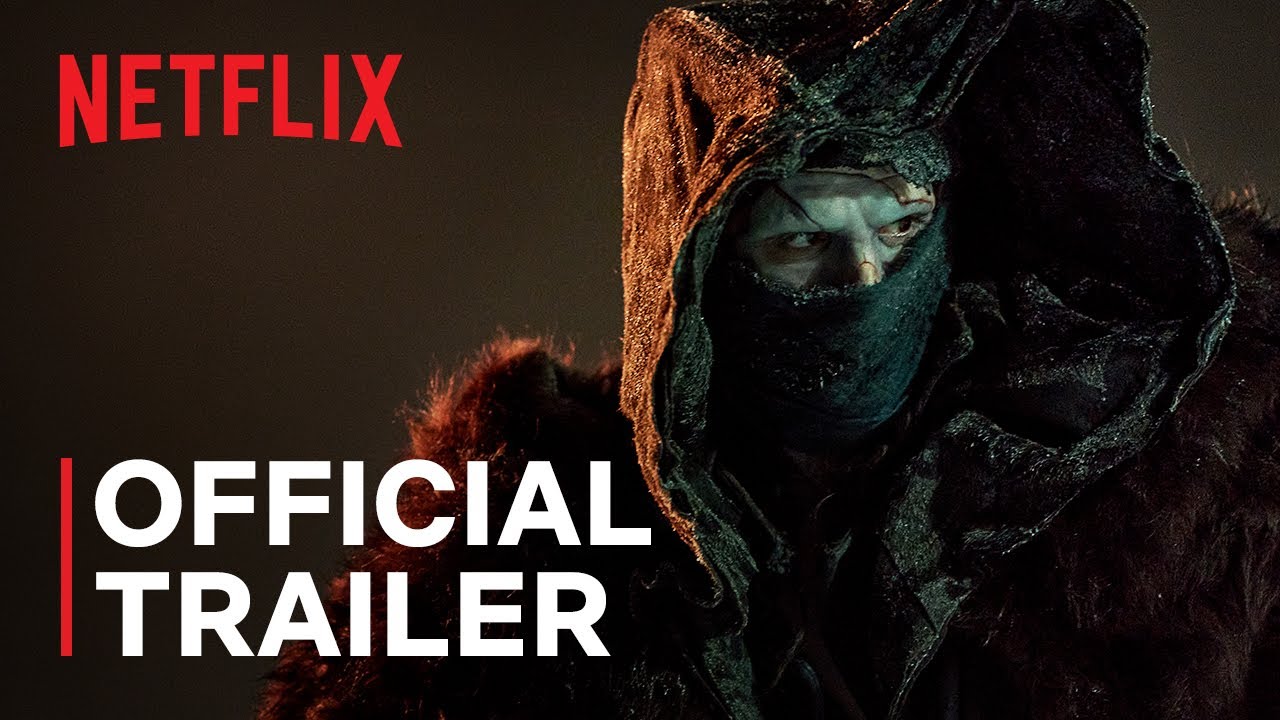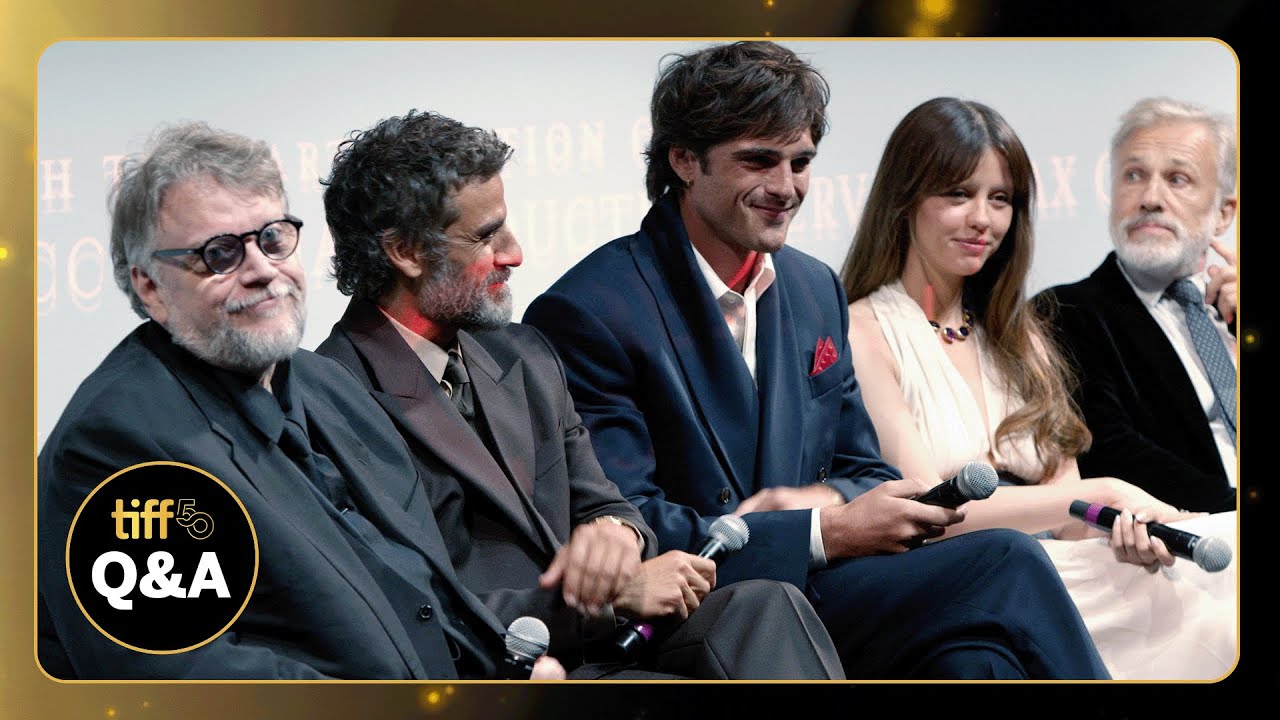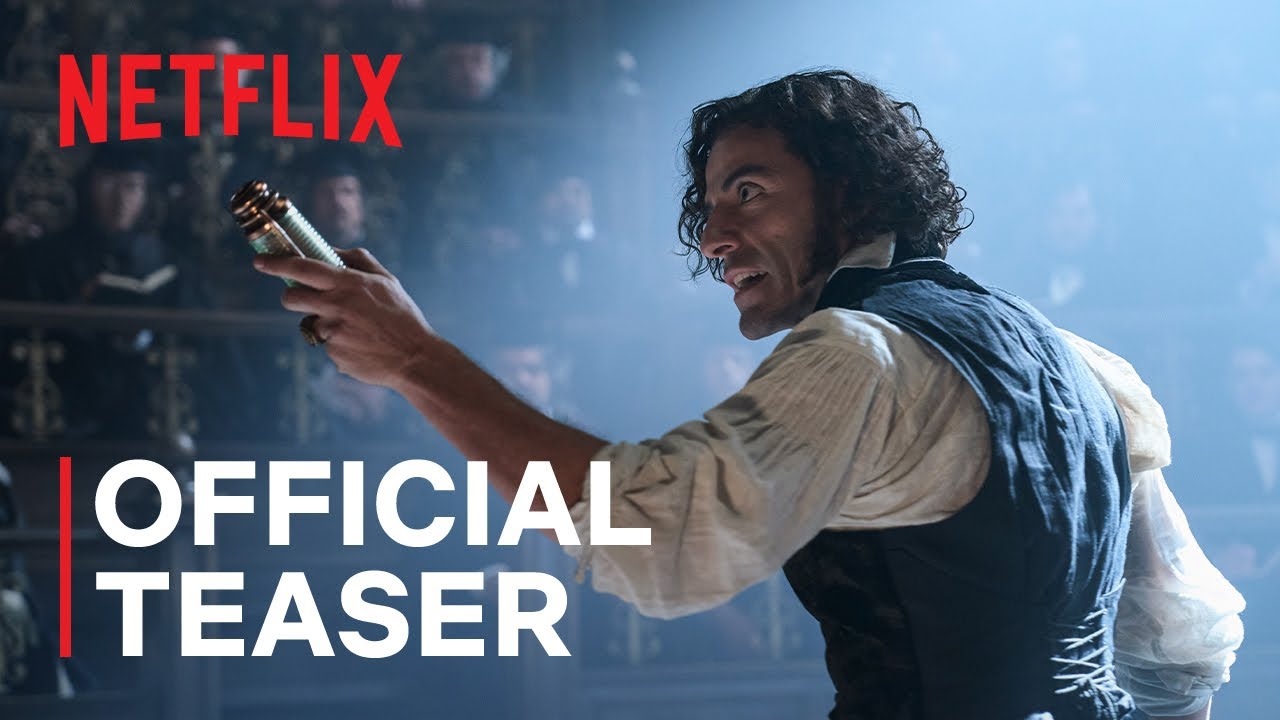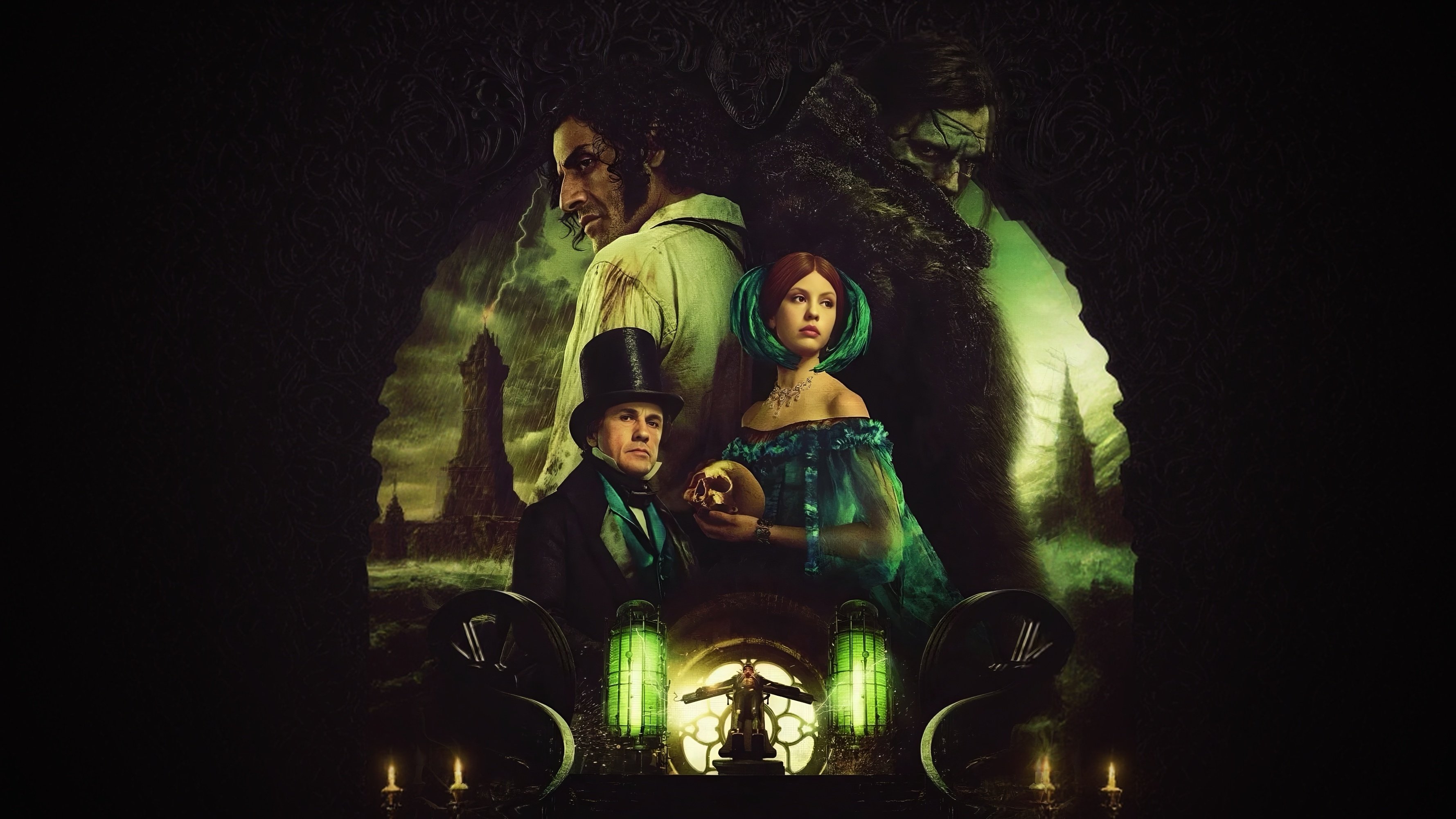
When Guillermo del Toro premiered Frankenstein at the Venice International Film Festival in August 2025, he arrived carrying decades of creative ambition. This wasn’t some opportunistic cash grab at a classic property—del Toro had spent years envisioning how to translate Mary Shelley’s philosophical nightmare into cinema, and what he delivered was something that refuses easy categorization.
It’s simultaneously a horror film, a profound character study, and a meditation on creation, responsibility, and what it means to be monstrous. At 2 hours and 30 minutes, del Toro takes his time with the material, letting scenes breathe and characters develop in ways that blockbuster filmmaking typically doesn’t permit.
The film’s box office trajectory tells you everything about its challenging nature. With a budget of $120 million—substantial by any measure—Frankenstein earned just $480,678 in theatrical release. On paper, that’s catastrophic. But here’s where the real story gets interesting: the film found its true audience through Netflix, accumulating over 30 million views on the streaming platform.
This split between theatrical disappointment and streaming success reveals something crucial about modern cinema. Del Toro made a film that demanded serious attention, that wouldn’t simplify Shelley’s themes for mass consumption, and it thrived in an environment where viewers could engage with it on their own terms.
> “Only monsters play God.” The tagline captures something essential about what del Toro accomplishes here—a film that asks uncomfortable questions about ambition, ethics, and the human capacity for cruelty masked as progress.
The critical reception of 7.7/10 across 2680 votes reflects the film’s polarizing nature, which is actually a sign of its artistic integrity. This isn’t a film designed to please everyone. It challenges conventional narrative structures and visual aesthetics, which naturally creates division. But that middle-ground score obscures something important: the film generated passionate discourse. Film festivals recognized its significance, with six films from the Venice 2025 edition—including Frankenstein—ultimately garnering 19 nominations across 12 categories during awards season. This positioning in the conversation alongside other prestige projects validated del Toro’s risk.
What makes del Toro’s vision here particularly distinctive:
- His characteristic visual language—those deep shadows, practical effects, and creature design that feels tactile and real rather than digitally sterile
- A commitment to the philosophical core of Shelley’s novel rather than its surface horror
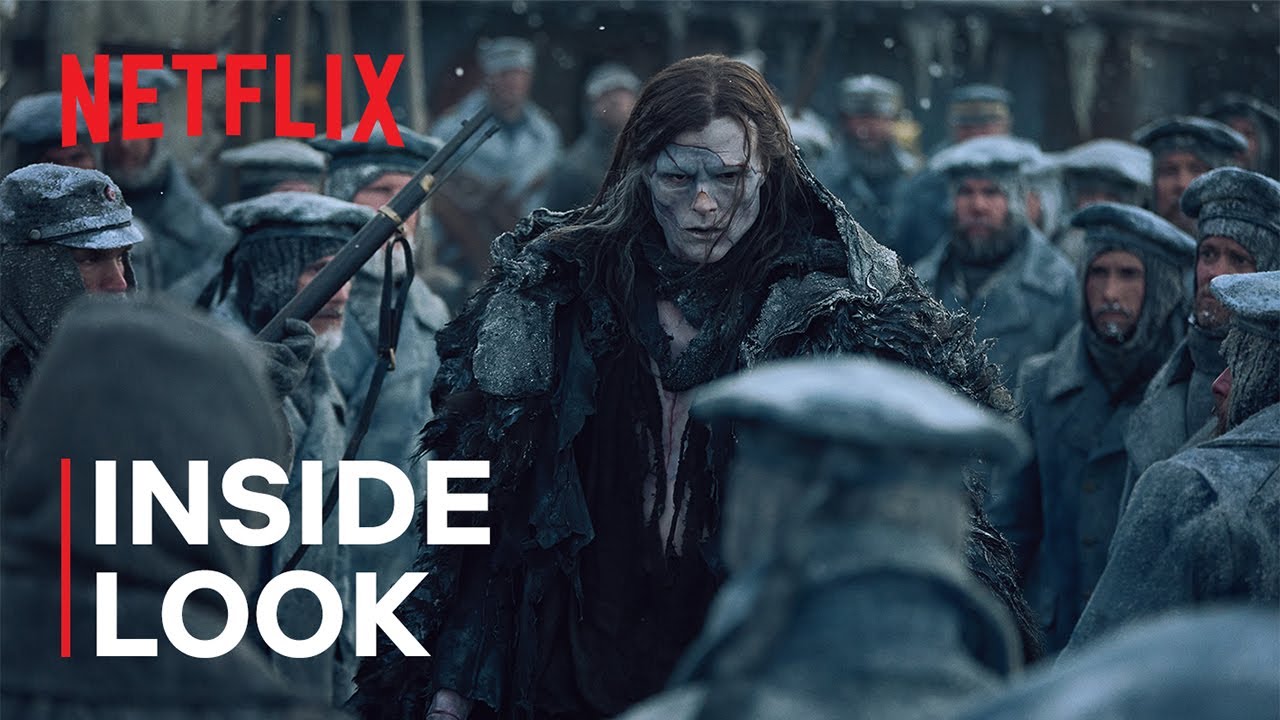
- A willingness to make the Monster sympathetic without diminishing its terrifying nature
- Pacing that prioritizes emotional weight over action sequences
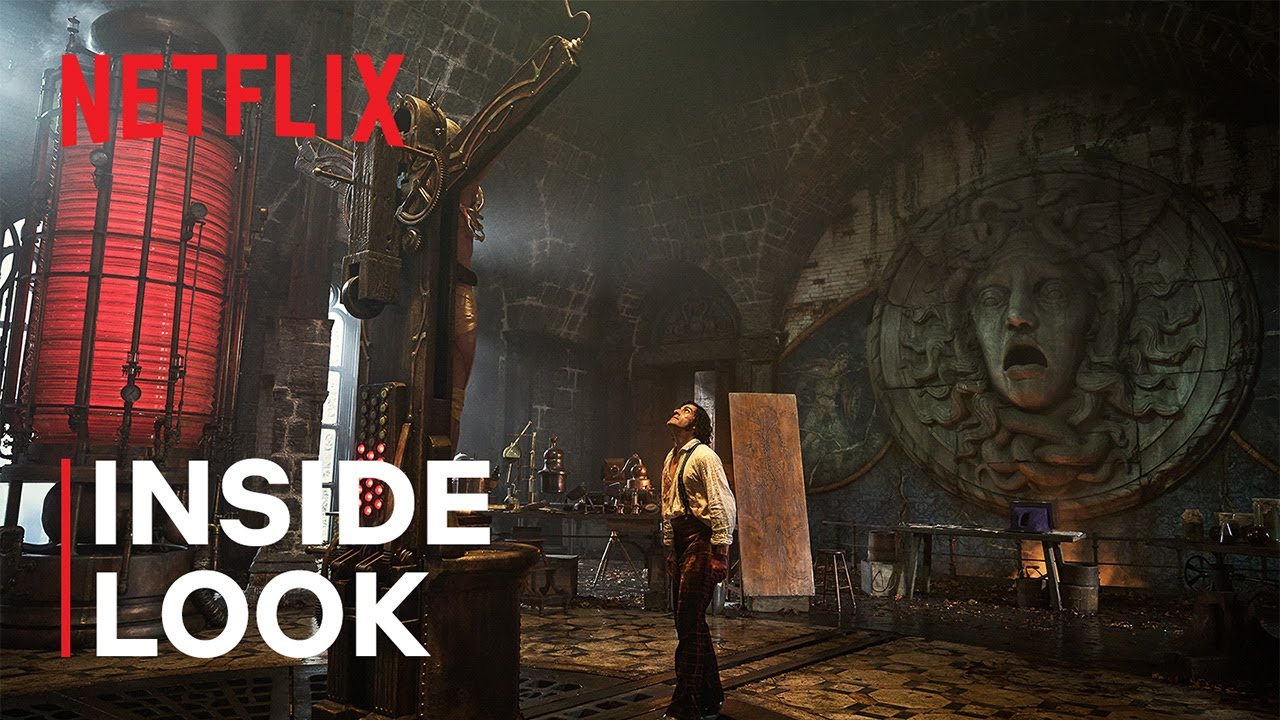
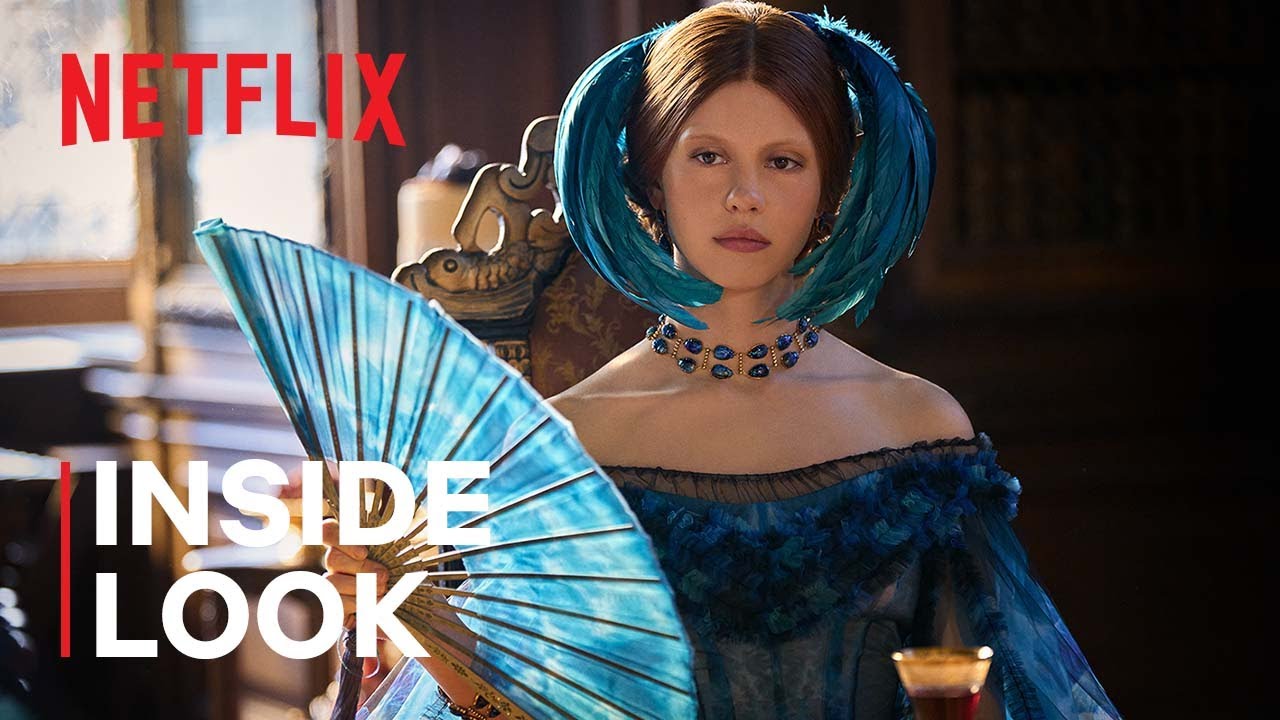
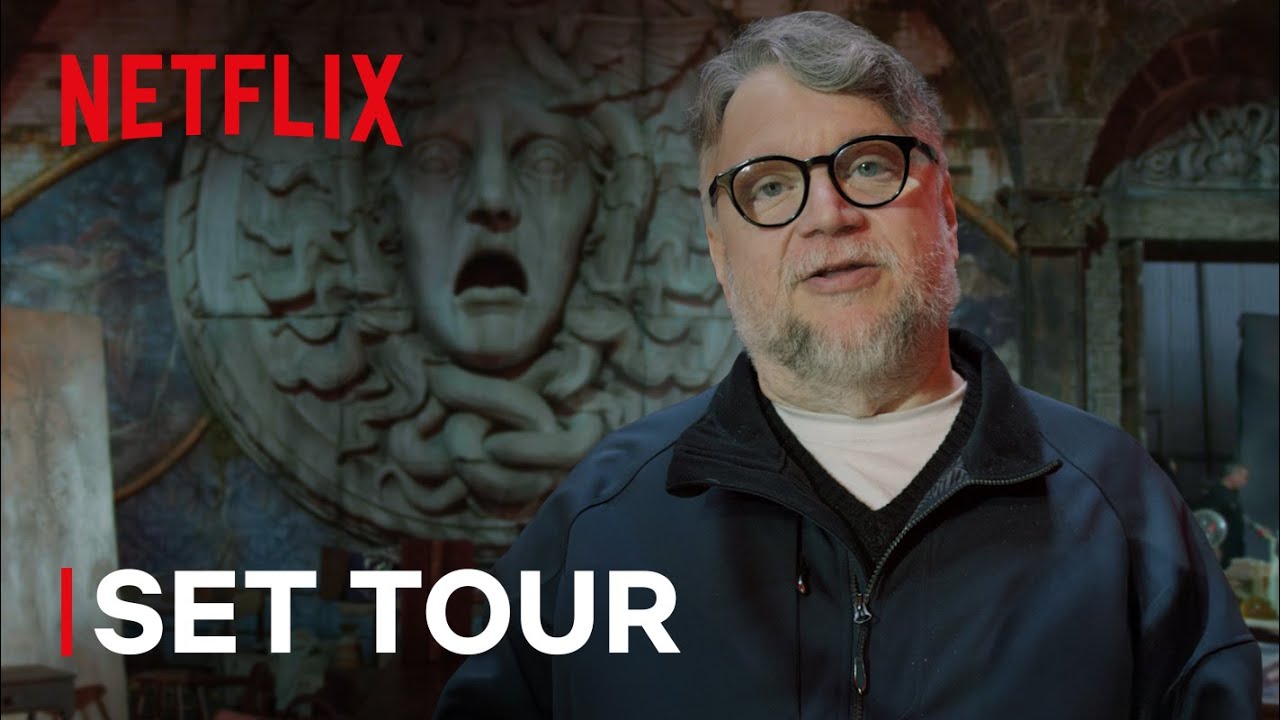
- Production design that situates the story in a richly detailed, lived-in world
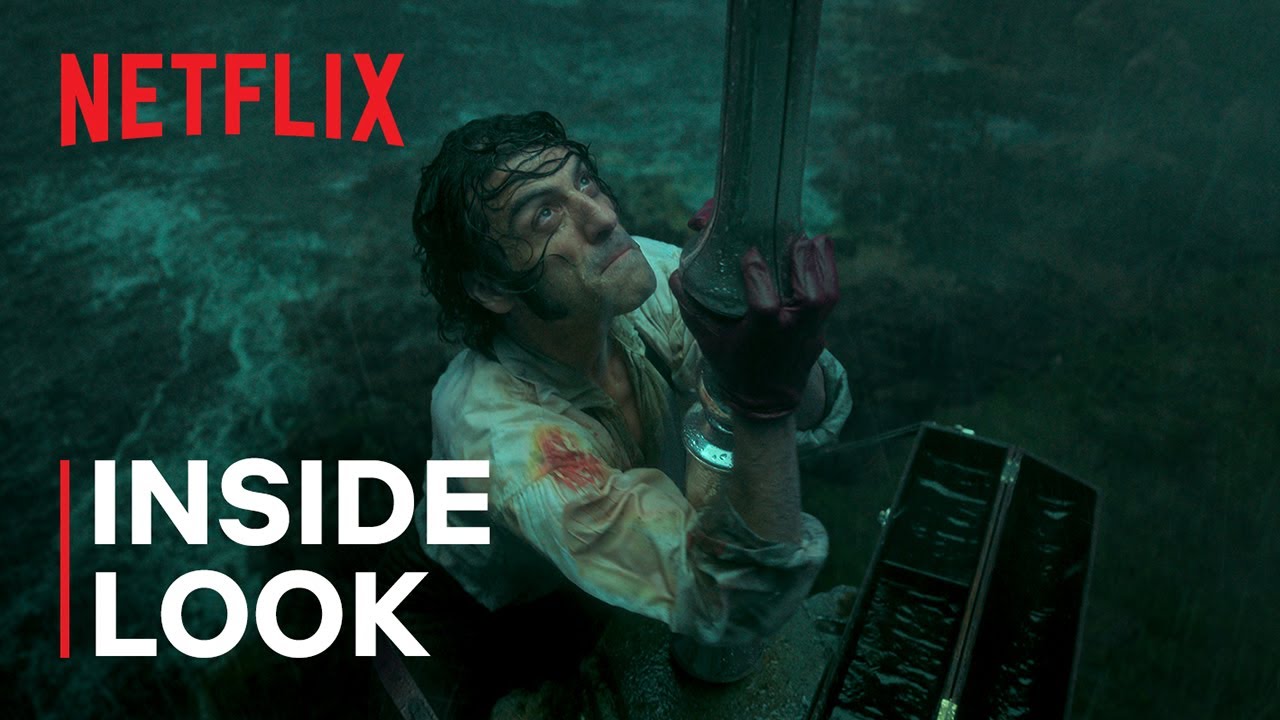
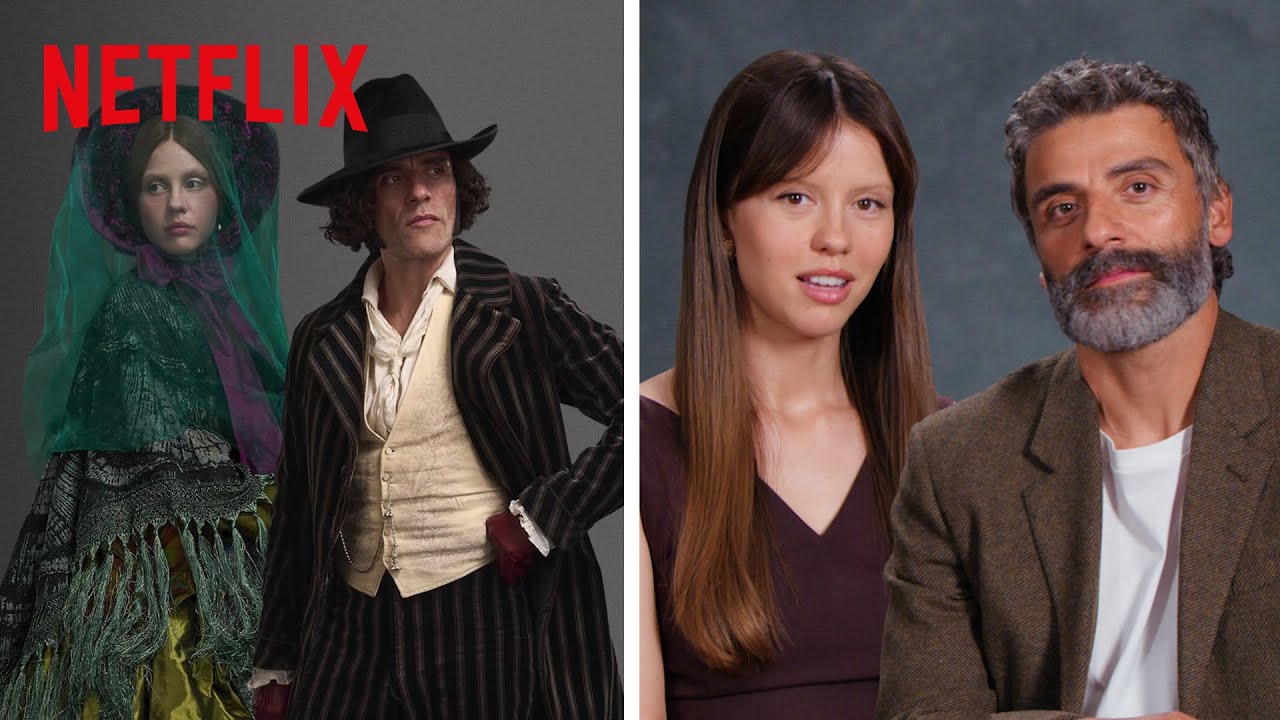
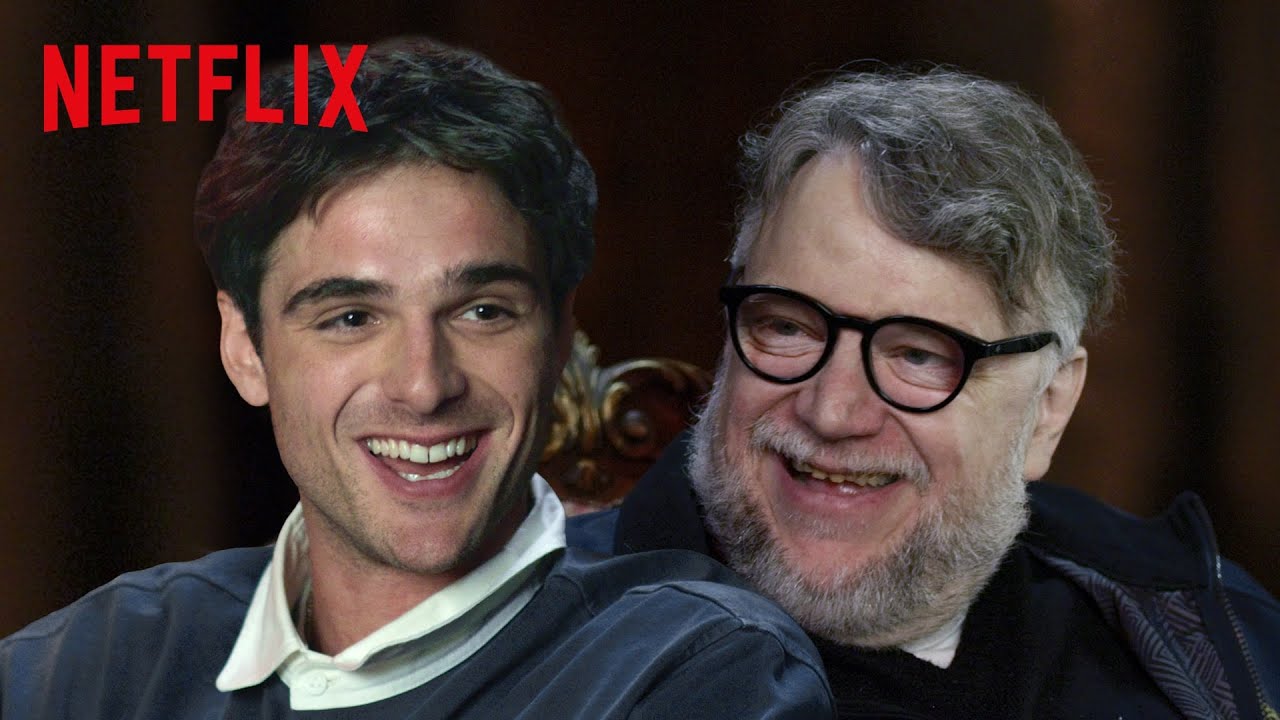
Oscar Isaac carries the film as Victor Frankenstein, delivering a performance that traces the arc from visionary to obsessed to broken. There’s something about Isaac’s ability to convey internal complexity that makes Victor’s descent into madness feel earned rather than theatrical. Jacob Elordi brings unexpected vulnerability to the Creature—this isn’t a mindless beast, but something approaching sentience trapped in grotesque flesh, and Elordi finds the pathos in that situation. Christoph Waltz, in a supporting role, provides an anchor of rationality and moral clarity, someone who can articulate what the audience might be thinking.
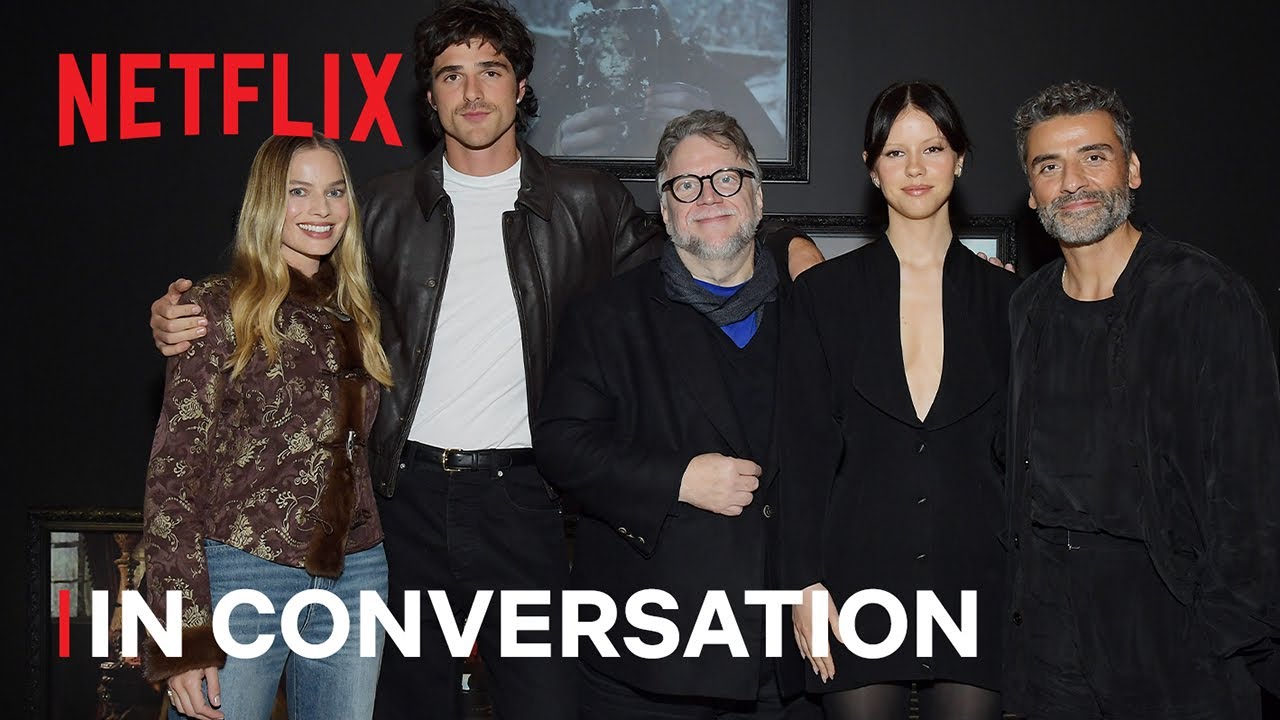
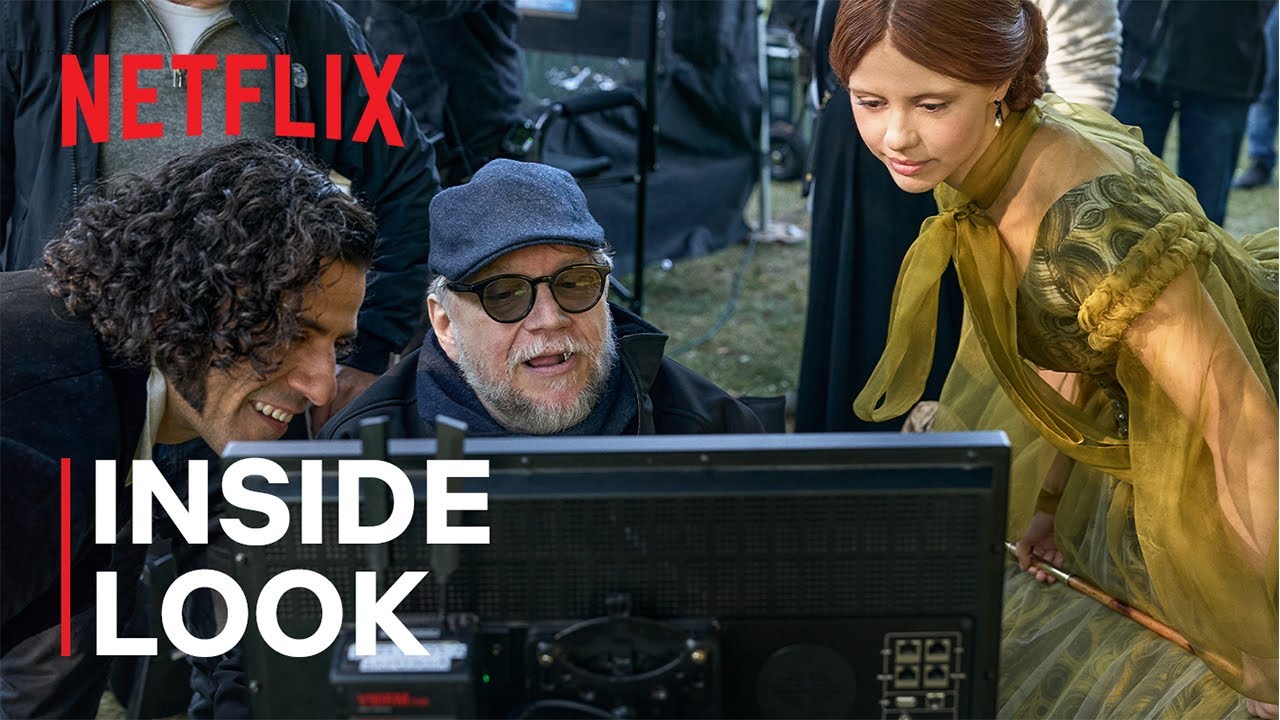
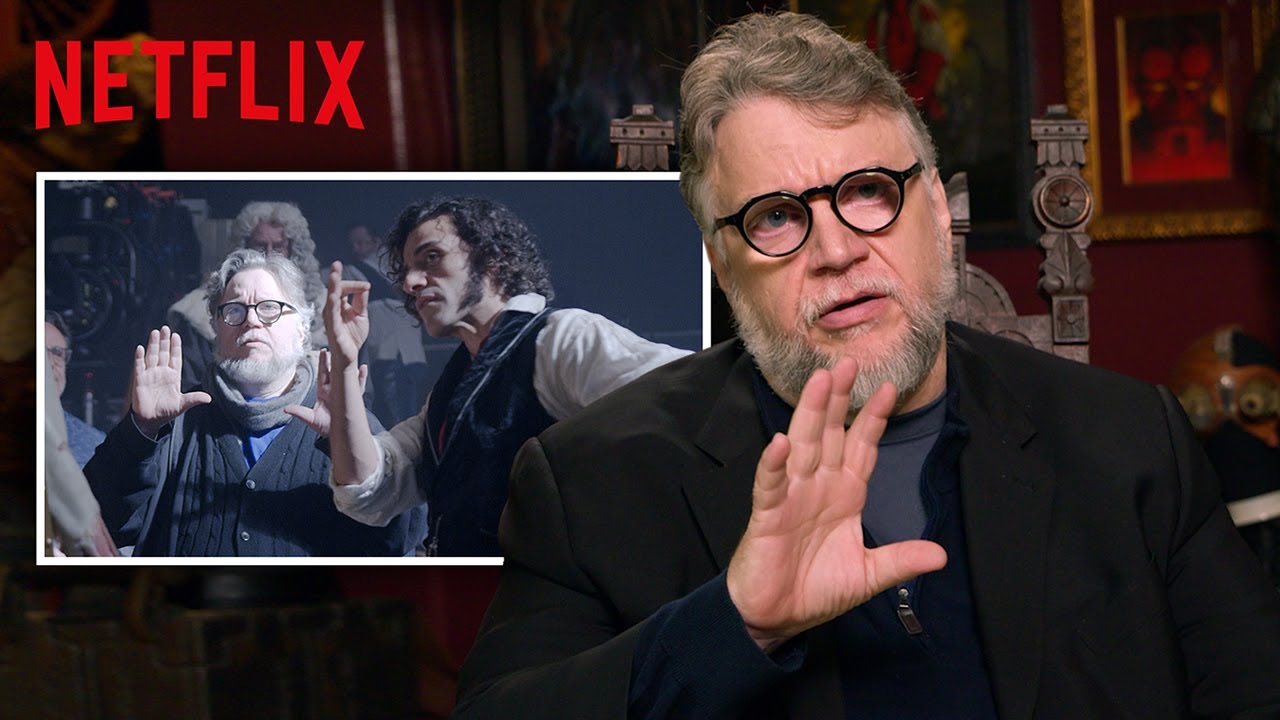
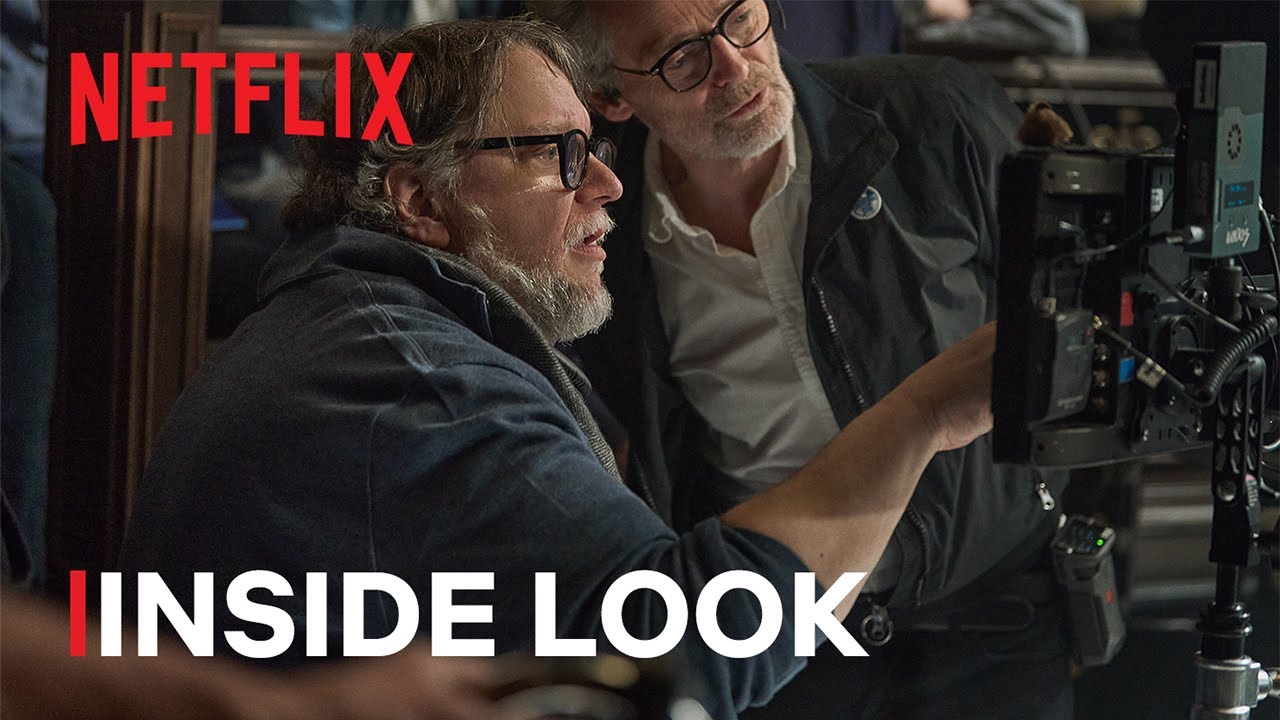
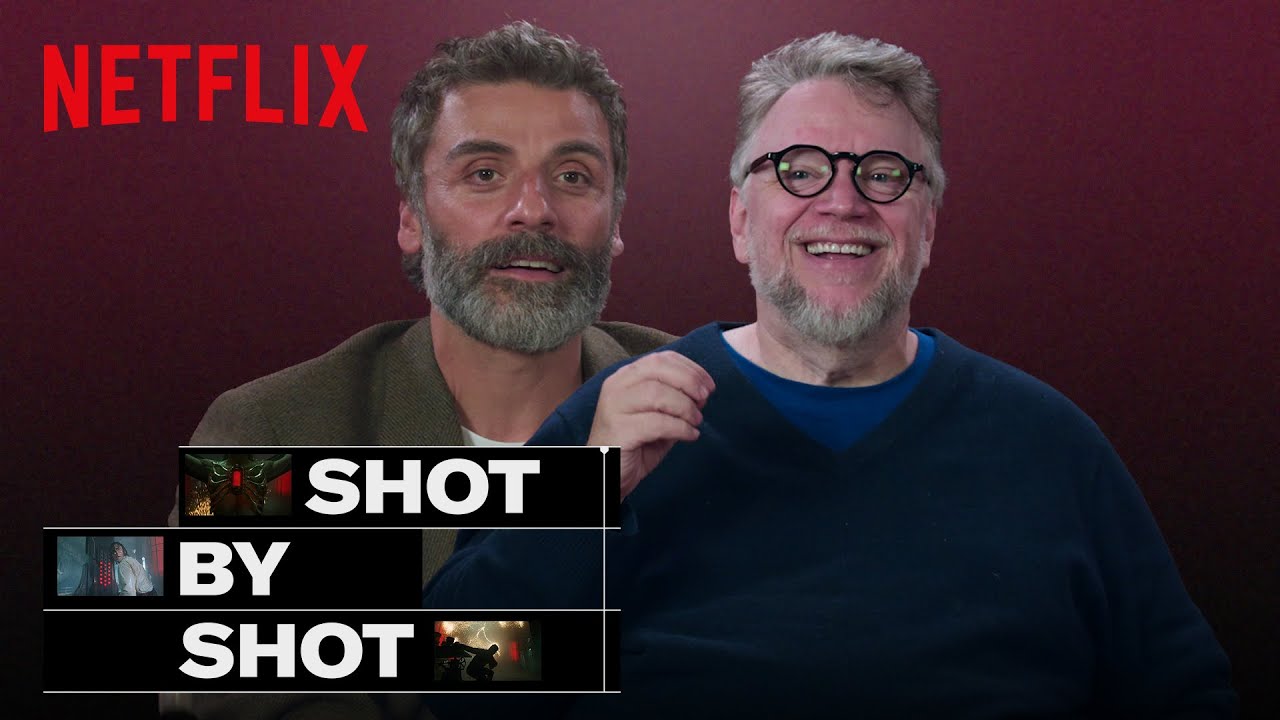
The collaboration between these actors and del Toro creates something that feels genuinely collaborative rather than a director imposing vision. There’s space in these performances for nuance, for moments of unexpected tenderness, for the recognition that monstrosity often wears a human face. The 150-minute runtime allows relationships to develop, allows scenes to have texture beyond their plot function. You watch Victor and the Creature in their central confrontation not as hero versus villain, but as two beings damaged by the same act of creation.
Culturally, Frankenstein (2025) arrived at a moment when we’re collectively anxious about creation itself—artificial intelligence, genetic engineering, technological progress outpacing ethical consideration. Del Toro’s film doesn’t lecture about these concerns; instead, it uses Shelley’s 200-year-old story as a mirror. The specificity of its historical setting paradoxically makes it more relevant to contemporary audiences. By refusing modernization, the film suggests that these fundamental questions about playing God have always haunted human civilization.
The film’s legacy may ultimately transcend its theatrical earnings. When Netflix announced the special one-week theatrical re-engagement in January, it signaled something: this is a film worth revisiting, worth experiencing on the largest screen possible. That streaming viewers discovered it en masse suggests a hunger for ambitious, adult filmmaking that takes its audience seriously. In an era of franchise fatigue and algorithmic content, a $120 million bet on a challenging literary adaptation—even one that didn’t connect in theaters initially—represents a certain kind of artistic courage.
What will likely endure about this film:
- Del Toro’s visual language applied to one of literature’s most iconic stories, creating something entirely his own
- Isaac’s portrayal of obsession and its consequences
- The refusal to make easy moral judgments, keeping the audience uncomfortable
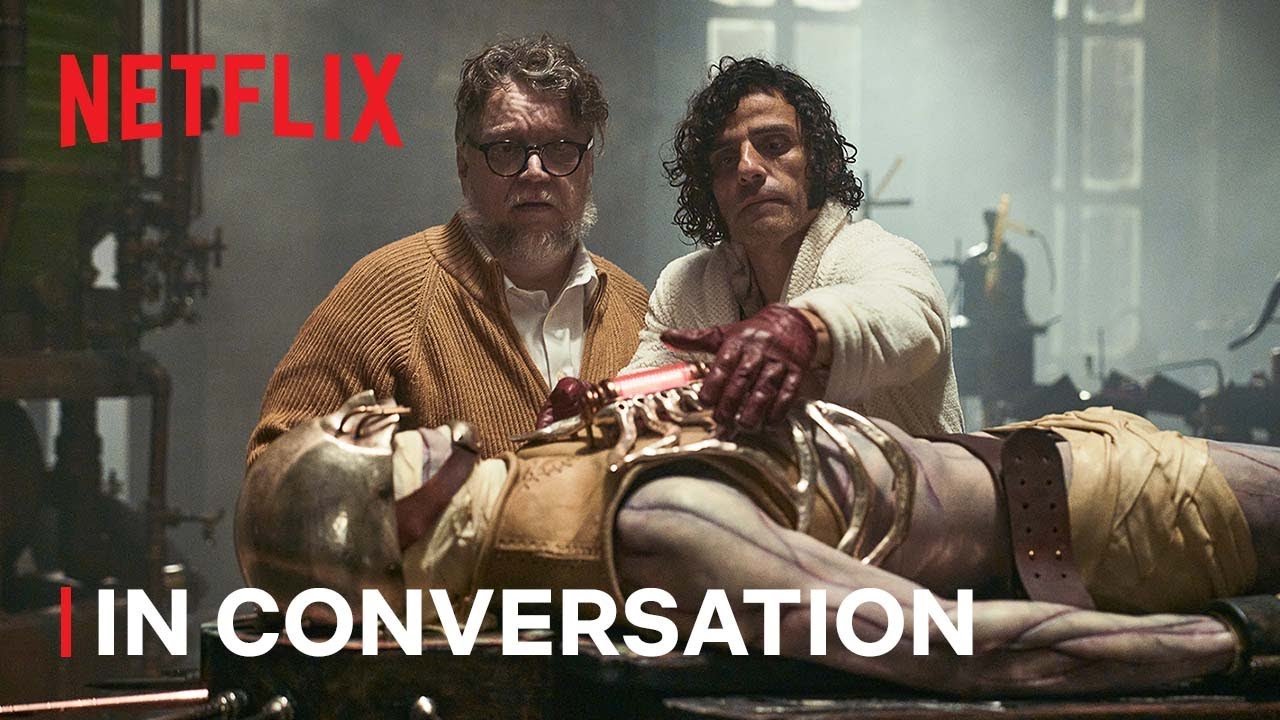
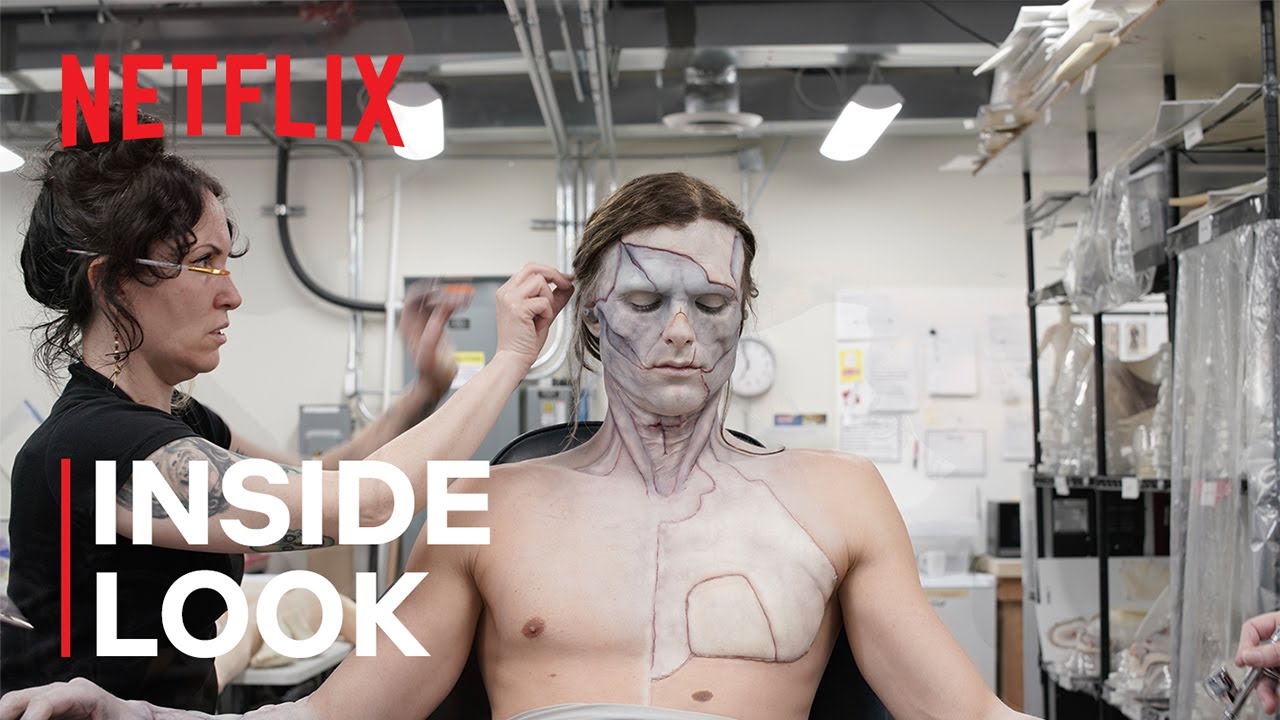
- A technical achievement in creature effects that feels organic rather than artificial
- Proof that prestige filmmaking and genre cinema can coexist meaningfully
Frankenstein (2025) is the kind of film that will be reassessed over time. Its initial box office performance will seem less relevant as it accumulates watch hours and influences filmmakers thinking about how to adapt classic literature. Del Toro didn’t just make a Frankenstein movie—he made a statement about cinema itself, about the value of artistic vision over commercial calculation. That’s something worth remembering.