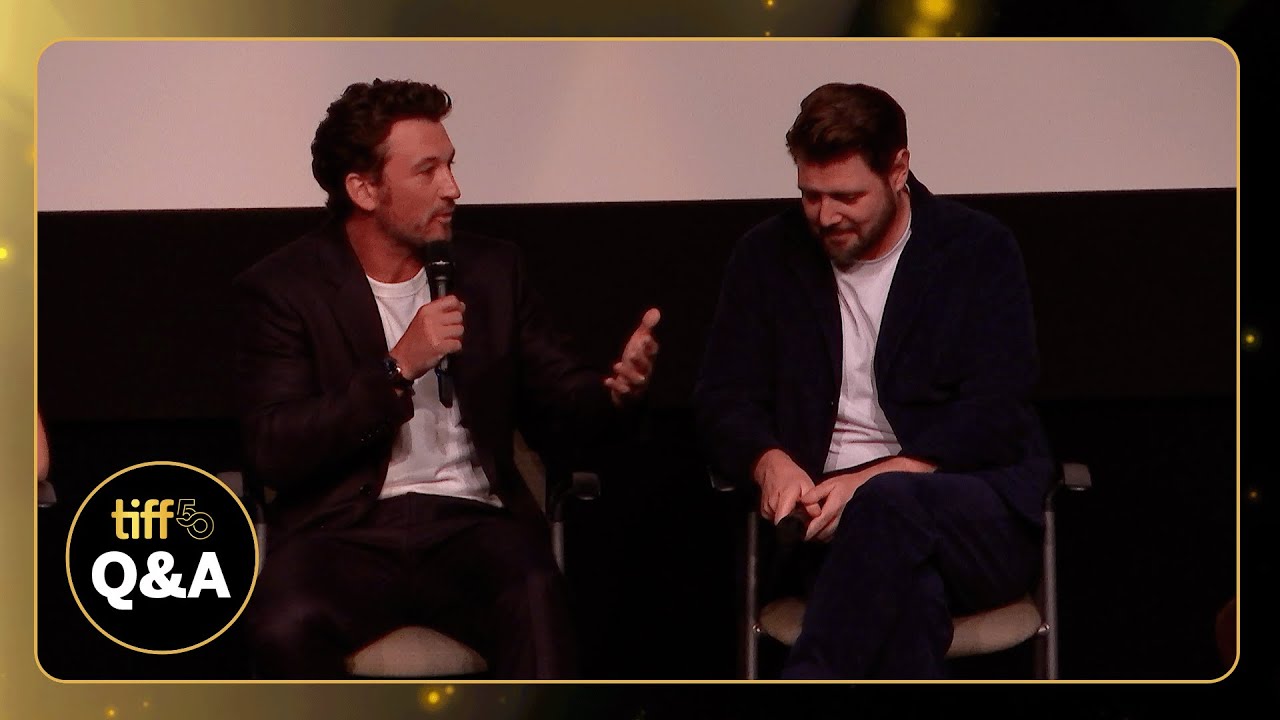
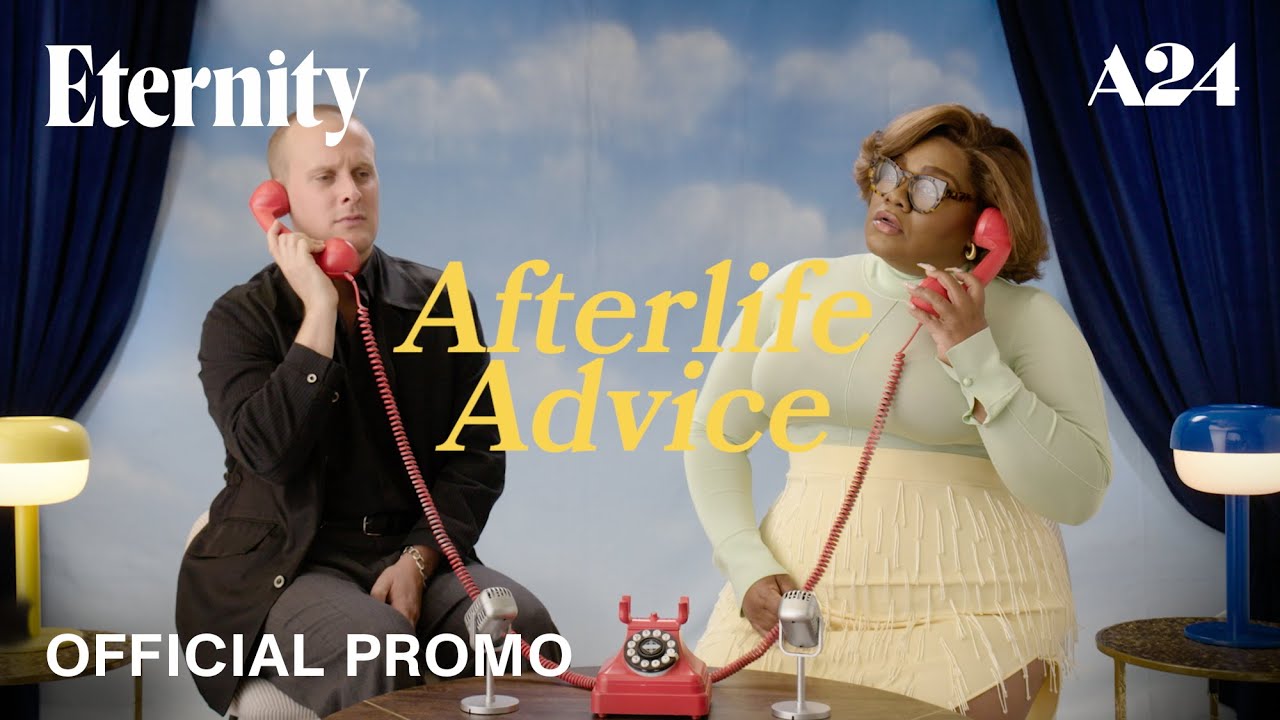
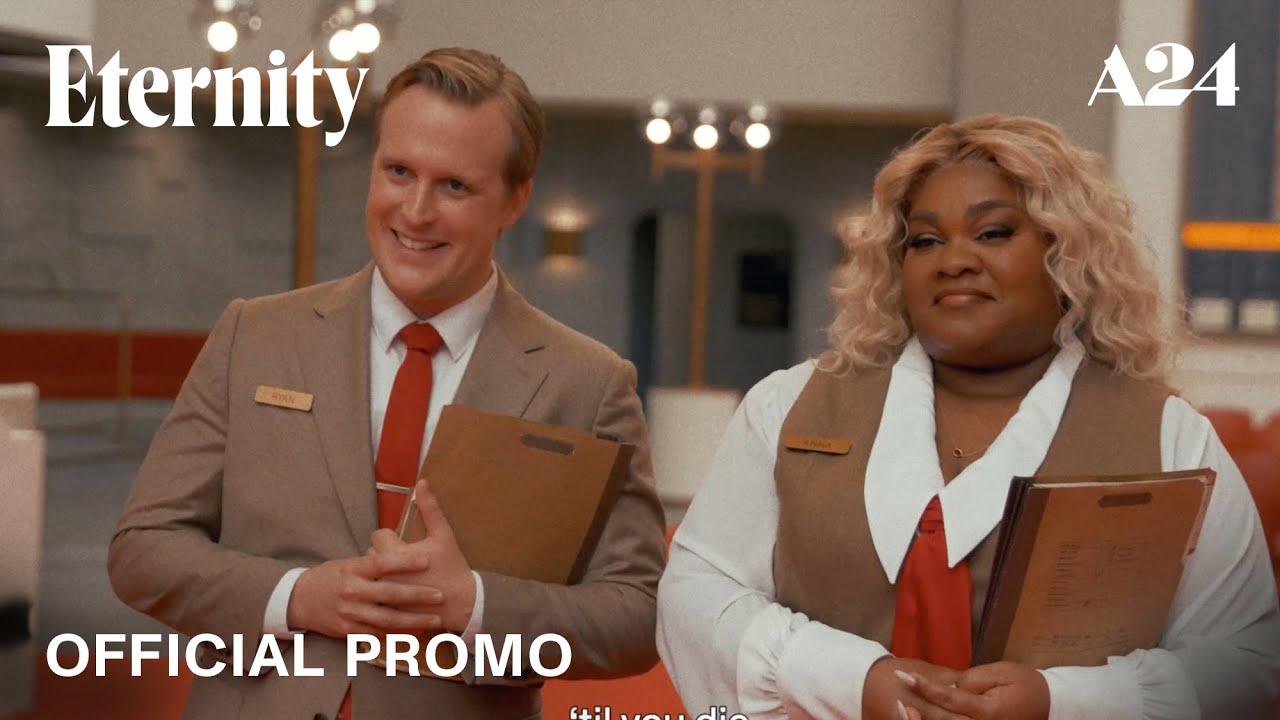
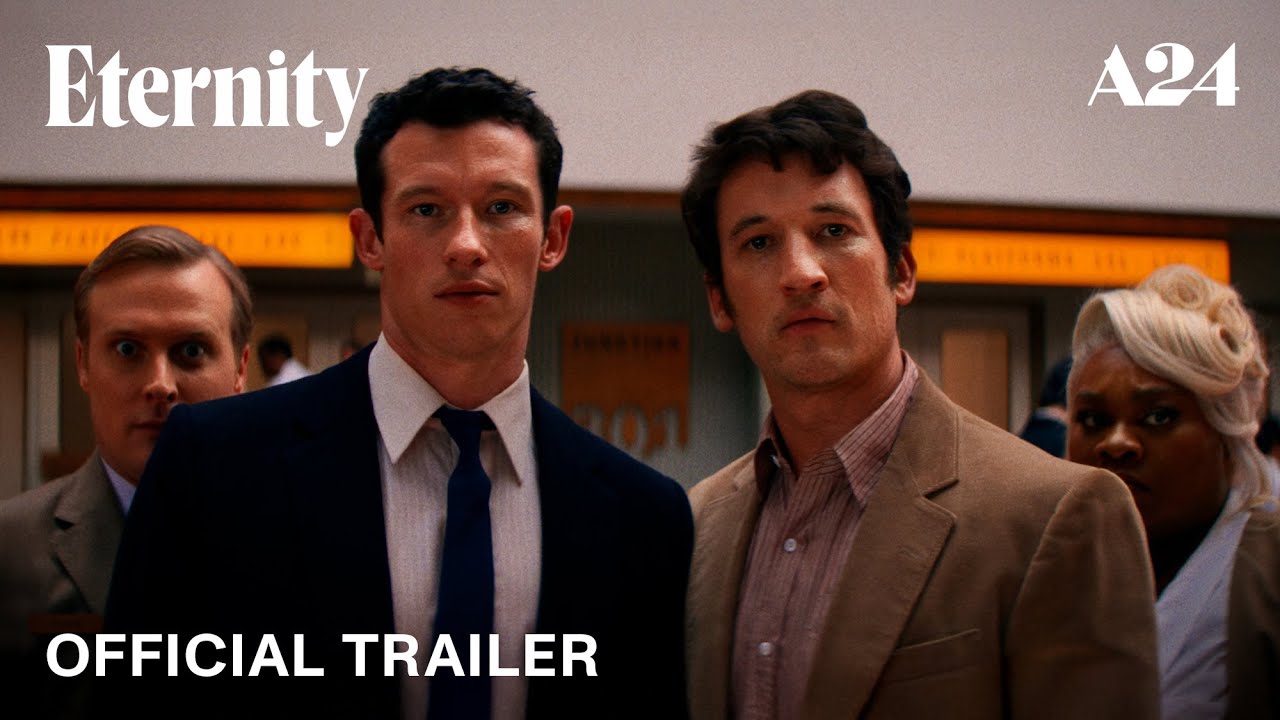
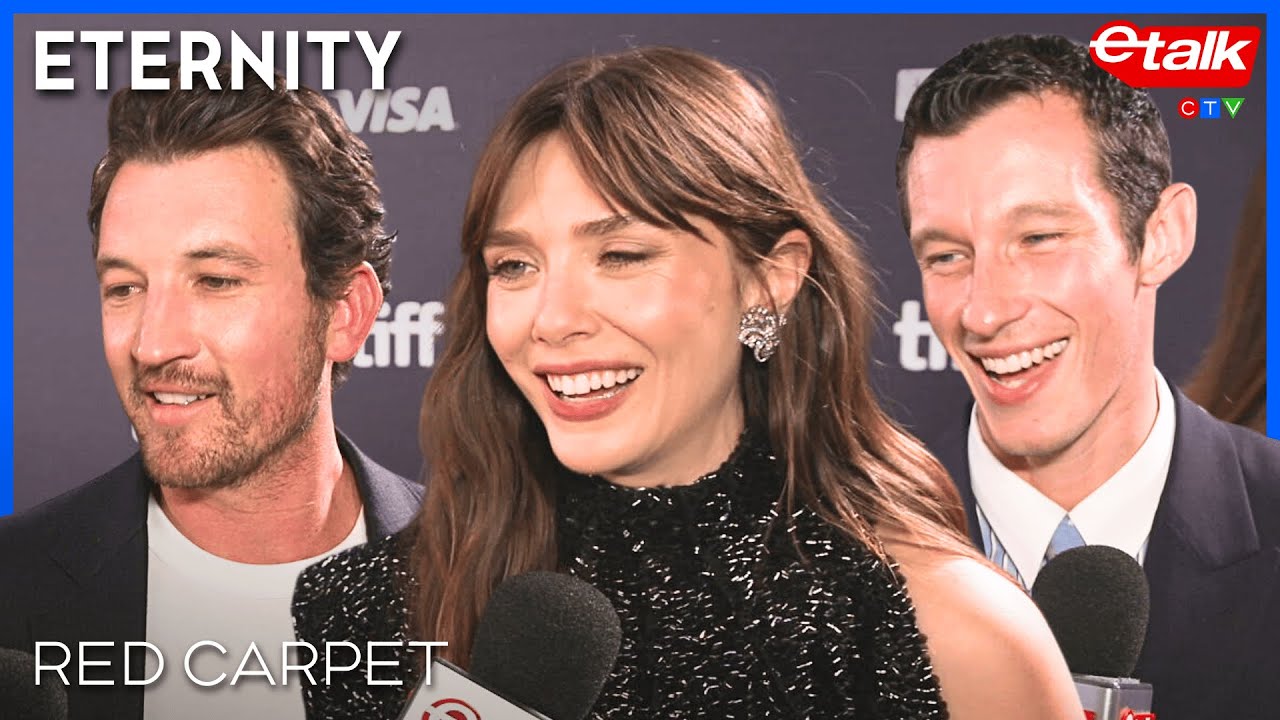
When Eternity premiered at the Toronto International Film Festival in September 2025, it arrived with a tagline that perfectly captured its central tension: “You can only choose one.” What unfolded on screen was a deceptively simple premise wrapped around one of cinema’s most compelling questions—what happens when you get a second chance at the life you didn’t choose? Director David Freyne crafted something that feels rare in contemporary filmmaking: a romantic dramedy that treats its high-concept setup not as a gimmick, but as genuine philosophical inquiry dressed in warmth and humor.
The film’s journey from festival darling to box office success tells an interesting story about audience hunger for character-driven narratives. Opening at number six domestically with a $3.1 million opening weekend, Eternity might have seemed modest on the surface. But consider this: a $12 million budget eventually grossed nearly $33 million domestically and over $36 million worldwide. That’s the kind of return that speaks volumes in an industry increasingly skeptical of original IP outside the franchise ecosystem. More importantly, it indicates that audiences were actively seeking out this film, sharing it with friends, and returning to theaters during the competitive holiday season.
The critical reception—a 7.1 rating from 337 voters—occupies an interesting middle ground that actually feels honest. This isn’t a film that critics universally hailed as a masterpiece, nor did it underwhelm. Instead, it established itself as that rarer thing: genuinely divisive in thoughtful ways. Some viewers connected deeply with its emotional architecture, while others found its premise occasionally overwrought. That’s not a failing; it’s evidence of a film that takes genuine creative risks and lands them more often than not.
What makes Eternity significant in the landscape of contemporary romance cinema is how it interrogates the genre’s fundamental obsessions:
- The eternal triangle reimagined: Rather than love competing between two present options, the conflict exists between a life already lived and a life that could have been
- Runtime as narrative choice: At 1 hour 54 minutes, Freyne resists bloat and maintains emotional momentum without sacrificing character depth
- Tone as tightrope: The film walks an legitimately difficult line between comedy and existential drama, trusting audiences to meet it in both registers
- A24’s continued investment in character cinema: The studio’s partnership with Star Thrower Entertainment reinforced their commitment to filmmakers with distinctive voices
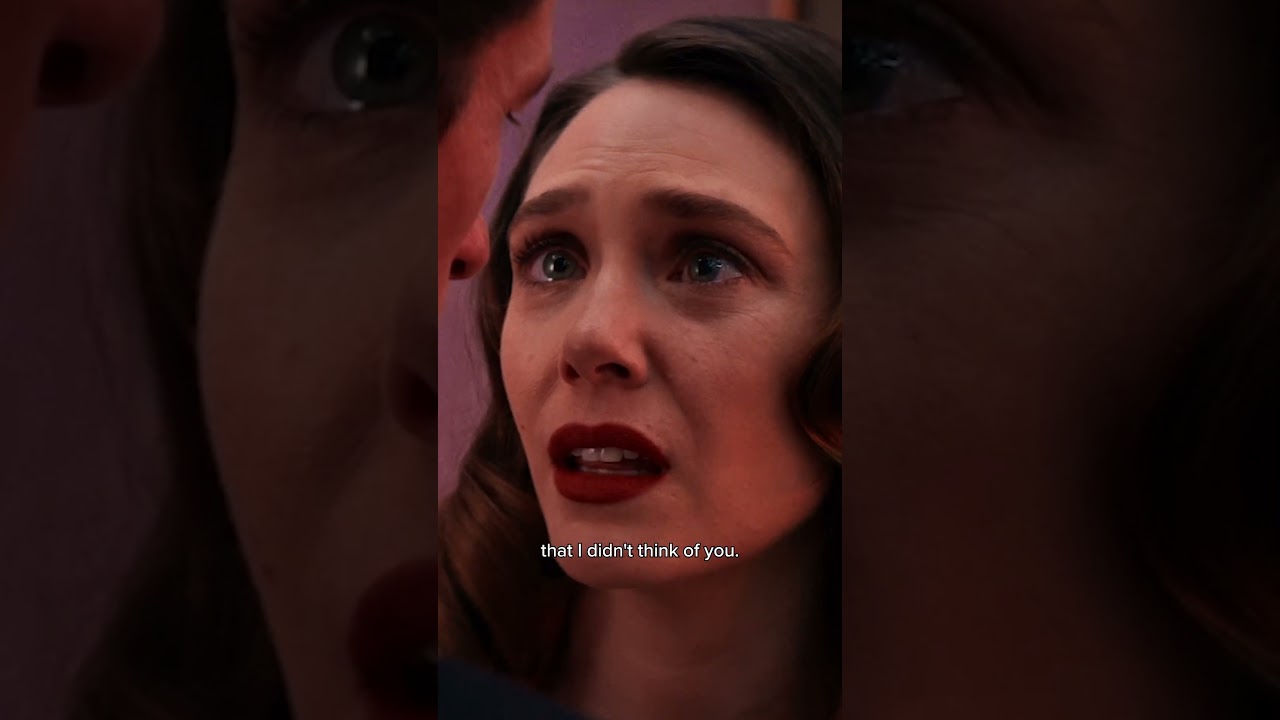
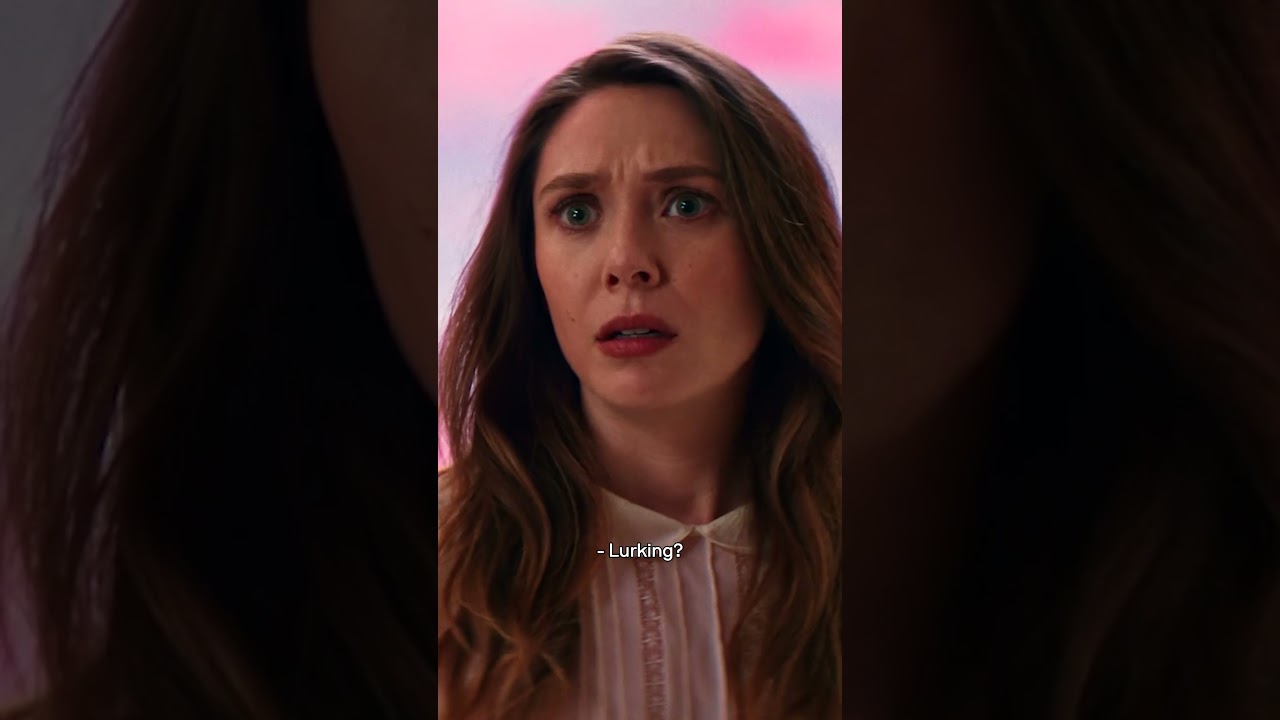
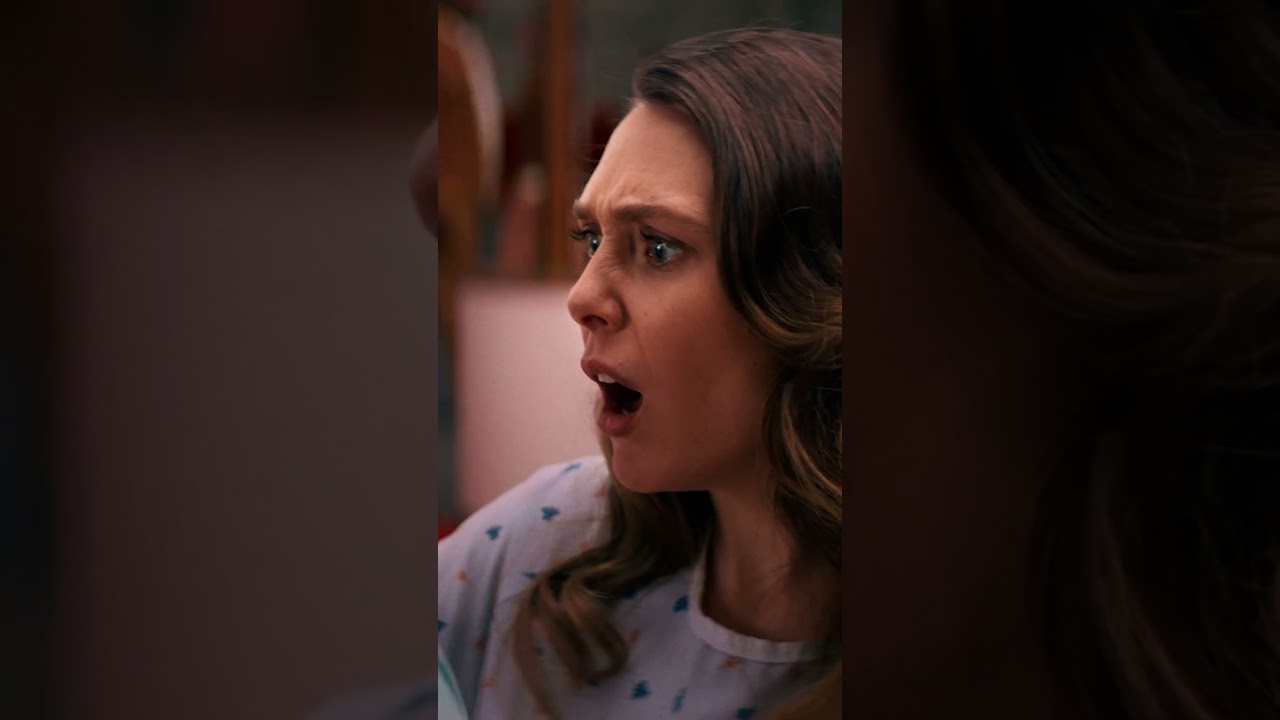
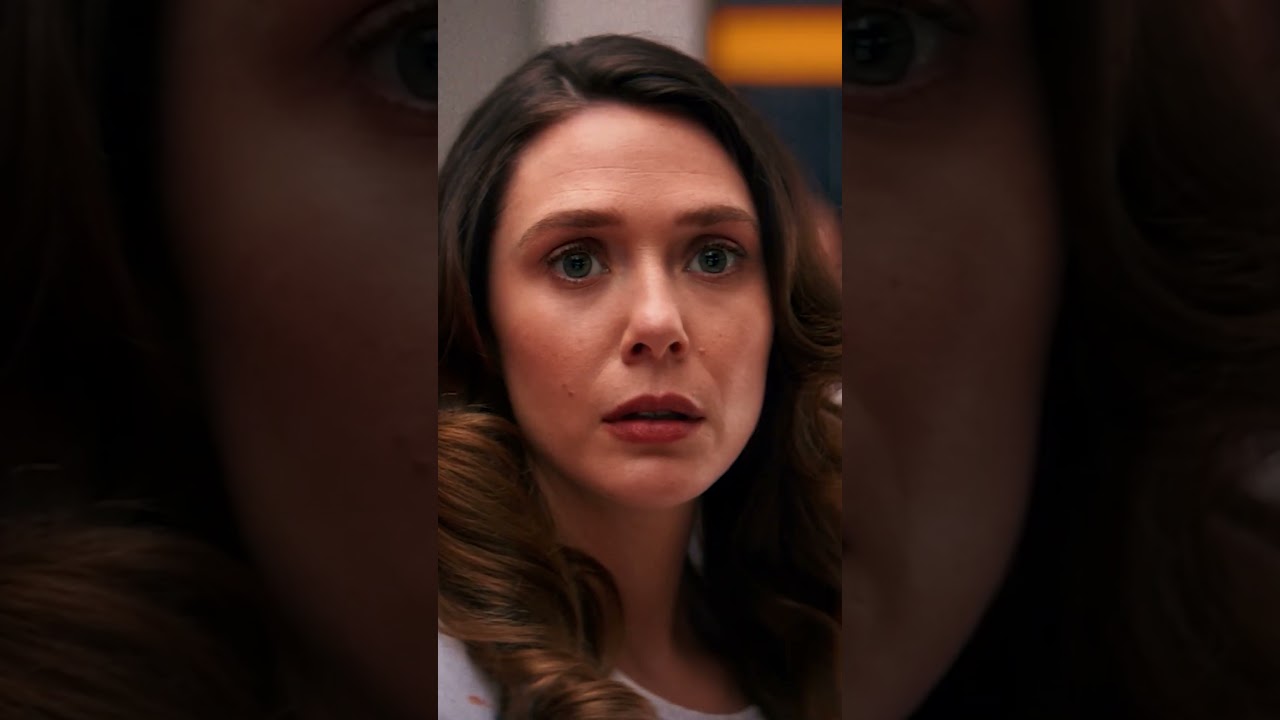
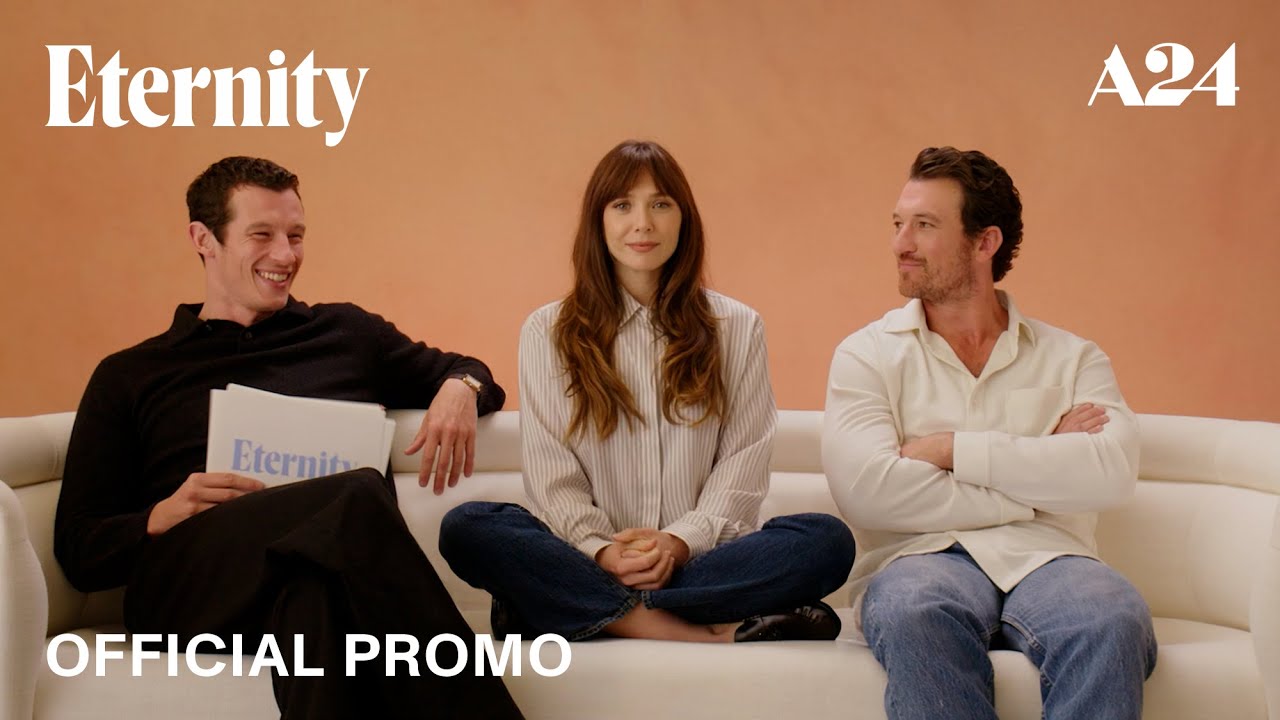
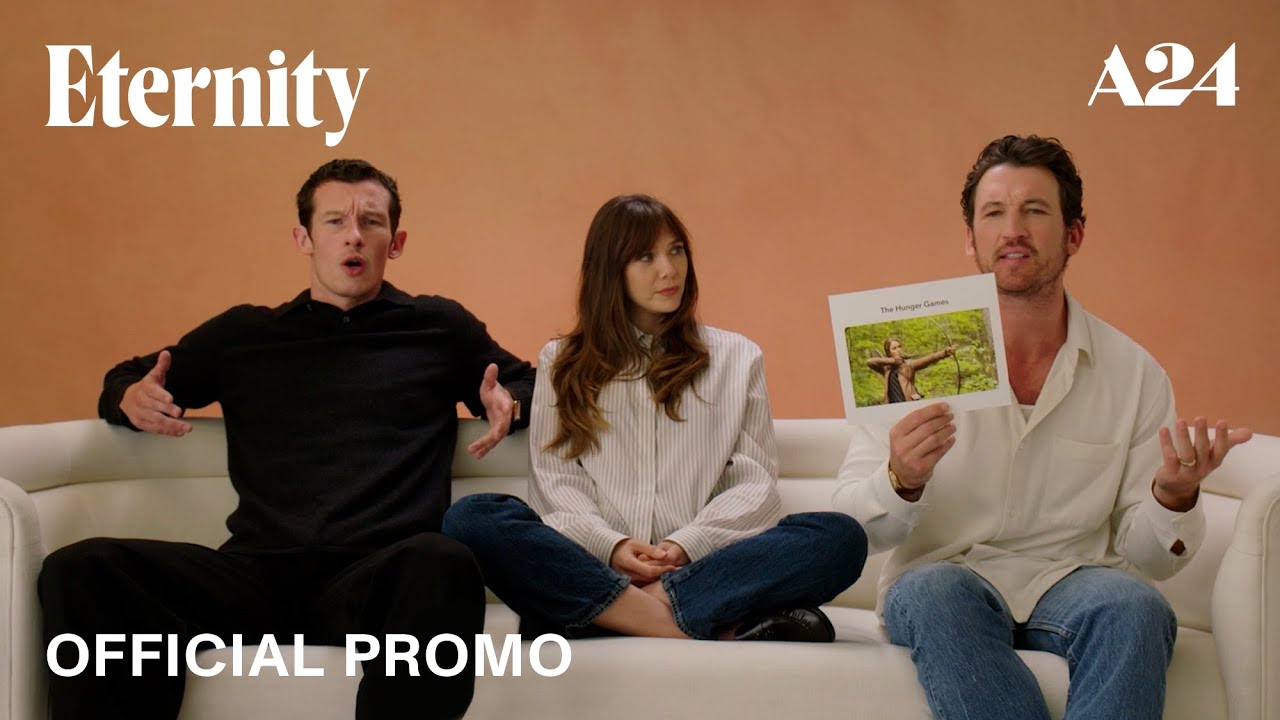
Elizabeth Olsen anchors the film with what feels like her most vulnerable performance in years. She plays someone caught between gratitude for the life she has and haunting curiosity about the life she abandoned, and Olsen never lets us feel entirely comfortable settling on a moral judgment about her character. It’s the kind of nuanced work that doesn’t always generate award attention but absolutely generates the kind of viewer loyalty that builds legacies. Opposite her, Miles Teller and Callum Turner both resist the temptation to play their roles as obstacles or villains—each exists as a legitimate choice, each carries genuine weight.
> “The film’s power isn’t in its premise but in its refusal to resolve its central tension neatly. That’s what lingers after the credits.”
What becomes clear over the course of the narrative is that Freyne isn’t interested in the superficial mechanics of his high-concept setup. The real subject is time, memory, and the stories we tell ourselves about the roads not taken. In lesser hands, this could’ve played as saccharine or frustratingly undecided. Instead, it feels like watching someone genuinely grapple with an impossible choice while also slowly realizing that the choice itself might be the point.
The box office trajectory proved instructive as well. The film held remarkably well week-to-week, suggesting strong word-of-mouth and repeat viewings. In an era where many films crater precipitously after opening weekend, Eternity‘s staying power indicated something more: audiences recognized it as the kind of film worth discussing, worth sitting with, worth recommending. That’s the metric that actually matters for a romance dramedy’s long-term cultural significance.
Looking at where Eternity lands in the broader context of 2025 cinema, it matters because it proved there’s still an audience for films that prioritize emotional truth over spectacle, that trust their actors and their viewers, and that ask genuinely difficult questions without offering easy answers. In a marketplace increasingly dominated by sequel mathematics and algorithmic storytelling, David Freyne’s film feels quietly radical in its commitment to specificity and ambiguity.
The film’s legacy won’t be built on awards seasons or critical consensus—though it certainly deserves consideration in both. Instead, it will persist in that category reserved for films people discover later, watch at particular moments in their own lives, and find startling resonance in. Those are the films that actually shape how cinema evolves, because they demonstrate that audiences will show up for character, complexity, and genuine creative vision. Eternity proved it in November 2025, and that matters more than any single rating ever could.