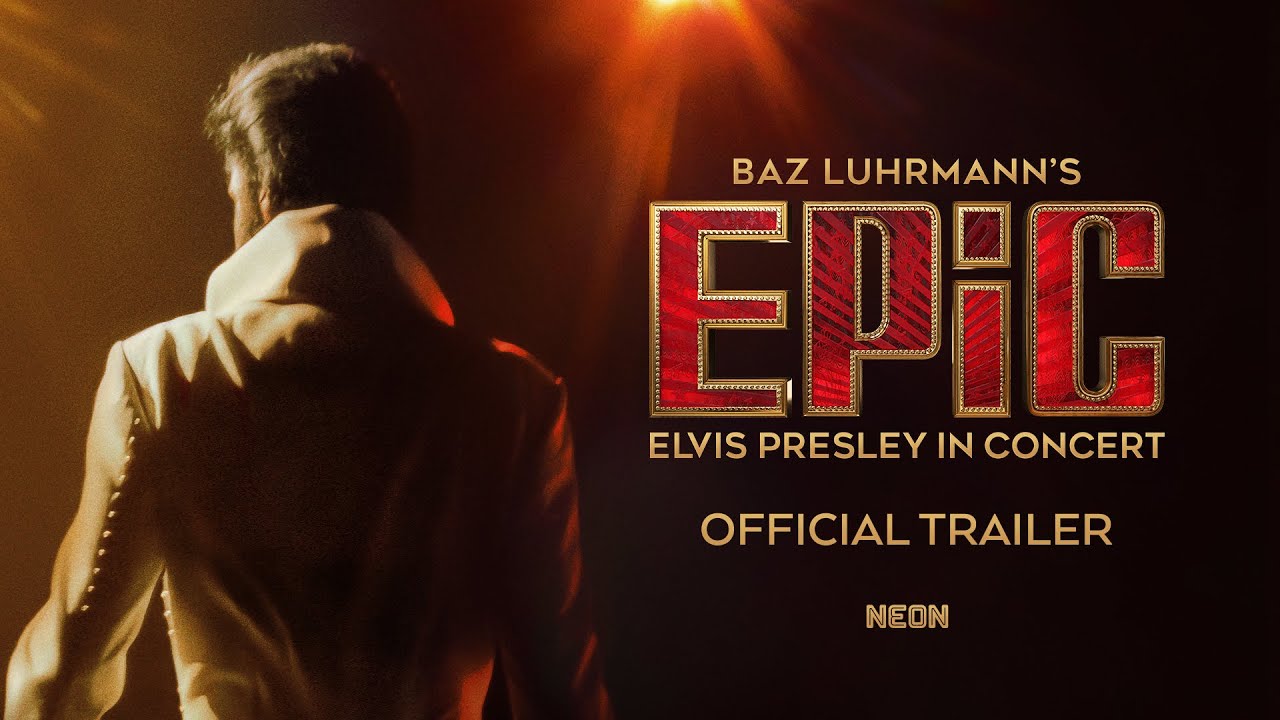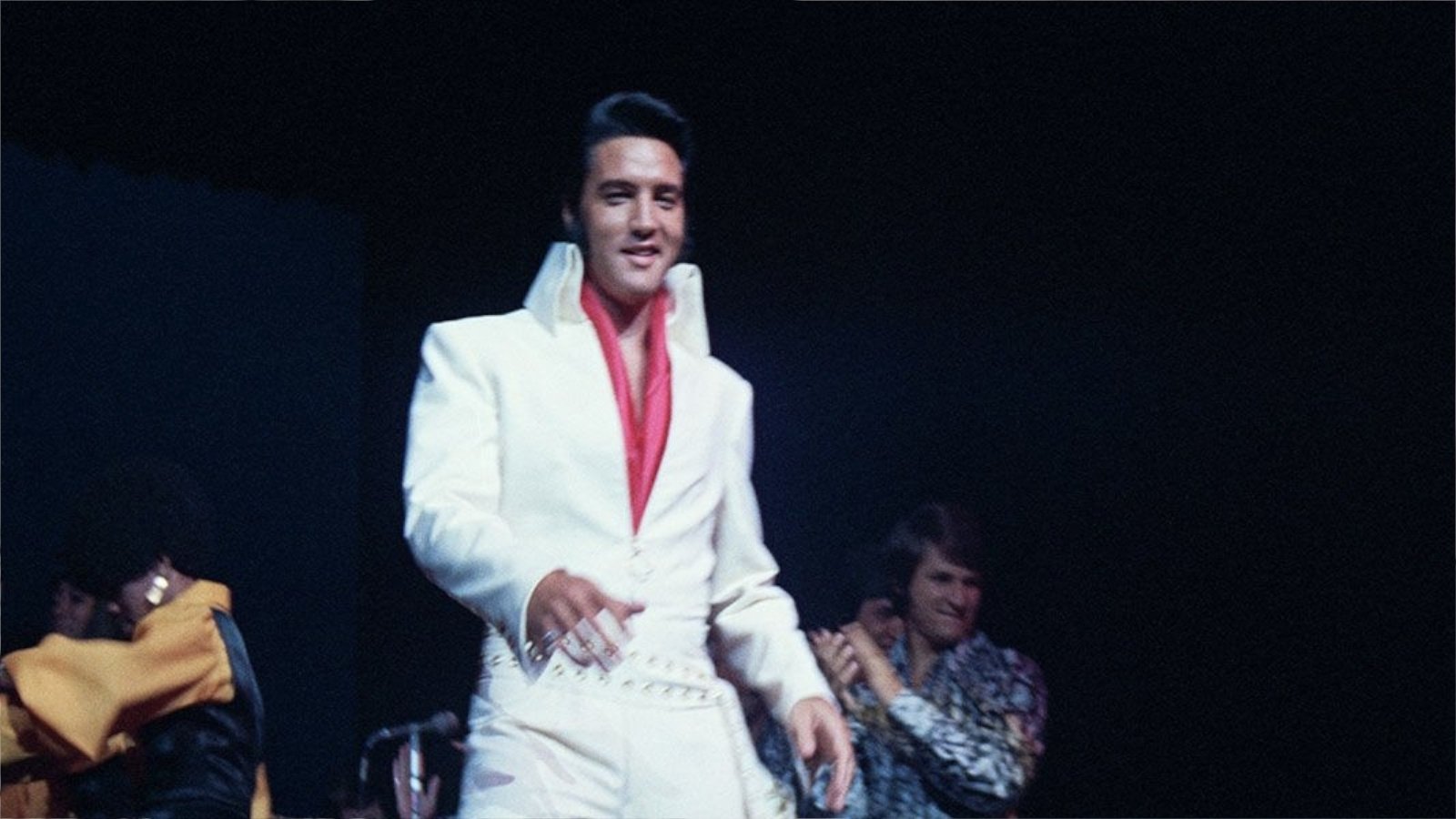
There’s something genuinely electric happening in cinema right now, and it centers on an unlikely convergence: Baz Luhrmann directing a concert documentary featuring Elvis Presley himself. When you first hear “EPiC: Elvis Presley in Concert” is set to release on 2026-02-18, it might sound like yet another nostalgia project—another attempt to monetize the King’s legacy. But this is something far more intriguing than that. This is a visionary filmmaker with an unmistakable aesthetic sensibility being given access to long-lost footage and the genuine voice of rock and roll’s greatest icon. It’s the kind of creative pairing that doesn’t come around often, and the anticipation building toward its theatrical arrival is genuinely warranted.
What makes this project so compelling is the sheer improbability of its existence. Luhrmann, known for his maximalist approach to storytelling in films like Moulin Rouge! and The Great Gatsby, is working with archival material from Elvis’s 1970s Vegas residency—a period that’s been somewhat overshadowed in popular culture, often written off as a footnote in the King’s career. But these aren’t just any recordings. This is raw, unfiltered Elvis at a crucial moment in his life, and Luhrmann’s task is to present it with the same narrative weight and visual innovation he brings to all his work.
The documentary’s tagline—”Elvis sings and tells his story like never before”—hints at something that goes beyond traditional concert footage. This is Elvis in his own words, unmediated and direct.
The production journey itself tells us something important about why this matters. The film premiered at the 2025 Toronto International Film Festival, already generating significant industry buzz. Graceland then hosted the U.S. debut on January 8th, essentially claiming this project as a sacred text worthy of pilgrimage to the very epicenter of Elvis mythology. The filmmakers have even planned exclusive free screening events, including a special presentation at the International Theater inside Graceland itself on February 10, 2026—the very stage where Elvis himself performed. That level of reverence for the source material suggests everyone involved understands they’re handling something precious.
The creative vision here is worth examining closely. Baz Luhrmann has built a career on taking moments in cultural history and translating them into immersive, sensory experiences. His films don’t just show you events—they make you feel them. With EPiC, he’s been given footage most of us have never seen, combined with a subject whose influence remains almost immeasurable. The opportunity to see how Luhrmann’s particular genius intersects with Elvis’s raw talent is honestly thrilling to contemplate.
What we know about the production suggests this goes beyond simple compilation:
- Long-lost footage from Elvis’s Vegas residency—material that’s been locked away from public view for decades
- Elvis himself providing narration and context, giving direct access to his thoughts and reflections
- The documentary woven together with rare behind-the-scenes material
- Luhrmann’s signature visual language applied to these archival sources
- A runtime of 1 hour and 37 minutes—substantial enough to tell a real story, concise enough to maintain momentum
The theatrical strategy alone deserves attention. The film is anticipated to open in IMAX theaters on February 20, 2026, before expanding to standard theaters on February 27. That IMAX-first approach isn’t accidental. It signals that the filmmakers view this as a cinematic experience, not just content to consume passively. Concert footage demands to be seen big, demands to envelop you. This positioning—treating Elvis’s voice and performance as something worthy of the largest screens available—actually validates the entire project.
The ratings system shows a 0.0/10 with zero votes, which is simply because the film hasn’t been released yet and audiences haven’t weighed in. But here’s the thing: that empty slate represents pure potential. There are no disappointed viewers yet, no cynical takes about how the material was handled. There’s just anticipation and the promise of what Luhrmann might accomplish.
What conversations will this film spark? That’s perhaps the most important question. We’ll likely see discussions about how we preserve and present cultural history, about who gets to tell the stories of icons, about the specific historical moment of the 1970s and Elvis’s place in it. This isn’t just another biographical exercise—it’s an archival reclamation project filtered through one of contemporary cinema’s most distinctive artistic sensibilities.
The partnership between Bazmark, Authentic Studios, and Sony Music Vision suggests institutional faith in the project’s significance. These aren’t fly-by-night producers. They’re betting that audiences will respond to this particular version of Elvis’s story. And honestly, given what we know about Luhrmann’s track record and the rarity of the material being presented, that bet feels like smart cinema.
As we count down to February 2026, what emerges is a film that matters for reasons beyond entertainment value alone. It’s about preservation. It’s about artistic vision. It’s about taking something precious from our cultural past and presenting it in a way that honors both its historical importance and its emotional resonance. That’s the real story here—not whether it will be successful, but what it means that such a project exists at all.