When Eenie Meanie premiered in August 2025, it arrived with the kind of ambitious $50 million budget that suggested the studios were placing serious bets on what they hoped would be a game-changing thriller. What we got instead was a fascinating case study in the gap between commercial expectations and critical reality—a film that swung for the fences but connected with audiences in a more complicated, interesting way than the initial numbers might suggest. With a 6.3/10 rating from early viewers, it’s clear this isn’t a critical darling, yet there’s something genuinely intriguing about why this particular project matters when everything else in the genre feels familiar.
Director Shawn Simmons took an unconventional approach to what could have been a standard action-thriller formula. The film’s tagline—”He’s her biggest blind spot”—hints at something the runtime of 1 hour and 46 minutes delivers efficiently: a tight, character-driven story that refuses to spend time on unnecessary exposition. Simmons seems less interested in world-building and more fascinated by the psychological chess match between two people who should know each other but fundamentally don’t. That’s a bold choice for a $50 million production, especially in an era where studios typically demand spectacle and extended runtime to justify their investments.
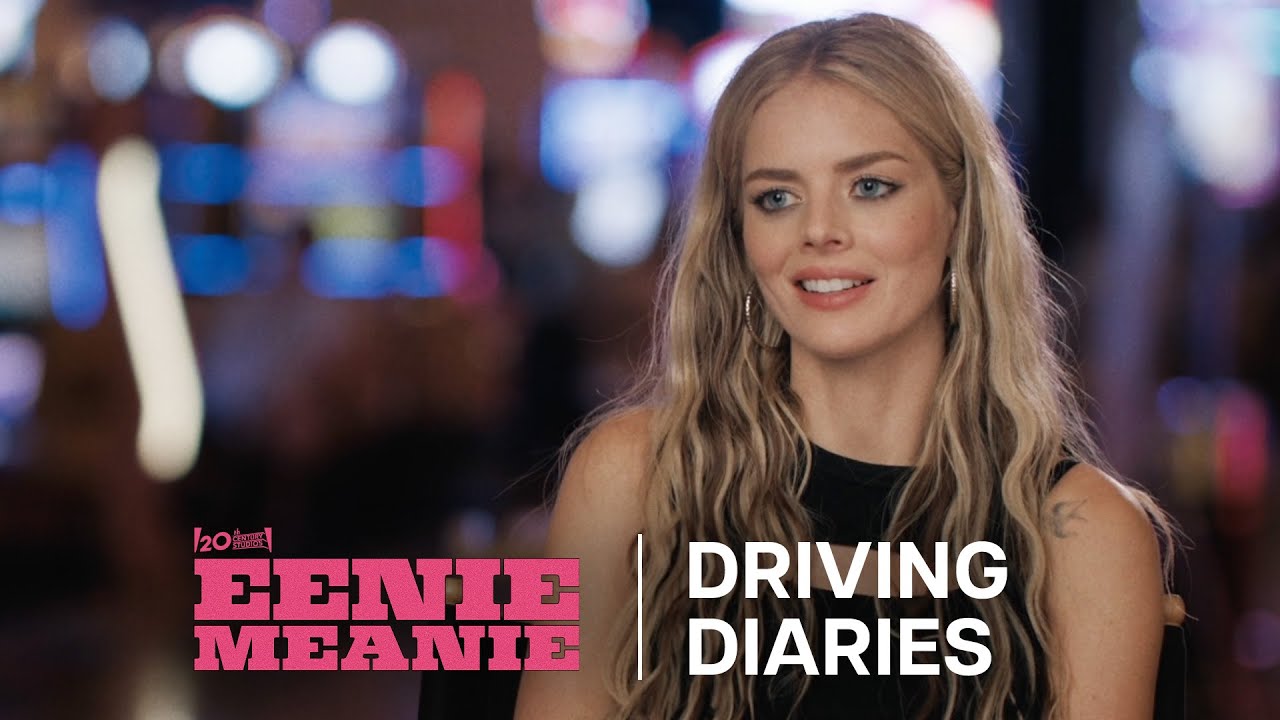
The real heart of Eenie Meanie lives in its casting and the performances that emerged from Simmons’ direction. Samara Weaving has carved out an interesting niche as an actor willing to inhabit morally ambiguous spaces, and this role seems tailor-made for her particular strengths. There’s an intelligence in her screen presence that elevates material that could easily become one-dimensional, and opposite Karl Glusman, she generates a dynamic that feels genuinely unpredictable. What makes this pairing work is that neither actor telegraphs their intentions, which means the audience remains genuinely uncertain about who’s manipulating whom.
> The film’s greatest achievement might be how it resists the urge to make anyone entirely sympathetic or entirely villainous.
Andy Garcia’s presence adds weight and credibility to the ensemble, representing the institutional forces that complicate the central relationship. He brings gravitas to what could have been a thankless supporting role, suggesting that Simmons prioritized substantial character work across the entire cast rather than loading everything onto the two leads. In a genre often defined by disposable supporting players, this attention to casting depth is genuinely refreshing.
What makes Eenie Meanie particularly significant for understanding where the thriller genre is heading involves how it navigates the space between earnestness and dark comedy. The film doesn’t announce itself as a comedy, yet it understands that the most intense psychological situations often contain absurdity. Simmons orchestrates moments where tension and humor coexist—not through obvious gags, but through characters behaving logically within an increasingly surreal situation. This tonal balance is difficult to execute, and the fact that it doesn’t have a perfect critical rating suggests that not everyone appreciated the stylistic choice. But that’s also what makes it culturally interesting.
The box office performance remains an intriguing question mark. With an unknown final total against a $50 million investment, Eenie Meanie exists in that murky territory where commercial viability and critical indifference don’t necessarily tell the whole story. It’s the kind of film that might perform decently in certain international markets or develop a respectable second life on streaming platforms, which actually seems like the appropriate distribution strategy for Simmons’ vision. This isn’t a film designed for maximum theatrical saturation; it’s designed for audiences actively seeking something with edges.
Looking at the creative collaboration more broadly, 20th Century Studios and Reese Wernick Productions took a structured risk—enough budget to execute the vision properly, but not so much that the film needed to chase mainstream appeal to justify its existence. That’s increasingly rare, which explains why Eenie Meanie might prove more significant than its initial reception suggests.
The film’s cultural legacy will likely depend on how it ages and how the industry around it evolves. In 2025, we’re in a moment where thriller audiences are fragmenting—some want elevated, literary material in the vein of Killers of the Flower Moon, others want spectacle-driven action. Eenie Meanie offers something orthogonal to both: a character study disguised as a thriller, anchored by performances that trust the audience’s intelligence. Whether that becomes a template for future filmmakers or remains a fascinating outlier probably depends on whether the film finds its true audience beyond opening weekend metrics.
What stands out ultimately is that Shawn Simmons managed to make a film with significant financial backing that still feels like it has something urgent to say about power dynamics, manipulation, and the stories we tell ourselves about people we think we know. In an industry often driven by franchise potential and IP mining, that’s worth noting. Eenie Meanie might not be a critical consensus pick, but it’s exactly the kind of mid-budget original property that cinema needs more of—ambitious enough to swing, inventive enough to miss interestingly, and grounded enough in character work that it transcends its genre classification.