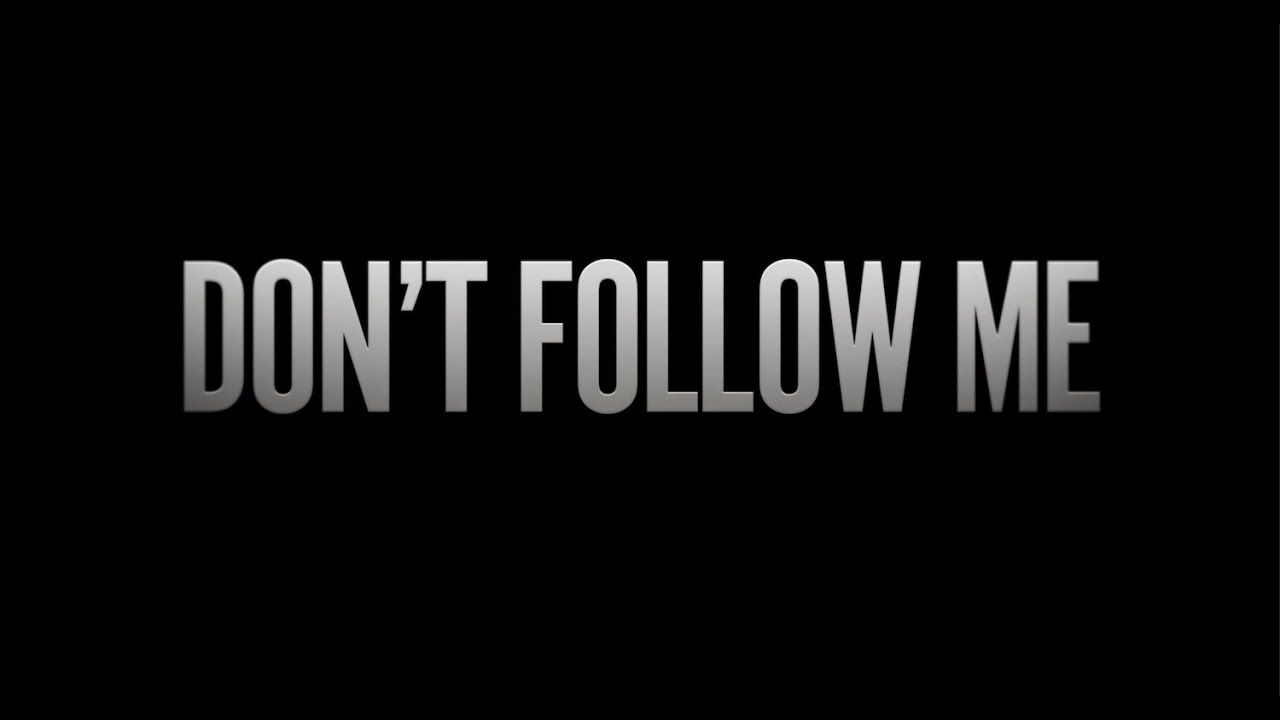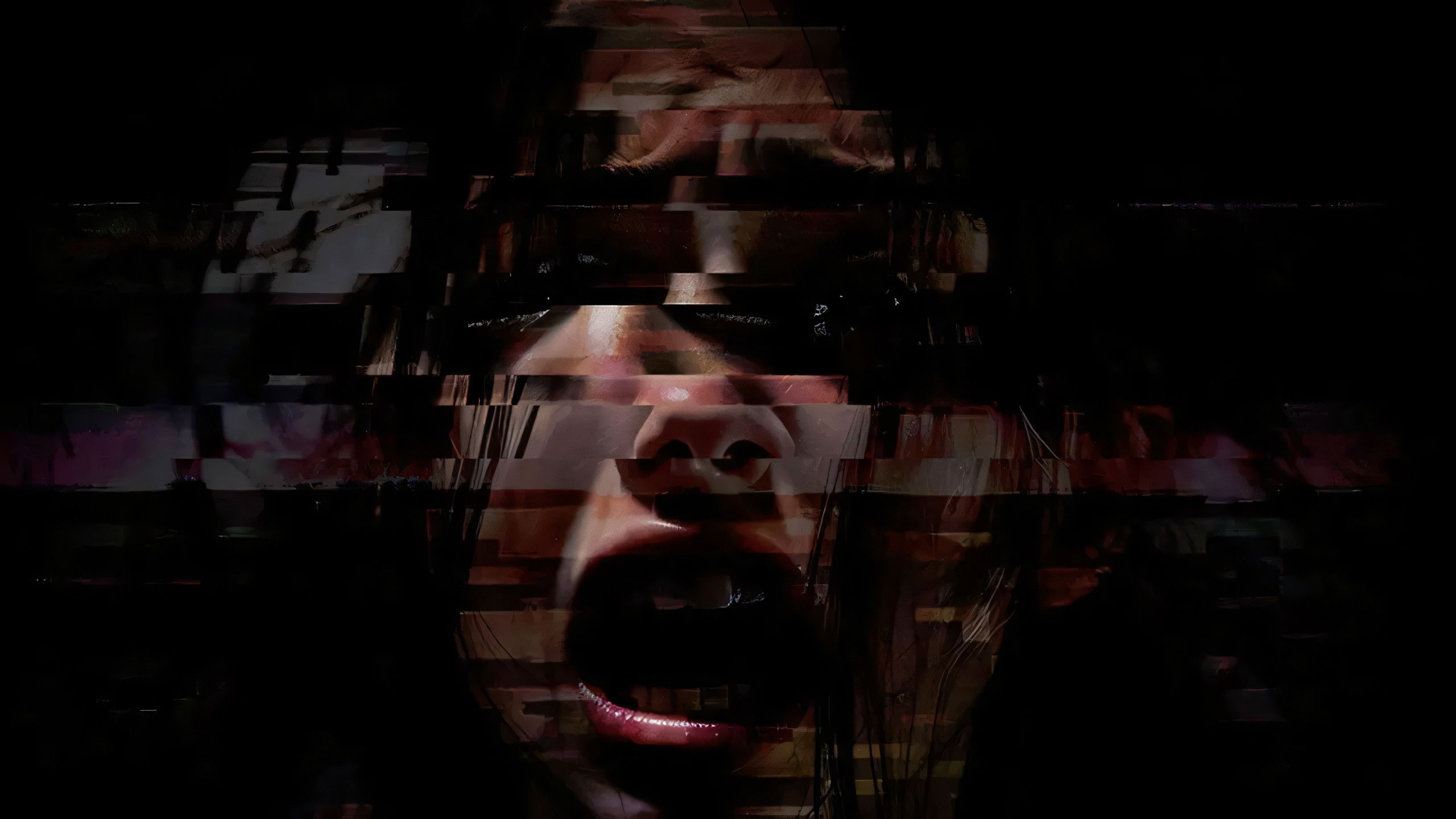
When Don’t Follow Me premiered in late October 2025, it arrived into a film landscape already saturated with horror content—a year when audiences were becoming increasingly discerning about what deserved their theatrical attention. What Ximena García Lecuona managed to accomplish with this lean 83-minute thriller was something that feels quietly significant in retrospect: she created a genuinely unsettling experience that proved you don’t need massive budgets or runtime to burrow under an audience’s skin. In a year where the box office struggled to find consistent winners, this film’s $1,015,383 gross might seem modest, but it tells a more interesting story than raw numbers suggest—a story about a filmmaker who understood exactly what she was making and for whom.
The premise itself taps into something deeply contemporary and claustrophobic. Don’t Follow Me weaponizes the very platforms we inhabit daily, transforming social media from a space of connection into something predatory and unknowable. The film’s tagline—”Follow. Like. Die.”—isn’t just clever marketing; it’s a thesis statement about modern existence. What García Lecuona brings to this concept is specificity and restraint. Rather than leaning into melodrama or heavy-handed messaging, she allows the horror to emerge from mundane details, from the small ways our digital lives can be weaponized.
The film understands that the most terrifying things aren’t always the loudest ones—sometimes they’re the notifications we see every day, recontextualized as threats.
Karla Rodríguez Coronado carries the film with a performance that anchors the increasingly surreal events with genuine vulnerability. What makes her work memorable isn’t a spectacular emotional breakdown; it’s her ability to convey mounting dread through increasingly subtle shifts—the way she checks her phone, the hesitation before she opens notifications, the dawning realization that something is wrong. Yankel Stevan and Julia Maque round out the cast, creating a small ensemble where every interaction feels fraught with the film’s central tension.
The creative collaboration between these performers and García Lecuona seems to have understood something crucial about horror in 2025:
- Authenticity matters more than spectacle in the digital age
- Social media behavior can be mined for genuine horror without feeling preachy
- Tight runtime creates pressure and momentum rather than constraint
- Minimalist approach to effects allows the psychological horror to dominate
The 83-minute runtime wasn’t a limitation—it was a fundamental creative choice. There’s no fat here, no scenes that exist to pad runtime or provide unnecessary exposition. Every moment exists in service of building a specific kind of dread, the kind that doesn’t explode but slowly calcifies around you as you watch.
Critically, the film landed at a 6.5/10 rating, which tells a particular story. It’s not a critical darling, but the fact that 35 votes coalesced around this score—neither dismissive nor celebratory—suggests something more interesting than outright failure. This is a film that divides thoughtfully, that provokes enough disagreement to matter. Some audiences likely found it too restrained, too dependent on mood over plot mechanics. Others probably felt it nailed something essential about contemporary anxiety. Both reactions are valid, and the film’s ability to generate that conversation matters more than universal acclaim.
The production itself emerged from a genuinely ambitious coalition: Maligno Gorehouse, Blumhouse Productions, Edge Films, Wild Sheep Content, and Cinépolis Producciones coming together across borders and institutional boundaries. This kind of international collaboration in horror filmmaking reflects where genre cinema is heading—away from insular national traditions and toward creators working across markets and sensibilities.
What’s particularly worth noting about Don’t Follow Me in the context of 2025’s theatrical landscape is this:
- It chose ambition over safety in a year when studios were hedging bets
- It trusts its audience to sit with discomfort rather than resolving it
- It recognizes that the most relevant horror is often the most intimate
- It represents what happens when a director has a clear, focused vision
García Lecuona’s contribution as filmmaker feels essential to understanding why this project works at all. She’s not operating within a well-worn formula—she’s creating something that feels specific to this cultural moment. There’s a reason horror thrives in uncertain times; it processes anxiety by naming it, by literalizing the threats we feel but can’t quite articulate. Don’t Follow Me does exactly that, using the machinery of social media—the infinite scroll, the algorithmic suggestions, the ghostly presence of unseen audiences—as the mechanism of its terror.
In an industry increasingly dominated by franchises and IP, García Lecuona’s original vision feels genuinely rare, a filmmaker saying something rather than just executing a template.
Whether Don’t Follow Me will endure in the conversation around 2025 horror remains to be seen. It didn’t land the box office numbers that would guarantee mainstream recognition, and the middling critical response means it won’t trend retrospectively as an instant classic. But there’s real value in films that do exactly what they set out to do, that find their audience and affect them precisely as intended. This film will likely develop a quiet cult following—the kind of movie that gets recommended in specific communities, that becomes a reference point for discussions about how horror engages with digital culture.
What matters most is that García Lecuona and her collaborators made something that felt necessary, that understood the specific anxieties of audiences in 2025 and transformed them into cinema. In an increasingly homogenized marketplace, that clarity of purpose is itself a kind of victory.