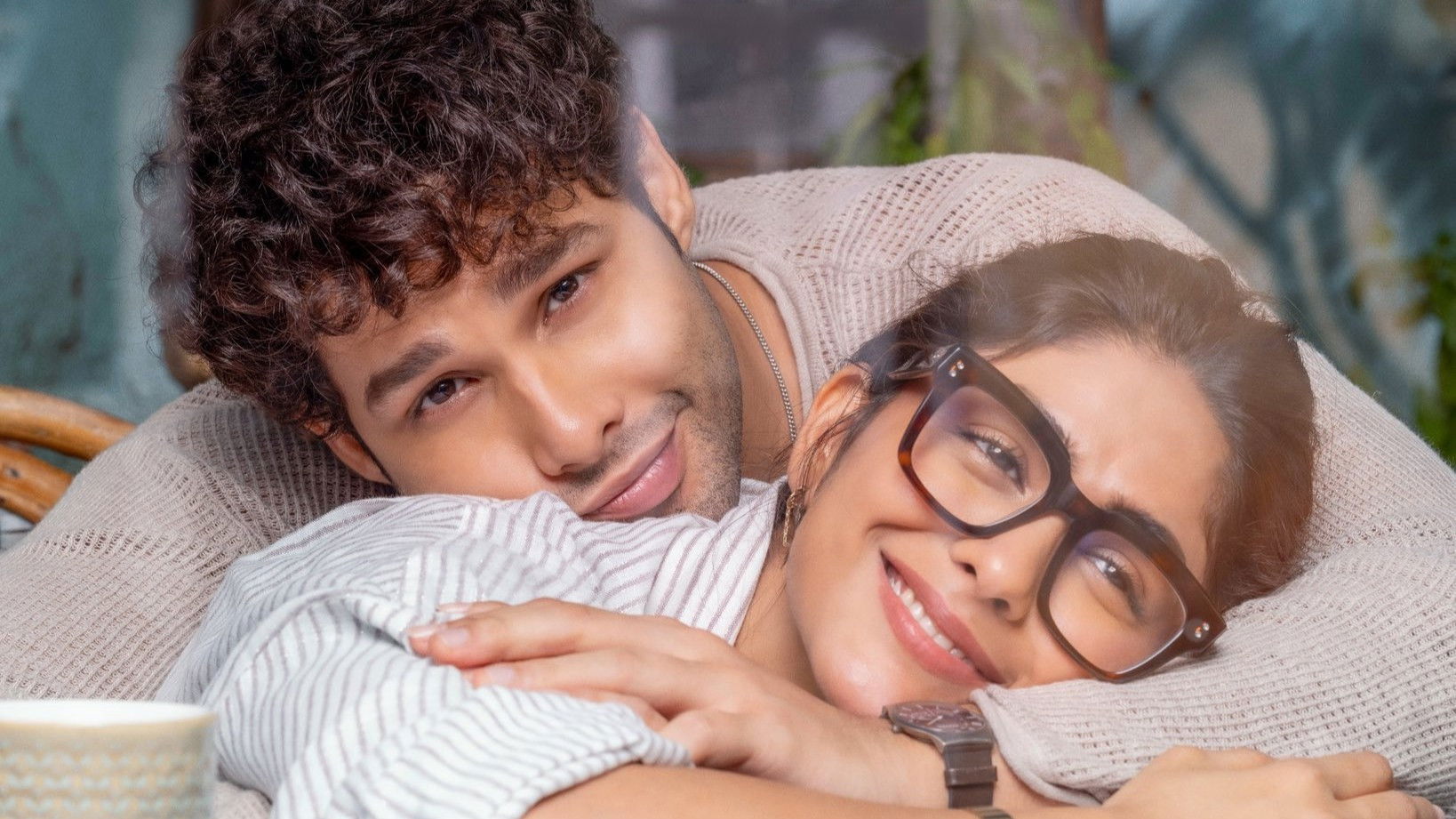
There’s something genuinely exciting brewing in Bollywood right now, and Do Deewane Seher Mein feels like it’s arrived at exactly the right moment. When you hear that Zee Studios and Bhansali Productions are collaborating on a romantic drama, you know the production values alone are going to be something special. But what’s really got the industry buzzing isn’t just the studio pedigree—it’s the creative vision being brought to life by Ravi Udyawar and a cast that genuinely seems primed to deliver something memorable.
The film is scheduled for release on February 20, 2026, and that timing feels deliberate. Coming just before Valentine’s Day, it’s positioned as the season’s romantic centerpiece, which raises the stakes considerably. Yet what’s fascinating is how little pressure that seems to create among the filmmakers. The teaser that dropped on January 19, 2026, painted a picture of something thoughtful and layered—not just a typical love story, but something with real emotional texture. That’s a promising signal about what Udyawar is attempting here.
Let’s talk about Ravi Udyawar for a moment, because his directorial approach seems to be a major part of what makes this project distinctive. He’s shown a real knack for understanding intimate character work while maintaining the grandeur that audiences expect from Bollywood productions. With Do Deewane Seher Mein, he’s working with a romantic narrative, which traditionally calls for a certain kind of visual poetry. Given the Bhansali Productions involvement—a house known for sweeping romanticism and meticulous production design—it seems like Udyawar is getting the resources and creative space to fully realize his vision.
What about the ensemble? This is where it gets particularly interesting:
- Siddhant Chaturvedi has evolved considerably as a performer, bringing a naturalistic intensity to roles while still understanding the melodic nature of Hindi cinema dialogue
- Mrunal Thakur carries a certain contemporary sensibility while being deeply rooted in traditional romantic cinema values—she’s the kind of actor who can ground emotional extremes
- Ila Arun adds what feels like essential generational wisdom; her presence suggests this isn’t just a two-hander love story, but something with familial and societal stakes
This casting feels intentional in ways that matter. It’s not just about star power—it’s about actors who can collectively inhabit a story that’s presumably about love, desire, and the complications that arise when two people become completely immersed in each other within an urban setting.
The title itself—Do Deewane Seher Mein (Two Mad People in the City)—speaks volumes about the thematic territory. There’s an inherent tension in that concept: the controlled, structured world of urban spaces colliding with the chaos of romantic obsession.
From a storytelling perspective, that’s genuinely compelling territory. Urban romance in Hindi cinema often gets reduced to meet-cutes and obstacle courses, but the framing suggested by this title hints at something deeper. There’s an acknowledgment that these characters might be mad, might be irrational, might be overwhelming. That’s not the language of a conventional romance—it’s the language of something more psychologically complex.
Here’s what the pre-release buzz suggests we’re looking at:
- A film that takes its romantic premise seriously without becoming overwrought
- A visual package that honors Bhansali Productions’ aesthetic reputation
- A narrative that engages with urban spaces as active participants in the story, not just backdrops
- Character work that moves beyond tropes toward something more authentically human
The fact that this hasn’t yet been released (we’re still in the anticipation phase leading up to February 20, 2026) actually gives us the luxury of engaging with the potential of the project. Right now, it exists as possibility—and possibility is sometimes more interesting than actuality.
What this film might represent for cinema more broadly is worth considering. Bollywood has been in a fascinating period of recalibration, where filmmakers are asking what romantic cinema can be in contemporary contexts. Do Deewane Seher Mein seems to be asking whether we can tell stories about love that acknowledge both its beauty and its destabilizing power. Whether it fully succeeds or not (we’ll find out soon enough), the asking of the question is valuable.
The collaboration between these specific creative voices—Udyawar’s directorial sensibility, the production house’s resources, and the cast’s commitment to their roles—suggests that this could be one of those films that reminds audiences why they fell in love with romantic cinema in the first place. Not because it’s conventional or comfortable, but because it dares to suggest that love, at its core, really is a kind of beautiful madness.