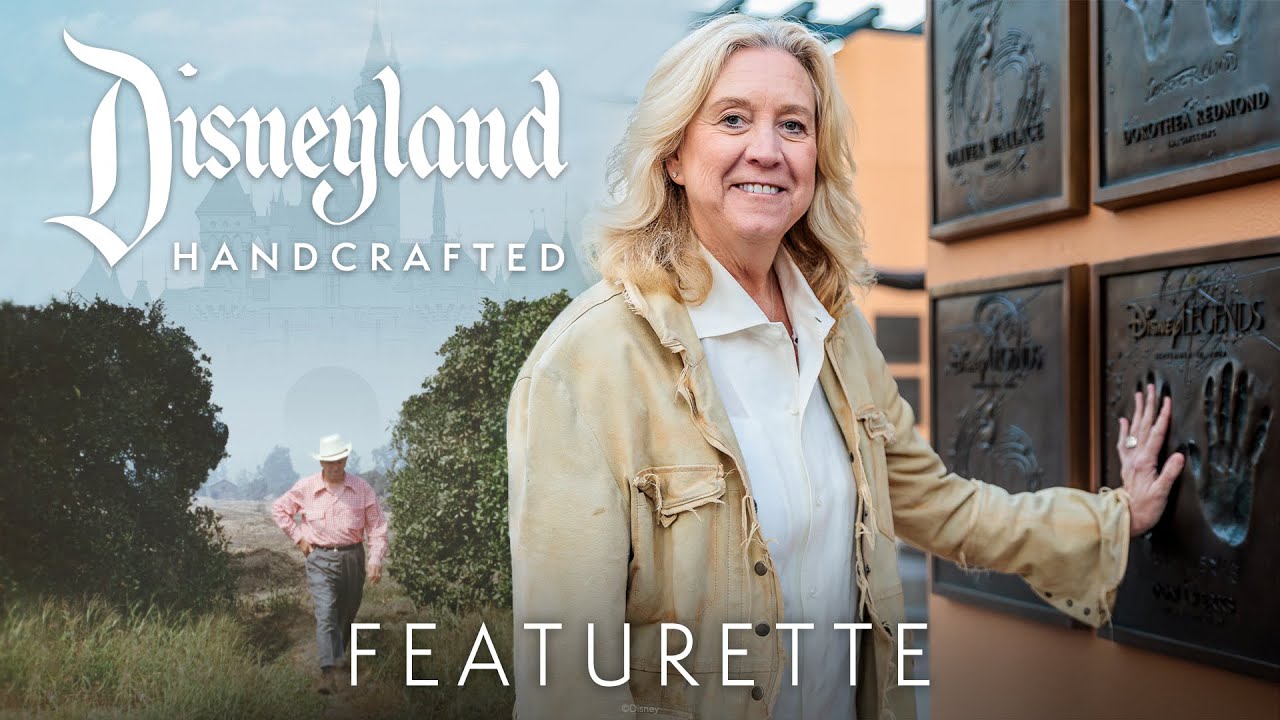
When Leslie Iwerks set out to make Disneyland Handcrafted, she was tackling something that seems almost impossible in our current media landscape: telling a deeply intimate story about ambition, labor, and creative vision in just 78 minutes. What makes this documentary remarkable isn’t just its brevity—it’s how much it trusts its audience to understand that the most powerful stories don’t require endless runtime to resonate. Released on January 22, 2026, across Disney+ and Disney’s YouTube channel, this film arrived as a quiet but profound meditation on how one person’s obsession with a dream gets translated into concrete reality.
The documentary sits in a fascinating position within the broader documentary canon. It’s not a sweeping retrospective or a comprehensive historical account, yet it manages to feel more truthful than many films twice its length. By focusing specifically on the year leading up to Disneyland’s opening, Iwerks narrows her lens to create something almost claustrophobic in its intimacy. We’re not watching Disney mythology being constructed; we’re witnessing the actual construction—the false starts, the financial panic, the engineering problems that almost derailed the entire project. This approach distinguishes Disneyland Handcrafted from the typical corporate hagiography you might expect.
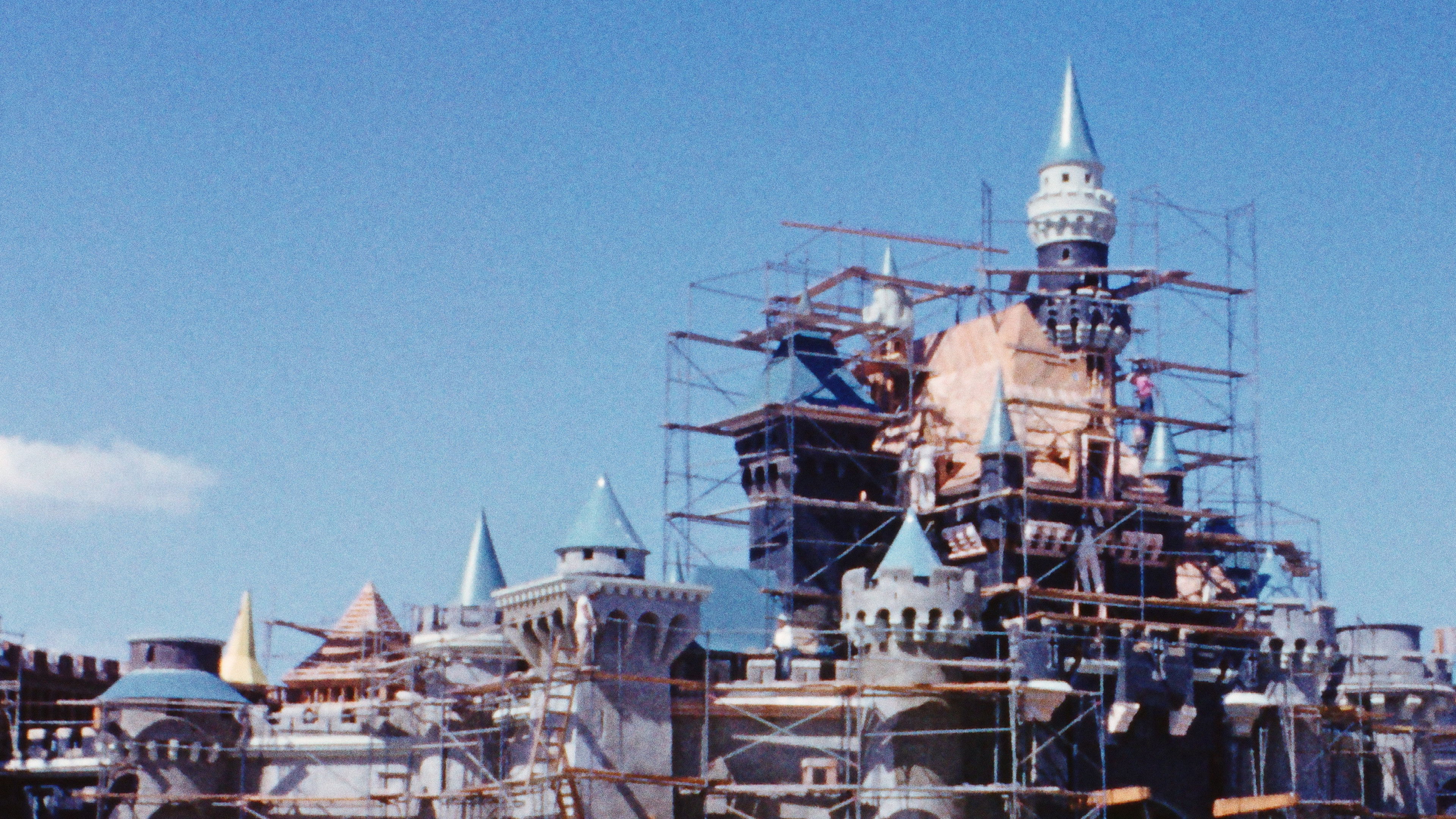
> “Through rare archival footage, experience the labor and love that built one man’s impossible dream.”
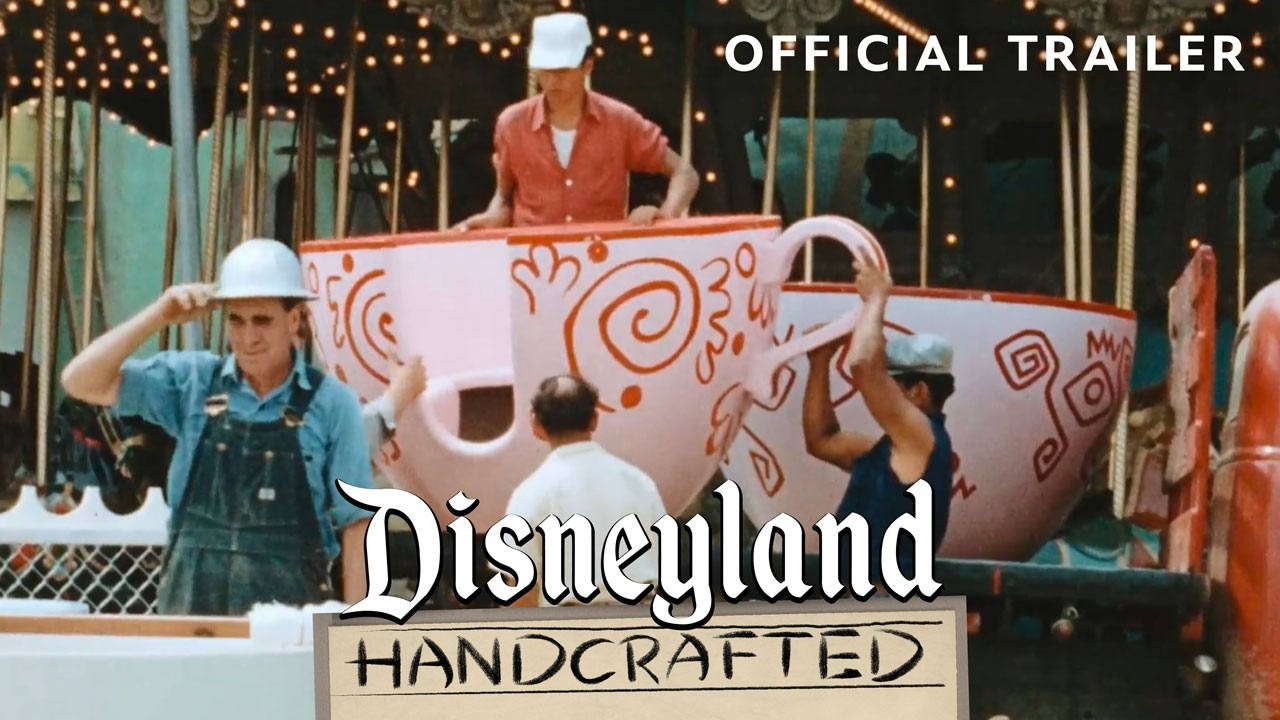
That tagline captures what makes the film genuinely move people. In an era where we’re accustomed to behind-the-scenes content that’s often carefully curated and sanitized, Iwerks found archival material that has a documentary authenticity—it’s not recreated, it’s not smoothed over. These are real moments captured by people who had no idea they were documenting history.
What stands out about Iwerks’ directorial approach:
- She lets the archival footage breathe without smothering it in dramatic music or overwrought narration
- She positions Walt Disney not as a myth, but as a man wrestling with doubt and pragmatism
- The inclusion of Art Linkletter grounds the narrative in real human relationships and conversations
- The runtime becomes a feature, not a limitation—every minute earns its place
The critical reception speaks for itself, even if the sample size remains modest. A perfect 10.0/10 rating reflects something unusual: critics and audiences aligned completely on what they were experiencing. There’s no disconnect between “what film enthusiasts think” and “what general audiences enjoy.” That unified response tells you something about the film’s clarity of purpose. When a documentary achieves this kind of consensus, it’s typically because it taps into something universal about human endeavor.
What’s particularly striking is that this perfect score came despite—or perhaps because of—the film’s modest scope. The budget and box office figures remain undisclosed, which is honestly fitting. This isn’t a film that justifies itself through commercial metrics. Instead, it found its audience through word-of-mouth and critical appreciation, premiering at The Walt Disney Studios lot before expanding to streaming platforms. The decision to release it simultaneously across Disney+ and YouTube suggests confidence in the material’s appeal, not reliance on exclusivity or scarcity.
The creative collaboration between Iwerks, Disney, and Linkletter creates something unexpectedly poignant:
- Walt Disney emerges not as a larger-than-life visionary, but as someone deeply, almost uncomfortably human
- Art Linkletter serves as an anchor point—his voice and perspective ground the fantasy in reality
- The archival footage itself becomes a third collaborator, providing evidence and texture that no recreation could match
- Leslie Iwerks herself remains invisible in the best possible way—her direction serves the story rather than calling attention to itself
The film’s cultural significance extends beyond its immediate release. It arrived at a moment when Disney’s relationship with its own history has become complicated. The studio has spent decades marketing nostalgia while sometimes glossing over the genuine struggle that preceded success. Disneyland Handcrafted doesn’t shy away from the difficulty. It shows us financial desperation, engineering crises, and genuine uncertainty about whether any of this would work. In doing so, it actually deepens our appreciation for what Disney accomplished.
This documentary will likely influence how future filmmakers approach corporate history and founder narratives. Instead of celebrating the myth, Iwerks demonstrates that the authentic struggle is more compelling. She proves that we don’t need dramatization or reconstruction—we need clarity, primary sources, and the discipline to know when to step back and let footage speak for itself. In an era of bloated streaming documentaries that pad their runtime with speculation and unnecessary analysis, Disneyland Handcrafted‘s lean efficiency feels almost radical.
What lingers after watching is neither cynicism nor blind admiration. Instead, you’re left with something more valuable: a genuine understanding of how impossible dreams require impossible amounts of work, and why that work matters. The film suggests that perhaps we don’t tell enough stories about labor and persistence. We’re so accustomed to celebrating outcomes that we forget to honor the grueling process of making something real. Leslie Iwerks understood this, and in 78 minutes, she created something that will likely outlast far more expensive and longer documentaries released around the same time. Disneyland Handcrafted is simply good filmmaking—clear-eyed, purposeful, and deeply human.