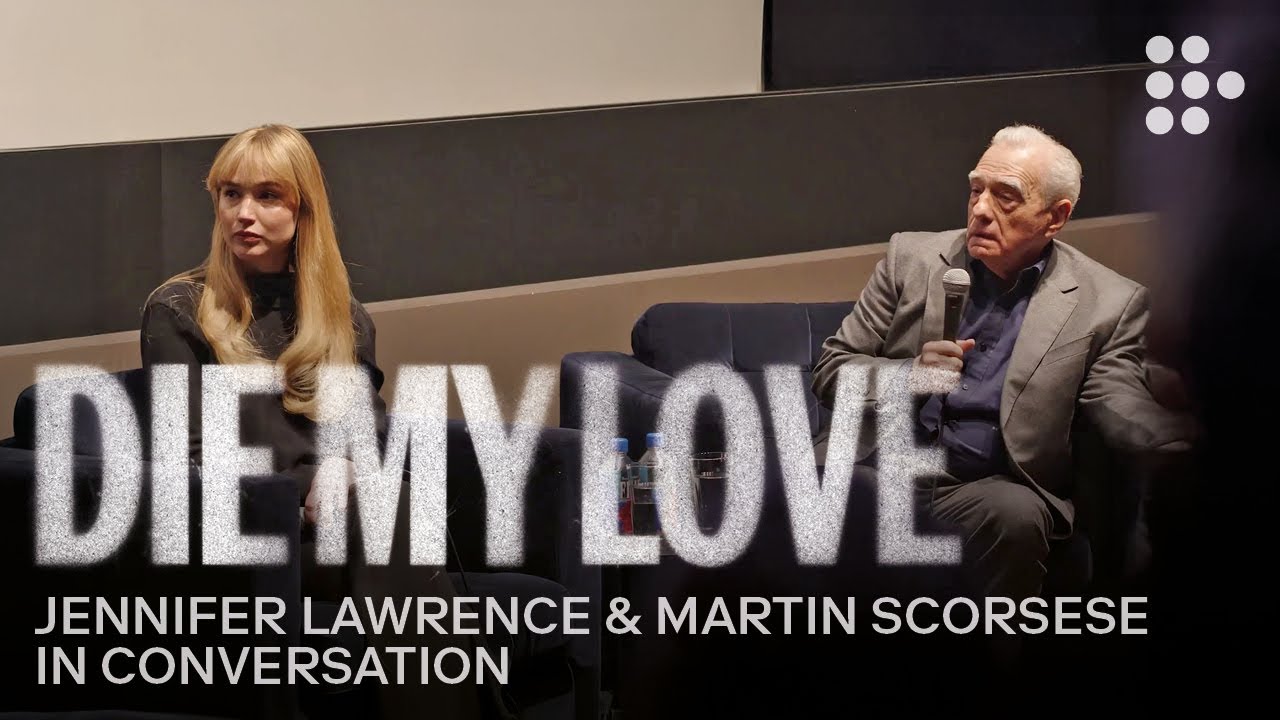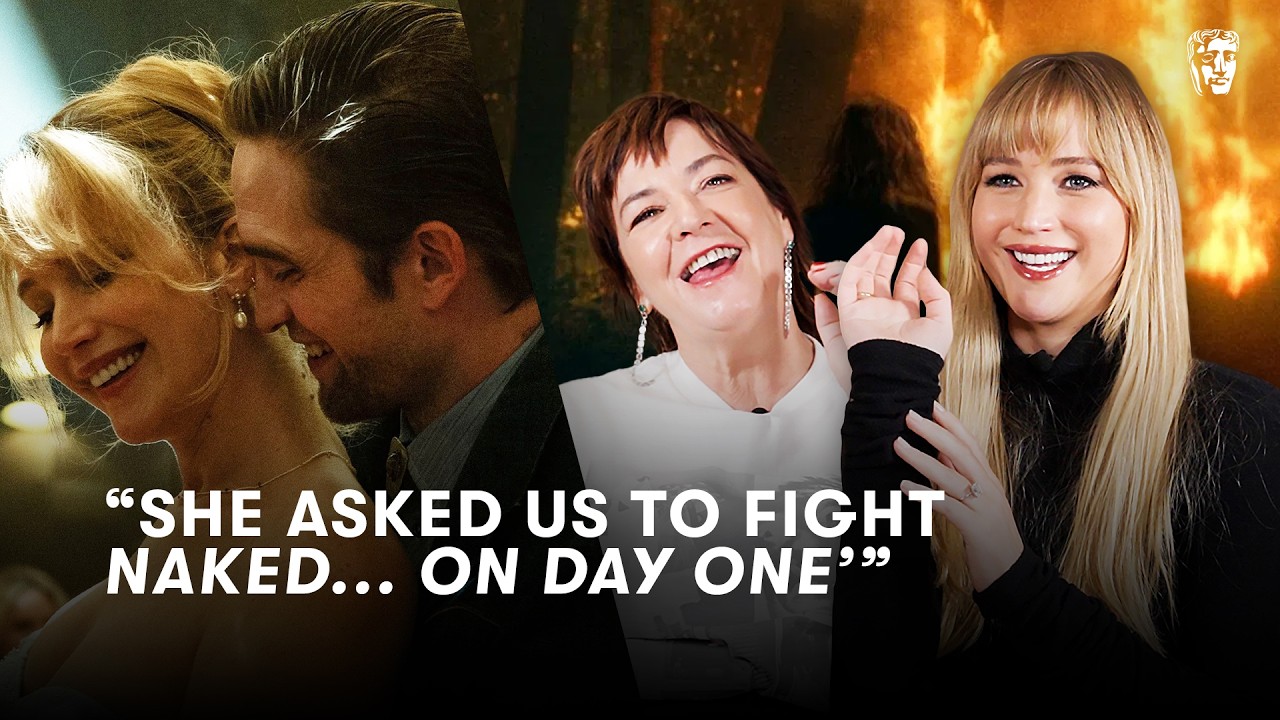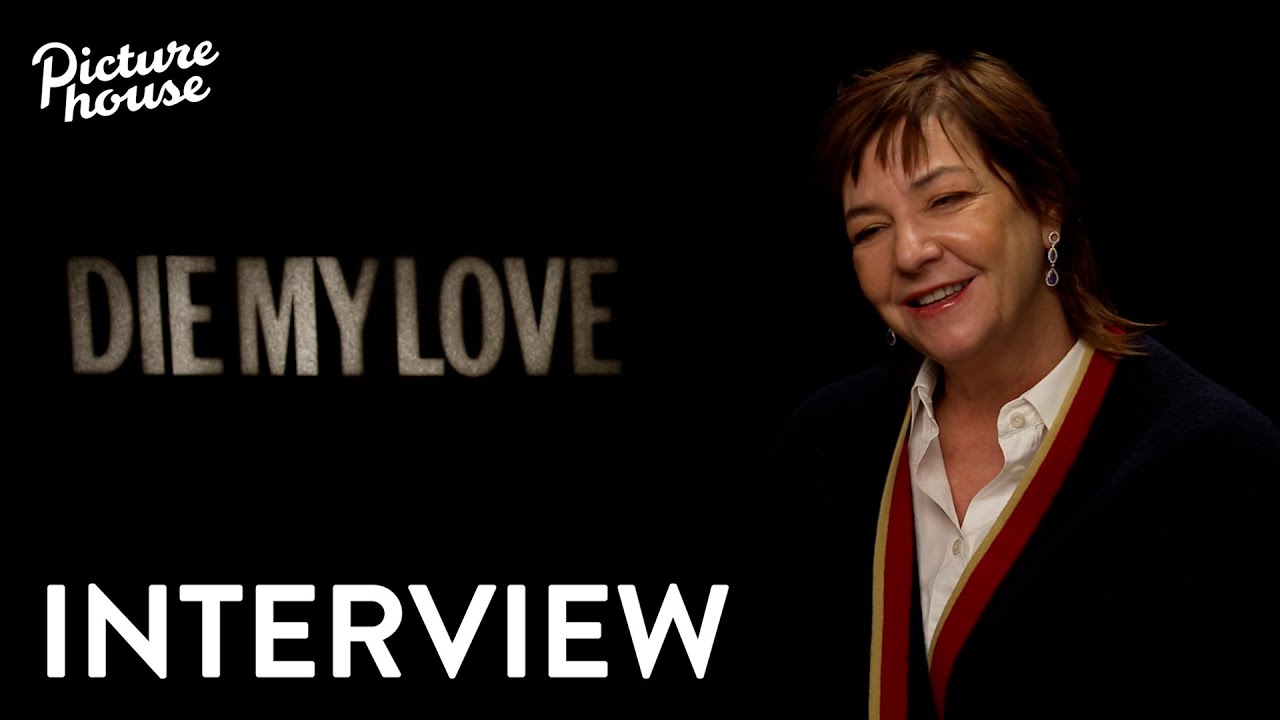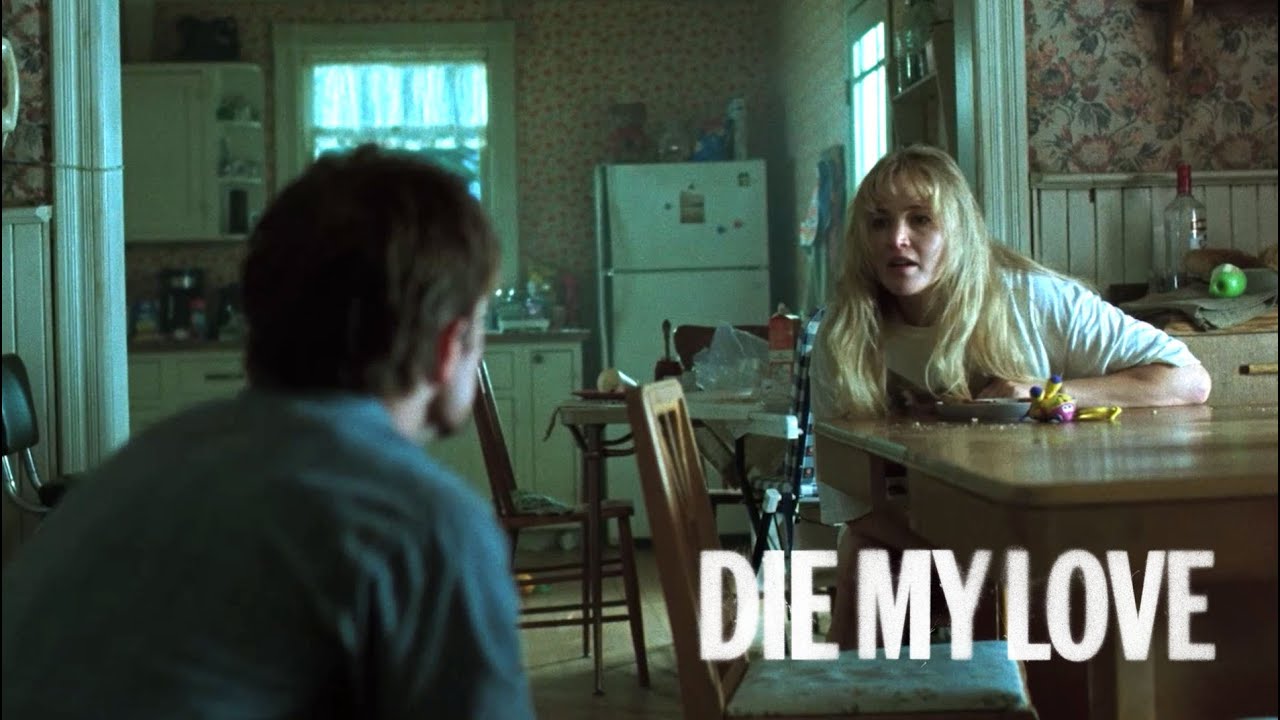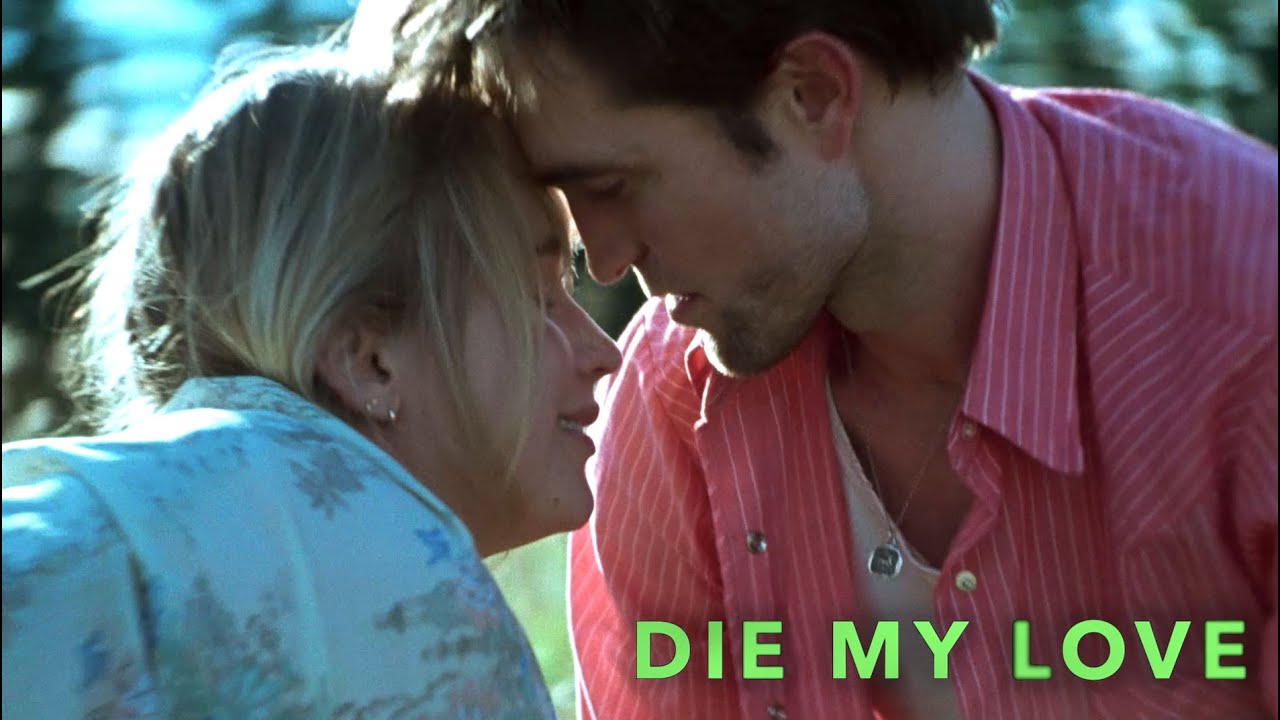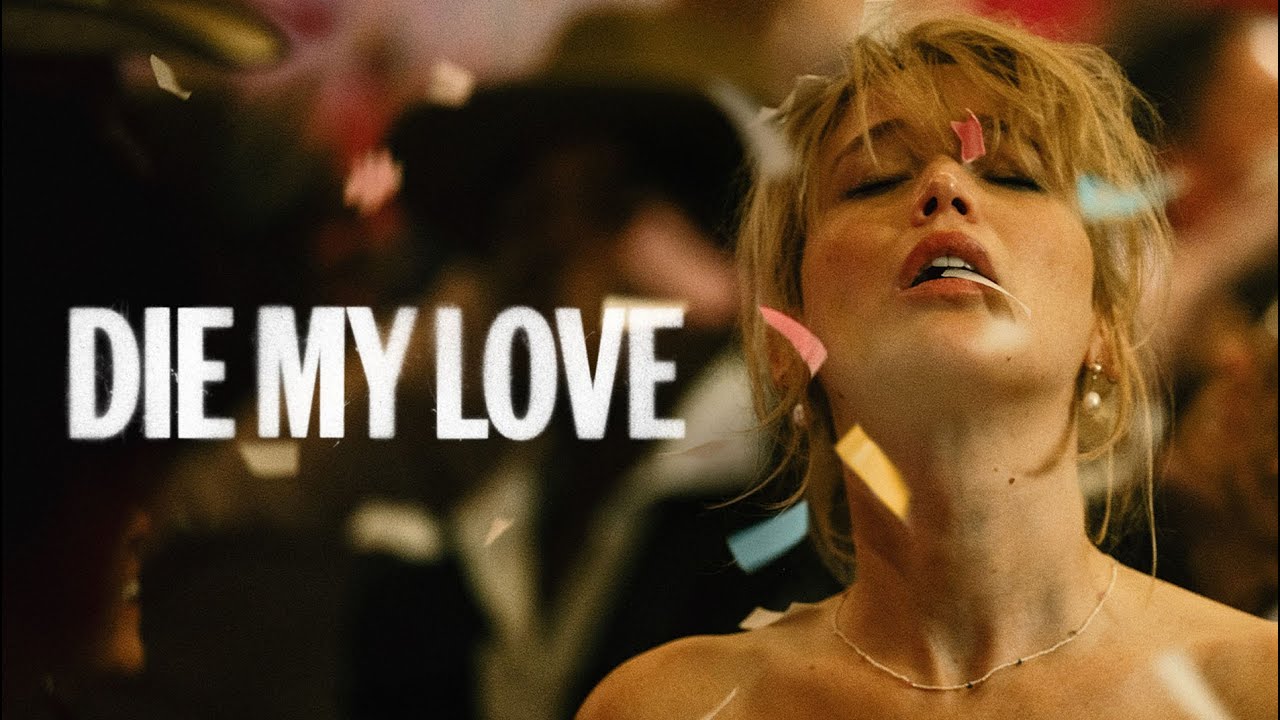
When Lynne Ramsay’s Die My Love premiered at Cannes in May 2025, it arrived as a carefully constructed puzzle—the kind of film that demands something from its audience. With Jennifer Lawrence anchoring the narrative, Robert Pattinson providing a haunting counterbalance, and Sissy Spacek delivering the kind of devastating supporting work that only decades of craft can produce, Ramsay had assembled the pieces for something genuinely unsettling. Yet for all its artistic ambition, the film’s journey to audiences proved decidedly rocky, telling us something important about where challenging cinema sits in our current cultural moment.
The $20 million budget was substantial enough to signal serious intent, but not so large that Ramsay needed to compromise her vision for commercial appeal. What makes this particularly interesting is how the film ultimately performed at the box office—$11.5 million domestically, with the theatrical run finishing at just under $4 million through MUBI’s specialty distribution. On paper, that’s a financial disappointment. A film that cost twice as much to make as it earned back would normally be filed away as a cautionary tale about artistic ambition meeting market indifference. But Die My Love resists that simple narrative.
> “Finding herself losing herself.” The tagline captures something essential about what Ramsay was exploring here—identity as something fundamentally unstable, particularly for women navigating the demands placed upon them.
What’s remarkable about Die My Love isn’t that it failed commercially, but rather what that failure reveals about the film’s refusal to compromise. Ramsay, whose previous work across You Were Never Really Here and The Lost Daughter established her as a director deeply interested in psychological fragmentation, brought that same unflinching sensibility to this project. The 119-minute runtime never feels bloated or self-indulgent; instead, it’s precisely calibrated—every frame earning its place in a narrative that moves with the logic of a nightmare rather than conventional storytelling.
The Creative Achievement
What makes this film genuinely significant is how the three leads function as a unified artistic statement:
Jennifer Lawrence inhabits a character in genuine psychological distress, avoiding the performative markers of conventional drama. She’s never been better at suggesting interiority through restraint, which is precisely what the material demands.
Robert Pattinson exists almost as a specter throughout—present but elusive, embodying the way certain relationships haunt us long after they’ve ended. His work here is economical and haunting.
Sissy Spacek, in a smaller but crucial role, provides the emotional foundation that gives everything else weight. It’s the kind of supporting performance that reminds you why actors of her stature remain essential to cinema.
The critical reception—a 6.2/10 rating from 311 votes—tells us something worth examining. That score sits in an awkward middle ground, neither dismissed outright nor embraced enthusiastically. For a film as deliberately challenging as this one, that’s almost appropriate. Die My Love isn’t designed to be immediately likable or easily digestible. It’s the kind of film that works on you over time, that reveals itself through repeated viewings and private reflection rather than immediate catharsis.
A Film Out of Step with Its Moment
The financial underperformance matters less than understanding why it underperformed. Opening to $2.83 million across nearly 2,000 theaters, the film struggled to find its audience in multiplexes built for different kinds of stories. This is where the Cannes nomination becomes significant—the film was recognized by the international film community as worthy, yet domestic audiences encountered something they weren’t quite prepared for. That gap between institutional recognition and popular reception is worth sitting with.
Yet here’s where Die My Love begins to matter culturally in ways that extend beyond box office totals. Films that refuse to compromise artistically, that gamble on viewer intelligence and emotional maturity, are increasingly rare. In an ecosystem dominated by franchise architecture and algorithmic recommendation, a director like Ramsay choosing to make something this austere, this psychologically complex, registers as an act of artistic defiance. The film may not have found massive audiences during its theatrical run, but it exists now—preserved, documented, available for rediscovery.
The Astra Film Awards nomination for Best Indie Feature positioned Die My Love within a conversation about independent cinema that values artistic integrity. That’s the conversation that matters now. Box office numbers are temporal; they’re tied to opening weekends and theatrical availability and competing releases. But a film’s relationship to cinema history, its influence on how filmmakers think about storytelling and form, transcends those initial commercial metrics.
Why It Endures
What makes Die My Love significant is precisely what made it commercially challenging—its refusal to provide easy answers or conventional catharsis. Ramsay constructs a film about the spaces between what we show the world and what we experience privately, and she trusts viewers to navigate that psychological terrain without hand-holding. That’s increasingly rare, and increasingly important to protect and celebrate in cinema.
The film’s legacy won’t be written by 311 votes or opening weekend numbers. It’ll be written by the critics and filmmakers and audiences who discover it in years to come, who find in it something essential about the contemporary experience of psychological fragmentation and relational difficulty. Die My Love asked for something from audiences that many weren’t prepared to give, and that’s precisely why it matters.