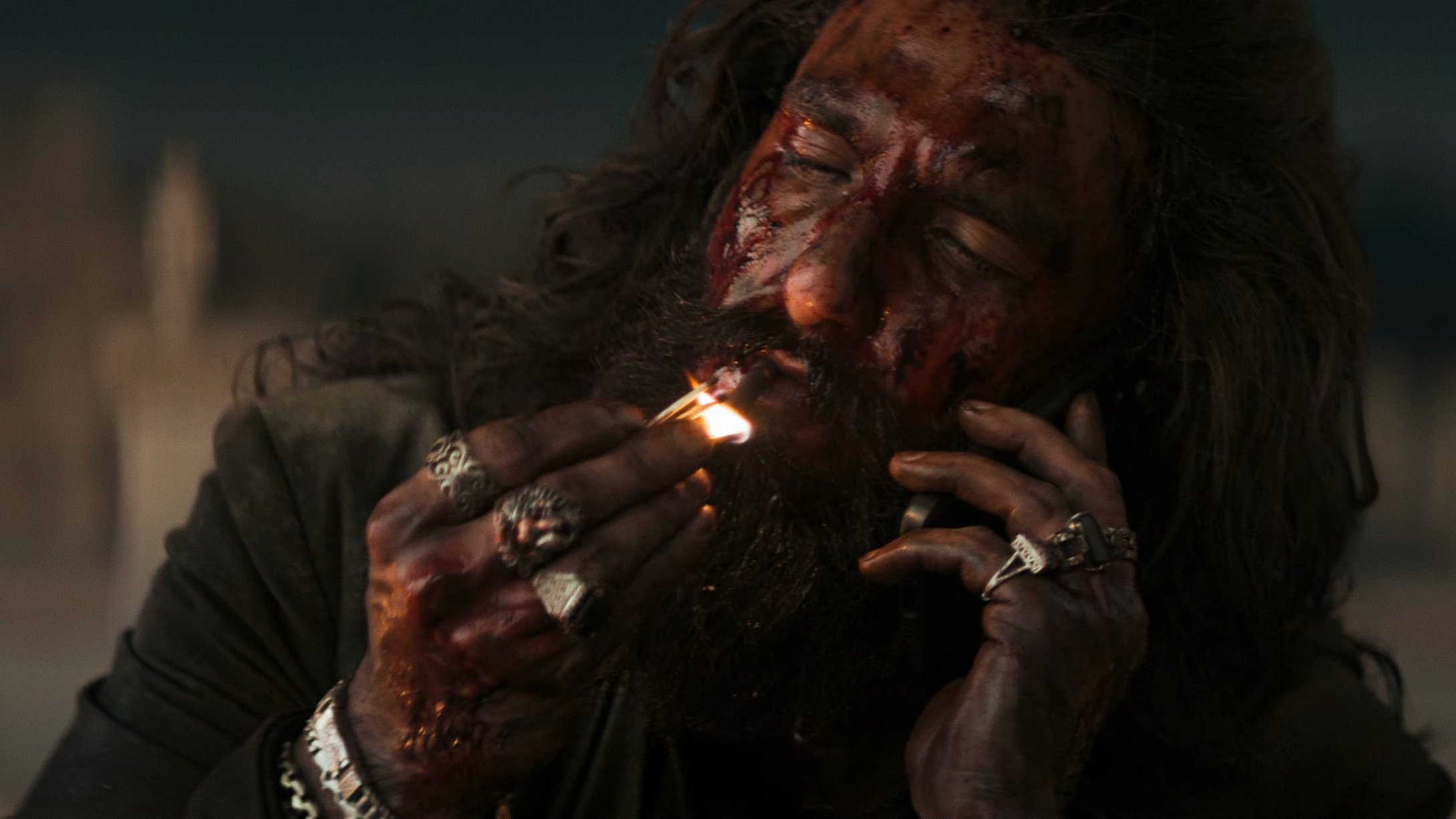
When Dhurandhar premiered in December 2025, it arrived with the kind of weight that only comes with serious ambition and substantial resources. Director Aditya Dhar, already proven with his action-thriller sensibilities, crafted something that felt genuinely rare in contemporary cinema—a three-and-a-half-hour spy thriller that audiences actually wanted to sit through. That runtime could’ve been a liability, but Dhar wielded it like a master craftsman, understanding that epic storytelling sometimes demands epic time.
The film’s box office trajectory tells you everything about its cultural resonance. With a $16.5 million budget, Dhurandhar didn’t just cross the finish line—it obliterated expectations, ultimately grossing $136.15 million worldwide. To put that in perspective: this was 2025’s highest-grossing Hindi film, generating over $105 million domestically and becoming the cornerstone that helped push India’s box office to a record-breaking $1.48 billion for the entire year. That’s not just commercial success; that’s a cultural moment that legitimized a particular vision of Indian cinema on a global scale.
What makes this achievement particularly striking is the film’s critical reception. Critics awarded it a 6.7/10, which sits in that interesting middle ground—respectable without being universally acclaimed. But here’s what matters: audiences disagreed with any reservations. The movie collected an astounding ₹994.4 crores across 211,297 shows with over 36 million footfalls in just 48 days. People came back. They brought friends. They discussed it. That disconnect between critical assessment and audience devotion reveals something about Dhurandhar‘s true identity—it’s not trying to win over festival circuits; it’s building a visceral, thrilling experience that lands with mainstream viewers.
Ranveer Singh carries the film with the kind of charisma that’s become his signature, but what’s fascinating here is how Aditya Dhar refuses to let him coast on charm alone. The role demands physical presence, emotional vulnerability, and intellectual credibility—Singh delivers all three. Working opposite him, Akshaye Khanna and R. Madhavan provide the kind of grounded authenticity that elevates the material. Madhavan, in particular, brings a weathered gravitas to what could’ve been a stock supporting role, transforming it into something that anchors the entire narrative. This cast doesn’t feel assembled for names alone; they feel like Dhar specifically selected actors who could handle the weight of a story that demands three-and-a-half hours of sustained engagement.
The collaboration between B62 Studios and Jio Studios proved decisive. Major studio backing allowed Dhar to realize his vision without compromise—and you feel that confidence in every frame. The budget was substantial enough to support international-scale production values while remaining lean enough that the film needed to work commercially. That pressure, paradoxically, often produces better cinema. It forces clarity of purpose.
> Dhurandhar represents a particular moment when Indian action-thrillers stopped apologizing for their ambitions and started demanding the kind of technical sophistication and narrative complexity that global audiences expect.
Looking at the cultural landscape, Dhurandhar‘s significance extends beyond its numbers. Here’s what the film accomplished:
- Proved the spy-thriller genre’s viability in Hindi cinema at a massive scale, paving the way for similar ambitious projects
- Validated director Aditya Dhar’s creative vision, establishing him as someone capable of managing sprawling narratives and substantial budgets
- Demonstrated audience appetite for longer-form storytelling, challenging the industry assumption that Indian audiences want trim, punchy narratives
- Positioned Ranveer Singh in a different register—less relied on charm, more on substantive dramatic and action work
- Elevated the entire Hindi film industry’s standing by delivering technical quality and narrative ambition that competed globally
The film’s extended runtime wasn’t padding; it was breathing room for complexity. In an era when streaming and fractured attention spans dominate discourse, Dhurandhar asked audiences to commit, to stay present, to invest in something substantial. And they did, in record numbers.
The legacy of Dhurandhar will likely be twofold. Commercially, it proved that intelligently constructed action-thrillers could generate unprecedented returns in the Indian market, signaling to studios that investing in genre filmmaking wasn’t a risk—it was an opportunity. Creatively, it demonstrated that Aditya Dhar had the capacity to scale up from his previous work, managing complex narratives, international production values, and ensemble casts without losing narrative focus.
For cinema historians, Dhurandhar marks a inflection point—the moment when Hindi cinema’s thriller aesthetic fully matured and global ambitions became genuinely achievable. It’s a film that will be studied in film schools not because it’s perfect (the 6.7 rating reminds us of its imperfections), but because it understood its audience, respected their intelligence, and delivered exactly what it promised. In an industry often preoccupied with trends and imitation, that clarity of vision remains genuinely rare and genuinely valuable.