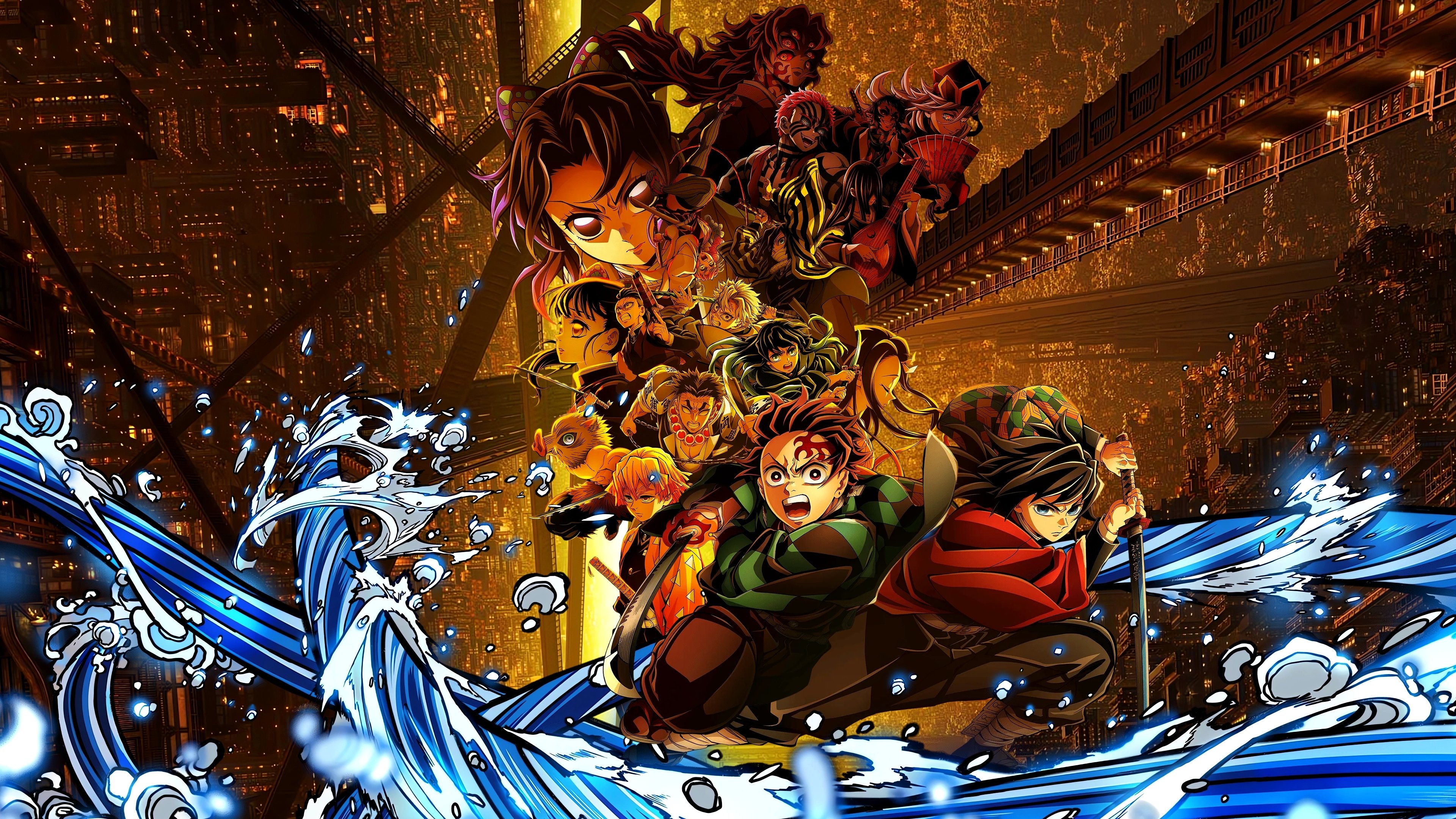
When Demon Slayer: Kimetsu no Yaiba – Infinity Castle premiered in July 2025, it arrived with the kind of quiet confidence that only comes from a franchise that’s already proven itself. Yet what unfolded over the following months was something genuinely unexpected: a $20 million investment that would become a $724 million global phenomenon, reshaping conversations about anime’s place in mainstream cinema. This wasn’t just a sequel capitalizing on existing goodwill—it was a statement about what animated storytelling could achieve when given the resources and creative vision to truly matter.
Director Haruo Sotozaki has always understood that Demon Slayer exists at the intersection of intimate character drama and explosive spectacle. With Infinity Castle, he leaned harder into both, crafting a 2 hour 36 minute experience that demanded you sit with its emotional weight while never letting you catch your breath. The tagline—“It’s time to have some fun”—might sound playful on the surface, but it’s something of a lie, in the best way possible. What Sotozaki delivered was anything but light entertainment. Instead, it was a masterclass in visual storytelling that made the $724 million box office haul feel inevitable rather than surprising.
The gap between budget and revenue tells you everything: a 36x return on investment. But those numbers don’t capture what actually happened—they can’t. They don’t measure the moment when audiences realized anime films could genuinely compete for cultural oxygen alongside superhero blockbusters and prestige dramas.
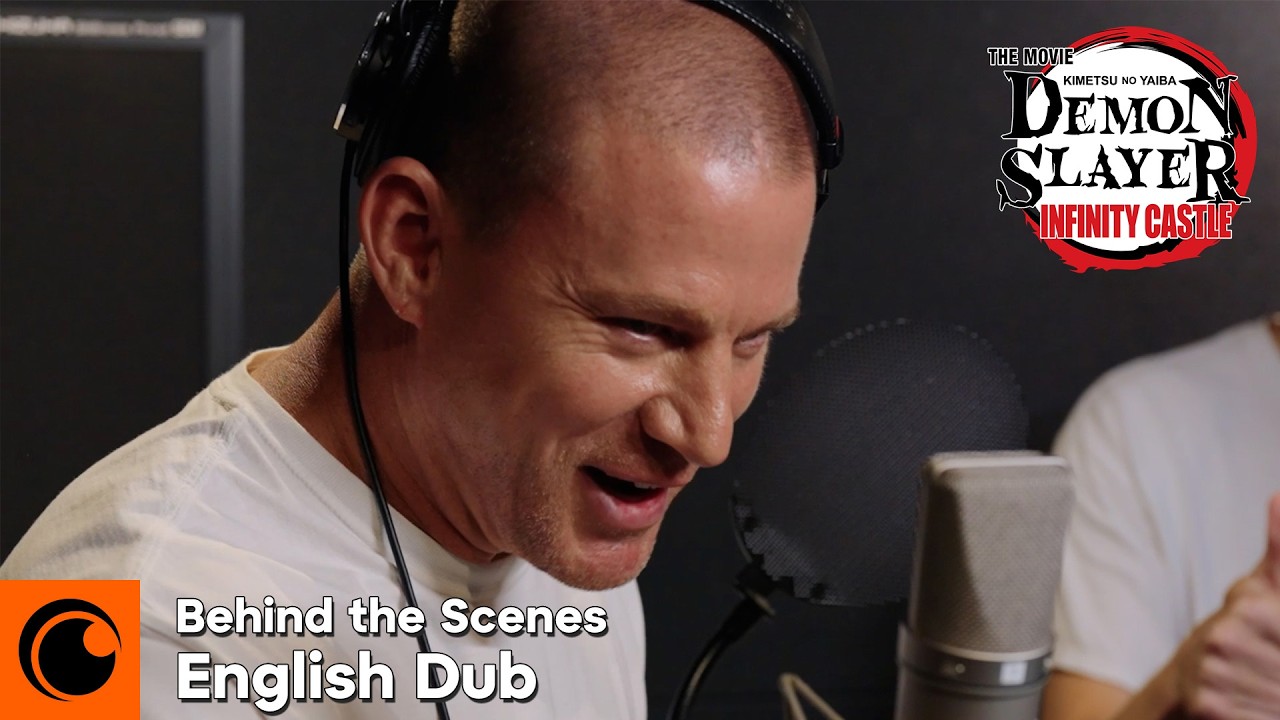
The cast brought everything to their performances. Natsuki Hanae as Tanjiro carried the emotional spine throughout, his voice work finding new depths in scenes where dialogue mattered less than the weight of sacrifice. Takahiro Sakurai and Akira Ishida brought menace and complexity to the antagonistic forces, creating a villain dynamic that felt genuinely threatening rather than performative. The collaboration between these vocal talents—working within ufotable’s visual framework—created something cohesive and alive in a way that separates great anime from everything else.
- What makes Infinity Castle culturally significant isn’t just that it broke records, though it certainly did:
- It opened with $70 million domestically, setting a record for anime film openings
- Japan’s 2025 box office was basically defined by this film, with $248.7 million coming from the home market alone
- International markets embraced it in ways previous anime films only dreamed of
- It proved the theatrical anime film format could sustain three-hour narratives without audience fatigue
But here’s what really matters: ufotable and its parent studios Aniplex and Shueisha essentially changed the calculus for how the industry invests in anime. When a single film can gross 724 million dollars worldwide, it stops being a niche consideration and becomes a template. Every studio was suddenly asking, “What would our anime look like with this budget?” The answer, for many, would come in subsequent years, but Infinity Castle was the proof of concept.
The critical reception—a 7.6/10 rating from 662 votes—presents an interesting tension. It’s strong enough to signal genuine quality, yet measured enough to suggest this is a film rather than a masterpiece or disaster. This feels appropriate. Infinity Castle succeeds not through universal acclaim but through committed emotional resonance. Audiences didn’t just watch it; they felt it. That distinction matters more than a 9.0 rating ever could.
The runtime deserves special mention. 2 hours and 36 minutes is legitimately long for an animated feature, yet the pacing never drags. Sotozaki understands that spectacle without breathing room becomes exhausting, and quiet moments without earned emotional investment feel like padding. He gives you both—extended action sequences that push animation technology forward, and intimate scenes of characters confronting mortality and purpose. That balance is what separates Infinity Castle from being merely impressive.
- What this film represents going forward:
- Proof that anime can be event cinema – Not as a subcategory, but as legitimate competition for cultural relevance
- Validation of long-form narrative storytelling – That audiences will sit with complex stories if they’re told with genuine vision
- A template for franchise investment – Studios learned that trusting directors and investing in quality animation isn’t wasted money
- Shift in international distribution – The success of Infinity Castle opened theaters worldwide for anime in ways that might seem obvious now but weren’t guaranteed before
The legacy of Infinity Castle isn’t primarily about its box office dominance, though that’s certainly part of the story. It’s about the moment when anime stopped being apologetically positioned as “also in theaters” and started being featured as a genuine contender. When critics and audiences alike had to engage with it as cinema rather than novelty, the medium itself crossed an invisible threshold.
Years from now, when historians discuss the evolution of anime in mainstream culture, they’ll point to this film as a pivot point. Not because it was the first anime film to make money—plenty had succeeded before. But because it proved that success wasn’t a fluke dependent on novelty or nostalgia. It was reproducible, scalable, and most importantly, artistically sustainable. You could invest serious resources into anime storytelling and end up with something that resonates culturally while maintaining artistic integrity.
Demon Slayer: Kimetsu no Yaiba – Infinity Castle mattered because it answered a question the industry had been asking for years: What happens when you give anime filmmakers the resources and trust to do what they’ve always been capable of? The answer, it turns out, was nothing short of transformative.



![Doma [Subtitled]](https://img.youtube.com/vi/EpAlHmuA2YM/maxresdefault.jpg)
![Akaza [Subtitled]](https://img.youtube.com/vi/PdC1oC05V9s/maxresdefault.jpg)
![Zenitsu Agatsuma [Subtitled]](https://img.youtube.com/vi/cpoNnc7mjCs/maxresdefault.jpg)
![Shinobu Kocho [Subtitled]](https://img.youtube.com/vi/pp2vyPNBOI4/maxresdefault.jpg)
![Giyu Tomioka [Subtitled]](https://img.youtube.com/vi/EDTgTZkXGfc/maxresdefault.jpg)
![Tanjiro Kamado [Subtitled]](https://img.youtube.com/vi/qfnrOBeXwv4/maxresdefault.jpg)
![Shinobu vs Doma Trailer [Subtitled]](https://img.youtube.com/vi/juD6zgap4-I/maxresdefault.jpg)
![VS TRAILER 3 [Subtitled]](https://img.youtube.com/vi/M5daTTJKT3s/maxresdefault.jpg)

![VS TRAILER 2 [Subtitled]](https://img.youtube.com/vi/5EqVDyqhMko/maxresdefault.jpg)


![VS VISUAL 1 TRAILER [Subtitled]](https://img.youtube.com/vi/6h1PbfaL8pQ/maxresdefault.jpg)
![Official Theme Song Trailer (LiSA) [Subtitled]](https://img.youtube.com/vi/ywHXIge-PbA/maxresdefault.jpg)
![Official Theme Song Trailer (Aimer) [Subtitled]](https://img.youtube.com/vi/11iy5Hyl0fs/maxresdefault.jpg)
![Main Trailer [Subtitled]](https://img.youtube.com/vi/x7uLutVRBfI/maxresdefault.jpg)
![Release Date Reveal [Subtitled]](https://img.youtube.com/vi/rDDxPpzXFhM/maxresdefault.jpg)

![Only in Movie Theatres 2025 [Subtitled]](https://img.youtube.com/vi/nKS3mF_D7dM/maxresdefault.jpg)