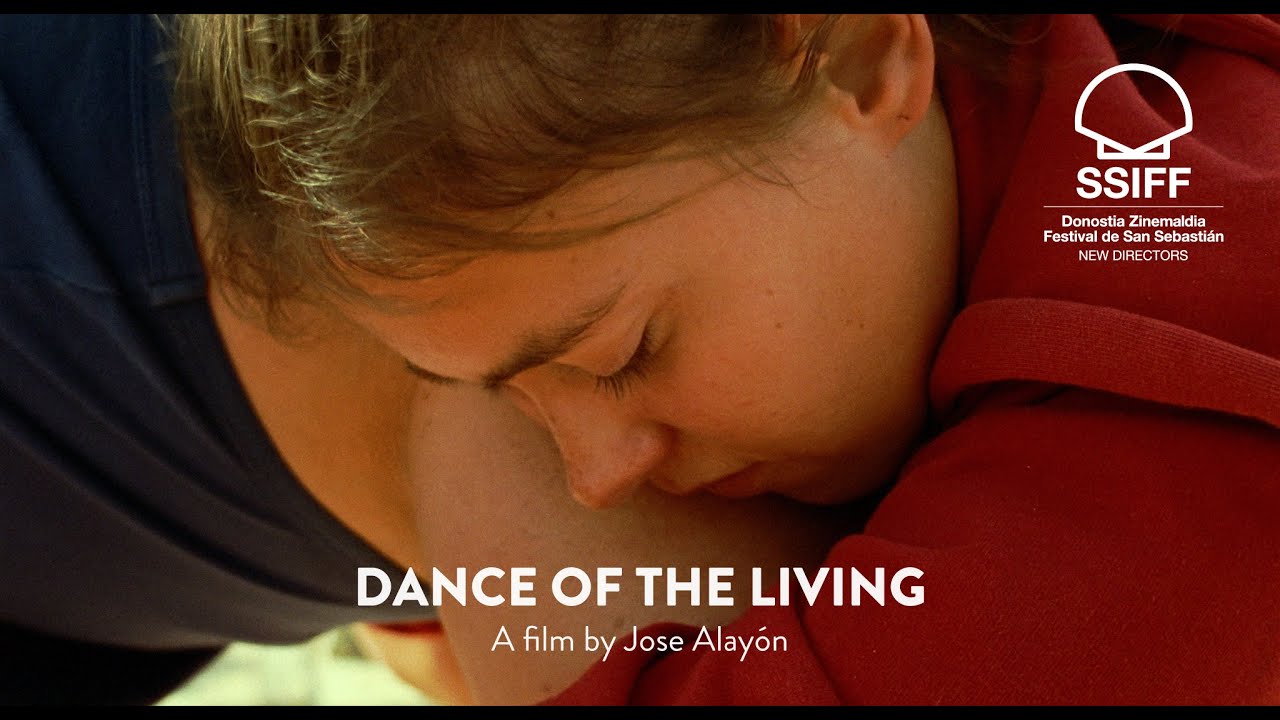
There’s something quietly compelling brewing in the international film circuit right now, and it’s worth paying attention to. José Ángel Alayón Dévora’s “Dance of the Living” is set to arrive on January 30, 2026, and even before its official release, it’s already generating the kind of buzz that suggests something genuinely important is on the horizon. This isn’t the manufactured hype of a major studio release—it’s the kind of organic excitement that builds when filmmakers and festivals recognize a distinctive creative voice.
What makes this film particularly intriguing is how it’s positioned within the contemporary film landscape. This is Alayón’s second feature as a director, which is itself a meaningful threshold. Directors’ second films often reveal whether their debut was a flash of inspiration or the beginning of something more substantial. The fact that “Dance of the Living” already generated enough attention to land at prestigious festival circuits and catch the eye of boutique sales agencies like Bendita Film Sales suggests that Alayón is developing into a filmmaker worth following seriously.
The Power of Metaphor Through Movement
The film’s central subject—Canarian wrestling—might initially seem like a niche topic, but this is precisely where Alayón’s creative vision becomes fascinating. Wrestling in this context isn’t simply about athletic competition; it’s being used as a metaphor for something far more expansive. This kind of thematic ambition, where a specific cultural practice becomes a window into larger human truths, is what separates interesting cinema from merely competent filmmaking.
The title itself, “Dance of the Living,” hints at this layered approach. There’s an inherent poetry in describing wrestling—typically thought of as a brutal, confrontational sport—as a dance. It suggests:
- A rhythm and structure beneath apparent chaos
- The physicality of human connection and struggle
- Movement as a form of expression beyond words
- Life itself as a kind of negotiated performance
This is the kind of conceptual foundation that can elevate a film from documentary-adjacent drama into something with real artistic resonance.
A Compelling Cast and Creative Team
The ensemble cast brings something valuable to the project. Yazmina Estupiñan, Tomasín Padrón, and Inés Cano represent a cohesive group of performers who understand the kind of nuanced, character-driven work that Alayón appears to be pursuing. These aren’t names commanding international blockbuster attention, but they’re the caliber of actors who typically appear in films that win festival recognition and develop devoted audiences over time.
There’s a real advantage in this kind of casting approach—it suggests the filmmakers are prioritizing authentic storytelling over star power. When you’re making a 92-minute drama rooted in a specific cultural practice, you need performers who understand subtlety and can carry the weight of what’s essentially character-focused cinema.
The collaboration between Alayón and his production partners at El Viaje Films and Blond Indian Films indicates a commitment to the kind of international co-production models that have increasingly produced some of the world’s most interesting cinema. These are companies with track records of supporting distinctive voices rather than chasing commercial formulas.
The 2026 Moment and What’s at Stake
It’s worth noting that “Dance of the Living” will be released into a specific cultural moment. By January 2026, the global film landscape will have continued its ongoing reassessment of what narratives matter and which stories deserve worldwide attention. In that context, a Spanish-language drama rooted in Canarian culture, directed by a filmmaker making his second feature, represents exactly the kind of film that challenges the dominance of English-language cinema while exploring themes relevant to audiences everywhere.
The fact that it’s generating anticipation before release—without major studio backing or franchise recognition—speaks to something important about contemporary film culture. There’s still an audience for cinema that prioritizes storytelling depth, cultural specificity, and artistic integrity over broad commercial appeal.
Why This Matters
Here’s what ultimately makes “Dance of the Living” worth your attention:
Directorial Vision: Alayón is establishing himself as a filmmaker with something distinct to say, and his second feature will clarify whether he’s developing a sustained artistic perspective.
Cultural Representation: Films that genuinely explore specific cultural practices—not as exotic backdrop, but as meaningful human experience—are increasingly vital in global cinema.
Festival Recognition: The fact that it premiered in competition at a prestigious festival and attracted distribution interest suggests it’s operating at a level above independent drama.
Thematic Ambition: Using wrestling as metaphor for larger human truths indicates a filmmaker interested in complexity over simplicity.
When “Dance of the Living” arrives on January 30, 2026, it’s worth being among the audiences who’ve been paying attention. These are the films that often develop into the kind of cinema we’re discussing and celebrating years later—the kind that reminds us why we love cinema in the first place.