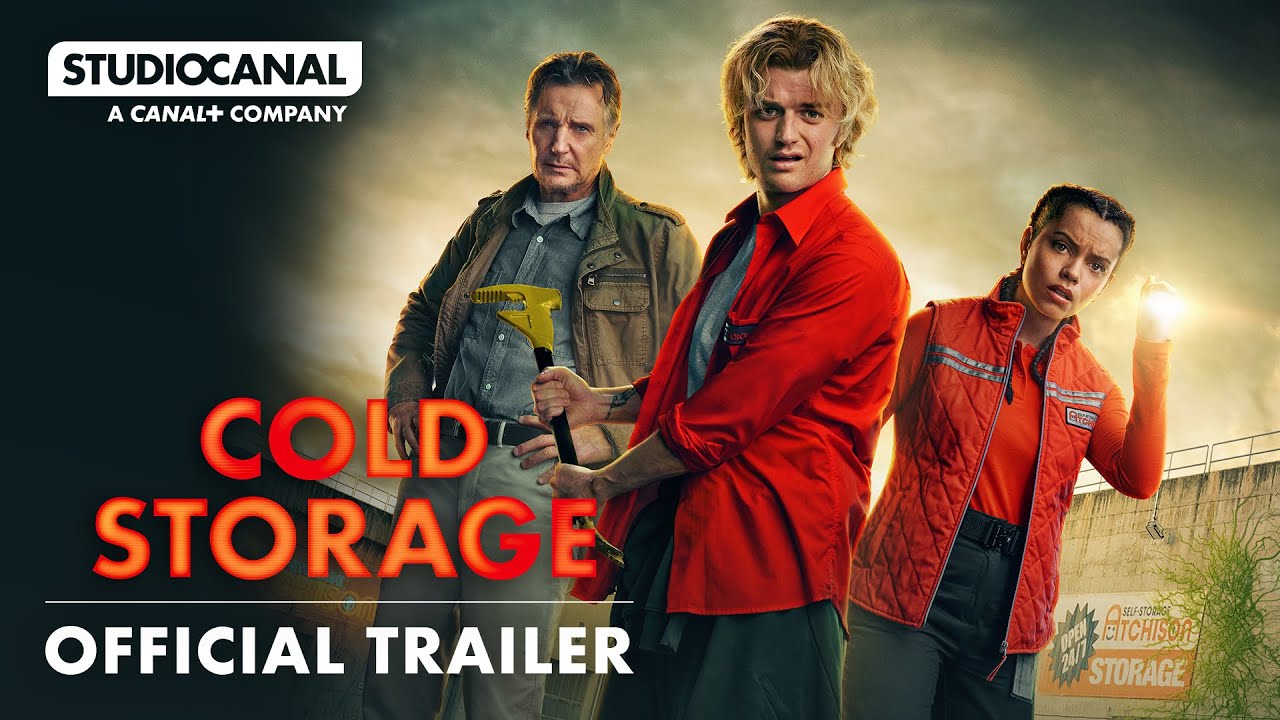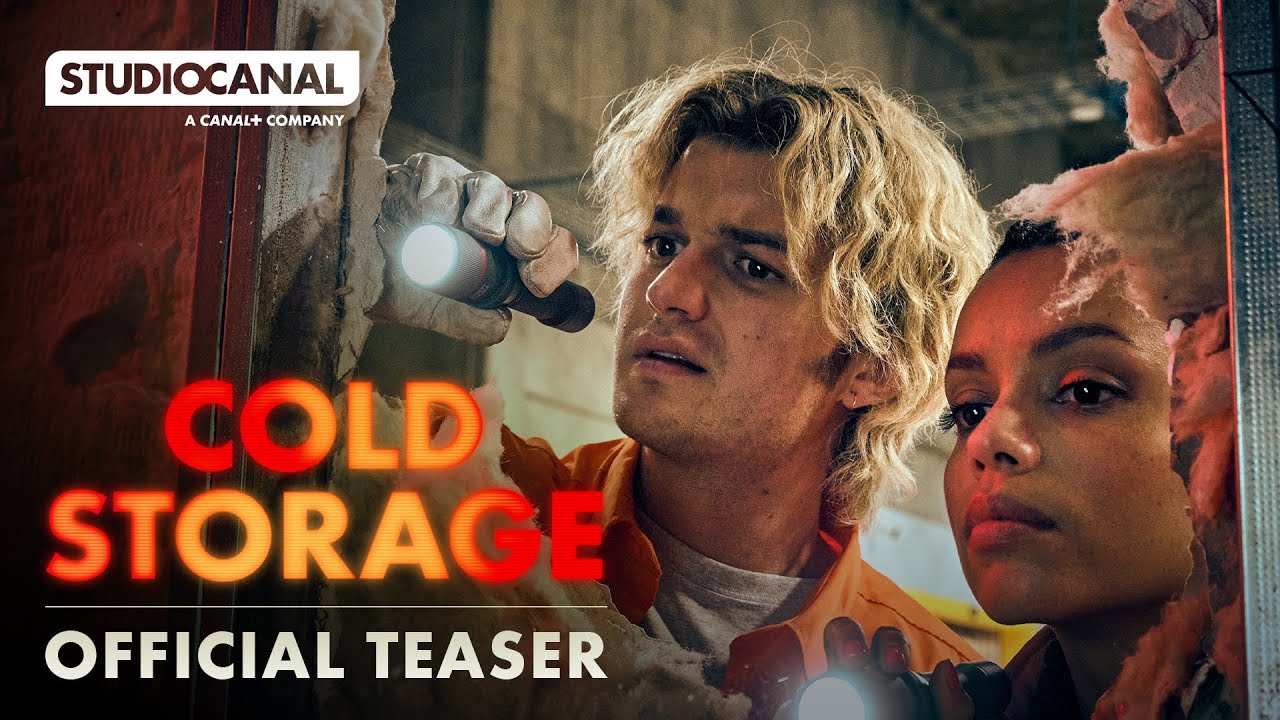
There’s something genuinely intriguing happening with Cold Storage, the sci-fi comedy-thriller that will be released on January 29, 2026. On the surface, it’s got all the makings of a high-concept genre mashup—a mutating fungus outbreak, a sealed facility gone wrong, and a premise that promises equal parts suspense and dark humor. But what’s really worth paying attention to is the creative team assembling around director Jonny Campbell and the stellar cast being brought together for this project.
Let’s start with what we know about the story itself. When a highly contagious, mutating fungus escapes from containment, two young employees find themselves in an impossible situation. They’re not alone, though—they’re joined by a grizzled bioterror operative who brings both expertise and unpredictability to their survival scenario. That setup alone tells you Campbell is playing with genre conventions in interesting ways. It’s not purely a thriller, not purely a comedy, but something that seems designed to shift between both registers.
The casting choices are what really signal that this film is thinking bigger than a standard B-movie premise. Georgina Campbell and Joe Keery bring a certain contemporary sensibility to their roles as the young employees caught in the crisis. Both actors have proven they can navigate complex tonal shifts—Campbell’s work in psychological thrillers and Keery’s range across drama and sci-fi make them ideal for material that requires quick pivots between genuine danger and darkly comedic moments.
The real heavyweight addition here is Liam Neeson as the bioterror operative. This isn’t a typical casting move for a comedy-thriller hybrid.
Neeson brings gravitas and world-weariness to anything he touches, and deploying him in what sounds like a support role suggests Campbell has something more layered in mind. You don’t cast an actor of Neeson’s caliber and stature in a straightforward comedic setup—which means his character likely carries some of the film’s thematic weight.
Jonny Campbell as director is another indicator that this project has ambitions beyond novelty. Campbell has built a reputation for bringing visual sophistication and genuine emotional stakes to genre material. He understands how to make audiences care about characters even when the premise borders on absurdist. This is the kind of director who can make you laugh at a fungal outbreak scenario while still maintaining real tension about whether these characters will survive it.
The production lineup also matters more than you might initially think. Samuel Goldwyn Films, StudioCanal, and Pariah are collaborating on this—that’s a partnership between distributors and producers with strong track records in bringing distinctive, commercially viable films to audiences. StudioCanal especially has a history of backing international projects with real creative vision, which suggests Cold Storage isn’t being treated as a throwaway concept.
What makes this film potentially significant comes down to a few key factors:
- Genre hybridity that mirrors audience tastes—we’re living in an era where pure genres feel outdated, and audiences crave films that blend tones and conventions
- The bioterror/pandemic angle that arrives at a cultural moment when these scenarios feel uncomfortably plausible, adding real stakes beneath the comedy
- A runtime of 1 hour 39 minutes that suggests tight, efficient storytelling without bloat
- International co-production credibility that positions this as a film with reach beyond just one market
There’s also something worth noting about the film’s current status. As of now, Cold Storage carries a 0.0/10 rating because it hasn’t been released yet—no one’s seen it, so there’s nothing to rate. That blank slate is actually part of what makes anticipation possible. There’s genuine mystery here about what this film will be, how audiences will respond to the tonal balance Campbell is attempting, and whether the premise will translate into something genuinely entertaining or clever.
The tagline—“If it spreads, you’re dead”—is delightfully ambiguous. It works as both literal threat and metaphorical warning. Is it about the fungus? About misinformation? About contagion in a broader sense? That kind of layered marketing language suggests the filmmakers are aware they’re making something thematically resonant, not just a fun B-movie.
What Cold Storage represents, fundamentally, is filmmaking that refuses easy categorization. In a cinematic landscape increasingly dominated by franchises and sequels, here’s a project built on an original concept with an experienced director, a strong ensemble cast, and production partners who’ve earned credibility. It’s the kind of film that, if it lands well, could energize conversations about what contemporary sci-fi comedy can achieve. And if it doesn’t quite work, it’ll at least be interesting to dissect where the tonal experiment fractured.
When it arrives on January 29, 2026, Cold Storage will have the chance to prove whether intelligent genre-blending with a strong cast can still find its audience. That’s worth paying attention to.