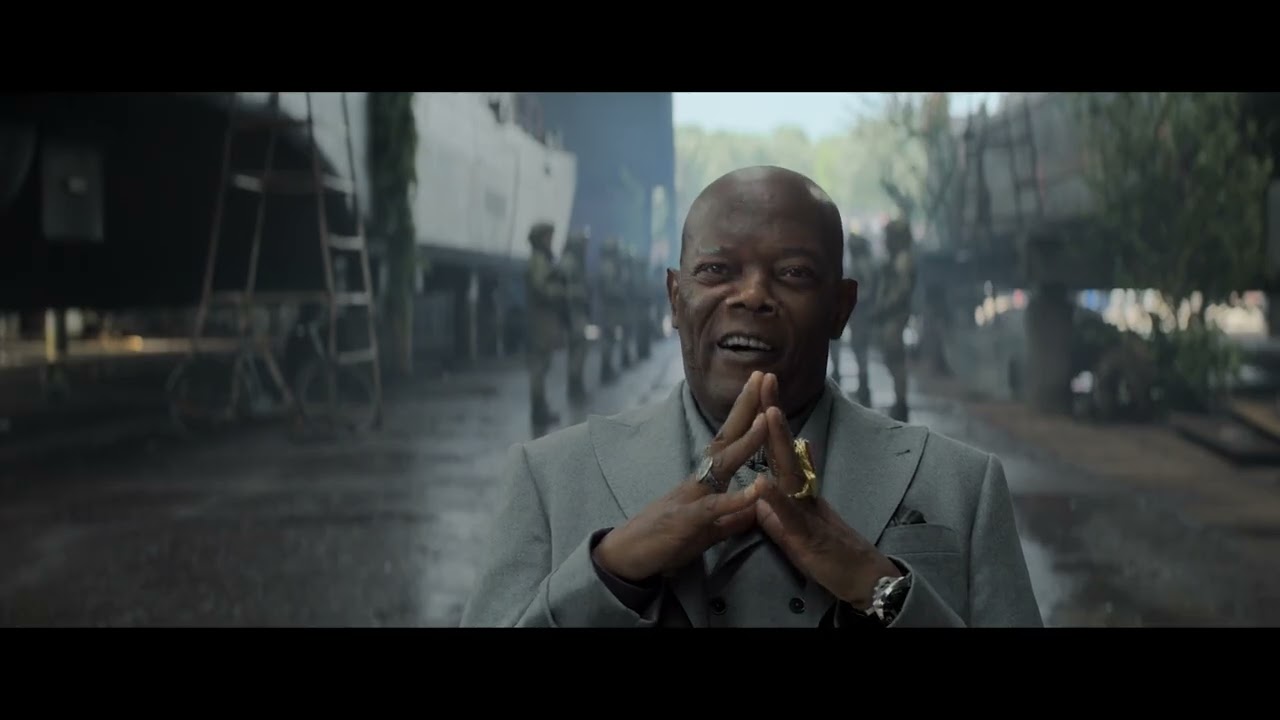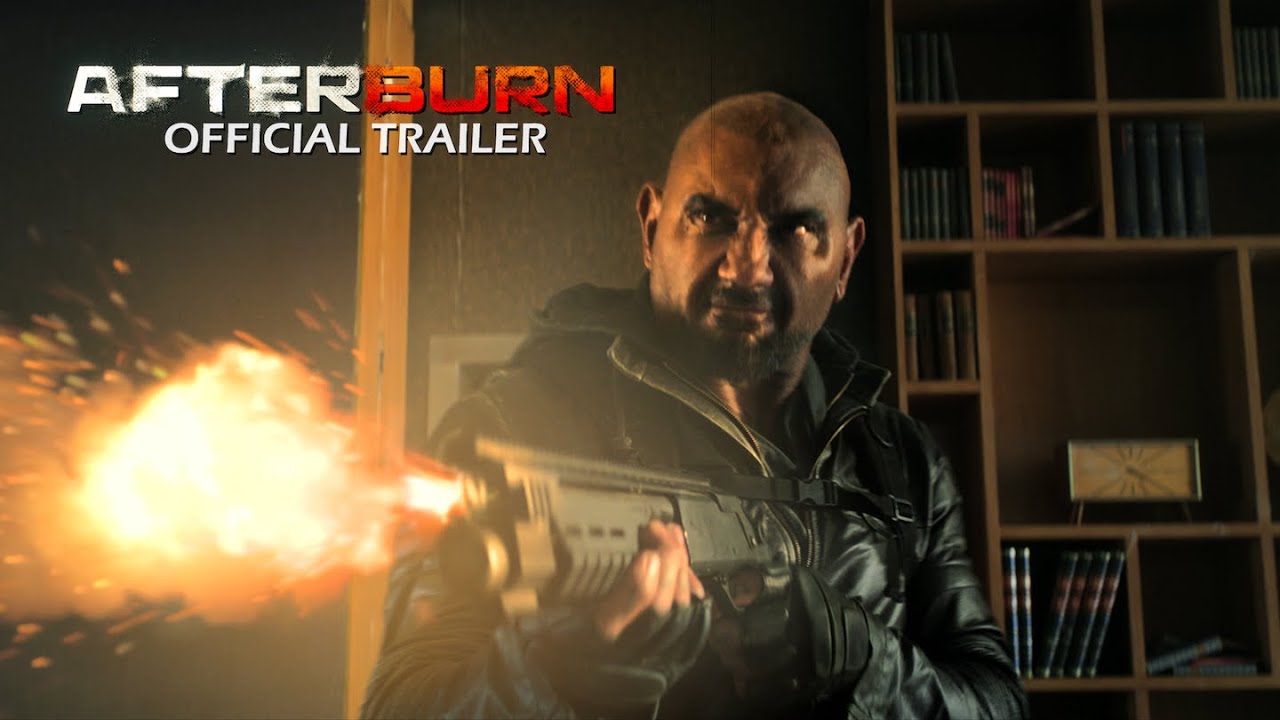
When Afterburn premiered in August 2025, it arrived as one of cinema’s most fascinating cautionary tales—not about the film itself, but about what happens when ambition vastly outpaces execution. Director J.J. Perry’s post-apocalyptic action-comedy was released with a $60 million budget and the kind of star power that should have guaranteed a solid theatrical run. Instead, it became something more interesting than a typical blockbuster success: it became a case study in how even well-intentioned filmmaking can stumble when the pieces don’t quite align.
The premise is genuinely compelling. Set ten years after a solar flare has stripped away all modern technology, Afterburn follows Jake, an ex-soldier turned treasure hunter played by Dave Bautista, as he navigates a world fundamentally transformed by catastrophic loss. It’s the kind of high-concept science fiction setup that could justify a $60 million investment—the kind of world-building opportunity that attracts serious filmmakers and major studios. Perry, known for his work in action direction, seemed like the right helmsman for this vessel. The supporting cast, featuring Olga Kurylenko and Kristofer Hivju, suggested a film that took itself seriously while maintaining the comedic edge promised by its tagline: “The apocalypse isn’t for everybody.”
But here’s where the story becomes instructive. The film’s journey from theatrical release to cultural footnote happened with remarkable speed. With a box office return of just $184,758 against that $60 million budget, Afterburn didn’t just underperform—it became a financial disaster. For context, that’s a return of less than 0.3% of the production budget. Even accounting for international markets (where it eventually scraped together around $832,919 total), the numbers tell a story of a film that fundamentally failed to connect with audiences. Those 175 votes on IMDb averaging a 6.5/10 represent something more damaging than harsh criticism—they represent indifference.
> What makes Afterburn significant isn’t what it achieved, but what it reveals about modern cinema’s relationship with genre, budget allocation, and audience expectations in 2025.
The creative team wasn’t lacking in credentials. Dave Bautista has proven he can anchor action films with genuine charm and vulnerability. Olga Kurylenko brings a gravitas to every project she touches, and Kristofer Hivju possesses that rare quality of making supporting characters feel essential. Perry’s pedigree in action choreography suggested he understood how to construct sequences that would feel fresh in a technology-stripped world. Yet somehow, these components failed to synthesize into something greater than their individual parts.
The film’s brisk 1 hour 45 minute runtime actually raises questions worth examining:
- Did the story feel rushed? With that running time, complex world-building and character development become genuine challenges
- Was the pacing sacrificed for action sequences? Perry’s background might have tilted the film too heavily toward spectacle
- Could the budget have been better spent on fewer, more focused set pieces? The massive budget suggests scope that a 105-minute film struggles to deliver on
What’s particularly striking about Afterburn is how it illustrates the divergence between critical and audience reception in the streaming era. A 6.5/10 rating isn’t scathing—it suggests competent filmmaking with inconsistent execution. Critics could acknowledge the ambition without endorsing the result. Audiences, facing countless entertainment options, simply moved on. This wasn’t a film that sparked passionate debate or developed a cult following. It was released into the cultural void and absorbed without ripple.
Yet there’s genuine value in understanding why Afterburn matters, precisely because it failed. The film represents a specific moment in 2025 when studios were still willing to invest heavily in original science fiction concepts rather than established intellectual property. That’s increasingly rare. The collaboration between Perry, the three-studio consortium (Endurance Media, G-BASE, and Original Film with CAA Media Finance), and international talent suggested a genuine attempt at creating something new within the genre.
The lasting significance of Afterburn lies not in influence or legacy, but in what it teaches:
- Budget allocation in science fiction requires discipline. A $60 million budget for a post-apocalyptic thriller is reasonable, but execution matters infinitely more than scale
- Cast doesn’t equal chemistry. Having strong actors doesn’t guarantee their talents will coalesce into compelling storytelling
- Genre hybridity requires perfect tonal balance. Blending action, comedy, and science fiction is harder than it appears, and Afterburn suggests the film struggled to find its footing
- Audiences in 2025 are ruthlessly efficient at finding what they actually want. A film that doesn’t immediately resonate has no time to build momentum
Perry’s vision for a post-technological world explored through action-comedy wasn’t inherently flawed. The casting wasn’t wrong. The budget, while ultimately wasted, wasn’t laughably excessive. What Afterburn demonstrates is that cinema’s equation has become more complicated: great ingredients, quality direction, and substantial resources no longer guarantee audience engagement. Something ineffable—whether you call it spark, resonance, or cultural timing—goes missing, and no amount of production value can manufacture it retroactively.
For those interested in understanding modern cinema’s economics and the gap between ambition and execution, Afterburn remains a fascinating artifact of 2025. It’s not a film you need to watch to understand contemporary cinema’s trajectory. But it’s absolutely worth studying to understand why some films connect and why others, despite every apparent advantage, simply don’t.