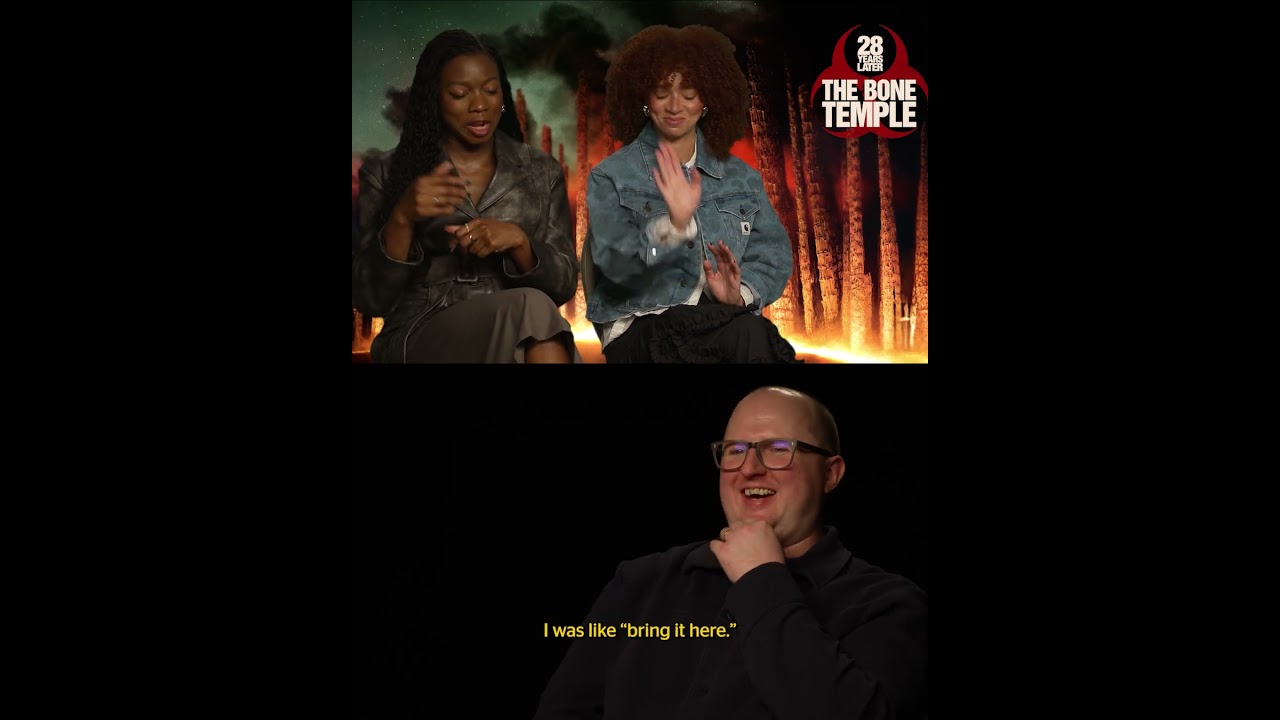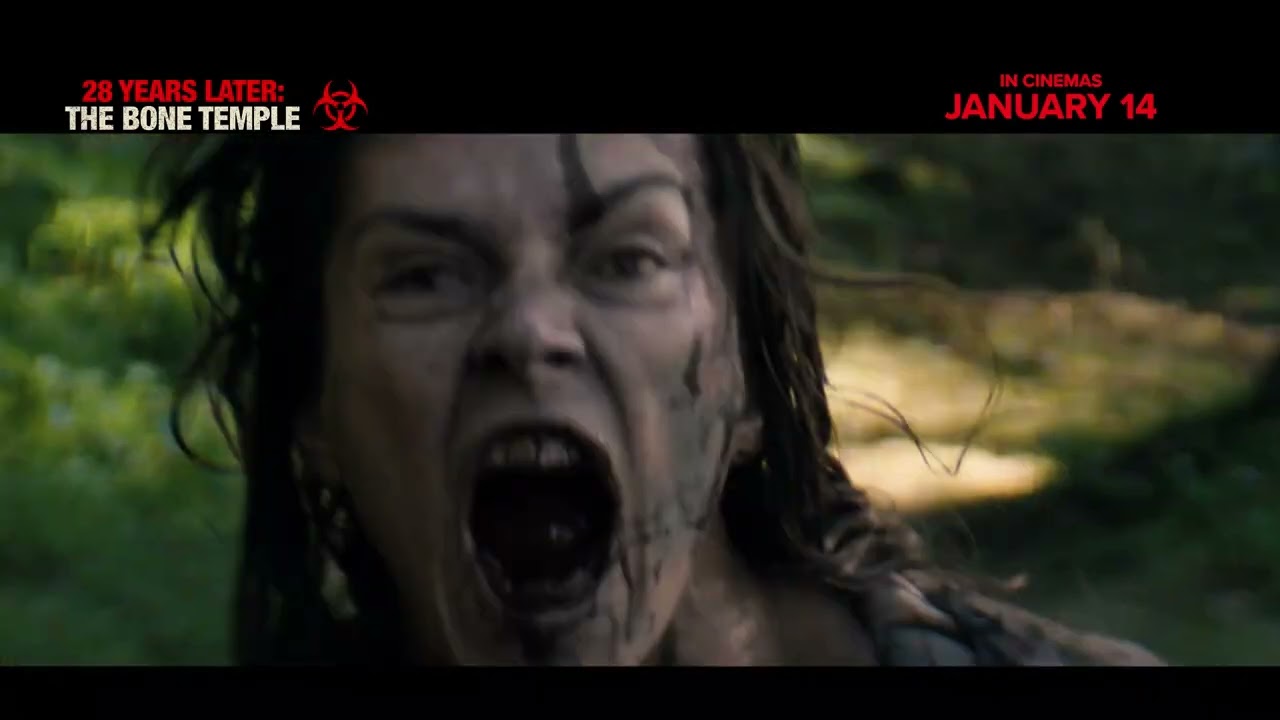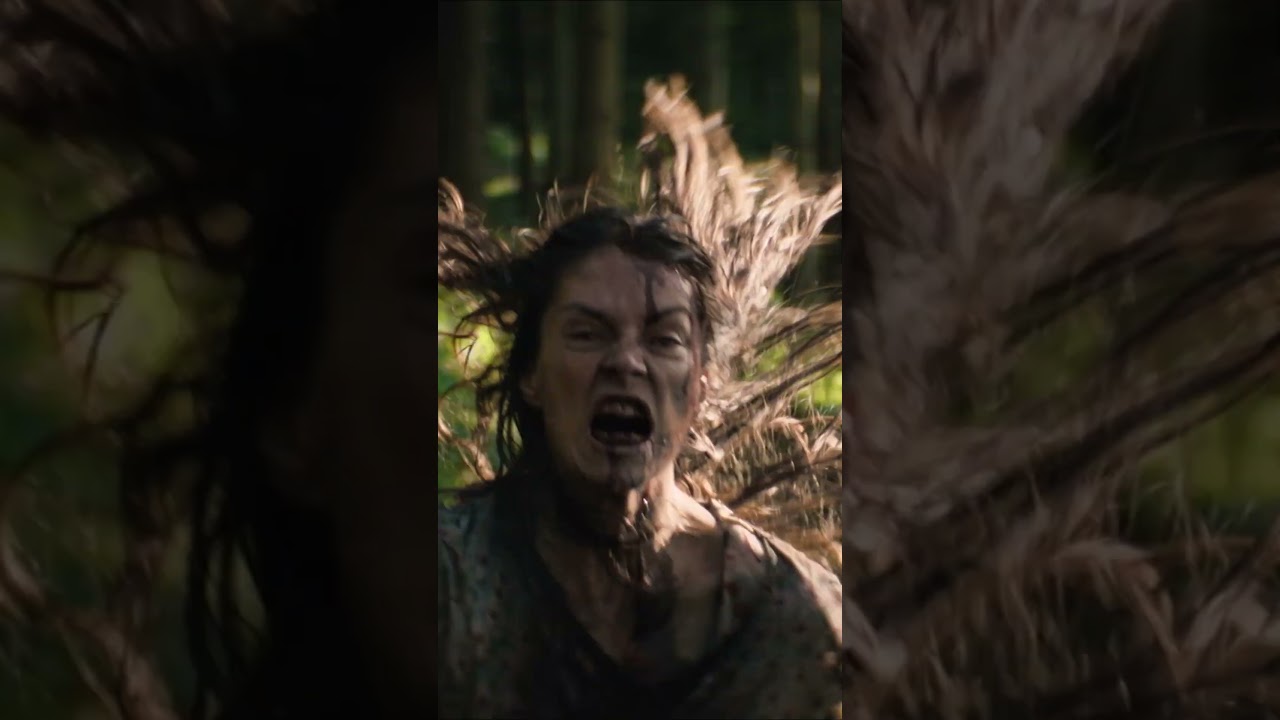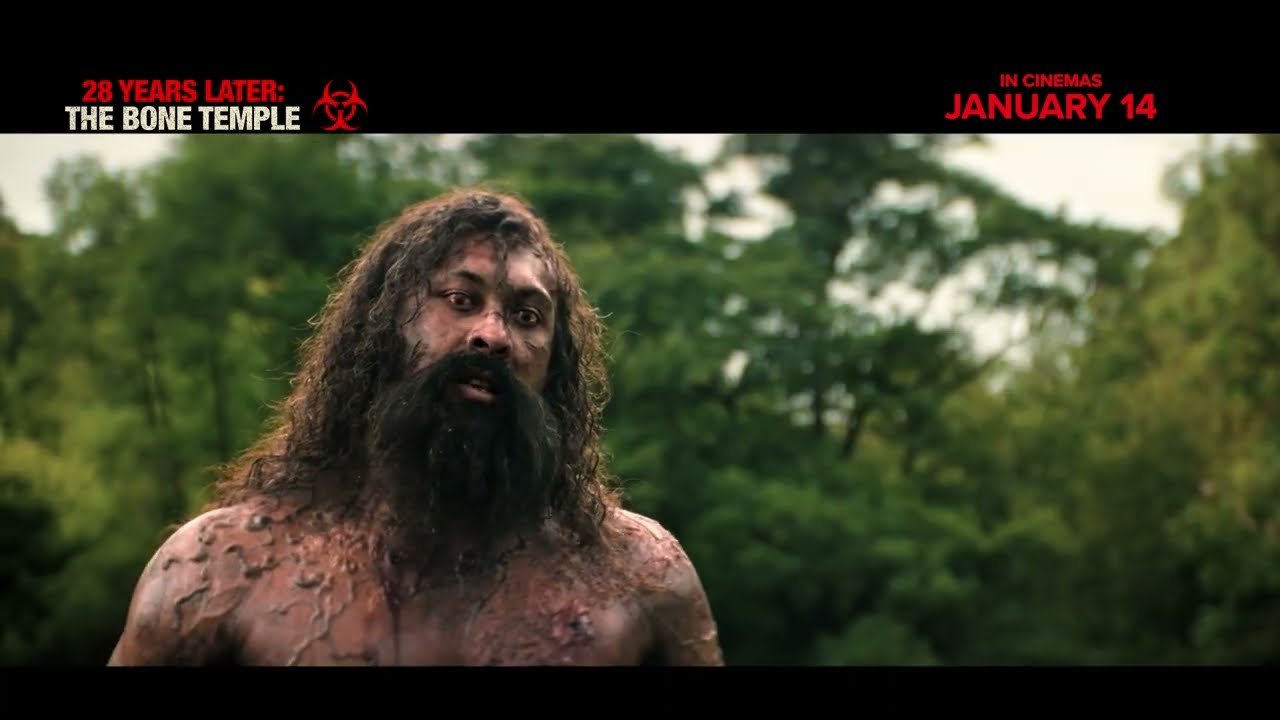
When Nia DaCosta stepped into the director’s chair for “28 Years Later: The Bone Temple,” she inherited something most filmmakers would find intimidating: a franchise that had already redefined zombie cinema twice over. What she delivered instead was something quietly ambitious—a film that understands horror doesn’t need to shout to terrify. At just under two hours, this third installment moves with purpose, refusing to waste a single frame. The 8.8/10 rating it’s accumulated speaks volumes, especially when you consider it emerged as one of the most talked-about horror films of 2026, landing right alongside major franchises in anticipation conversations.
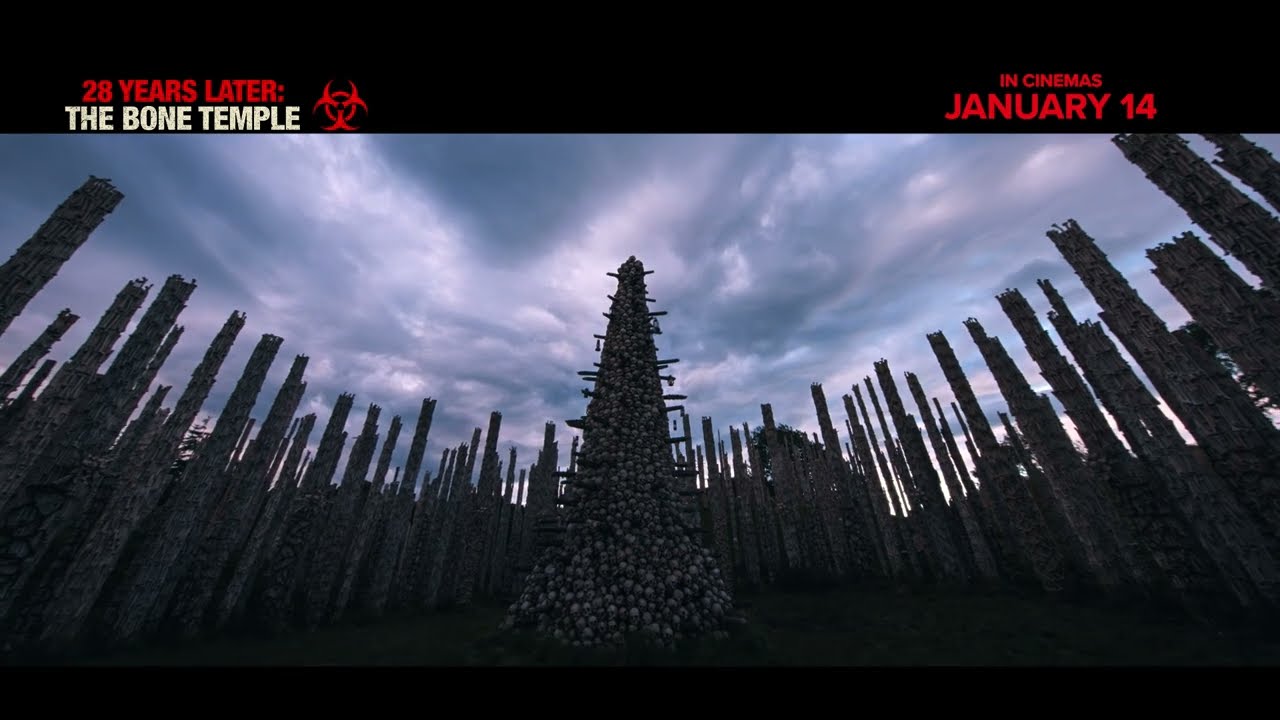
The film’s significance lies partly in what DaCosta chose to focus on. While the earlier films in the series positioned themselves as spectacles of infection and survival, “The Bone Temple” pivots inward, exploring the ideological corruption that spreads as insidiously as any virus. The tagline—”Fear is the new faith”—isn’t just marketing speak; it’s the thematic heart of everything DaCosta accomplishes here. She recognizes that by 2026, we don’t need to be convinced that apocalypses are scary. We need to understand what happens to human morality when systems collapse.
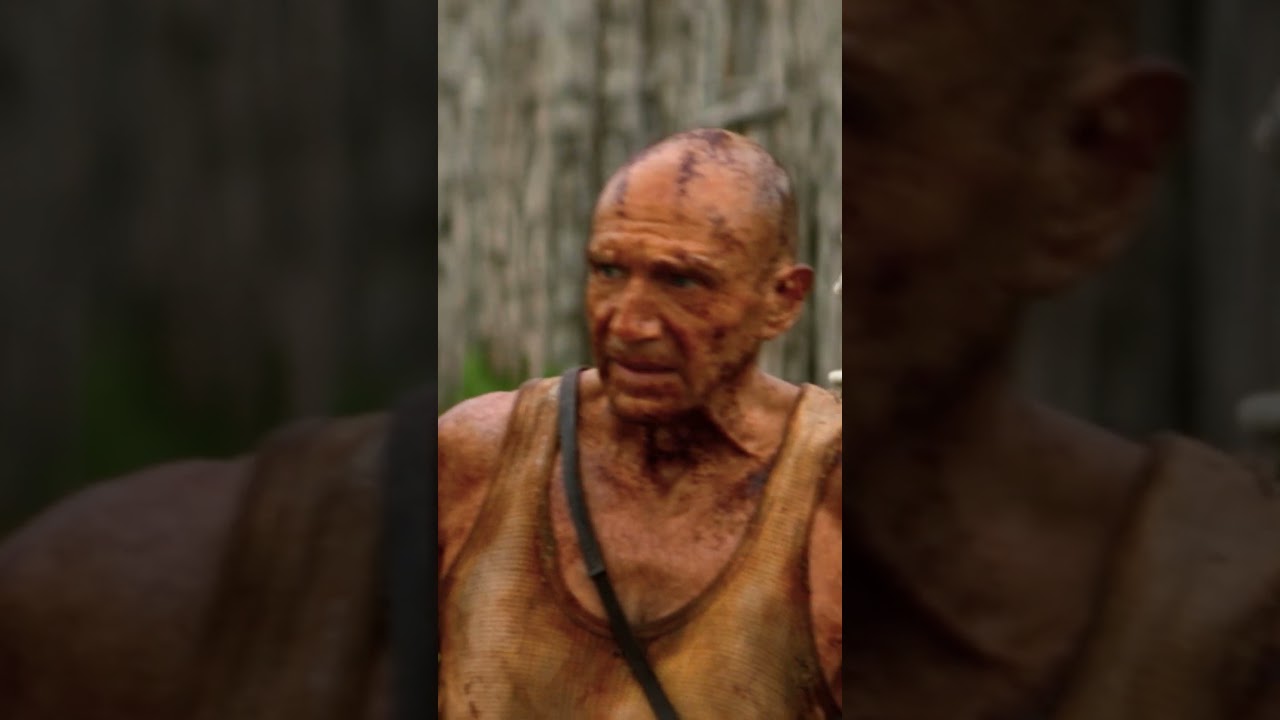
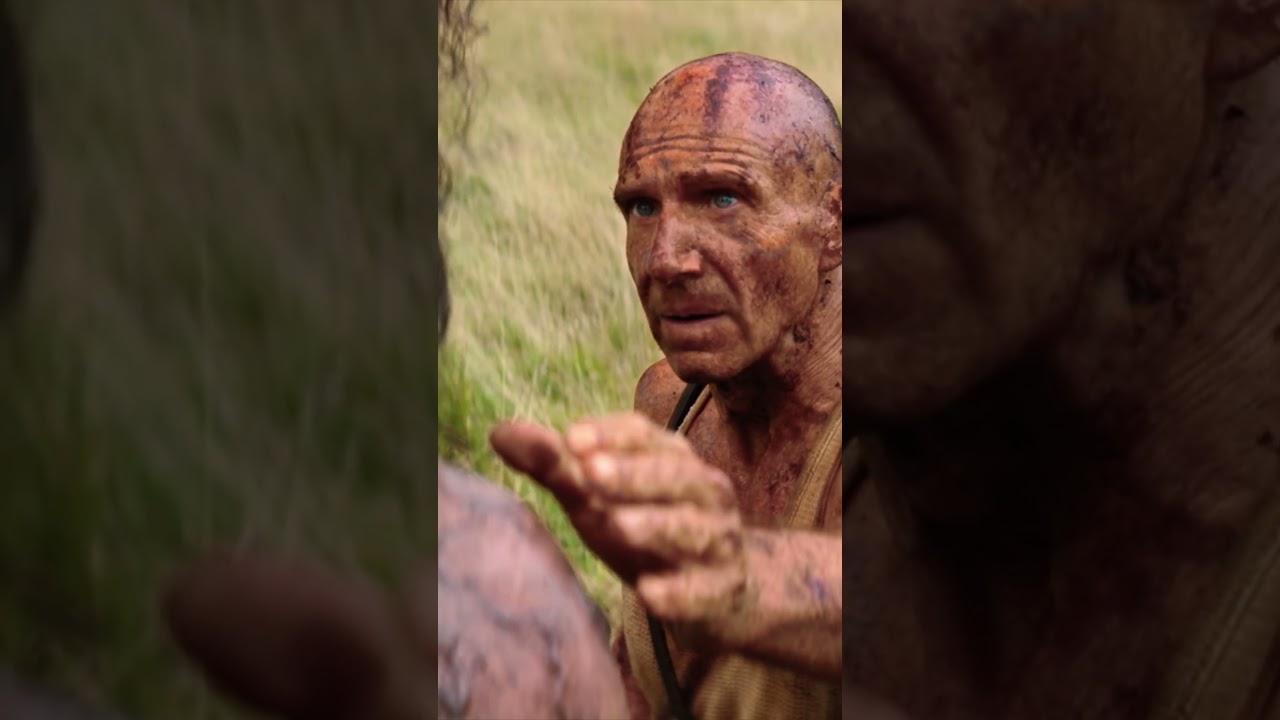
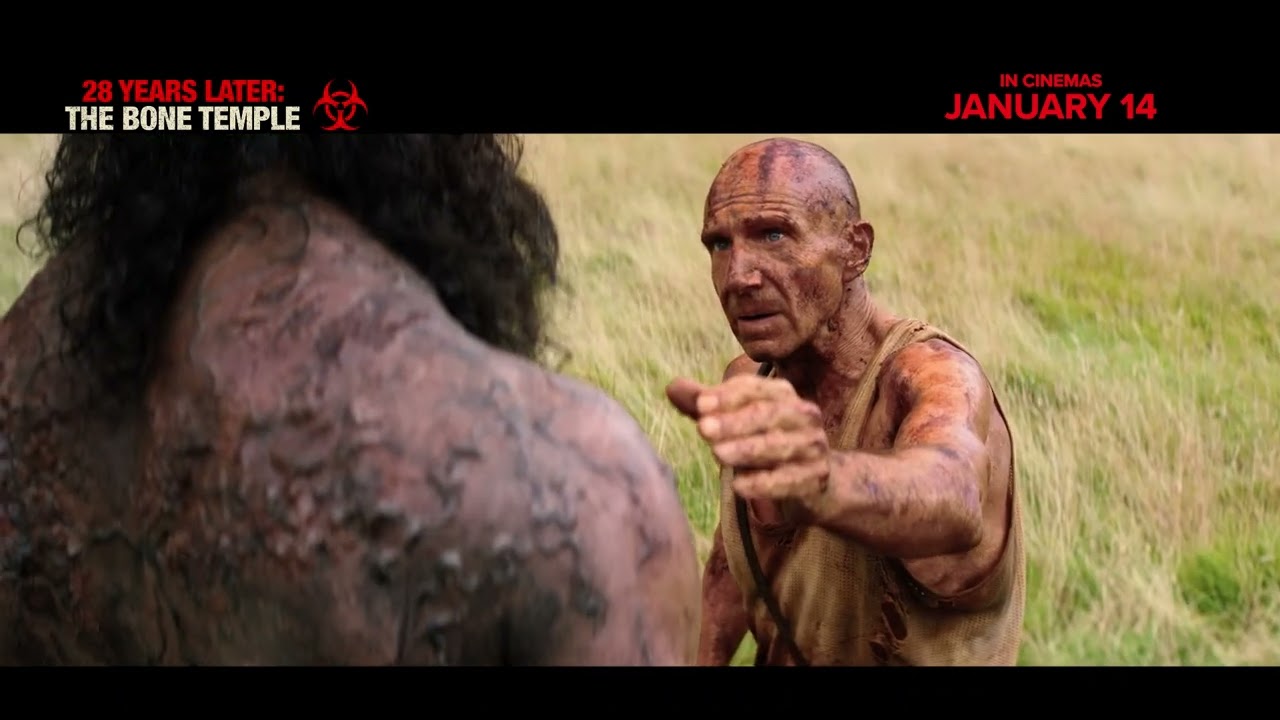
Ralph Fiennes brings a gravitas to this world that transforms it entirely. Watching a performer of his caliber inhabit DaCosta’s vision of institutional breakdown gives the material weight it might not otherwise possess. Alongside him, Alfie Williams and Jack O’Connell complete an ensemble that feels genuinely invested in the story rather than just collecting paychecks. Their chemistry creates these moments of unexpected humanity in the midst of horror, which is precisely where DaCosta’s direction excels. She’s not interested in jump scares as much as she is in the slow erosion of hope.
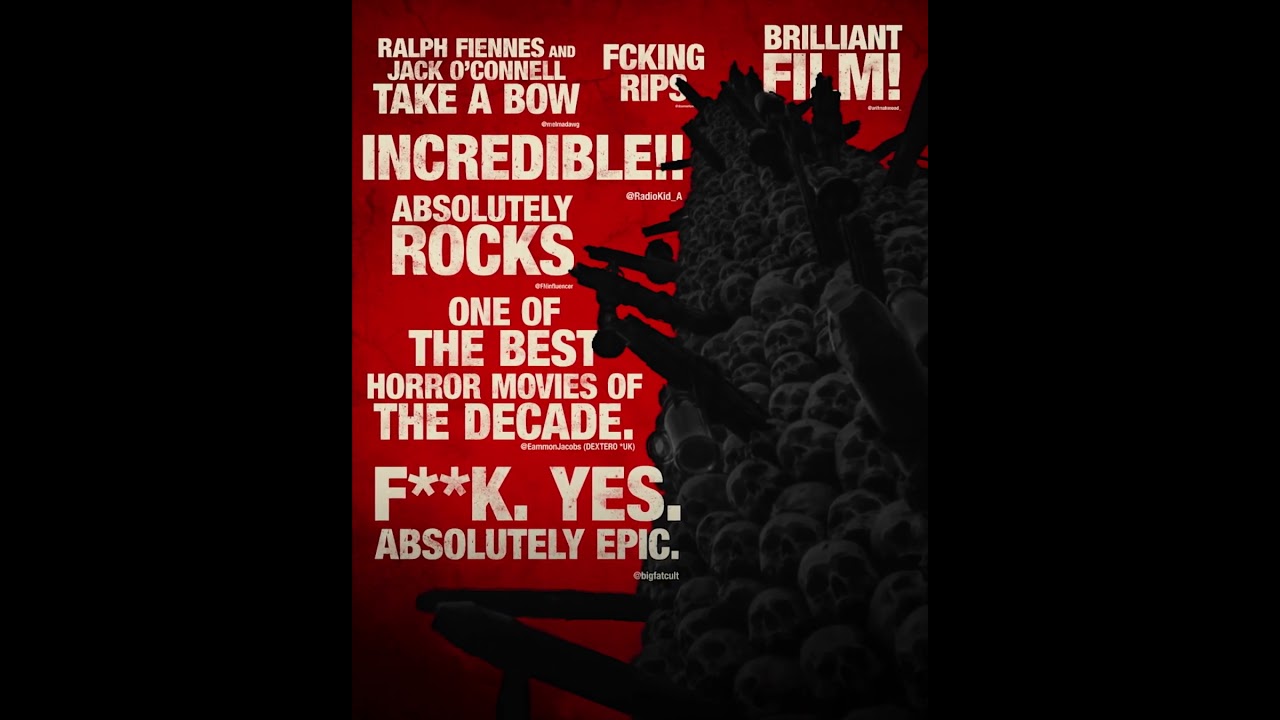
The box office trajectory tells its own story. Opening to over twenty million domestically during the MLK weekend, “The Bone Temple” underperformed the initial 2015 entry’s thirty million bow, which initially sent ripples through industry discourse. Yet this misses the point of what DaCosta had created. The film never needed to be a blockbuster to matter. Instead, it found its audience through word-of-mouth and critical recognition, the kind of pathway that builds lasting cultural capital. It became a film people sought out specifically because of its approach rather than its scale.
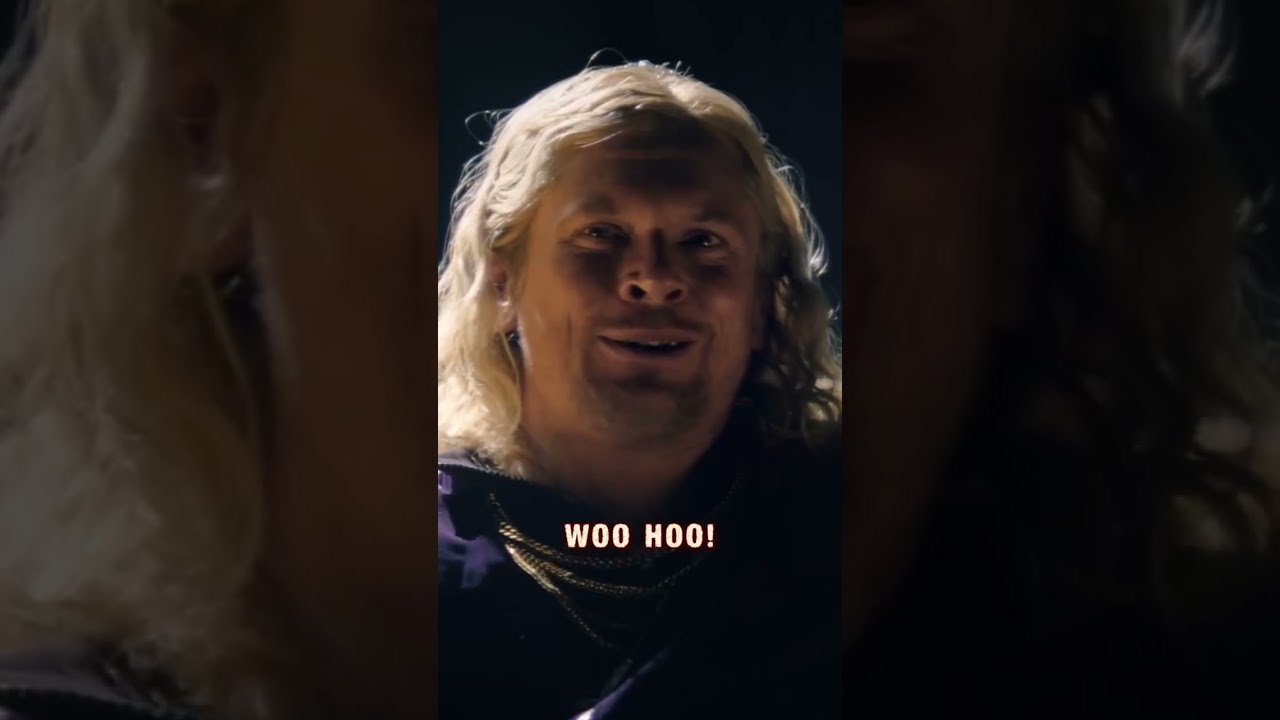
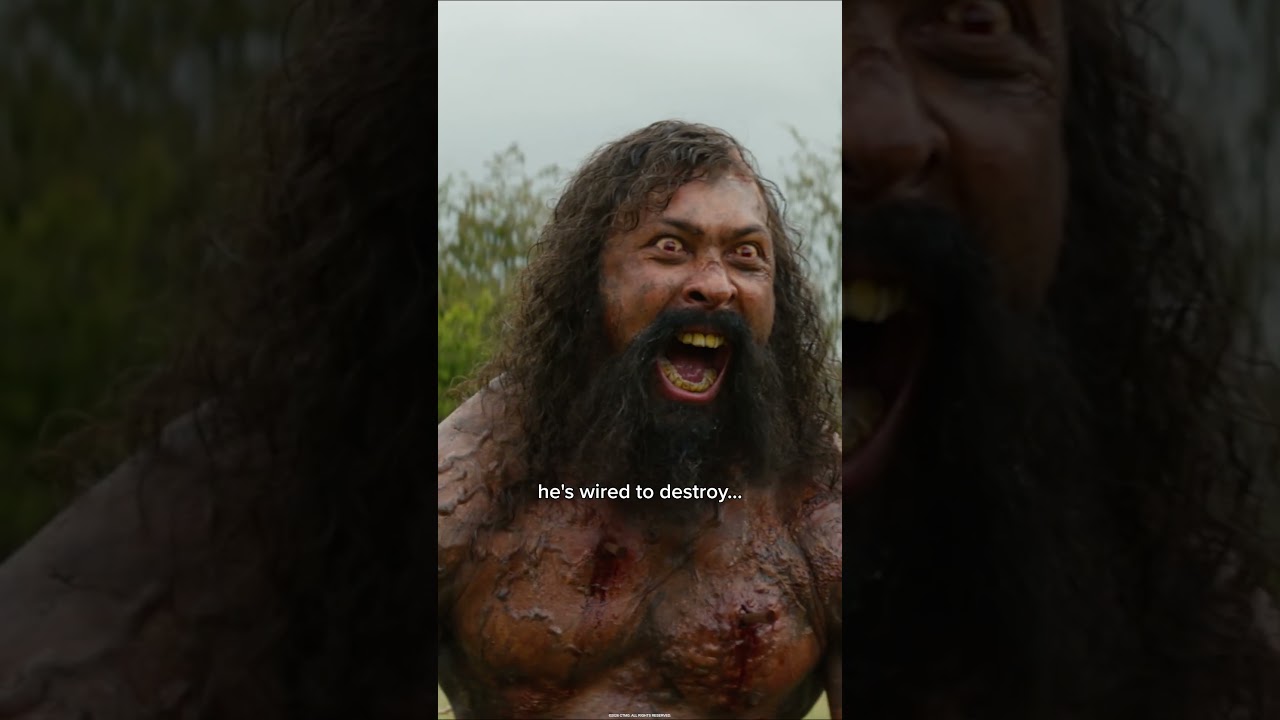
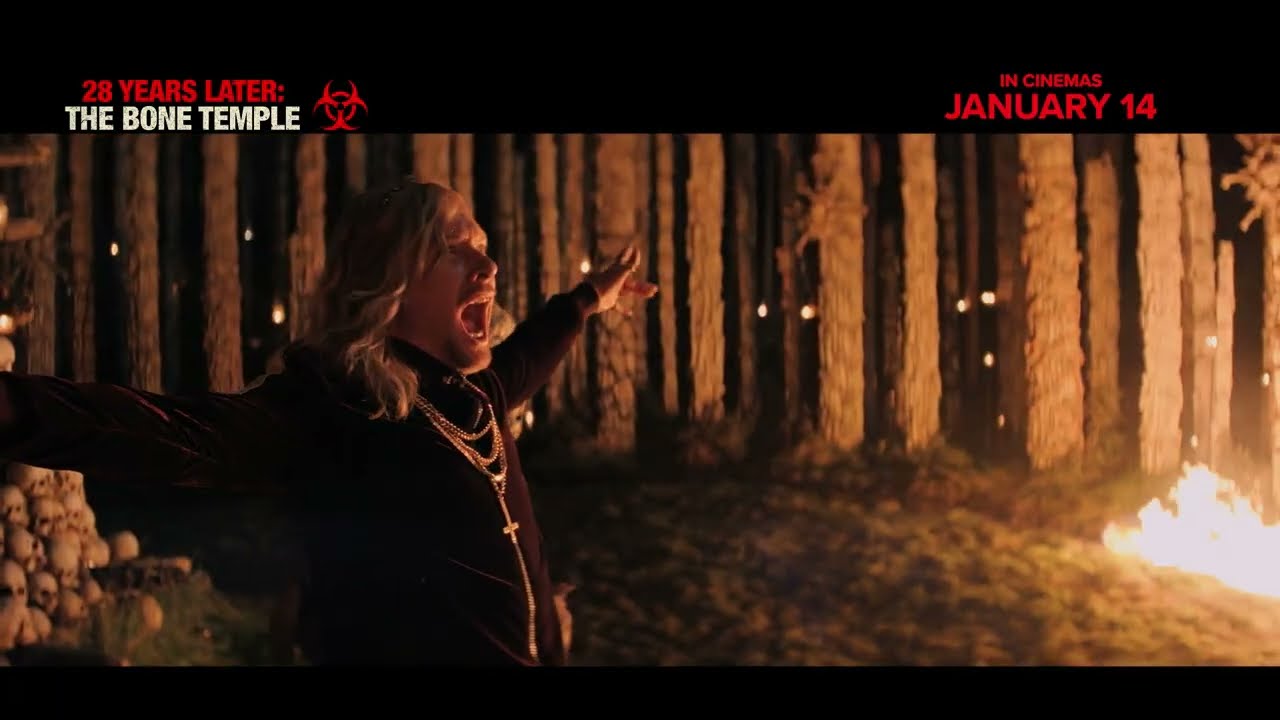
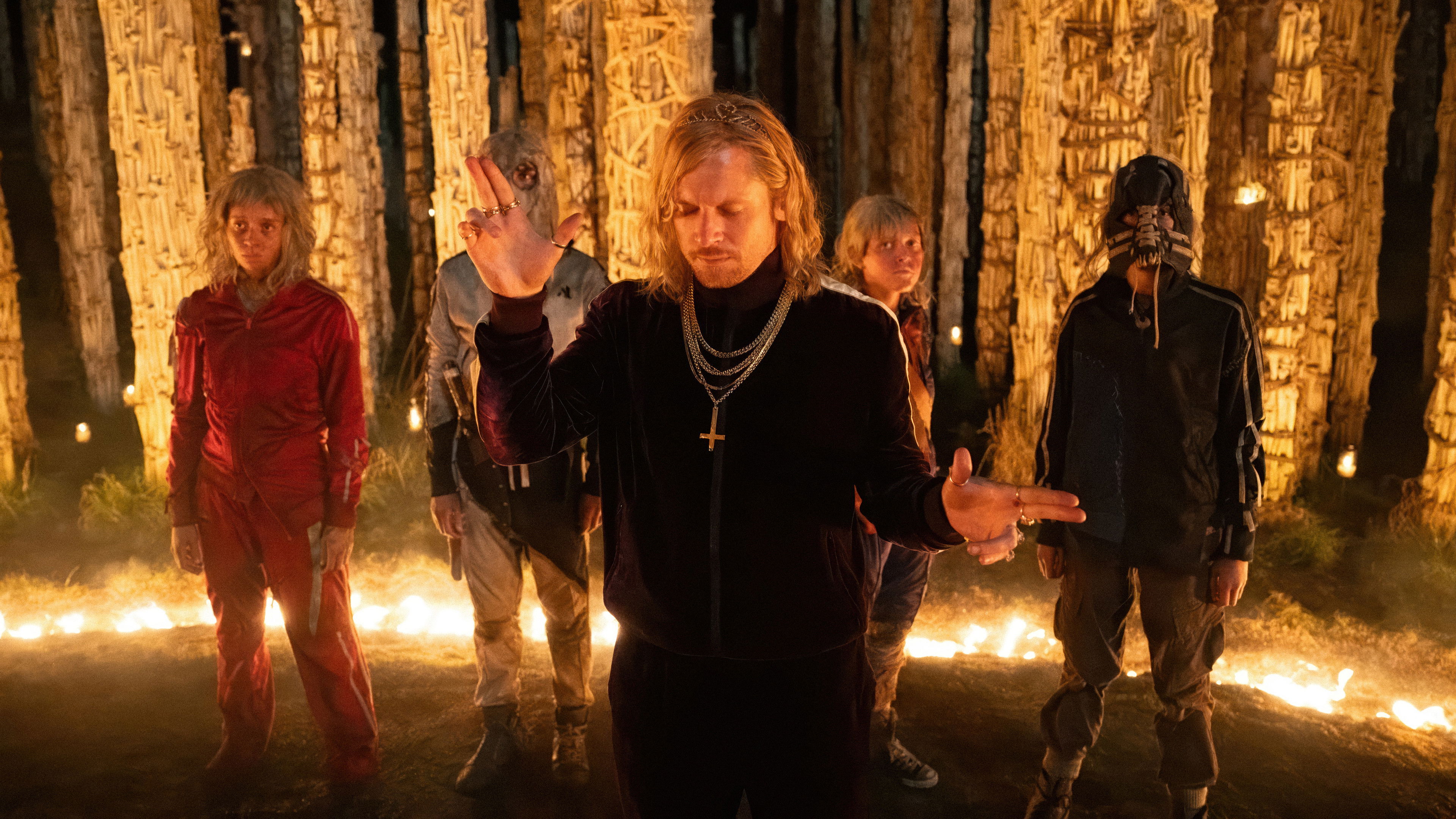
What makes “The Bone Temple” resonate beyond opening weekend numbers is how it positions itself within our current moment. The horror here is fundamentally about how easily systems of control can rebrand themselves as salvation. Spike’s induction into Jimmy Crystal’s organization, Dr. Kelson’s world-altering discovery—these plot threads weave together to ask uncomfortable questions about complicity and belief. DaCosta trusts her audience to sit with these uncomfortable spaces, to recognize themselves in the characters making morally compromised choices.
The collaboration between DaCosta, her production partners at DNA Films and Decibel Films, and the supporting infrastructure of Columbia Pictures and TSG Entertainment created something that feels independent in spirit despite its studio backing. That’s rare enough to notice. DaCosta brought a distinctly personal vision to a franchise property without fighting against its DNA, instead finding new dimensions within established mythology. This approach—respecting source material while pushing toward something genuinely new—feels increasingly valuable in an era where franchise fatigue is real.
“28 Years Later: The Bone Temple” might not have dominated box office conversations, but it’s secured something far more durable: respect among filmmakers and critics who recognize when horror cinema is functioning at its highest level. It’s the kind of film that influences not through commercial dominance but through proving that thoughtful, character-driven horror can flourish even in established franchises. In that sense, DaCosta’s film achieves exactly what it sets out to do—it makes us afraid, but not of monsters.