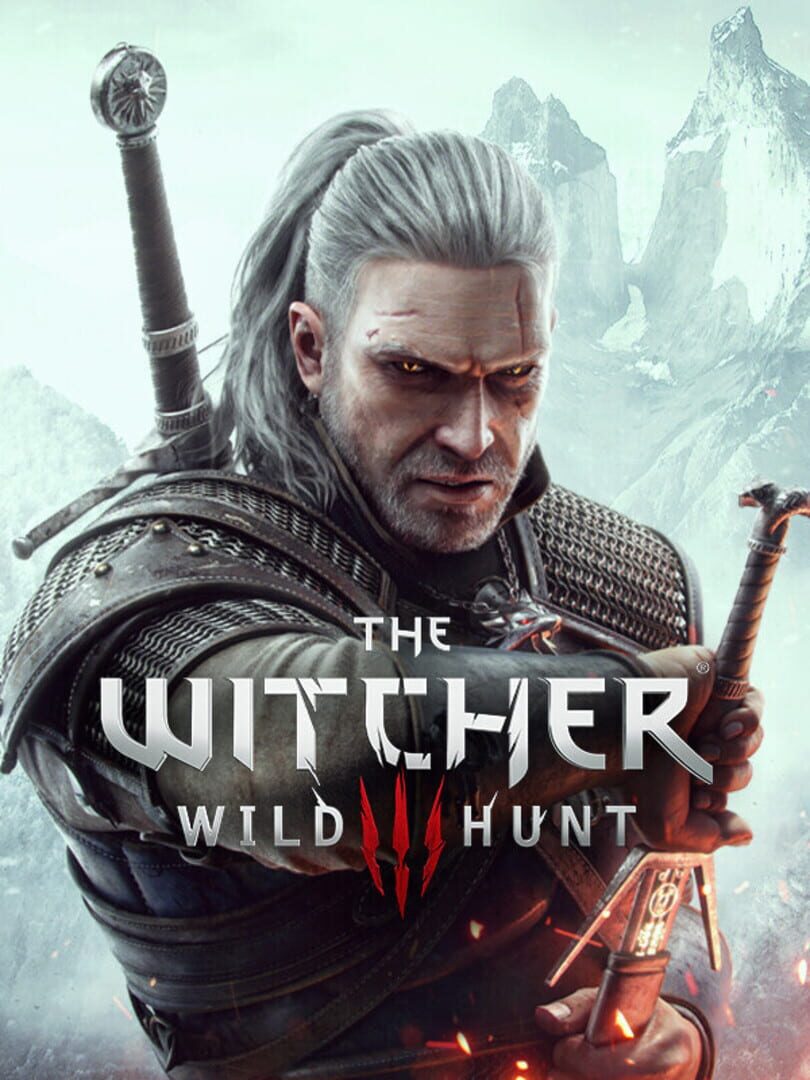
When The Witcher 3: Wild Hunt launched on May 19, 2015, it arrived at a pivotal moment in gaming history. Open-world RPGs were already established, but CD Projekt Red didn’t just iterate on the formula—they fundamentally challenged what players expected from the genre. Nearly a decade later, this game still commands a 9.4/10 rating and remains the benchmark against which similar titles are measured. That’s not nostalgia talking; that’s the mark of something genuinely exceptional.
What made this release so significant wasn’t just technical prowess, though the game was visually stunning for its time. It was the narrative depth that refused to compromise. Here was an open-world game that treated side quests with the same storytelling care as the main campaign. You weren’t just collecting fetch items or checking boxes on a map—you were experiencing fully realized stories with moral weight and emotional consequence. That was revolutionary in 2015, and it’s a standard the industry is still trying to meet.
The game’s approach to player choice deserves particular attention. Rather than presenting morally binary decisions, The Witcher 3 offered genuinely complex scenarios where every option felt consequential and sometimes unsatisfying. Geralt isn’t a blank slate for the player to project onto; he’s a character with defined beliefs and a past that matters. This approach created something richer than typical RPG choice mechanics—it created authentic storytelling.
> The true magic wasn’t in Geralt’s spells or swordplay, but in the relationships you built and the stories you uncovered in taverns, caves, and war-torn villages.
The platform journey of this game is worth noting too. Starting on PS4, Xbox One, and PC, The Witcher 3 proved its design was timeless. When it eventually made its way to Nintendo Switch, PlayStation 5, and Xbox Series X|S, the core experience remained compelling—though technically enhanced on newer hardware. This multi-platform persistence speaks to how CD Projekt Red constructed something that transcended any single system’s capabilities.
Key strengths that defined the experience:
- Branching narratives that responded to player decisions across dozens of hours
- Rich side content featuring characters as developed as any AAA game’s protagonist
- Meaningful player choice with consequences that rippled through the story
- World-building that felt lived-in and historically grounded
- Character relationships that deepened through multiple questlines and emotional moments
- Combat mechanics that evolved from the earlier games while remaining accessible
The expansion content deserves its own recognition. The two major DLC packs—Hearts of Stone and Blood and Wine—weren’t afterthoughts; they were full-fledged chapters that expanded the story meaningfully. CD Projekt Red also released free cosmetic DLC and quest content, a generosity that endeared the studio to players and set expectations for how post-launch support could work. Even eleven years after release, the persistent discussion around potential new expansions shows how much players still value spending time in this world.
What truly separated The Witcher 3 from its contemporaries was the alchemy of storytelling and gameplay. Quests didn’t exist in isolation. Character arcs wove through the open world. Your choices in Act One had repercussions in Act Three. This wasn’t a game that asked you to compartmentalize the narrative from the systems—it integrated them so completely that you couldn’t separate the two if you tried. When you made a decision, you felt the weight of it not just narratively but through how the game’s world responded to you.
The cultural impact was substantial. This game became a benchmark for narrative-driven RPGs. It proved that commercial success and artistic ambition weren’t mutually exclusive. It showed that players would invest hundreds of hours in a single-player experience if that experience respected their intelligence and agency. Publishers took notice, and we’ve seen the ripple effects across the industry—a greater emphasis on meaningful narratives, better-written side content, and more complex protagonist characters.
The creative vision across publishers and developers:
- CD Projekt Red established itself as a studio willing to take narrative risks
- WB Games provided the publishing might to reach a global audience
- Japanese publishers (Spike Chunsoft, Bandai Namco Entertainment) helped localize and distribute across international markets
- cdp.pl maintained the studio’s creative independence within this publishing ecosystem
The technical achievement deserves recognition too. The RED Engine, which powered the game, delivered a world that felt vast without being empty. Every region had distinct visual identity and cultural flavor. The character animations conveyed personality—Geralt’s weathered movements, Yennefer’s controlled grace, Ciri’s raw intensity. These details accumulated into something that felt alive.
Even with a 9.4/10 rating that many would consider nearly perfect, conversations about the game remain active and productive. Players still debate which ending felt most satisfying, which romance choice felt most earned, which side quest impacted them most profoundly. That enduring engagement, a decade on, tells you something important: The Witcher 3 created something that transcends the typical lifecycle of video games. It’s not just a game people played; it’s a game people return to, recommend passionately, and continue discovering depth within. That’s the kind of legacy that defines generations of gaming.


