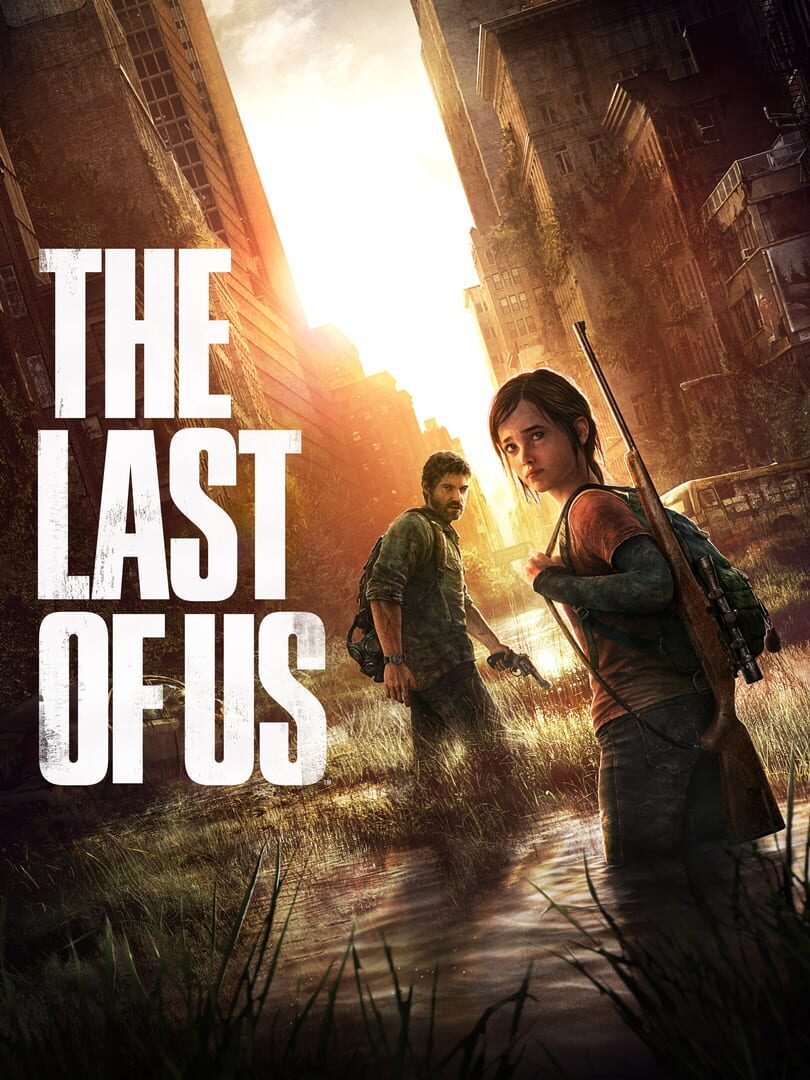
When The Last of Us launched on PlayStation 3 in June 2013, it didn’t just arrive as another exclusive title—it fundamentally shifted what players and critics believed a console action game could be. Naughty Dog had already proven itself with the Uncharted franchise, but this was something different. This wasn’t about globe-trotting adventure or treasure hunts. This was about survival, heartbreak, and the moral cost of staying alive in a world that had stopped caring whether you did.
The game’s 9.3/10 rating wasn’t handed out casually. It reflected something players recognized immediately: they were experiencing a watershed moment in interactive storytelling. What made this achievement remarkable wasn’t just the narrative excellence, but how seamlessly it wove story, character development, and gameplay mechanics into a single cohesive experience. You weren’t watching cutscenes where characters grew closer—you were living those moments through careful stealth sequences, desperate combat encounters, and quiet moments of dialogue that mattered.
“The Last of Us proved that shooters could be intimate. That adventure games could devastate you emotionally. That survival horror didn’t need jump scares—just unflinching human consequences.”
- Let’s talk about what actually made this game tick mechanistically:
- The infected weren’t just enemies—they were environmental obstacles and puzzle elements that forced you to think strategically rather than spray bullets
- Resource scarcity created genuine tension—ammunition wasn’t infinite, forcing meaningful decisions about when to fight, stealth, or evade entirely
- AI companions felt present without being burdensome—Ellie’s AI actually enhanced immersion rather than breaking it
- Melee combat felt weighty and consequential—every swing carried impact, literally and narratively
- Stealth gameplay rewarded patience over reflexes—a refreshing alternative for the shooter genre at large
What Sony Computer Entertainment and Naughty Dog accomplished was deceptively subtle but profoundly important. They took the shooter and adventure genres and refused to let either dominate. Combat sequences punctuated a survival narrative, but they never overwhelmed it. Exploration and environmental storytelling gave you breathing room between firefights. The game understood pacing in a way that most action titles simply didn’t—or couldn’t—achieve.
The cultural conversation that The Last of Us sparked extended far beyond the gaming community. Here was a game featuring a teenage girl as a co-protagonist in what would traditionally be a male-dominated action narrative, and she wasn’t a love interest, a damsel, or a sidekick. Ellie was essential, complex, and morally ambiguous in ways that challenged players’ expectations. The relationship between Joel and Ellie became the emotional core that justified every gameplay system, every environmental detail, and every brutal choice the game forced you to confront.
- The narrative framework established how survivor relationships could anchor action-adventure games
- The infected design showed how fungi-based threats could feel more psychologically terrifying than traditional zombies
- The crafting system demonstrated how limited resources could enhance rather than burden gameplay flow
- The environmental design proved that post-apocalyptic worlds could be beautifully realized even within hardware limitations
What’s perhaps most telling about The Last of Us‘ staying power is how it immediately spawned meaningful expansion content. Left Behind, released in 2014, could have felt like a cash-grab prequel DLC. Instead, it expanded the story in ways that deepened your understanding of both Ellie and the world itself. Players didn’t just tolerate the DLC—they embraced it as essential canon, which speaks volumes about the trust Naughty Dog had built.
The technical achievement deserves acknowledgment too. Running on PlayStation 3 hardware in 2013, the game had no right to look or sound as polished as it did. Character animations were detailed, voice performances were layered and nuanced, and the sound design created dread through absence as much as through the presence of infected clicking and human conversation. Every technical decision served the game’s atmosphere and narrative intentionality.
The lasting legacy isn’t just that The Last of Us was a great game—it’s that it proved great games could be about loss, failure, and moral compromise while still reaching mainstream audiences.
Looking at the landscape of games that followed, The Last of Us‘ influence is undeniable. The focus on character-driven narratives in action games, the integration of environmental storytelling with gameplay, the willingness to make protagonists flawed and decisions morally ambiguous—these became industry standards partly because this game showed they could work at the highest level of commercial success and critical acclaim.
For anyone who experienced it in 2013 or discovering it now, The Last of Us remains a masterclass in how interactive medium can tell stories that would be impossible in film or literature. It’s a game that understood its own medium’s strengths and wielded them with precision. That’s why it endures, and why it deserves every bit of recognition it’s received. It wasn’t just a PlayStation 3 exclusive—it was a statement about what games could be.


