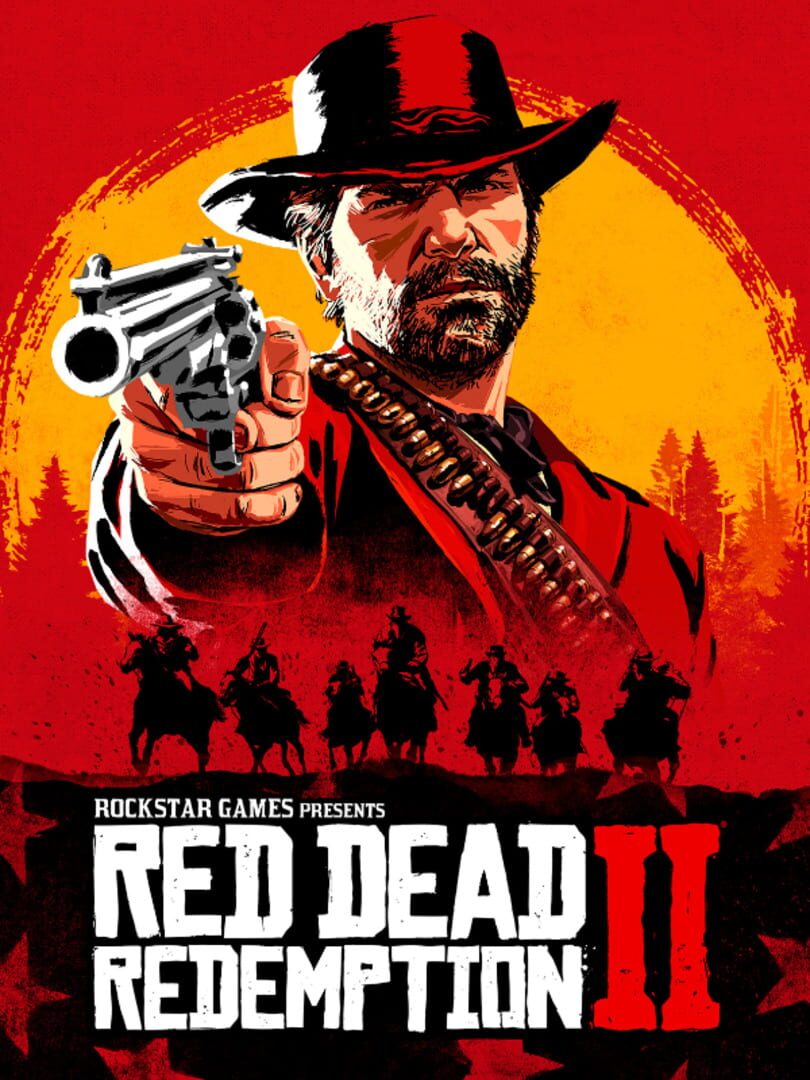
When Red Dead Redemption 2 launched on October 26, 2018, it didn’t just release a game—it set a new standard for what open-world experiences could achieve. Six years later, it’s still sparking discoveries, conversations, and debates about game design in ways few titles ever accomplish. There’s a reason this game earned its impressive 9.3/10 rating and continues to dominate discussions about the medium’s potential.
Rockstar Games and Take-Two Interactive didn’t just create another shooter-RPG-adventure hybrid. They built something that redefined narrative ambition in interactive media. The sheer scope of what they attempted—weaving a character-driven story across dozens of hours while maintaining mechanical depth and environmental authenticity—felt genuinely unprecedented at the time. This wasn’t a game designed to show off graphics for a trailer; it was engineered to make players feel something.
The real achievement here is that Rockstar proved you could prioritize storytelling and character development in an open-world shooter without sacrificing the freedom players expect. Most games pick a lane—either they’re narrative experiences or sandbox playgrounds. RDR2 refused to choose.
- Let’s talk about what made this game genuinely special:
- Immersive world-building that treated every NPC, every location, and every animation as part of the narrative
- Animation fidelity that set industry benchmarks—Arthur Morgan’s every movement conveyed character and emotional depth
- Mission design flexibility that allowed players to approach objectives in multiple ways, rewarding creativity and experimentation
- Environmental storytelling where landscapes, architecture, and details told stories as effectively as dialogue
- Character development that made you genuinely invested in a doomed protagonist’s arc
The brilliance of Arthur Morgan as a protagonist can’t be overstated. Rockstar took a character archetype—the gruff outlaw with hidden depth—and made him the emotional core of a 60+ hour experience. By the game’s conclusion, players weren’t just completing missions; they were grappling with themes of redemption, mortality, and the impossibility of escaping your past. That’s not typical shooter-RPG territory.
When you examine the gameplay mechanics across platforms, whether players experienced it on PlayStation 4, Xbox One, PC, or even Google Stadia, the consistency was remarkable. The core experience translated seamlessly because Rockstar understood that great design works everywhere. Sure, the technical showcases varied—PC players got enhanced graphics, each console had its optimizations—but the soul of the game remained intact.
- The game sparked a genuine cultural conversation about several things that still matter today:
- Pacing in games – RDR2 dared to move slowly, to let scenes breathe, and proved audiences would accept this
- The role of cutscenes – By blurring the line between cinematic and interactive, it challenged the “show, don’t tell” dogma
- Animation as storytelling – Not just as eye candy, but as a primary narrative tool
- Realism vs. gameplay – Debating whether meticulous detail serves the experience or hinders it
What’s fascinating is how the game has aged. Unlike many open-world games from that era, Red Dead Redemption 2 hasn’t felt dated because it wasn’t chasing trends—it was establishing them. The recent discovery of hidden mysteries years after release, the continued interest in uncovering secrets, and now the announcement of upcoming new content proves the game has genuine staying power. Players aren’t just replaying it out of nostalgia; they’re actively investigating it, treating it like an archaeological dig.
Here’s the thing that separates RDR2 from its competitors: it respects your intelligence while never underestimating your appetite for spectacle.
The game understands tension. It builds it through mission structure, environmental design, and character interactions. You’re not just shooting bad guys in a saloon—you’re navigating complex social dynamics, managing gang relationships, and watching a community collapse under moral and practical pressure. That’s role-playing in the truest sense, where your character’s choices and personality shape your experience.
Mechanically, the shooter elements served the narrative rather than dominating it. Gunfights felt weighty and consequential because they were integrated into Arthur’s journey, not separated into combat sections. This integration across genres—the seamless blending of shooter gameplay, RPG progression, and adventure storytelling—remains the game’s secret weapon.
The legacy here extends beyond critical acclaim. Red Dead Redemption 2 influenced how developers think about open-world design, character animation, and narrative scope. Studios across the industry studied how Rockstar balanced ambition with execution. Not every game needed to follow their blueprint, but understanding their approach became essential education.
Looking at where gaming stands now, with developers still grappling with questions RDR2 posed—about player agency, pacing, and emotional investment in interactive stories—it’s clear this 2018 release left fingerprints all over the medium. The 9.3/10 rating reflects technical mastery, but the real story is that this game dared to be slow, intimate, and philosophically complex while also being thrilling and visually stunning.
- That’s why people are still playing it, still discovering secrets, still talking about it. Red Dead Redemption 2 didn’t just release—it endured.


