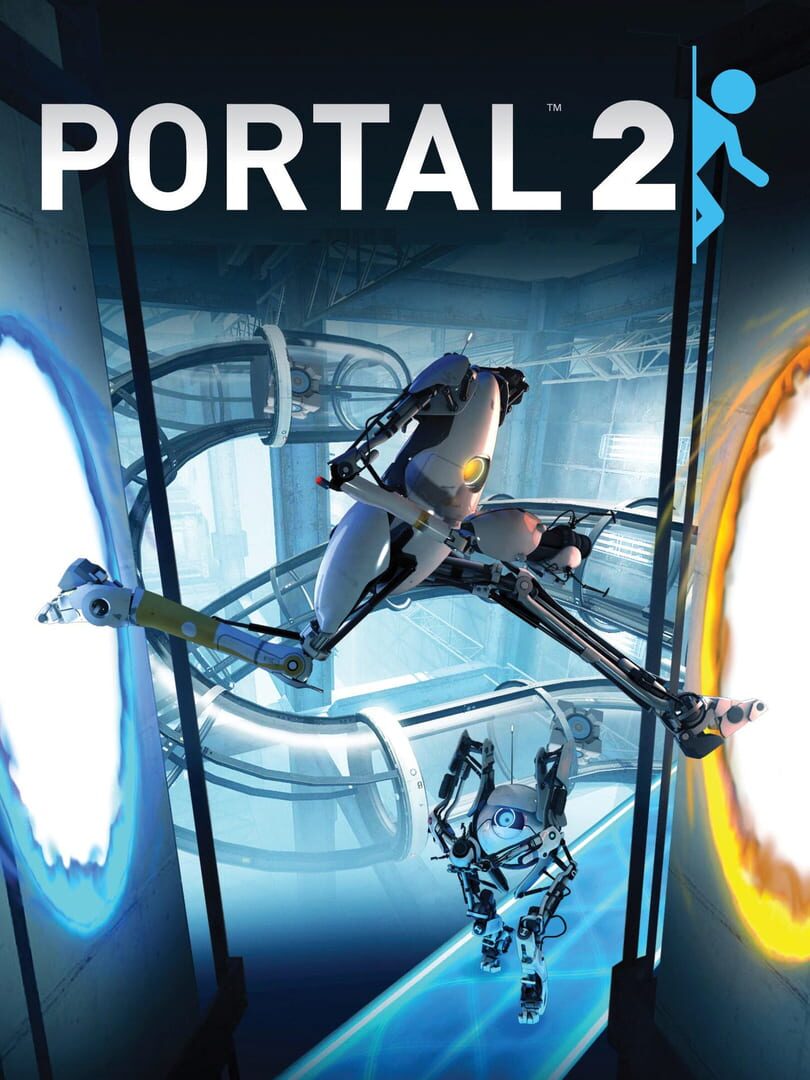
When Portal 2 launched on April 22, 2011, it arrived as something gaming really needed—a sequel that didn’t just meet expectations, it obliterated them. This wasn’t some cash-grab follow-up riding the coattails of a cult classic. Valve created something that felt like a genuine artistic statement wrapped in the disguise of a puzzle-platformer. The 9.1/10 rating it earned wasn’t just a number; it represented a gaming community collectively acknowledging that something special had happened.
The original Portal was clever and compact, but Portal 2 expanded that concept into something monumentally ambitious. Rather than simply offering more of the same, Valve took the core mechanic—creating two linked portals to solve spatial puzzles—and built an entire world around it. The game understood that innovation isn’t always about doing something completely new; sometimes it’s about taking a brilliant idea and asking what else can we do with this?
Here’s what made the design approach so effective:
- Environmental storytelling that unfolded naturally through exploration and dialogue
- Co-op gameplay that was mechanically distinct from the single-player campaign
- Narrative depth that matched the mechanical complexity
- Character development through writing and voice acting that elevated it beyond typical puzzle-game fare
- Progressive difficulty scaling that never felt cheap or unfair
The single-player campaign is where Portal 2 truly shines. You’re not just solving puzzles in isolation—you’re navigating Aperture Science, a facility that’s part hilarious testing ground, part abandoned dystopia. The writing here is phenomenal. GLaDOS, the AI antagonist, has layers of character development that emerge across the runtime. Her relationship with the player character evolves in genuinely unexpected ways, and that’s not something you typically see in puzzle games.
Portal 2 proved that puzzle games could carry substantial narrative weight without sacrificing mechanical integrity. The story and gameplay weren’t competing for your attention—they were working in harmony.
Then there’s the co-op mode, which deserves its own discussion entirely. Playing as two robot test subjects solving puzzles together creates this wonderfully collaborative tension. You can’t succeed by yourself; you genuinely need your partner. The puzzle design reflects this perfectly—every chamber is built around the concept that two minds (or four hands, technically) are required. It’s not just tacked-on content; it’s a complete rethinking of the puzzle formula.
The platform expansion tells another part of the story. Portal 2 was released on:
- PlayStation 3
- Xbox 360
- PC (Microsoft Windows)
- Mac
- Linux
- Nintendo Switch (years later)
This widespread availability meant that Portal 2 wasn’t confined to one audience. Console players, PC enthusiasts, Mac users, and eventually Switch owners all got to experience it. That kind of multi-platform commitment from Valve was notable and helped cement the game’s cultural footprint.
The DLC strategy that followed is worth acknowledging, even though it generated some controversy. Valve took flack for the day-one paid DLC pricing, which felt a bit aggressive. But here’s where it gets interesting—they also committed to free DLC. The “Peer Review” pack came out at no cost and expanded the co-op experience with genuinely challenging new chambers that felt like natural extensions of the base game’s design philosophy. This balanced approach suggested Valve understood that maintaining goodwill with players mattered.
The willingness to create substantive free content alongside paid options created a dialogue with the community rather than a one-way transaction.
What’s fascinating about Portal 2 from a historical perspective is how it influenced puzzle game design moving forward. Other developers recognized that players craved mechanics that felt fresh and mentally engaging. The puzzle-platformer genre evolved largely in response to what Valve demonstrated was possible. We saw more games embracing environmental mechanics as narrative tools, more titles attempting to blend gameplay with genuine character development.
The game’s longevity is remarkable too. Over a decade later, people are still revisiting it, still discovering details they missed, still creating custom maps and testing chambers. That’s not nostalgia—that’s the mark of genuinely well-crafted design that transcends its release date. The mechanics remain satisfying. The humor hasn’t aged poorly. The character moments still land.
What Valve and Electronic Arts accomplished together was rare: they created a sequel that respected its predecessor while charting entirely new territory. Portal 2 didn’t just succeed commercially; it succeeded artistically, proving that puzzle games could be just as narratively compelling and culturally significant as any blockbuster shooter or action game. It’s a game that recognized that smart design and genuine creativity were entertainment in themselves, and that respecting player intelligence was the ultimate compliment.


