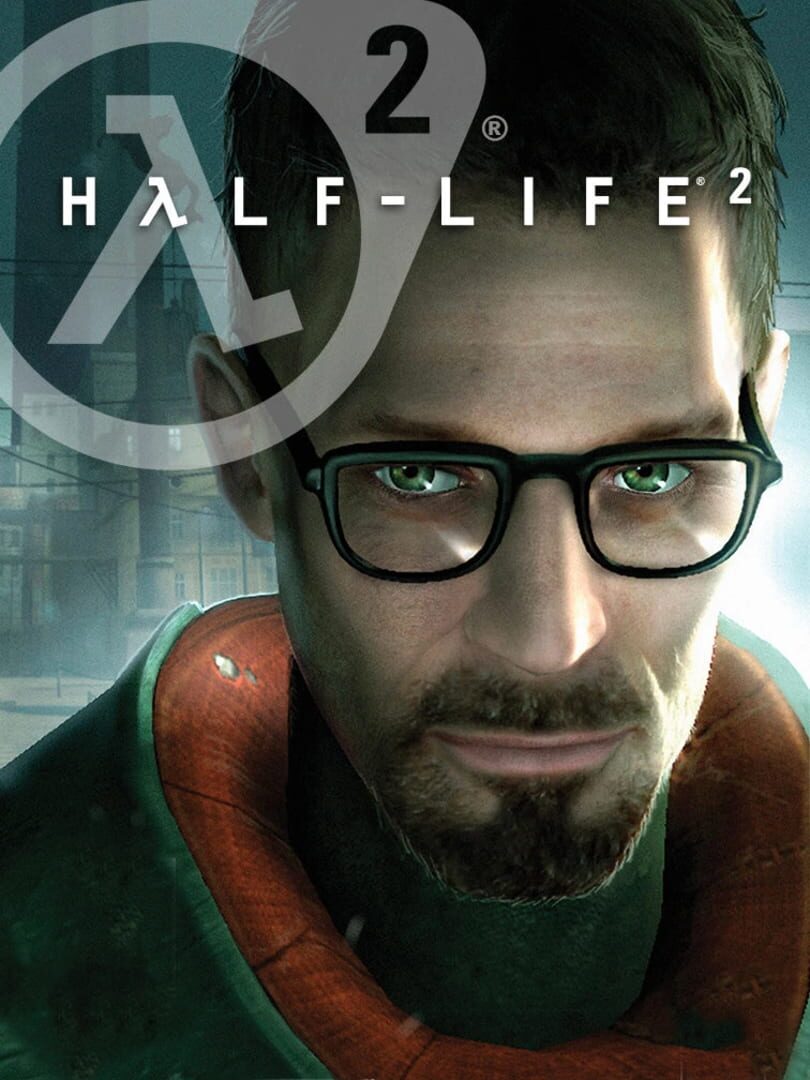
Look, I’m going to be straight with you—when Half-Life 2 launched back in 2004, it didn’t just release a game. It fundamentally changed what we thought shooters could be. And here’s the thing that still gets me: even now, decades later, it remains absolutely essential to understanding modern game design. The fact that it earned a solid 9.0/10 rating speaks volumes about how well it’s aged, even if some mechanics feel a bit clunky by today’s standards.
What made Half-Life 2 so revolutionary wasn’t just that it was a tight shooter—it was that Valve understood something crucial: you could blend narrative, environmental storytelling, and gameplay mechanics in ways that elevated the entire medium. The game didn’t just tell you a story through cutscenes; it showed you the world through how you interacted with it. Every crowbar swing, every headcrab encounter, every moment with Alyx felt like it meant something because the game trusted you to understand the weight of your actions.
The Physics Engine Changed Everything
- >
The gravity gun wasn’t just a gimmick—it fundamentally altered how we approached puzzle-solving in first-person games. Suddenly, environmental objects weren’t just set dressing. They were tools, weapons, and narrative devices all at once.
The distribution strategy was equally impressive. By the time Half-Life 2 made its way across Xbox, PlayStation 3, Linux, Android, PC, Mac, and Xbox 360, it proved that a complex, narrative-driven experience could work across platforms without losing its identity. That’s no small feat. The game adapted, evolved, and remained relevant on every system it touched.
- Here’s what’s particularly fascinating about the game’s cultural impact:
- It pioneered the “gravity gun” mechanic that became a design gold standard
- Environmental storytelling became the new benchmark for narrative in shooters
- The Combine represented dystopian oppression in ways that resonated with players on a visceral level
- Half-Life 2 proved that linear level design could feel organic rather than restrictive
- Voice acting and character development elevated NPC interactions beyond simple quest-givers
What really gets me, though, is how the game’s creative vision from Valve, working with partners like NVIDIA Lightspeed Studios, Electronic Arts, and Sierra Entertainment, created something that felt genuinely alive. City 17 wasn’t just a backdrop—it was a character itself. The oppressive architecture, the propaganda, the subtle ways the world showed you a society under alien occupation… it was world-building that made you feel like a resistance fighter, not just play like one.
The game understood that pacing matters. Not every moment is about combat. Some of the most memorable sequences involve simply exploring, listening to NPCs, and absorbing the atmosphere. That restraint is something modern games could learn from.
- The mechanical innovations deserve serious credit too:
- The physics-based puzzle design created a new category of problem-solving
- NPC companions felt genuinely valuable in combat (looking at you, Alyx)
- The crowbar melee system proved you didn’t need complex animations to make melee satisfying
- Environmental hazards became strategic elements rather than background details
- The pacing rhythm alternated between explosive action and contemplative exploration
Now, I’ll be honest—revisiting Half-Life 2 today, you might notice some rough edges. The platforming sections can feel dated. Some puzzle solutions aren’t immediately intuitive. There are stretches where the game does drag slightly. But here’s what matters: those imperfections don’t diminish what the game accomplished. They’re the footprints of an ambitious creative vision that was willing to experiment and occasionally stumble in service of something greater.
The recent 20th Anniversary Update really highlighted this. Valve bringing back the original development team, adding comprehensive commentary tracks, implementing graphical improvements, and refining gameplay systems… it wasn’t just a cash grab. It felt like vindication of a game that clearly meant something to the people who made it. That level of care, even years later, tells you everything about the game’s significance.
What endures about Half-Life 2 isn’t nostalgia, honestly. It’s that the fundamental design principles remain sound. The game respects your intelligence. It trusts you to read a room and understand stakes without exposition dumps. It builds a world with internal logic and lets you move through it with agency. These aren’t things that become outdated.
The shooter genre fractually changed because of what Valve proved was possible here. Yes, we got the bombastic spectacle shooters, the competitive multiplayer arms races, the live-service behemoths. But underneath them all, you can trace a line back to Half-Life 2‘s insistence that shooters could be thoughtful. They could have character. They could make you care about more than just getting headshots.
That’s why it deserves recognition. Not because it’s perfect—no game is. But because it expanded what we believed interactive entertainment could achieve, and that expansion created space for everything that came after. It’s the kind of game that didn’t just succeed on release; it fundamentally altered the trajectory of an entire medium. And that, my friend, is what makes it a genuine landmark.


