Rod Blackhurst brings a particular sensibility to Dolly that’s worth understanding before the film arrives in March 2026. His directorial work in horror has been defined by psychological intensity and an interest in how trauma reshapes people. In Come True (2020), Blackhurst explored the nightmarish implications of sleep studies, creating something that felt genuinely unsettling without relying on jump scares. That film demonstrated his ability to build dread through atmosphere and character vulnerability—two elements that seem central to what Dolly is attempting.
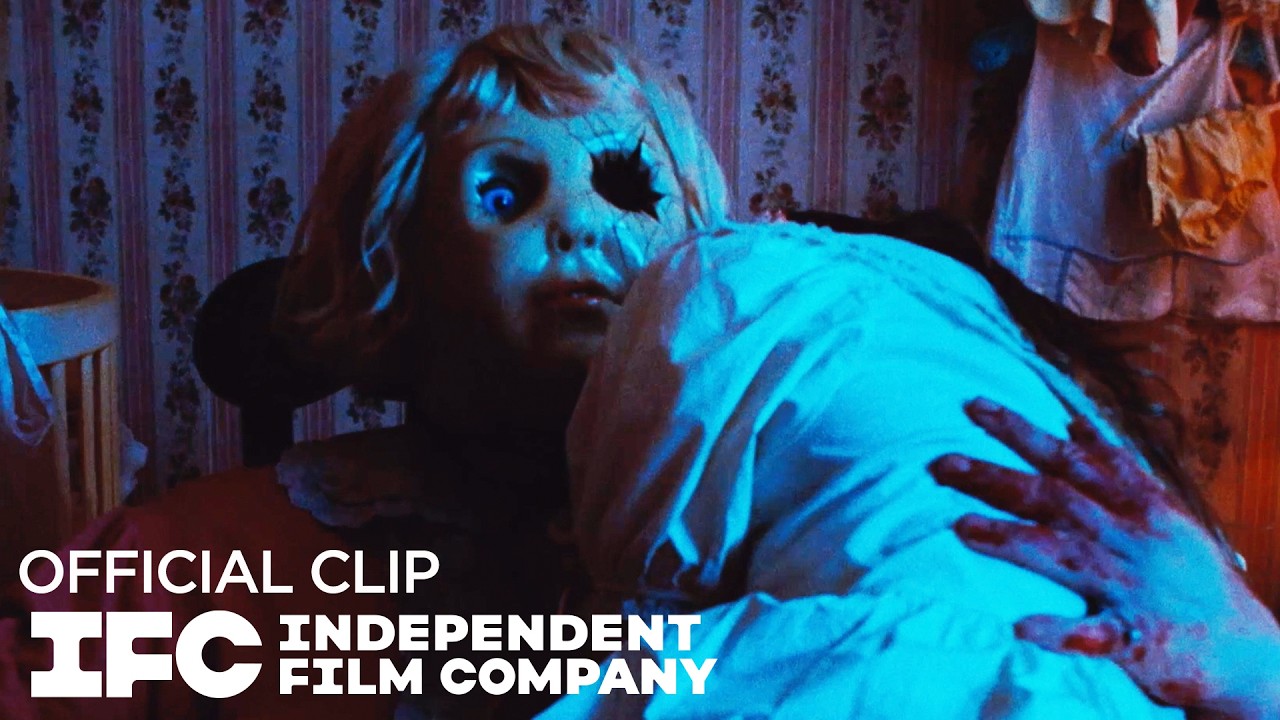
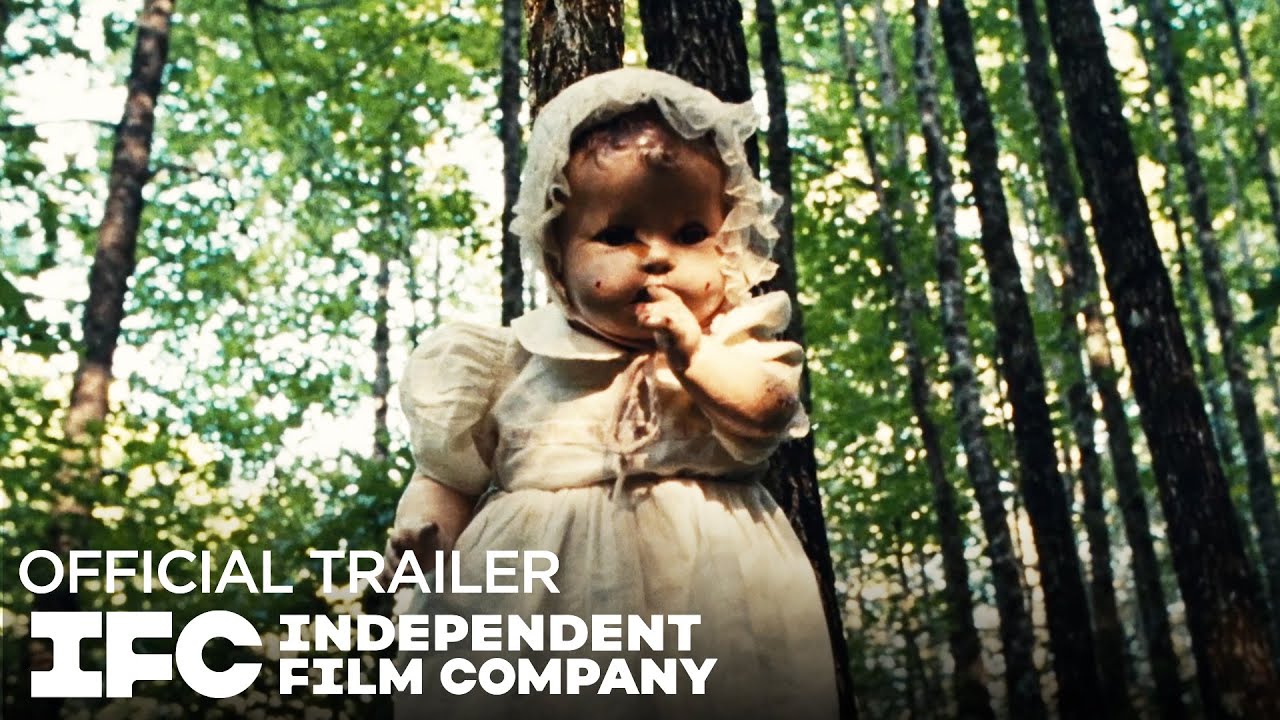
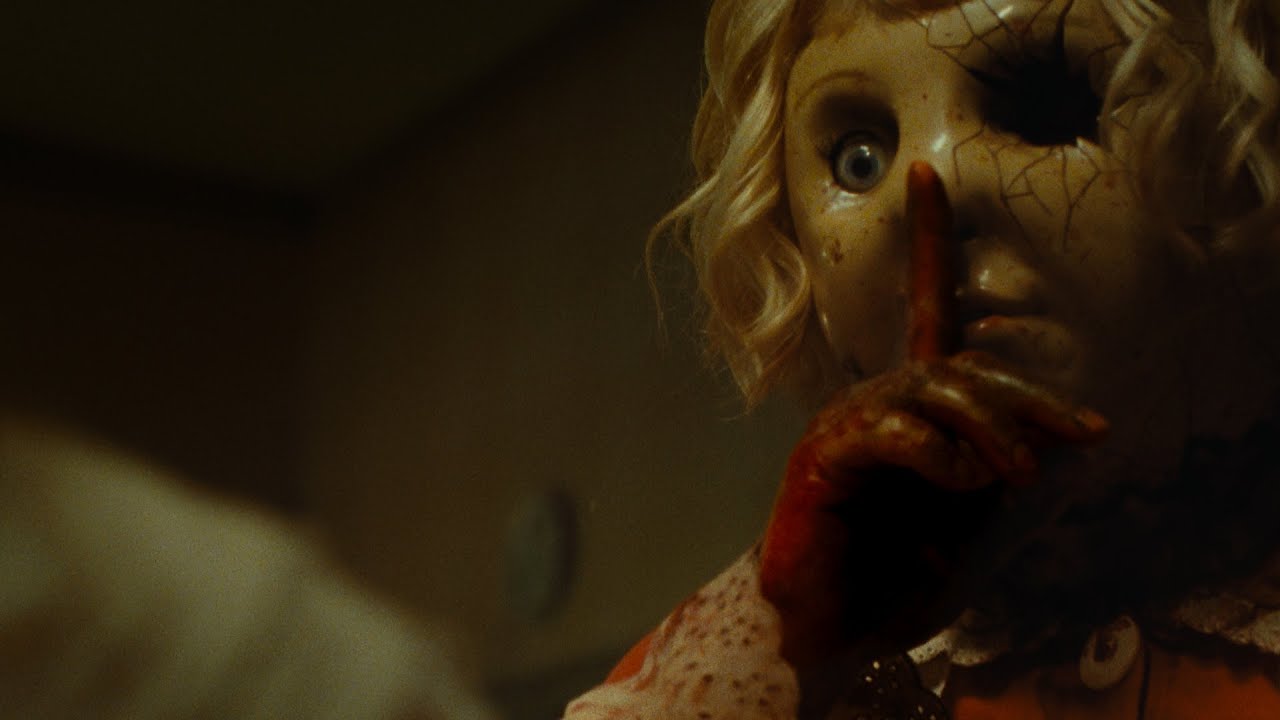
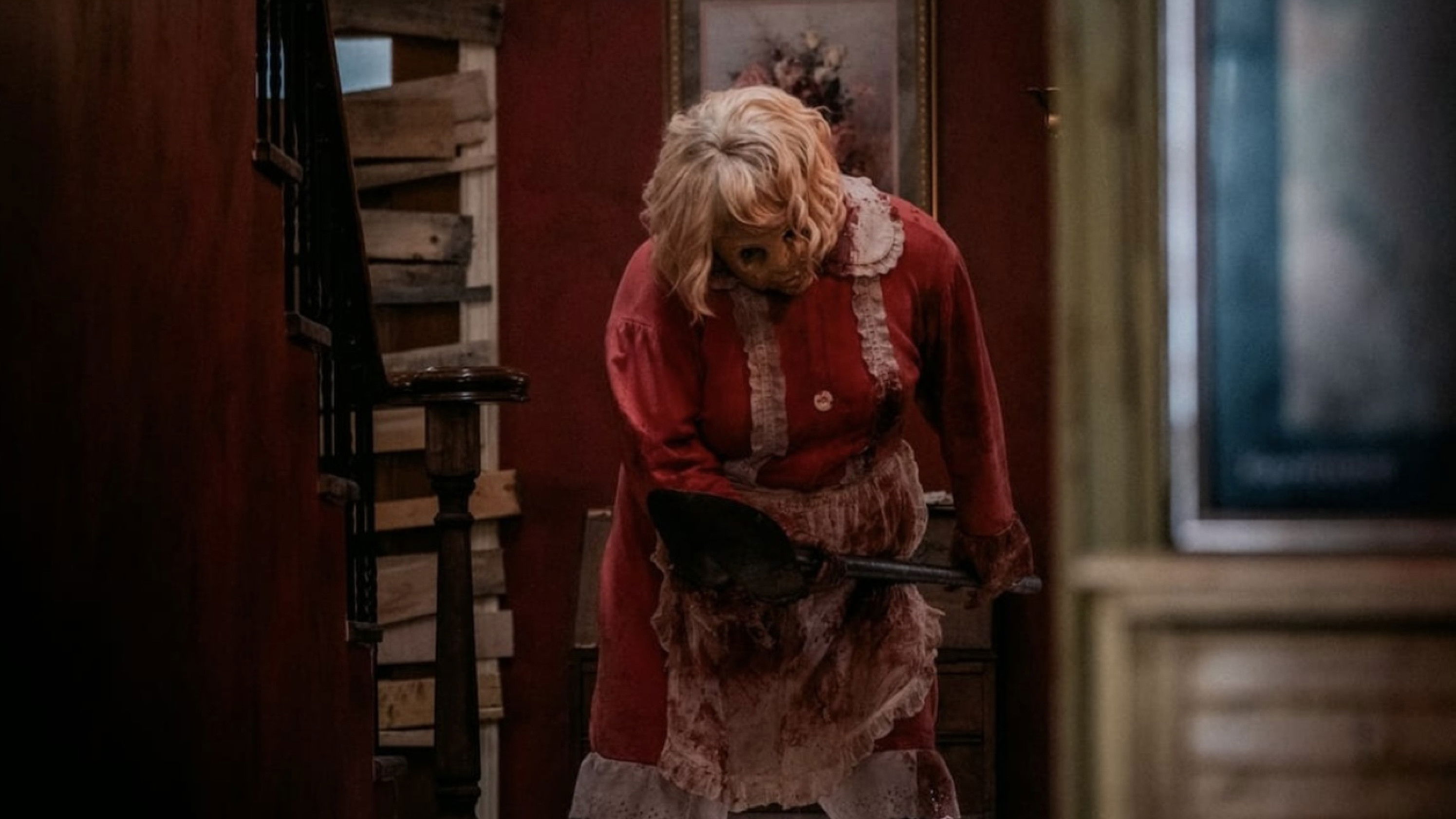
The premise itself is immediately striking: a young woman abducted by a deranged, monster-like figure who wants to raise her as their child. This isn’t a standard slasher setup. It’s psychologically warped territory, the kind of twisted domesticity that suggests Blackhurst is interested in the horror of forced dependency and distorted parental bonds. His previous work suggests he won’t play this for cheap thrills, but rather for the existential dread of being trapped in someone else’s delusional reality.
The Cast Brings Established Credibility
Fabianne Therese carries the film as Macy, the abducted woman. She’s worked across independent and mainstream projects, often playing characters with quiet intensity. She was solid in Entropy and has built a reputation for bringing authenticity to emotionally complex roles. What matters here is that she’s proven capable of portraying psychological distress without melodrama—exactly what this role demands.
Seann William Scott and Ethan Suplee round out the cast in ways that suggest a deliberate tonal strategy. Scott, best known for comedy and supporting roles, brings an unpredictability that could work well in a horror context. Suplee has a different kind of presence—he’s worked in dramatic fare like American History X and Remember the Titans, demonstrating range beyond his comedic appearances. The mix of these three actors isn’t what you’d expect from a straightforward horror film, which hints that Dolly might be exploring its premise in less conventional ways.
A Collaborative Production
The film is being produced through a network of independent production companies: Witchcraft Motion Picture Company, Gentile Entertainment Group, Mama Bear Studios, Monarque Entertainment, and Set Point Entertainment. This isn’t a studio horror play backed by a major distributor’s marketing muscle. It’s a more boutique approach, which typically means the filmmakers had more creative control but also face tighter constraints. The fact that multiple independent producers are aligned on this project suggests they see something distinctive in Blackhurst’s vision.
The 84 minutes runtime is lean for a feature film, which points toward a tight narrative structure. There’s no room for padding—every scene has to count. This aligns with Blackhurst’s previous work, which hasn’t been concerned with expansive plotting but rather with sustained psychological pressure within confined spaces.
What Dolly Represents
Beyond the immediate story, this film arrives at a moment when horror is fractured into multiple competing interests. There’s elevated horror focused on metaphor and social commentary. There’s folk horror mining rural American dread. There’s body horror pushing physical boundaries. Dolly seems to be working in the psychological captivity space—think Room or The Lovely Bones, but filtered through a genre lens. The monster-like abductor isn’t a zombie or a slasher; they’re explicitly deranged but singular. This is intimate horror, the kind that trades spectacle for claustrophobia.
Blackhurst’s track record suggests he understands this territory. He’s made films about internal states made external, about how the mind processes violation and terror. Whether Dolly succeeds depends entirely on whether he can sustain that psychological intensity across 84 minutes minutes, and whether Therese’s performance can carry the emotional weight of watching someone navigate captivity by a figure that wants to love them in all the wrong ways.
The film’s scheduled March 2026 release as a limited theatrical release means it won’t have the distribution muscle of a studio horror tentpole. But that may be exactly the point. This is the kind of film that doesn’t need wide theatrical saturation to matter. It needs to find its audience through word-of-mouth and critical attention—the pathways that independent horror has used to build lasting reputations. Whether it achieves that is something only time will tell, but the creative team in place suggests Blackhurst has the vision to handle material this dark.