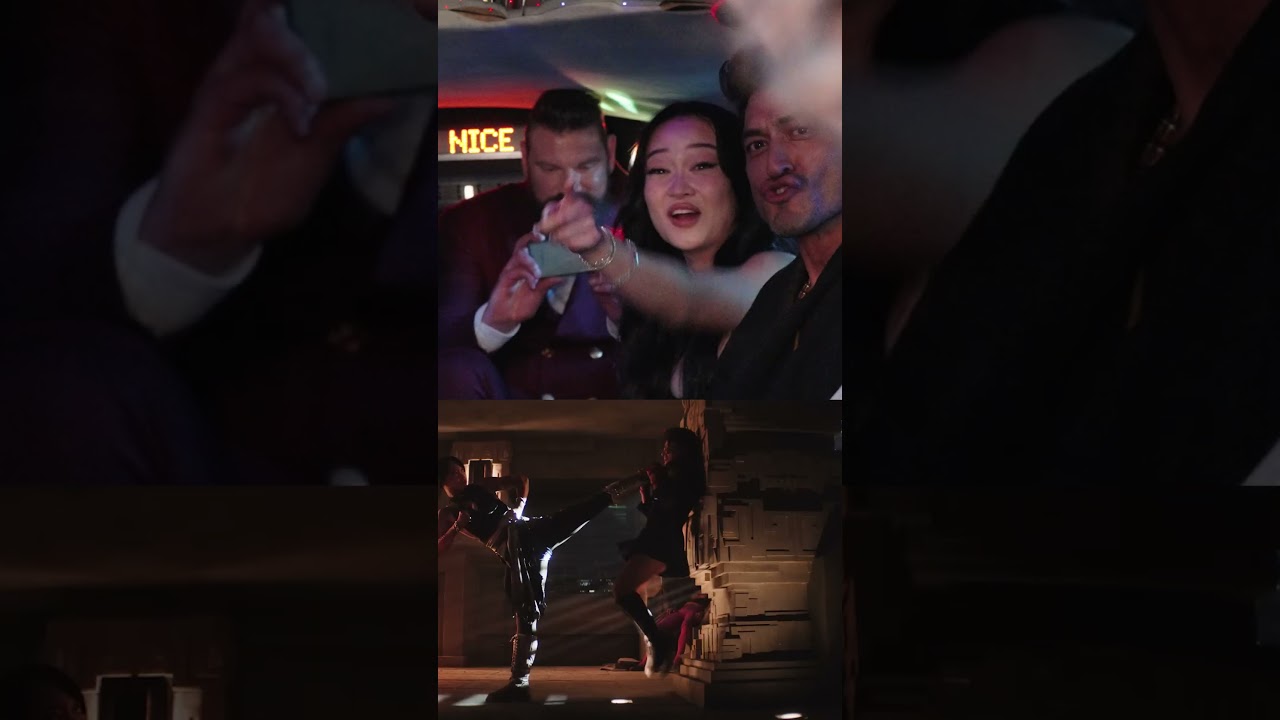
Kitao Sakurai’s appointment as director is the kind of creative choice that quietly signals what a studio actually wants from a project. Sakurai isn’t a household name in American cinema, but that’s partly the point—he’s a filmmaker who builds visual momentum from practical choreography and character dynamics rather than relying on franchise spectacle to do the heavy lifting. His directorial work demonstrates a real interest in how bodies move through space and how actors can communicate intention through physicality, which becomes essential when adapting a fighting game where the entire appeal is rooted in combat design.
This matters for Street Fighter because the property has a documented struggle with live-action adaptation. The 1994 film and its sequels approached the material like a standard action movie, treating the fighting tournament as window dressing for plot mechanics. Sakurai seems positioned to invert that—to make the fighting itself the narrative backbone. That’s a different kind of filmmaking than what the franchise has seen before, and it’s a choice that could either revitalize the property or misunderstand what made the game culturally significant in the first place.
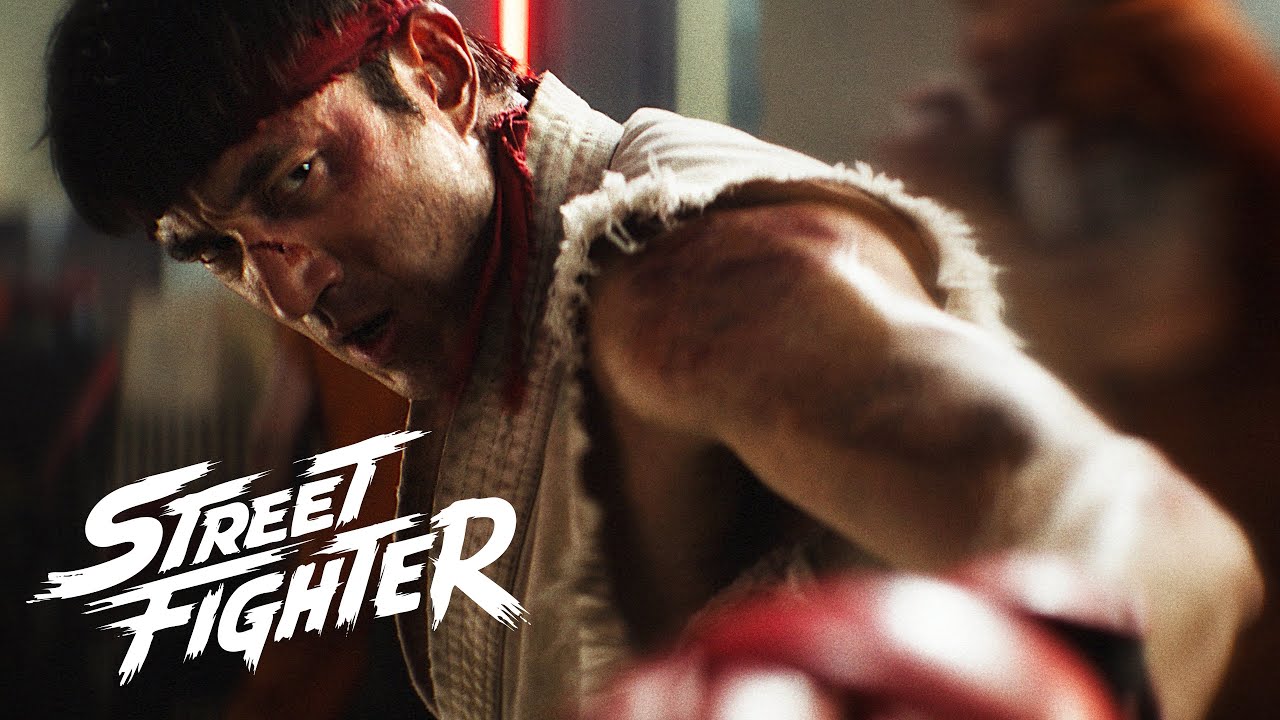
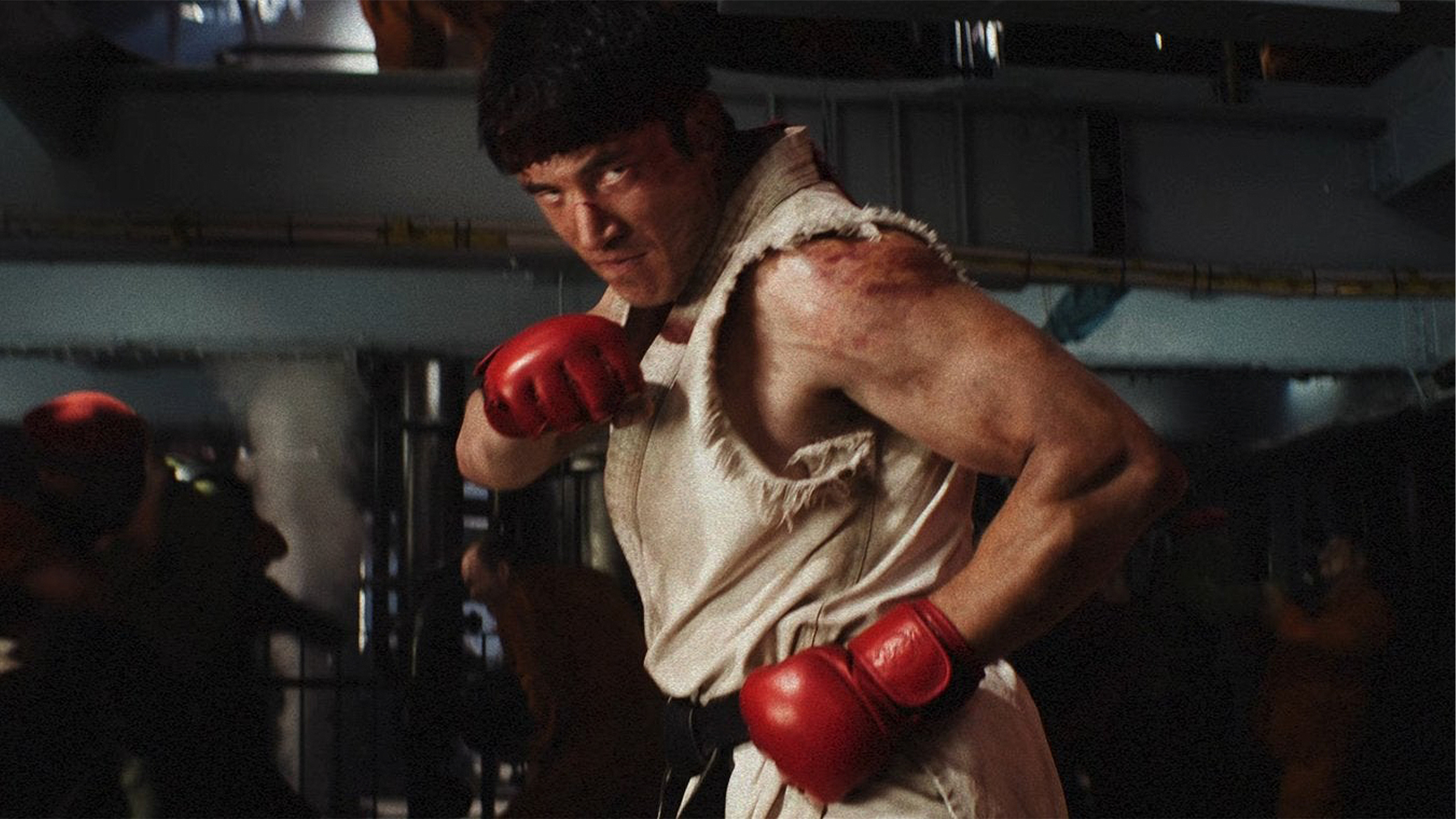
The cast carries weight here in ways that extend beyond star power. Andrew Koji brings a specific kind of physical presence from his work in Snake Eyes: G.I. Joe Origins and the Warrior series, where he’s proven he can anchor action sequences while maintaining emotional authenticity. He’s not a typical action hero—there’s something grounded about how he moves, a sense that violence costs him something. That aligns with who Ryu is in the game: not a warrior seeking glory, but someone searching for self-understanding through combat.
Noah Centineo, meanwhile, has spent the last several years navigating the line between comedy and sincerity in projects like the To All the Boys franchise. Ken Masters, as a character, is often written as either a joke or a one-note rival, but Centineo has shown he can find complexity in roles that could easily become flat. The pairing of Koji and Centineo is interesting because it suggests the film is thinking about Ken and Ryu’s relationship as something more textured than typical rivals—that their shared history carries real emotional weight.
The real wildcard is Callina Liang as Chun-Li. The character has always been the emotional center of Street Fighter lore, the fighter with the most grounded motivation (revenge for her father’s death), and Liang’s background in action-heavy roles suggests the film won’t reduce her to a supporting player in someone else’s story.
The production itself represents a significant convergence of interests. Capcom’s decision to partner with Legendary Pictures on a film directed by Sakurai signals that the game publisher is thinking about Street Fighter as material that demands a singular artistic vision rather than a franchise formula. Legendary has released films across wildly different scales—from Godzilla: Minus One to The Dark Knight trilogy—which suggests they’re willing to let creators take unconventional approaches. That collaborative structure doesn’t guarantee success, but it does suggest the filmmakers aren’t being pushed toward a predetermined template.
The 1993 setting is worth noting. Rather than updating the tournament to the present day, the film is anchoring itself in the game’s original temporal setting, which creates an interesting relationship to Street Fighter canon. The World Warrior Tournament exists in the games as this mythic competition that draws fighters from across the globe, and setting it in 1993 allows the film to treat it as a self-contained narrative event rather than one chapter in an ongoing saga. It’s a smart move for a property that’s accumulated decades of lore across multiple game sequels, spinoffs, and tie-ins.
The synopsis hints at something the games themselves have always wrestled with: what happens when the spectacle of a fighting tournament masks something darker. Street Fighter’s narrative has evolved significantly since 1991—the games now incorporate conspiracy plots, shadowy organizations, and fighter hierarchies that extend well beyond “win the tournament.” The film’s mention of “a deadly conspiracy” suggests it’s tapping into that evolved mythology rather than just adapting the original arcade game’s simple “tournament” premise.
What makes this project genuinely worth paying attention to is that it’s being made without the protective scaffolding that most video game adaptations build around themselves. There’s no cushion of existing franchise goodwill from a successful previous film, no built-in audience from a beloved prior adaptation. The film has to earn its place entirely on the strength of its creative decisions: whether Sakurai can translate the visual language of fighting games into cinema, whether the cast can make these archetypal characters feel like specific people with stakes worth investing in, whether the conspiracy plot enriches the fighting or distracts from it.
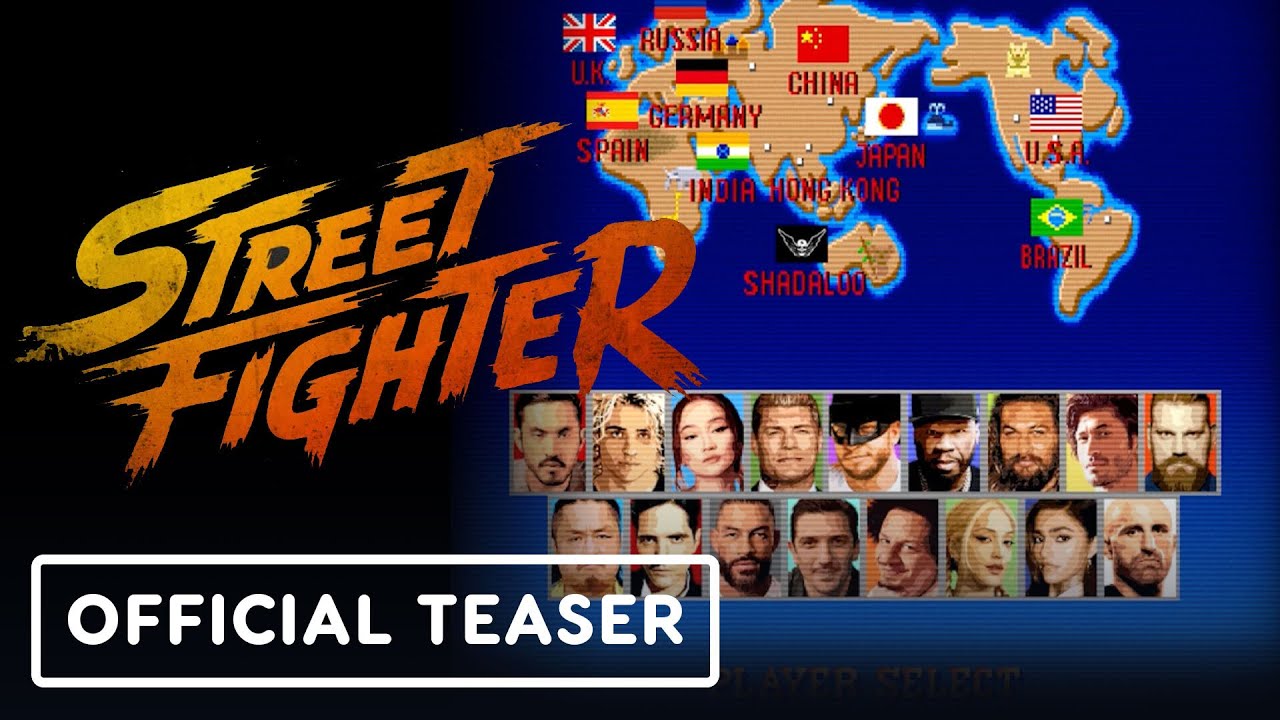
Video game adaptations have become more common in recent years, but they still struggle with a fundamental problem: the properties they’re adapting are interactive experiences, not narrative ones. Street Fighter doesn’t have a story in its gameplay—it has potential for stories that players create through competition. A film has to provide the narrative that the game leaves open. Sakurai’s task is to build a story that respects the game’s appeal—the satisfaction of learning a character’s moveset, the moment-to-moment tension of a close match, the journey from amateur to master—while creating something that stands on its own as cinema. That’s a high wire to walk. As of fall 2025, the film has wrapped production, and a teaser was released at The Game Awards, which means the creative team has made their bets and locked their choices into the final product.