Toxic (2026)
Movie 2026 Geethu Mohandas

Toxic (2026)

N/A /10
N/A Critics
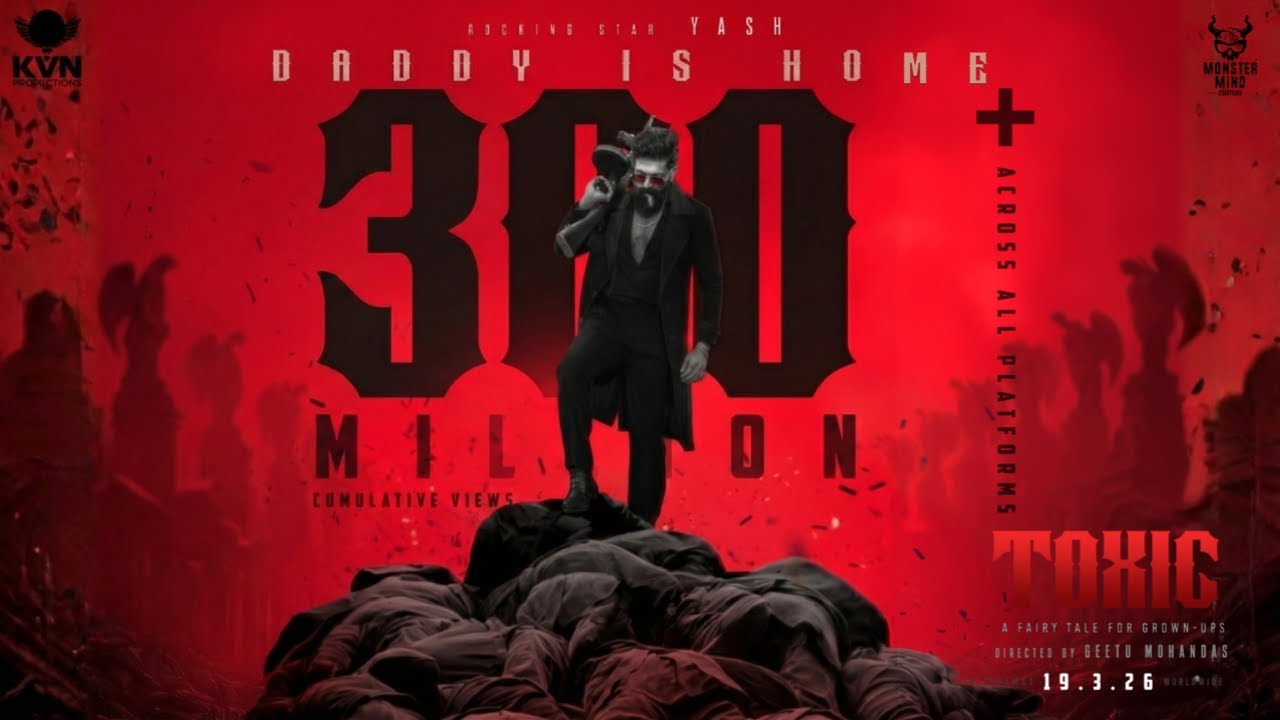
Set in a bygone era, this gripping tale unfolds in the coastal paradise of Goa, where a powerful drug cartel pulls the strings behind a facade of sun-soaked beaches and vibrant culture.

There’s something intriguing about a film that describes itself as “a fairy tale for grown-ups” while simultaneously diving headfirst into the world of drug cartels and coastal crime. Toxic, directed by Geethu Mohandas and arriving March 19, 2026, operates at that intersection—and understanding why requires looking at who’s making it and what they’ve demonstrated they can do.

Mohandas has built a distinct reputation in Indian cinema. Her previous directorial work shows a filmmaker comfortable with both intimate character studies and larger genre narratives. What’s marked her career is a willingness to examine darker psychological terrain while maintaining visual beauty. That sensibility—finding artistry within morally complicated stories—maps directly onto what Toxic appears to be attempting. A drug cartel narrative set against Goa’s beauty isn’t new territory, but the approach matters enormously. The tagline suggests this won’t be a straightforward crime thriller. It’s positioning itself as something more interested in myth and archetype than procedural realism.

The cast assembled here has genuine star power across multiple film industries. Yash brings Kannada cinema credibility alongside mainstream reach—he’s built his career on playing complex, physically commanding characters who exist in morally gray spaces. Kiara Advani has become a more selective actor in recent years, choosing projects that challenge her range beyond glamorous roles. Huma Qureshi consistently brings intellectual depth to her performances; she’s proven she won’t coast on screen presence alone. Having these three actors in the same frame suggests Mohandas is building an ensemble where performance and character architecture matter as much as spectacle.

The real question Toxic raises is whether crime narratives set in India can escape the patterns established by international models—whether directors can find their own visual language and thematic concerns rather than importing wholesale aesthetic approaches from other industries.

The production combines KVN Productions and Monster Mind Creations—companies with track records of investing in directors with distinct voices rather than chasing proven formulas. That’s worth noting. These studios are betting on Mohandas’s vision, not retrofitting a script to match market trends. The production seems built around directorial intent rather than algorithmic commercial calculation.

What makes Toxic significant in its current form—before release, before box office numbers, before critical consensus—is that it represents a particular ambition in Indian cinema. The film isn’t based on existing IP or adapted from source material. It’s an original narrative that’s securing major production resources and A-list casting. That’s become rarer. There’s genuine creative risk here. Mohandas isn’t making a sequel or a remake. She’s asking audiences to trust her vision of what a grown-up fairy tale about criminal enterprise looks like.

The Goa setting itself carries weight. The state has become almost mythological in recent Indian cinema—a space representing everything from bohemian escape to exploitative corruption. By placing her crime narrative there, Mohandas is engaging with an already-loaded geography. The coastal paradise facade hiding cartel machinery is the story the setting practically demands to tell. Whether the film can find something genuine within that concept, rather than simply executing it competently, remains to be seen. But the pieces suggest she’s thinking about these layers seriously.

Key elements that define the project:

  • A director with demonstrated commitment to visual storytelling and psychological complexity
  • Three actors known for prioritizing character work over commercial calculation
  • Original screenplay rather than adapted or franchise material
  • Production companies with track records of backing distinctive voices
  • March 19, 2026 release date against significant competition (notably Sanjay Leela Bhansali’s Love & War releasing the next day)

The release timing is worth considering. Landing between major studio releases from established franchises, Toxic is positioning itself as an alternative—not a counterprogramming choice, but a different kind of cinema altogether. That suggests confidence in what the film is, not just what it might earn.

In an era when Indian cinema is increasingly fragmented between streaming platforms and theatrical releases, between franchise tentpoles and boutique productions, Toxic lands squarely in theatrical territory with a committed creative team and resources behind it. Mohandas has something to say about crime, morality, mythology, and place. The cast has signed on to execute that vision. That alone makes it worth taking seriously, regardless of what happens when audiences finally see it.

Related Movies