When Splitsville premiered at Cannes in May 2025, it arrived with the kind of buzz that usually signals a breakout indie hit. Michael Angelo Covino’s film—a sharp, uncomfortable comedy about marriage, infidelity, and the messy reality of modern relationships—hit theaters in limited release that August before expanding wide in September. What happened next tells you something important about where comedy stands right now, and why this film matters more than its box office numbers might suggest.
Let’s talk about those numbers first, because they’re actually revealing. The film earned $3.26 million against a $20.00 million budget, which sounds like a disappointment on paper. And sure, in pure financial terms, it didn’t set the world on fire. But indie comedies rarely do at the box office anymore. What’s interesting is that Splitsville arrived with serious critical momentum—it premiered at one of the world’s most prestigious film festivals and came from NEON, a distributor known for backing films that matter. The disparity between its critical reception and its commercial performance tells us something about the current state of adult comedies in theaters.
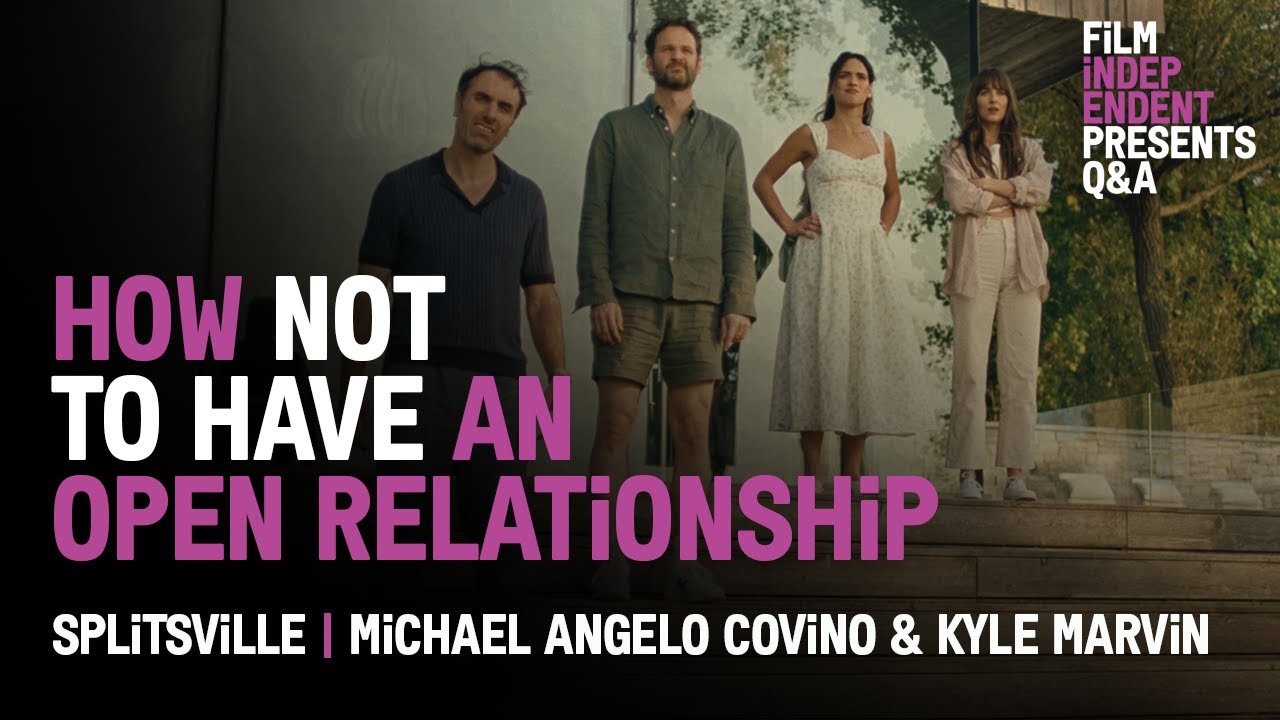
The premise is disarmingly simple: Carey gets blindsided by his wife Ashley’s divorce request. Desperate for advice, he turns to his friends Julie and Paul, only to discover they’ve found marital bliss through an open relationship. When Carey inevitably crosses a line, everything falls apart. It’s the kind of setup that could go broad and silly, but Covino takes it somewhere sharper and more genuinely unsettling. This isn’t a film about celebrating unconventional relationships or mocking them—it’s about the gap between what people tell themselves they want and what they actually need.
What makes Covino’s vision distinctive is his refusal to let anyone off easy. In many comedies, characters learn lessons or experience redemption. Splitsville, clocking in at 105 minutes minutes, doesn’t have much patience for that kind of narrative comfort. Instead, it sits in the discomfort. It makes you watch smart, well-meaning people hurt each other because they’re fundamentally unprepared for the emotional complexity of their own choices. That’s not feel-good cinema, and audiences came looking for something different.
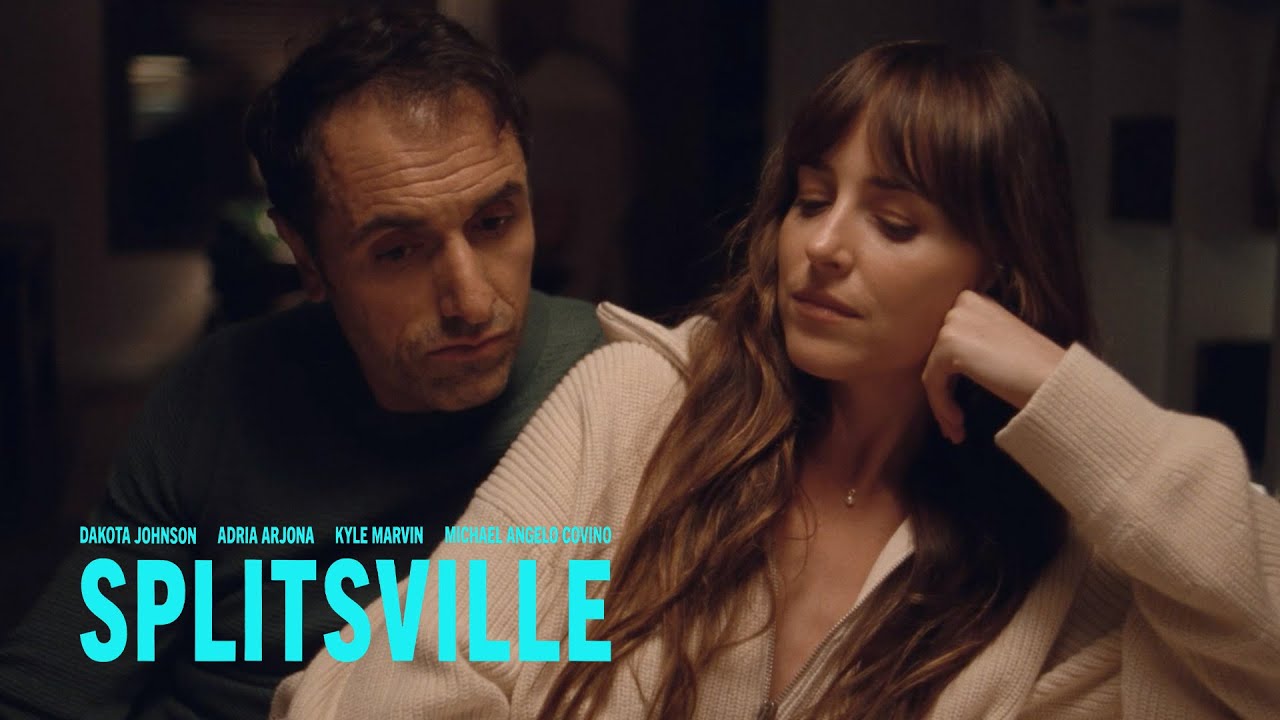
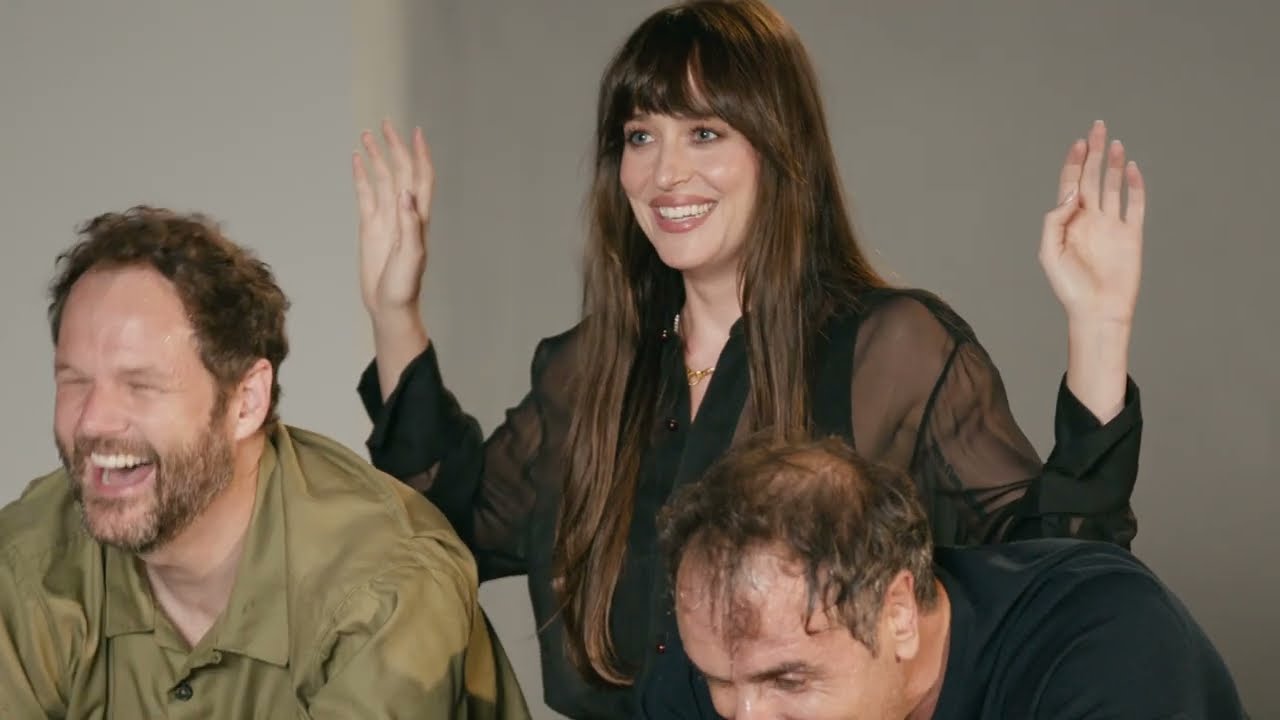
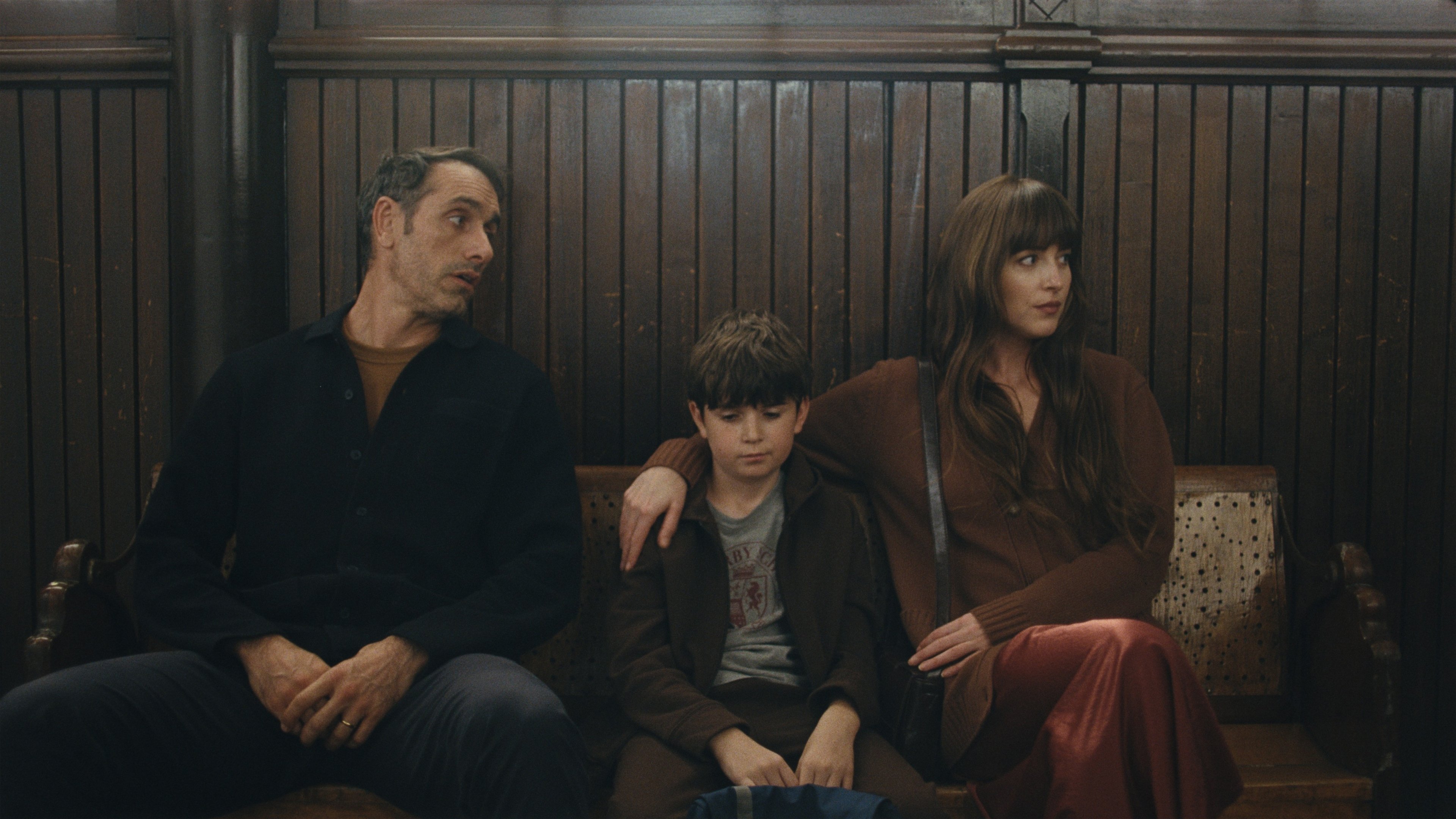
The ensemble cast—Dakota Johnson, Adria Arjona, and Kyle Marvin—is crucial to why this approach works:
-
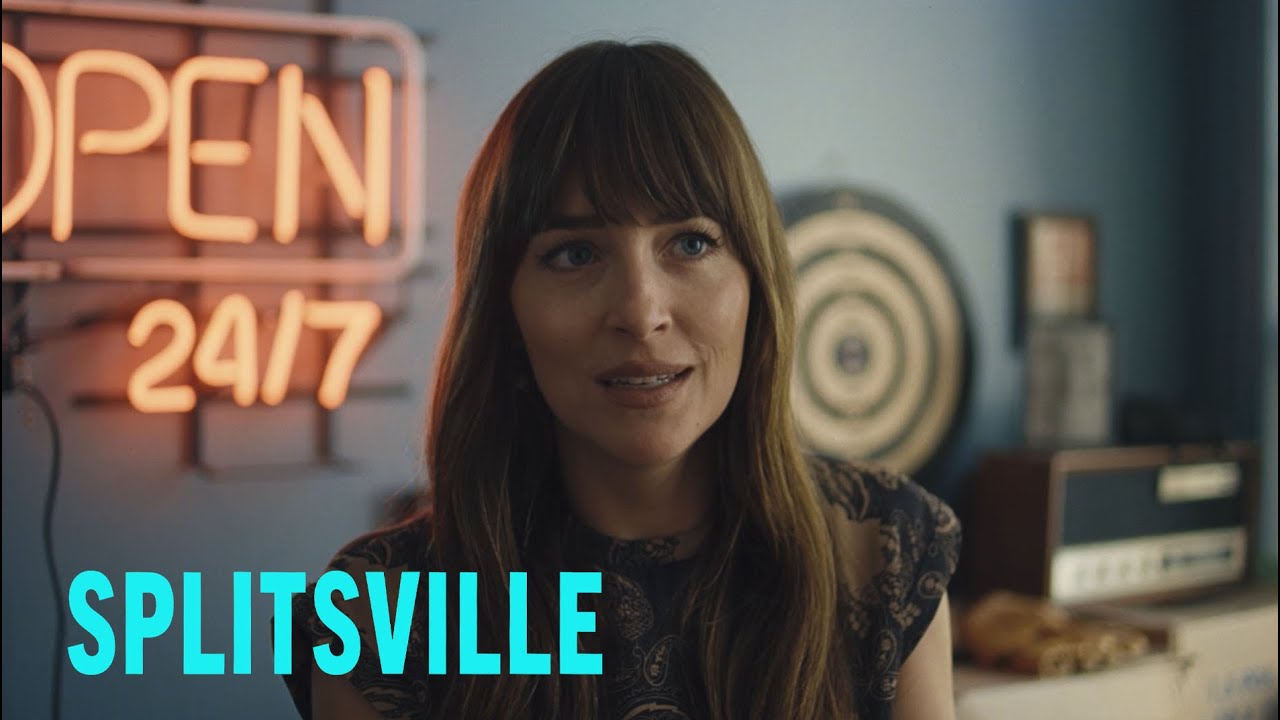
Dakota Johnson brings a particular weariness to Ashley, the wife who initiates the split. She’s not a villain or a sympathetic protagonist; she’s just someone who’s decided she’s done. Johnson doesn’t play for sympathy, which actually makes the character more interesting and more real.
-
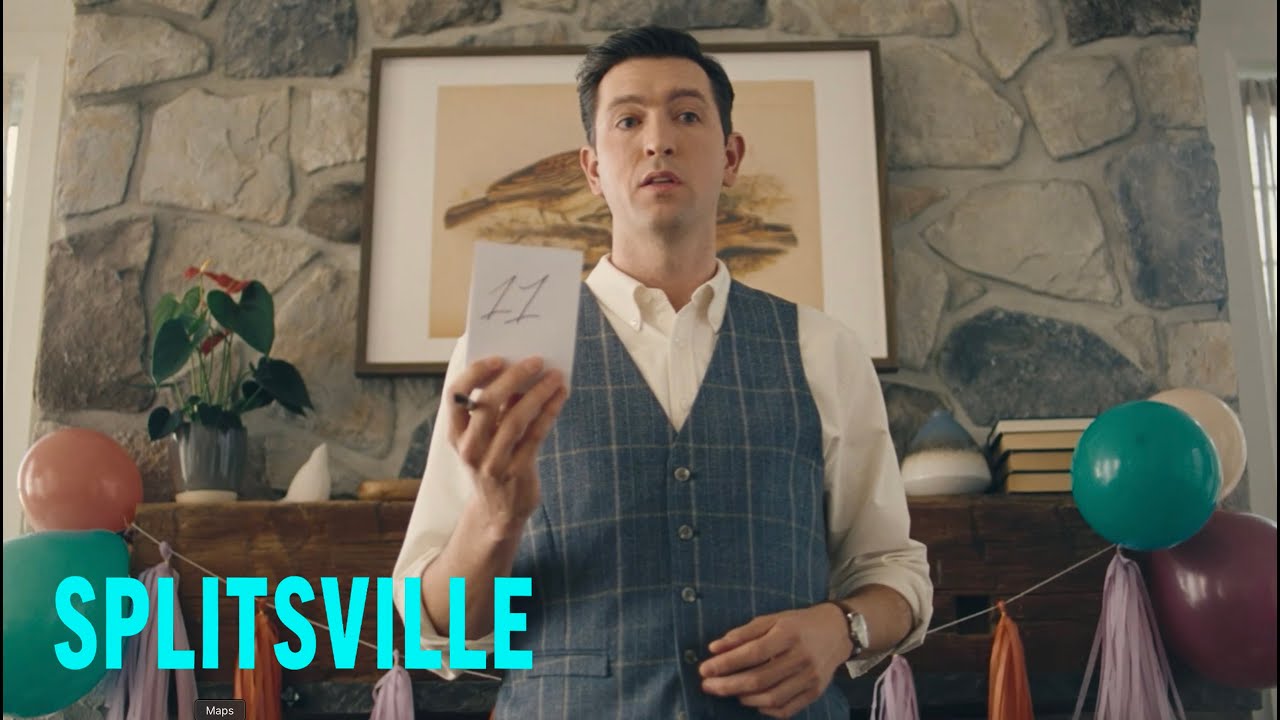
Kyle Marvin as Carey could have been pathetic in less careful hands, but he finds something genuinely human in his desperation. He’s the audience surrogate—the person trying to navigate a world where the rules have changed and nobody explained them to him first.
-
Adria Arjona as Julie creates the moral center of the film, though calling it a “center” is generous. She’s aware of what’s happening and complicit in it, which is a much more complicated position than the film’s marketing might suggest.
These three actors clearly understood what Covino was after. They commit fully to the awkwardness rather than trying to smooth it over with charm. That commitment is what keeps the film from sliding into either heavy-handed moralizing or pure cynicism.
> The film’s tagline—”An unromantic comedy”—is actually the whole thesis. We’re past the era when romantic comedies could pretend relationships are simple equations with happy endings built into the math.
The broader cultural moment matters here. Splitsville arrived in 2025 when discussions about monogamy, commitment, and relationship structures have become genuinely complicated in ways that mainstream comedy hadn’t really grappled with. The film doesn’t present open relationships as inherently good or bad—it just shows what happens when real people try to make them work. That’s more interesting than a traditional morality tale, even if it’s less commercially appealing.
Critically, the film held up well. It earned a 6.3/10 rating from 144 votes on the database, though critical reception elsewhere was stronger—Rotten Tomatoes reported an 84% Tomatometer score. That gap between critical appreciation and audience scores is telling. Critics understood what Covino was doing and respected the execution. General audiences, watching in theaters expecting something lighter, found themselves in a film about emotional infidelity and relationship dissolution instead. Those are different expectations, and Splitsville serves the former audience better than the latter.
What’s likely to remain significant about this film is less its immediate cultural impact and more what it represents. It’s a reminder that adult comedies can still be made, that they can still be original, and that they don’t need to resolve into feel-good sentiment to be worthwhile. In an era when comedy often leans toward nostalgia, franchise building, or broad physical humor, Covino made something genuinely uncomfortable and specific to this moment. That’s rarer than the box office would suggest—and probably more valuable.