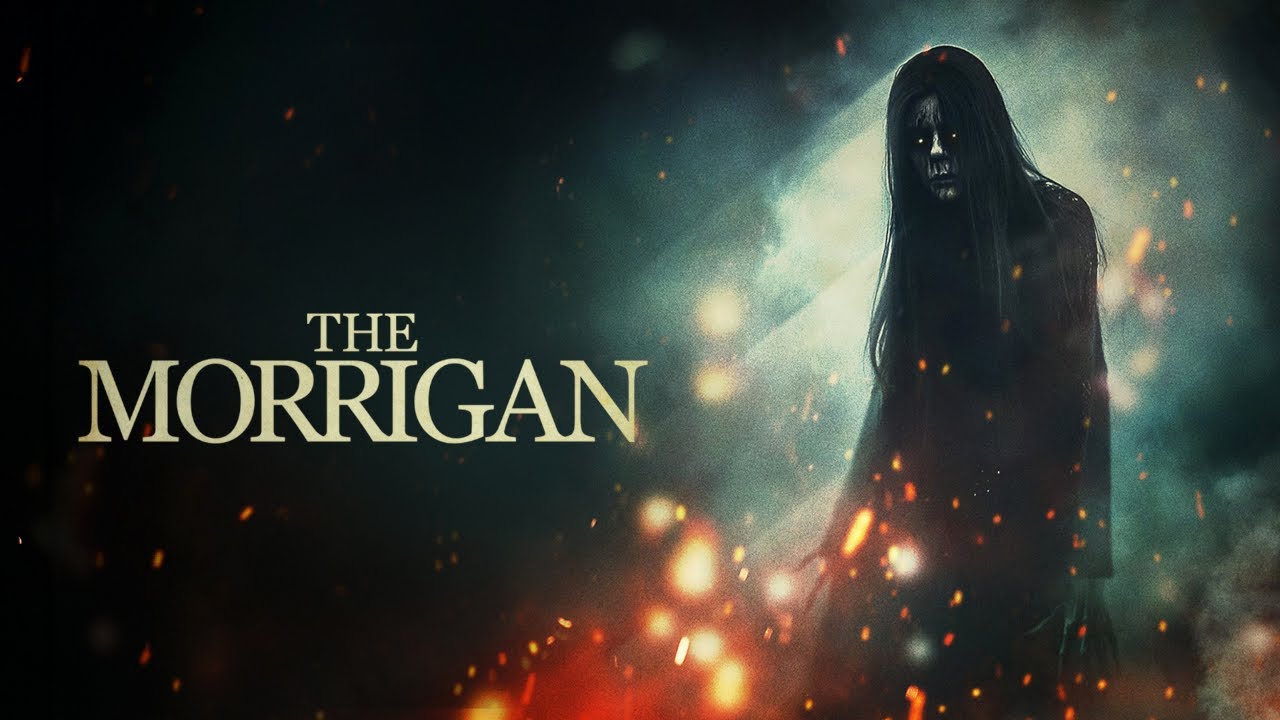
The Morrigan (2026)
Movie 2026 Colum Eastwood

The Morrigan (2026)

N/A /10
N/A Critics
1h 36m
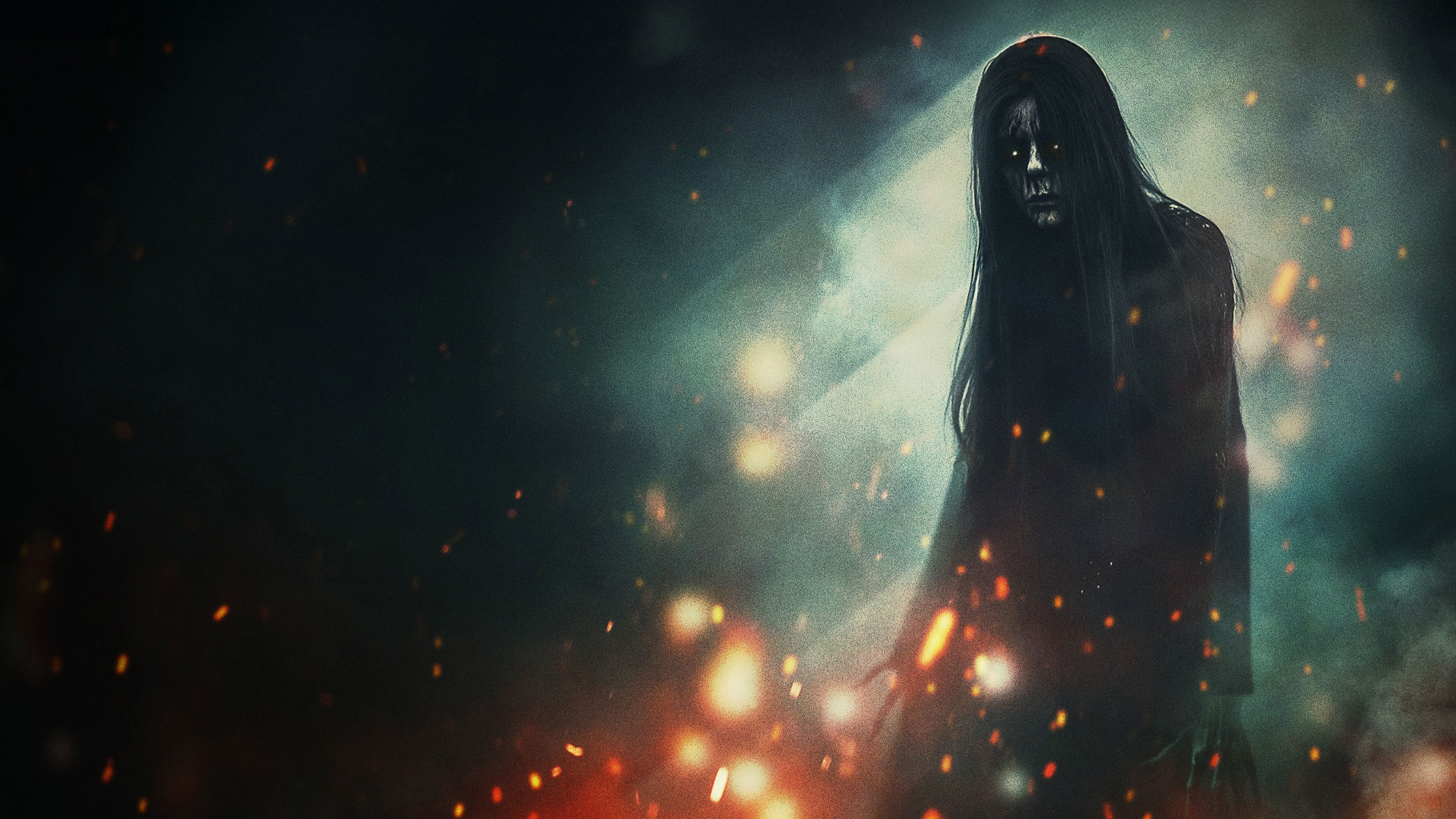
Follows an archaeologist who travels to Ireland to uncover a long-dead tomb. A threat is released and she will have to fight to keep her teenage daughter from falling under the control of The Morrigan, a vengeful "Pagan War Goddess."

Colum Eastwood brings a distinct sensibility to horror filmmaking, one rooted in psychological tension and the power of landscape itself. His previous work demonstrates a filmmaker comfortable with slow-burn narratives and willing to trust audiences to sit in discomfort. Eastwood’s approach typically emphasizes character over spectacle, building dread through what we don’t see rather than what we do. This restraint is particularly relevant when approaching folk horror, a subgenre that thrives on suggestion and cultural unease rather than jump scares and gore.

The creative team assembled here is notably strong across the board. Toby Stephens brings a weathered intensity to his roles—he’s spent years playing morally complicated characters in projects like Black Mirror and Succession, where he demonstrated real range and the ability to carry complex emotional weight. Saffron Burrows is an underrated screen presence who moves fluidly between drama and thriller work; she’s proven herself capable of playing mothers in peril without descending into cliché. James Cosmo is one of those character actors who brings immediate gravitas to any scene. His work in Game of Thrones and films like Trainspotting shows he understands how to create authentic presence even in ensemble casts. Together, they form a cast equipped to handle the family dynamics that sit at the heart of this story.

The Morrigan itself is a significant figure in Celtic mythology—a goddess of war, fate, and sovereignty who appears across Irish legend as a harbinger of doom and a shape-shifter of considerable power. She’s particularly known for appearing at crucial moments of conflict, sometimes as a crow or raven, sometimes as a beautiful woman, and sometimes as an old hag. The mythology is rich with material, and it’s genuinely surprising that no major film has drawn on this figure for a proper horror treatment until now. Folk horror has had something of a resurgence in recent years, and the subgenre’s increasing cultural presence makes this timing feel right.

The Morrigan represents one of the oldest surviving mythological frameworks in Western storytelling. She predates Christianity in Ireland by centuries, and her presence in ancient texts speaks to something primal about how cultures understood power, death, and the feminine.

The production company Cowboy Cosmonaut is relatively new to the landscape, but indie horror studios have shown they can produce compelling work when given the right material and creative leadership. The film’s runtime of 96 minutes minutes suggests Eastwood is working with a tight narrative structure—folk horror works best when it doesn’t overstay its welcome, and this length indicates confidence in the material itself rather than padding.

What makes this particular project interesting is how it frames the mythology within a family dynamic. Having the central conflict revolve around a mother protecting her daughter from the goddess’s influence isn’t just plot mechanics—it taps into something fundamental about the Morrigan herself, who in the oldest texts is often portrayed as a figure who exists outside conventional maternal relationships, who represents fate that cannot be bargained with or negotiated away. The archaeology angle also grounds the story in a logic where the threat isn’t supernatural wish-fulfillment but rather the consequences of disturbing something that should have remained undisturbed.

Irish horror cinema has its own distinct tradition. Films like Wake Wood and The Banshee show there’s real appetite for stories that marry Irish cultural specificity with genuine scares. What separates successful folk horror from the merely competent is whether the filmmakers understand that the cultural material isn’t just window dressing—it’s the actual engine of the story. Eastwood’s track record suggests he grasps this distinction.

The film releases digitally on February 3, 2026, with theatrical distribution handled through Cineverse. This release strategy isn’t unusual for horror films anymore, though it does suggest the studio has clear expectations about where the audience for this particular story lives. Digital-first horror releases have found their audiences—think of how well His House and other folk horror adjacent work have performed on streaming platforms. There’s real engagement with this material when it reaches the right viewers.

What’s ultimately compelling about The Morrigan is that it takes a figure from actual cultural mythology and treats her with the seriousness she deserves rather than reducing her to a generic evil force. The Morrigan has agency in the original texts. She makes choices. She has motivations that extend beyond simply being evil. A good adaptation of this material would honor that complexity while still delivering what audiences expect from horror cinema. Based on the creative team assembled, there’s reason to think Eastwood understands the assignment.

Related Movies