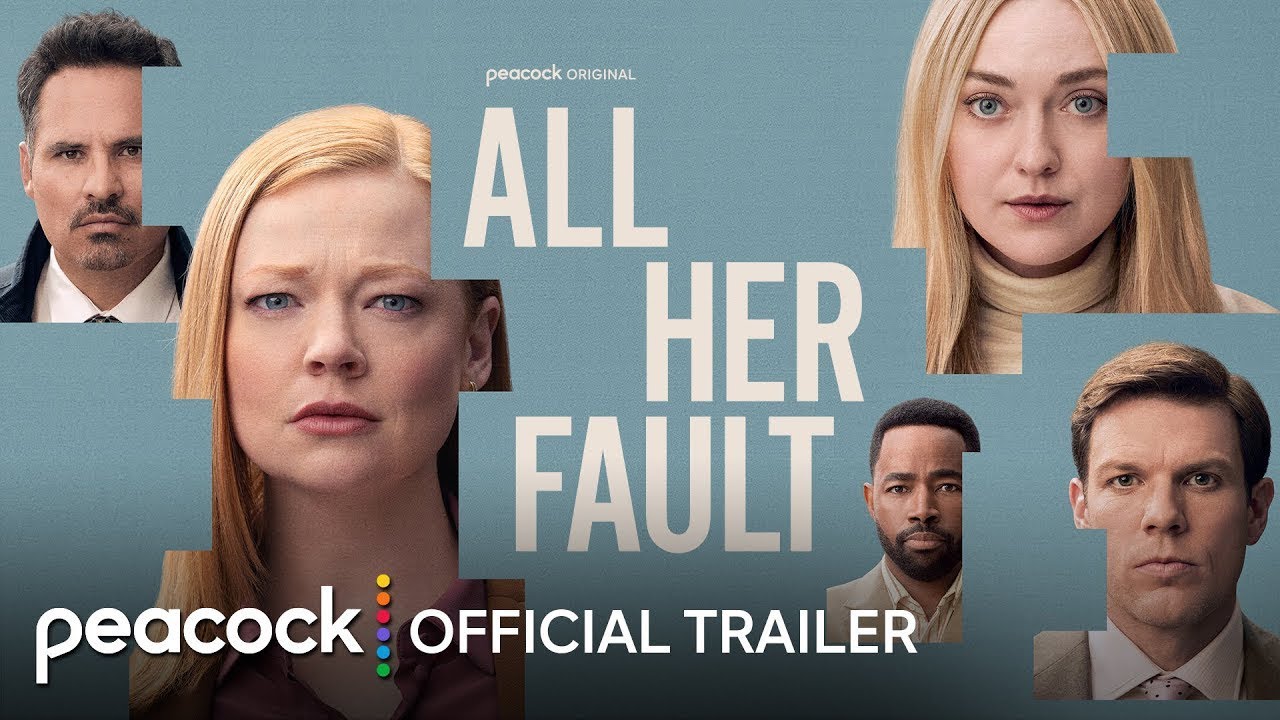
When All Her Fault premiered on Sky Atlantic back in November 2025, it arrived with the kind of quiet confidence that marks genuinely excellent television. Created by Megan Gallagher, this drama didn’t need flashy marketing or a sprawling multi-season commitment to make its mark—it accomplished something far more impressive with just eight episodes and an 8.2/10 rating that feels entirely earned. What makes this show remarkable isn’t just what it does, but how deliberately it does it, refusing to pad its narrative or overstay its welcome.
The genius of Gallagher’s approach lies in her understanding that sometimes the most powerful stories don’t need endless runway. The eight-episode structure became almost a character itself, forcing every scene to earn its place and every revelation to land with precision. This wasn’t a limitation but rather a creative choice that shaped how the mystery unfolded—each installment building with the kind of tension that kept audiences perpetually off-balance, genuinely uncertain about where the blame would ultimately fall.
What sets All Her Fault apart in the crowded crime-drama landscape is its refusal to play by familiar rules. Rather than presenting a clear victim and villain from the start, Gallagher constructed a narrative puzzle where perspective becomes destiny. The mystery doesn’t just ask “who did it?”—it asks whose fault it really is, and whether that question even has a clean answer. That moral ambiguity is where the show’s power lives.
The cast clearly understood the assignment, delivering performances that captured the nuanced desperation of characters caught in impossible circumstances. No one feels simply “good” or “bad”—everyone operates within their own logic, their own justifications, their own version of events. This complexity resonated deeply with audiences who’d grown somewhat fatigued by crime dramas that presented morality in stark black-and-white terms.
> The show’s cultural impact grew steadily as viewers began discovering it on Peacock Premium, sparking genuine conversations about culpability, loyalty, and whether good intentions can ever truly absolve us of consequences.
Key themes that drove the narrative forward:
- The distinction between legal guilt and moral responsibility
- How loyalty can blind us to uncomfortable truths
- The way trauma compounds and passes between characters
- The impossibility of remaining neutral in someone else’s crisis
- How stories change depending on who’s telling them
The fact that this show achieved an 8.2/10 rating speaks volumes about how it landed with both critics and audiences. That’s the sweet spot—respected enough to be taken seriously, beloved enough to inspire passionate rewatches. It’s the kind of rating that suggests a show found its audience, connected meaningfully, and delivered on its promises without overpromising. There’s no sense of a show that overstayed its welcome or ran out of ideas.
Something worth noting is how the unknown runtime of individual episodes actually served the storytelling beautifully. Rather than conforming to a standard 45-minute or hour-long format, each installment could breathe or compress as needed. A particularly charged conversation could develop fully without artificial padding, while moments of tension could hit hard without unnecessary exposition. This flexibility in structure mirrored the show’s flexibility in perspective—audiences never quite knew what they were getting, which meant genuine surprises remained possible.
The creative vision Gallagher brought to the screen clearly valued:
- Psychological depth over plot mechanics
- Character motivation over convenient plot twists
- Sustained tension over explosive action
- Moral complexity over easy resolution
- Audience intelligence over explanation
Where All Her Fault genuinely influenced the television landscape was in demonstrating that limited series with tight episode counts could achieve both critical success and audience investment. This aired during a period when some networks were experimenting with longer seasons and more seasons, making this show’s eight-episode commitment feel almost radical. Yet it proved that constraint breeds creativity, and that audiences don’t need more—they need better.
The show’s journey from its November 2025 debut to its current status as a completed series has given it a particular kind of appeal: the satisfaction of a complete story told exactly as intended, without compromise or extension. That’s increasingly rare. In an era of streaming renewals, cancellations, and cliffhangers, All Her Fault offered something almost nostalgic—a self-contained narrative with a proper ending.
Reflecting on what made this series matter, it comes down to execution and ambition. Gallagher had something specific to say about blame, culpability, and the stories we tell ourselves, and she said it with precision across eight episodes that never wasted a moment. The 8.2/10 rating isn’t just a number—it’s recognition that this show understood its own scope and delivered exactly what it promised, neither more nor less. For anyone who appreciates crime drama that trusts its audience and rewards close attention, All Her Fault remains absolutely essential viewing on Peacock Premium.