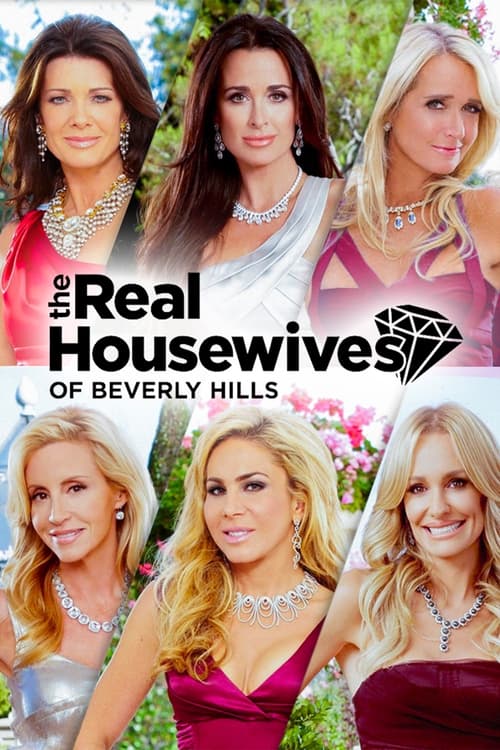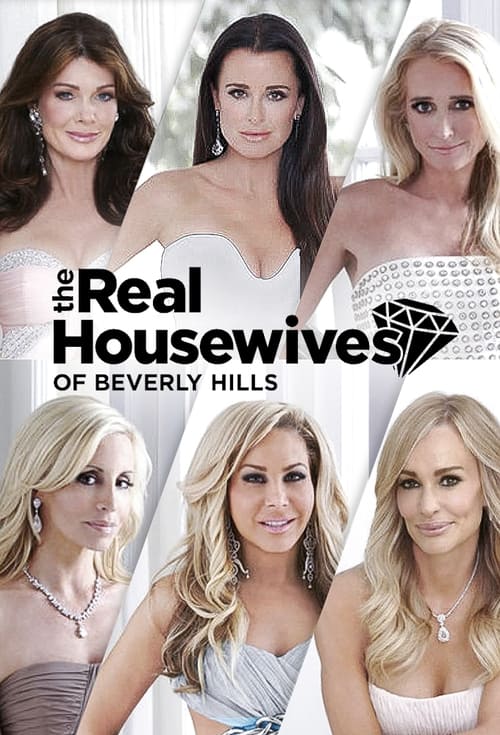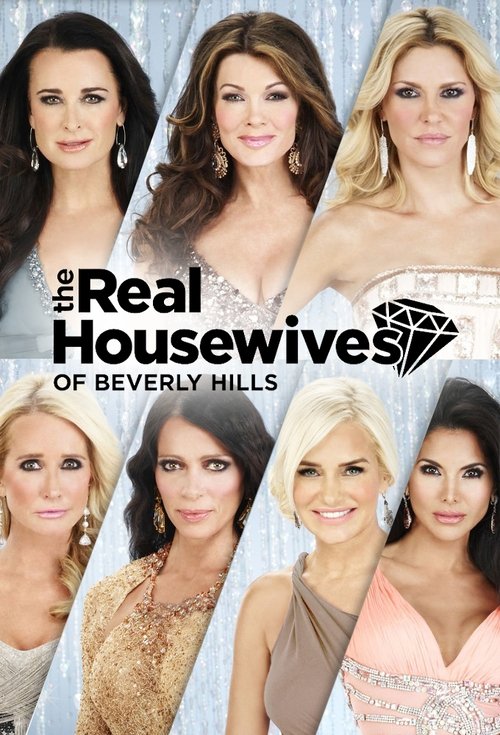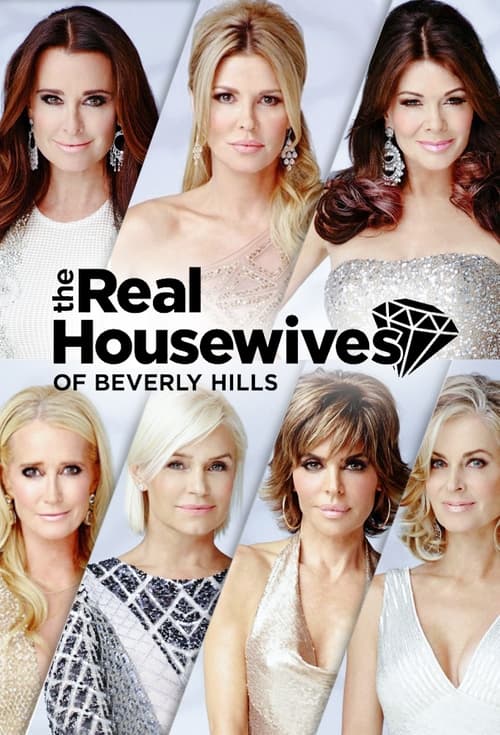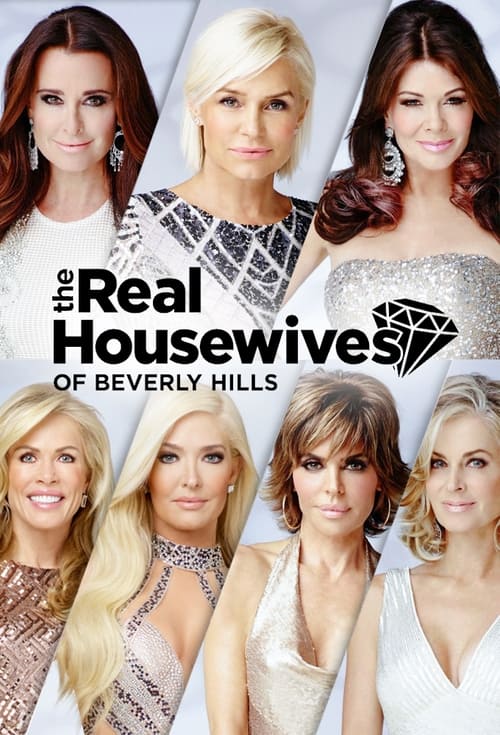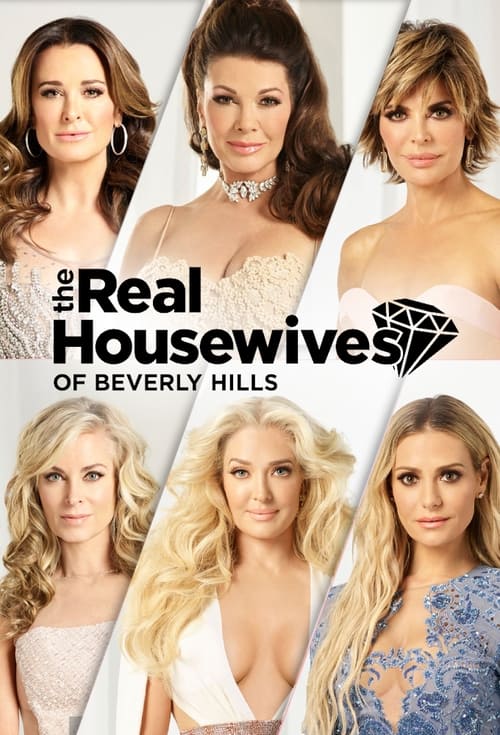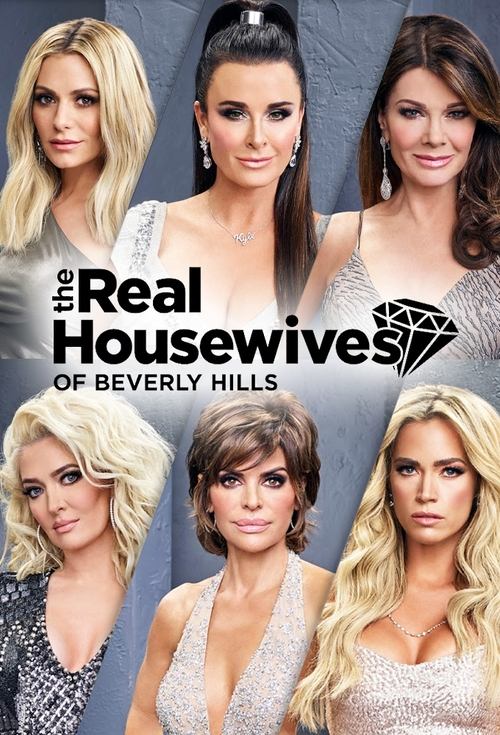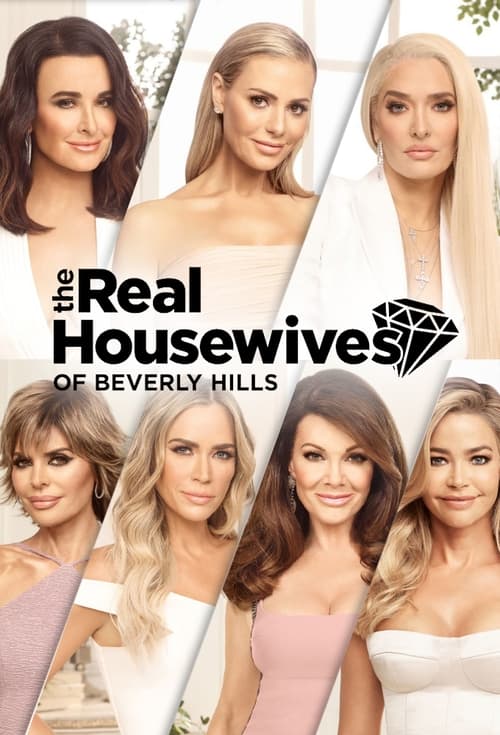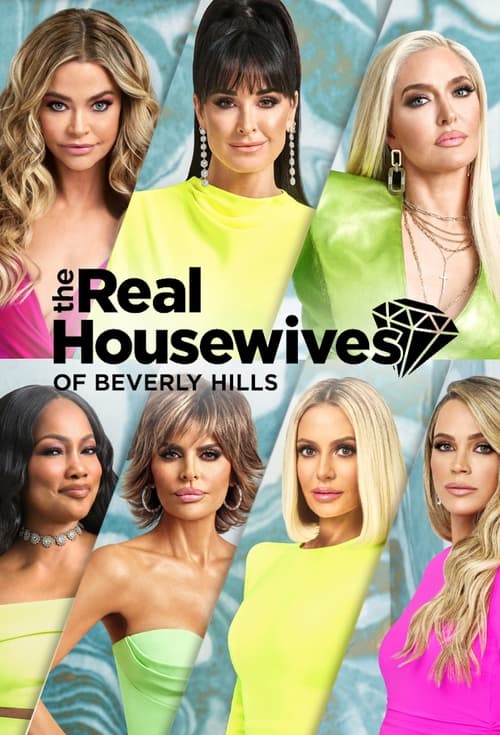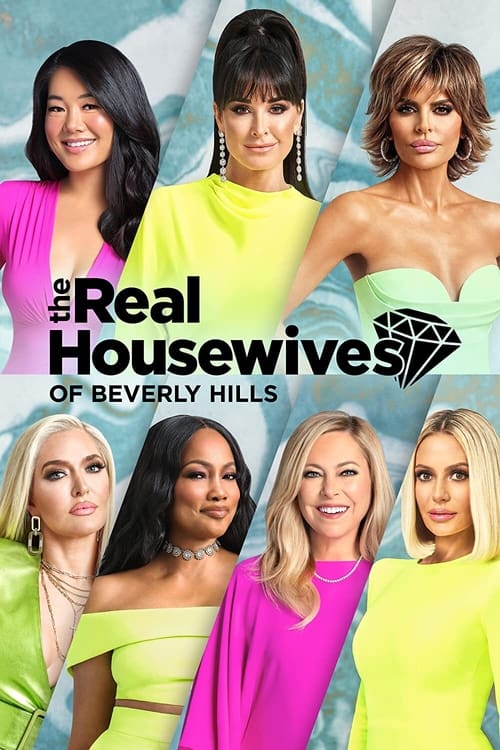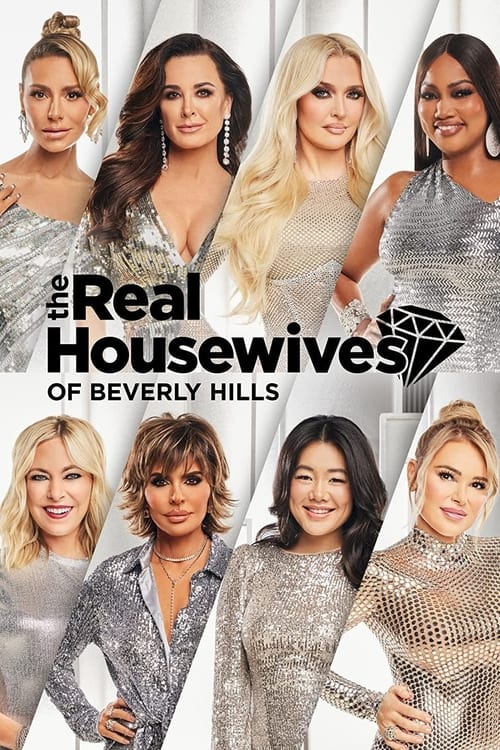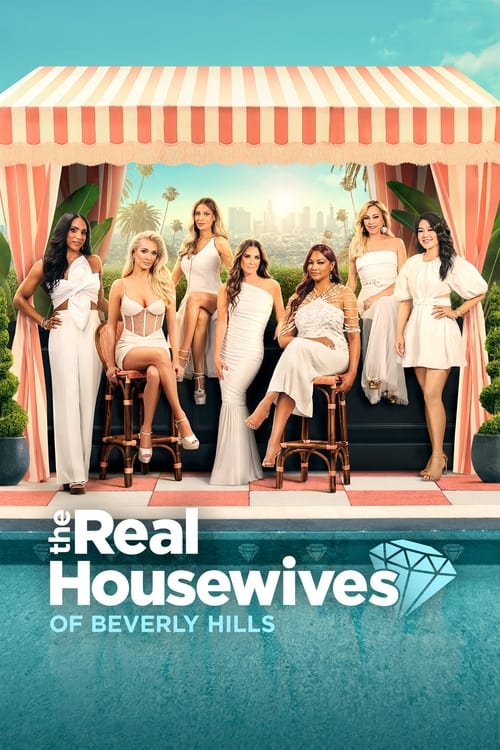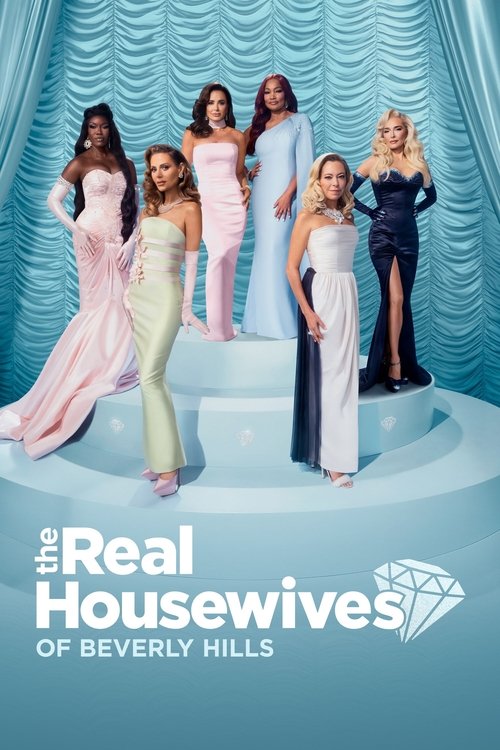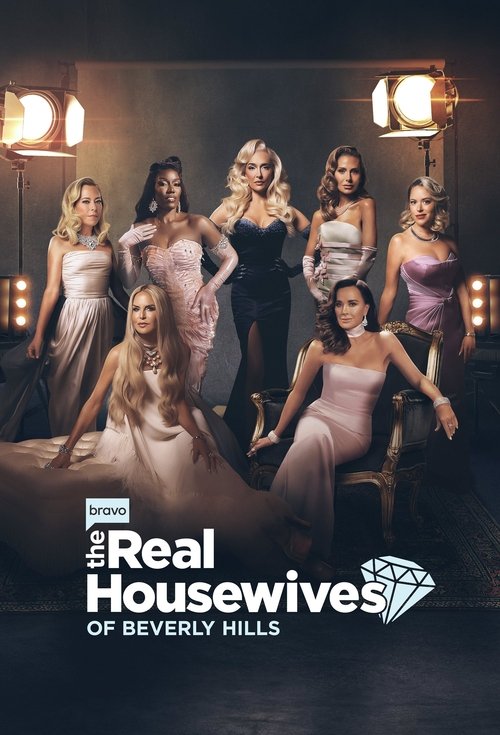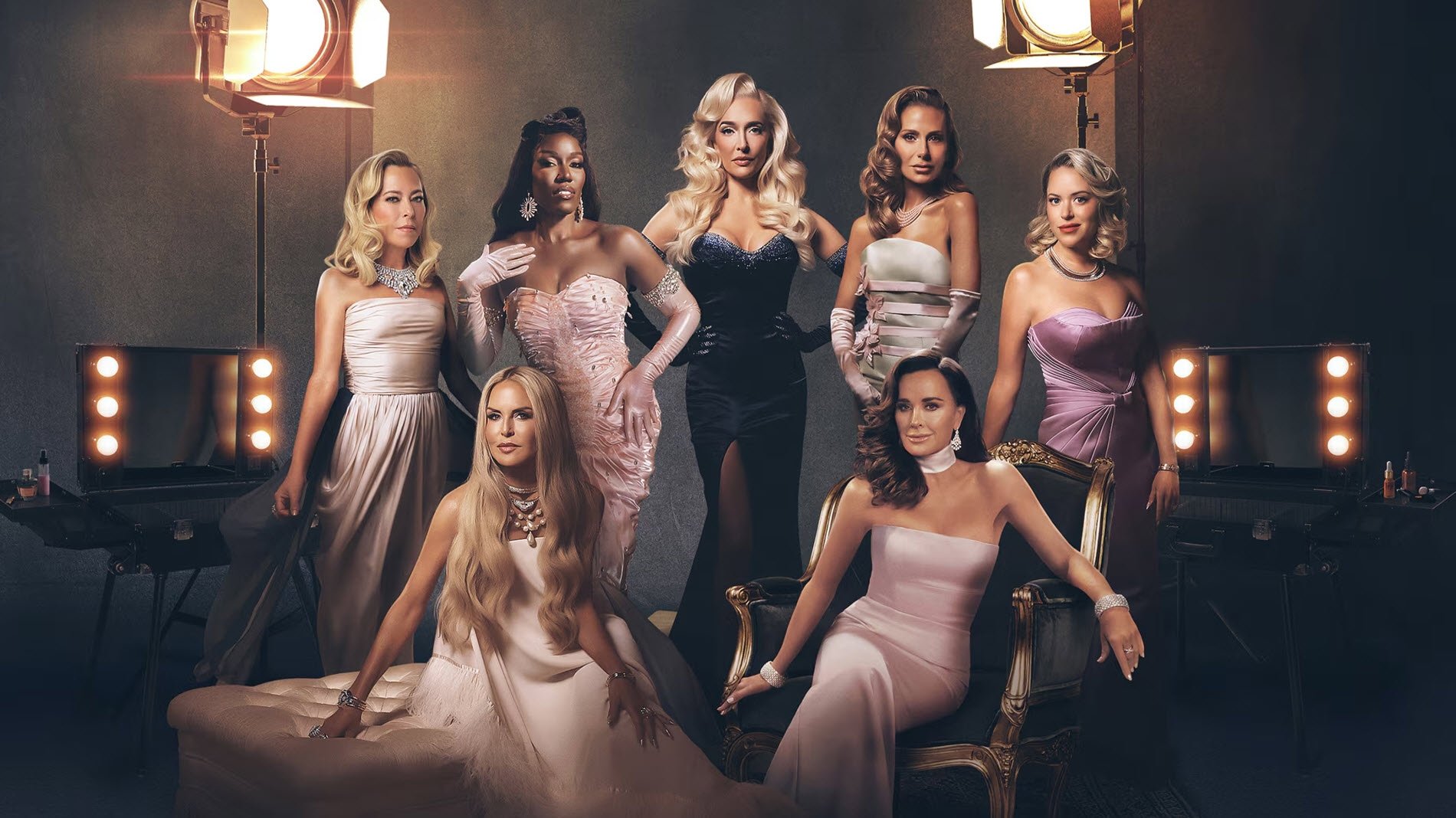
When The Real Housewives of Beverly Hills premiered on October 14, 2010, nobody quite predicted it would become the cultural juggernaut that defined reality television for an entire generation. What started as a relatively simple concept—follow the glamorous lives of affluent women in Los Angeles—evolved into something far more complex and compelling. Over 15 seasons and 328 episodes, the show has transcended its reality TV roots to become genuine television that explores wealth, power, friendship, and the performative nature of identity itself.
The genius of RHOBH lies in its refusal to be just another lifestyle porn experience. Sure, there are designer handbags and palatial mansions, but the show’s real appeal has always been the interpersonal dynamics. The creators understood something fundamental about ensemble casts: conflict breeds narrative. Rather than presenting a curated highlight reel, the show dove headfirst into the messiness of female friendships, showing us that wealth doesn’t insulate you from jealousy, betrayal, or heartbreak.
> The show became a mirror reflecting back uncomfortable truths about ambition, loyalty, and the cost of maintaining a public persona.
What makes the show’s 15-season run particularly impressive is its ability to sustain drama without becoming cartoonish—at least most of the time. The ensemble structure allowed for organic cast rotations that kept things fresh. Iconic housewives came and went, each bringing their own texture to the narrative fabric. Some seasons soared with genuine stakes; others stumbled when the show leaned too heavily on manufactured conflict. That inconsistency, reflected in its 6.3/10 rating, actually tells an interesting story about viewer expectations and the difficulty of maintaining quality across such an extended run.
The Cultural Impact Cannot Be Overstated
This show didn’t just entertain—it fundamentally changed how television treated women’s friendships and conflicts:
- It popularized the “Housewives” franchise format that now spans nearly every major city in North America and internationally
- It created genuinely iconic moments that entered pop culture lexicon (we’re all still talking about specific fights and betrayals from years ago)
- It demonstrated that audiences had an appetite for seeing wealthy women portrayed as fully realized, flawed human beings rather than aspirational objects
- It spawned countless memes, Twitter feuds, and cultural commentary that extended far beyond the show’s actual runtime
The show’s creators recognized early on that the runtime flexibility of reality television could serve storytelling. Without the constraints of a traditional 42-minute dramatic structure, RHOBH could let scenes breathe, let conversations spiral, let emotions unfold naturally. This approach to pacing became one of its signature strengths—a dinner scene could last an entire episode, building tension through accumulated micro-aggressions and personal history rather than plot mechanics.
Seasons That Defined the Show
Looking back across 15 seasons, certain periods stand out as particularly compelling television:
- Seasons 1-3 established the template and introduced the core cast dynamics that would resonate for years
- Seasons 4-6 represented the show’s creative peak, when the ensemble chemistry reached its apex
- Seasons 8-10 evolved the show’s themes, introducing new housewives who brought fresh conflict and perspective
- Recent seasons have grappled with questions of legacy and renewal, asking how the show stays relevant
What’s fascinating is how the show adapted to cultural shifts. As conversations around race, class, and privilege intensified in broader society, RHOBH couldn’t ignore these issues—and when it tried to, audiences called it out. The show became a site where these uncomfortable conversations happened in real time, sometimes awkwardly, sometimes productively, but always authentically.
The streaming availability across Peacock Premium, YouTube TV, Bravo TV, and multiple Peacock tiers reflects how essential the show has become to Bravo’s ecosystem. It’s not just a returning series—it’s the returning series that anchors the network’s reality television slate. New seasons still generate significant conversation, which speaks to the show’s enduring relevance despite mixed critical reception over the years.
The Real Achievement
Here’s what I think gets overlooked in discussions of RHOBH: it’s fundamentally a show about performance and authenticity in tension. Every housewife is acutely aware of the cameras, of her brand, of her storyline. Yet genuine moments still break through. Real tears fall. Real friendships fracture. That contradiction—between the constructed nature of the experience and the undeniable humanity that emerges—is what keeps people watching after 328 episodes.
The show proved that reality television could be both light entertainment and cultural commentary simultaneously. You could watch it for the luxury lifestyle fantasy, but you’d end up staying for the complicated exploration of power dynamics, aging, ambition, and what it means to maintain friendships under impossible circumstances.
Whether you view The Real Housewives of Beverly Hills as a guilty pleasure or essential television, there’s no denying its impact. It created a template that still dominates television, sparked countless conversations about representation and authenticity, and somehow, against the odds, made it work for 15 seasons. That’s genuine achievement in an industry where most shows flame out after three seasons. As the show returns with new seasons, it continues proving that there’s still more story to tell in Beverly Hills.