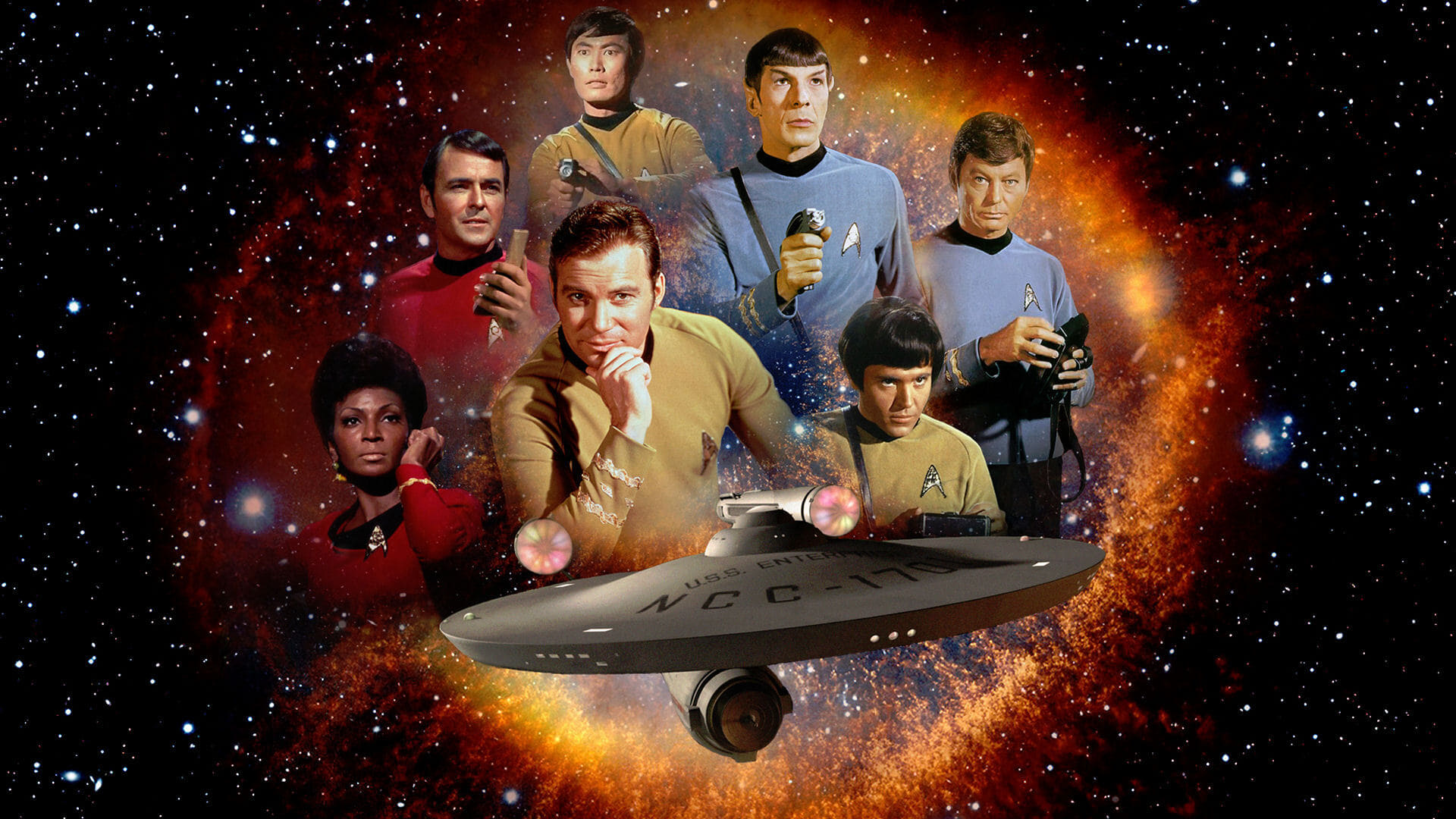
There’s something almost miraculous about how Star Trek continues to captivate audiences nearly six decades after it first aired on September 8, 1966. Gene Roddenberry’s vision wasn’t just about spaceships and aliens—it was fundamentally about using science fiction as a vehicle to explore the human condition and ask profound questions about society, morality, and our future. In just 79 episodes across three seasons, this show managed to create something so culturally resonant that it fundamentally altered the television landscape and spawned an entire multimedia empire that still thrives today.
What’s remarkable about Star Trek is that it premiered during a time when television was still finding its voice in dramatic storytelling. The 50-minute runtime might seem standard now, but back in 1966, it gave Roddenberry and his writers the space to develop complex narratives that went far beyond simple good-versus-evil plots. Within those 50 minutes, episodes could explore philosophical dilemmas, social commentary, and character development with a sophistication that television rarely attempted. The show trusted its audience to engage with challenging ideas wrapped in compelling drama and science fiction spectacle.
The series’ achievement in pushing boundaries cannot be overstated. While network television in the ’60s was relatively conservative, Star Trek consistently tackled issues like racism, war, politics, and ethics through its speculative lens. This wasn’t preachy or heavy-handed—it was clever storytelling that made viewers think while they were entertained. The show managed to say things about contemporary American society that might have faced censorship if addressed directly, by translating them into alien conflicts and futuristic dilemmas.
> “The human adventure is just beginning.” — This spirit permeated every episode, creating a sense of optimism about humanity’s potential that resonated deeply with audiences.
The cultural impact emerged quickly despite the show’s relatively short initial run. Certain episodes became instant classics that people still discuss passionately—episodes that introduced iconic concepts, showcased brilliant writing, and featured performances that transcended the sometimes-limited budgets and technical capabilities of ’60s television. The show spawned devoted fan communities that were genuinely ahead of their time, proving that science fiction television could inspire passionate, engaged viewership.
What made Star Trek particularly groundbreaking was its diverse ensemble cast and its willingness to feature characters of different races and backgrounds in positions of authority. Lieutenant Uhura, played by Nichelle Nichols, was a revelation—a Black woman in a prominent role on a television show when such representation was genuinely rare. This wasn’t tokenism; it was part of Roddenberry’s larger vision of a future where humanity had evolved beyond its current prejudices. That commitment to progressive values became foundational to the show’s identity.
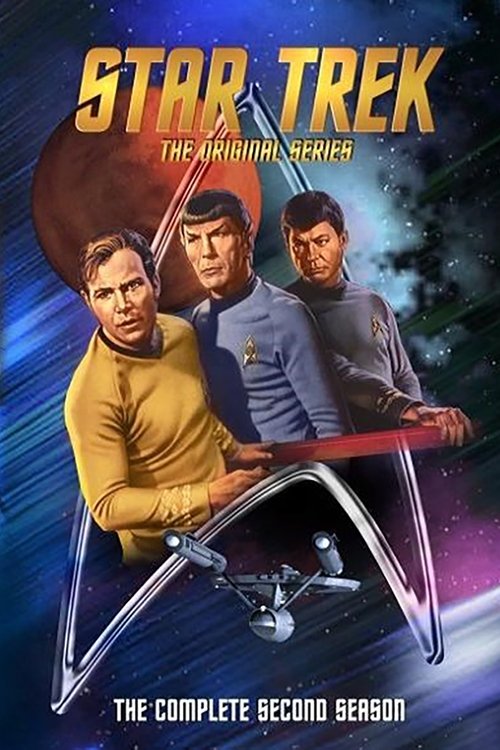
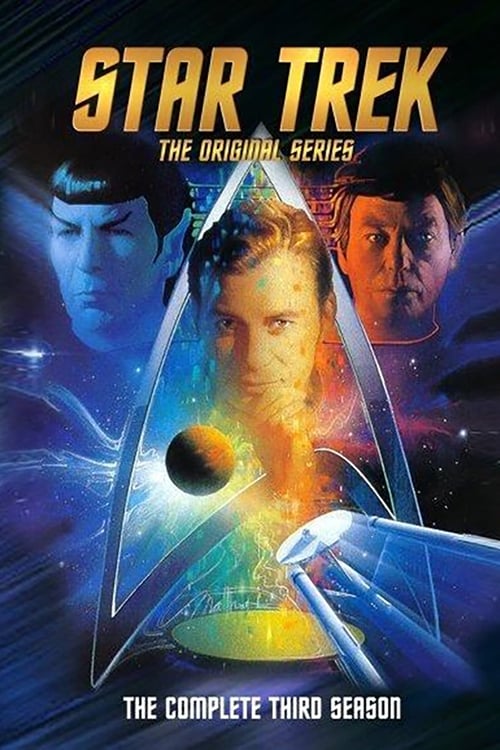
The characters themselves deserve special attention. Captain Kirk, Spock, and Dr. McCoy weren’t just archetypes—they represented different approaches to problem-solving and different facets of human nature. The dynamic between the logical Vulcan, the emotionally-driven doctor, and the intuitive captain created a storytelling engine that worked across 79 episodes without becoming formulaic. Even when the writing might falter or the special effects looked dated, these characters grounded the stories in something genuinely human.
The show’s current 8.0/10 rating reflects how well it has aged, especially considering the technological limitations of its era. Viewers today, streaming it on Paramount Plus and other platforms, can appreciate the fundamental quality of its storytelling without being distracted by the practical effects or sets that were innovative at the time but look primitive now. This speaks to how much Roddenberry and his creative team focused on what truly matters in television: compelling narratives and well-drawn characters.
Key themes that defined the series:
- Exploration of what it means to be human through interactions with alien civilizations
- Examination of military ethics and command decisions under pressure
- Investigation of individual rights versus collective good
- Contemplation of technological advancement and its moral implications
- Questions about the nature of consciousness and identity
The show’s influence on science fiction television cannot be quantified in conventional ratings or viewership numbers. It established tropes that became standard in the genre, proved that audiences wanted intelligent science fiction, and demonstrated that television could tackle ambitious narratives with thematic depth. Everything that came after—from The Twilight Zone‘s more philosophical cousin shows to contemporary prestige sci-fi dramas—owes something to the template Star Trek established.
Even as the original series ended after three seasons, it became clear that this wasn’t the end of the story. The passionate fanbase, the syndication reruns, and the enduring quality of the best episodes ensured that Star Trek would live on. What started as a cancelled television show with a modest run became the foundation for films, spin-off series, novels, comic books, and an ever-expanding universe of storytelling.
Revisiting Star Trek today reveals why it continues to matter. Yes, some episodes are better than others—that’s inevitable in any 79-episode run—but even the weaker ones contain sparks of the show’s fundamental appeal. It’s optimistic without being naive, entertaining without being simplistic, and ambitious in its willingness to use science fiction to comment on real human concerns. That combination, paired with Gene Roddenberry’s clear vision and the dedication of the cast and crew, created something genuinely special. For anyone interested in television history, science fiction, or simply great storytelling, Star Trek remains essential viewing.