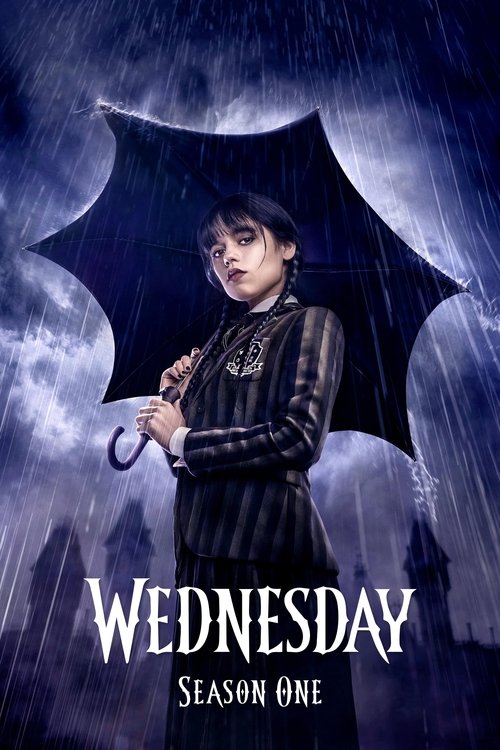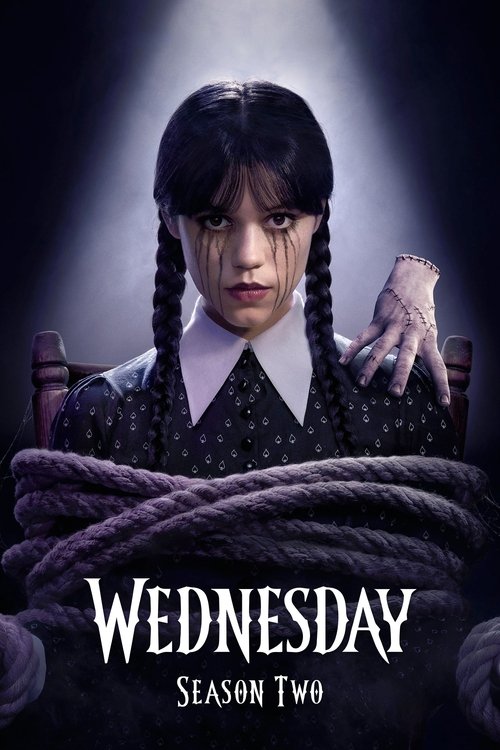
When Wednesday debuted on Netflix in November 2022, it arrived with the kind of cultural momentum that felt almost inevitable. Here was a show that took one of pop culture’s most recognizable characters—the deadpan daughter from The Addams Family—and positioned her not as a side character, but as the absolute center of a genuinely compelling mystery thriller. What creators Miles Millar and Alfred Gough understood was that audiences were hungry for something that could balance dark comedy with genuine suspense, and they delivered exactly that.
The show’s success isn’t just about nostalgia, though the Addams Family connection certainly helped draw viewers in. What made Wednesday resonate so deeply was its willingness to take its premise seriously. This isn’t a campy romp through a supernatural school—it’s a tightly plotted mystery series that happens to be funny, with visual goth aesthetics that became instantly iconic. The 8.4/10 rating across 16 episodes across two seasons tells you everything: audiences kept coming back because the storytelling held up.
What makes this show stand out in the current television landscape:
- The tonal balance: It manages to be genuinely unsettling and genuinely funny without undercutting either tone. Wednesday’s deadpan delivery lands comedy beats while the actual mystery maintains real stakes.
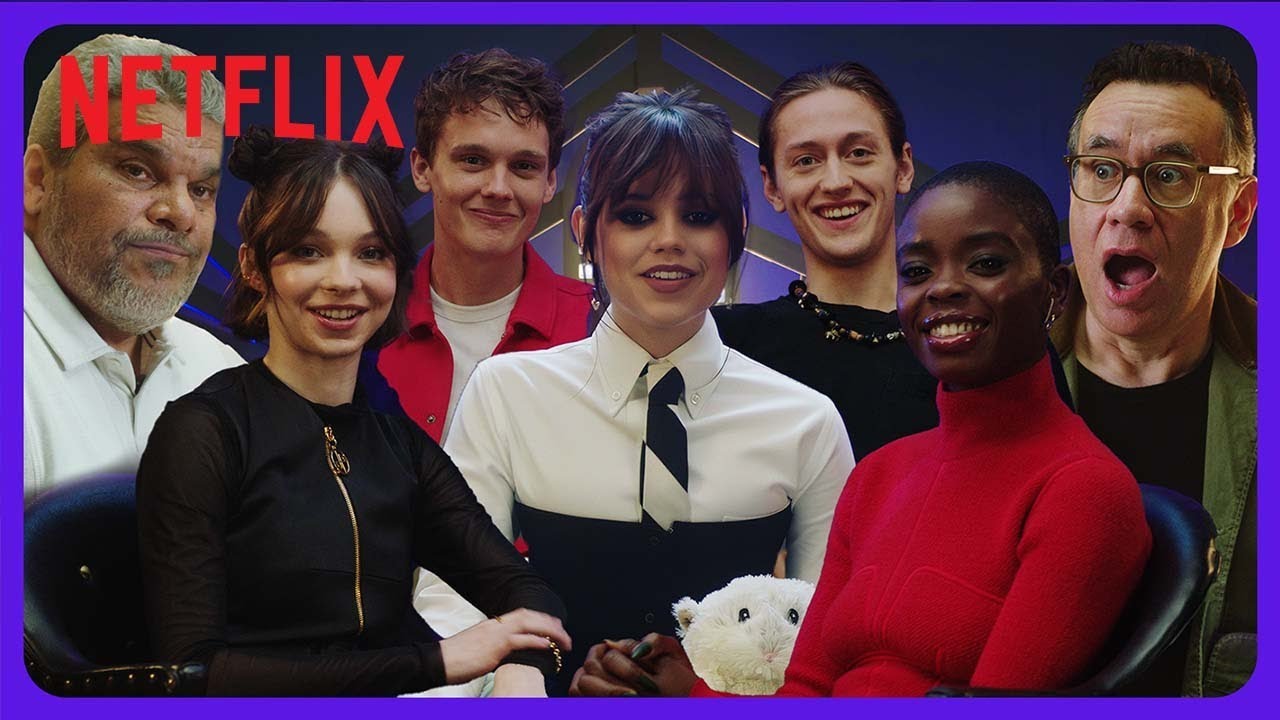
- Character depth: Rather than relying solely on the Addams name recognition, the show built a rich cast with their own compelling arcs and backstories.
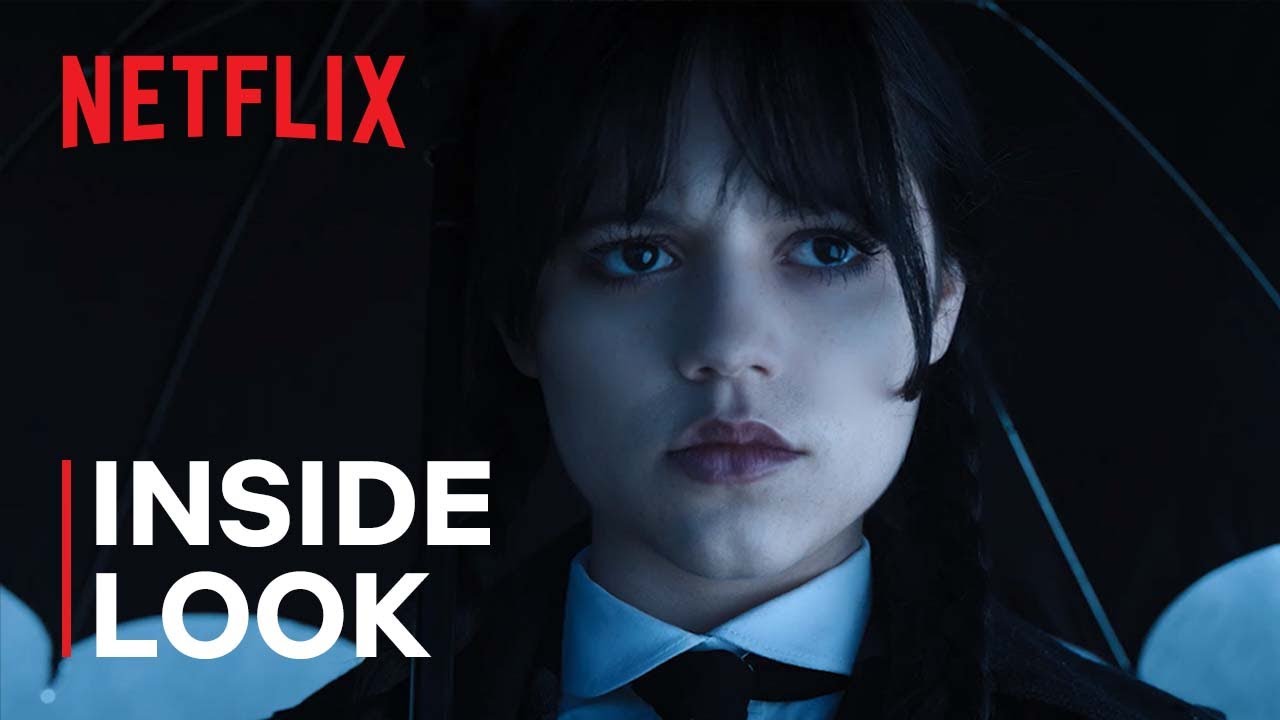
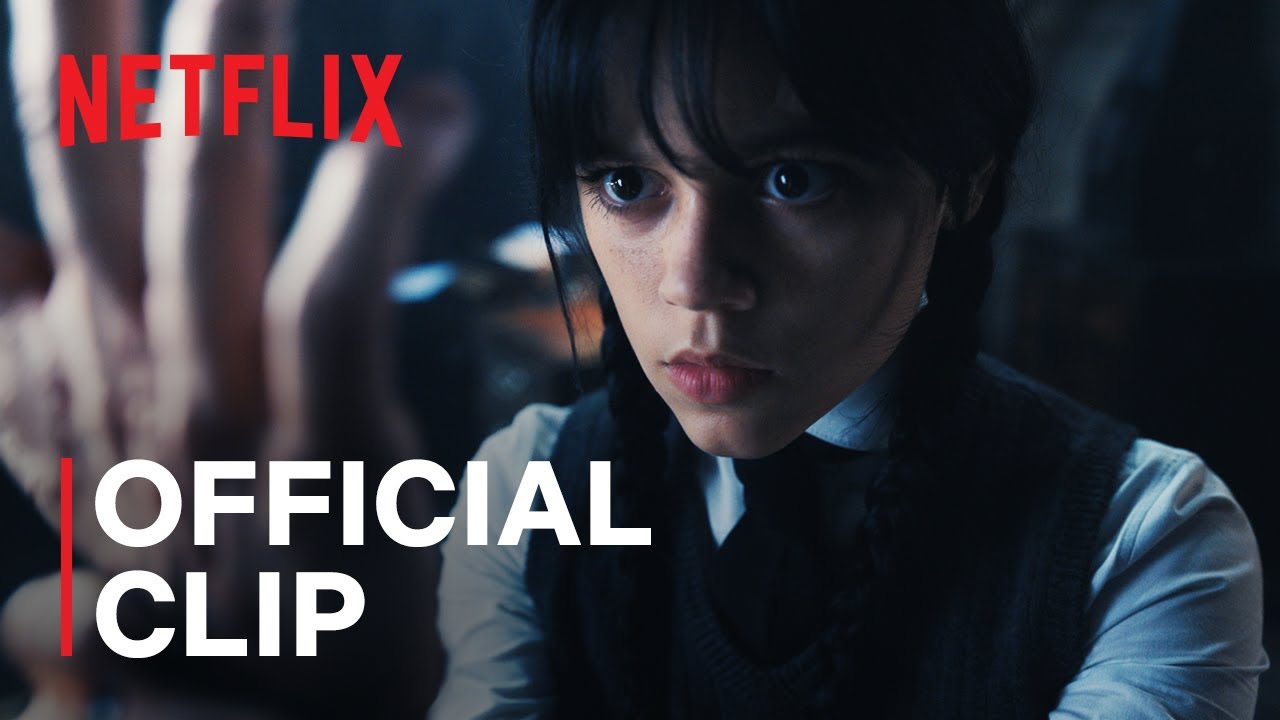
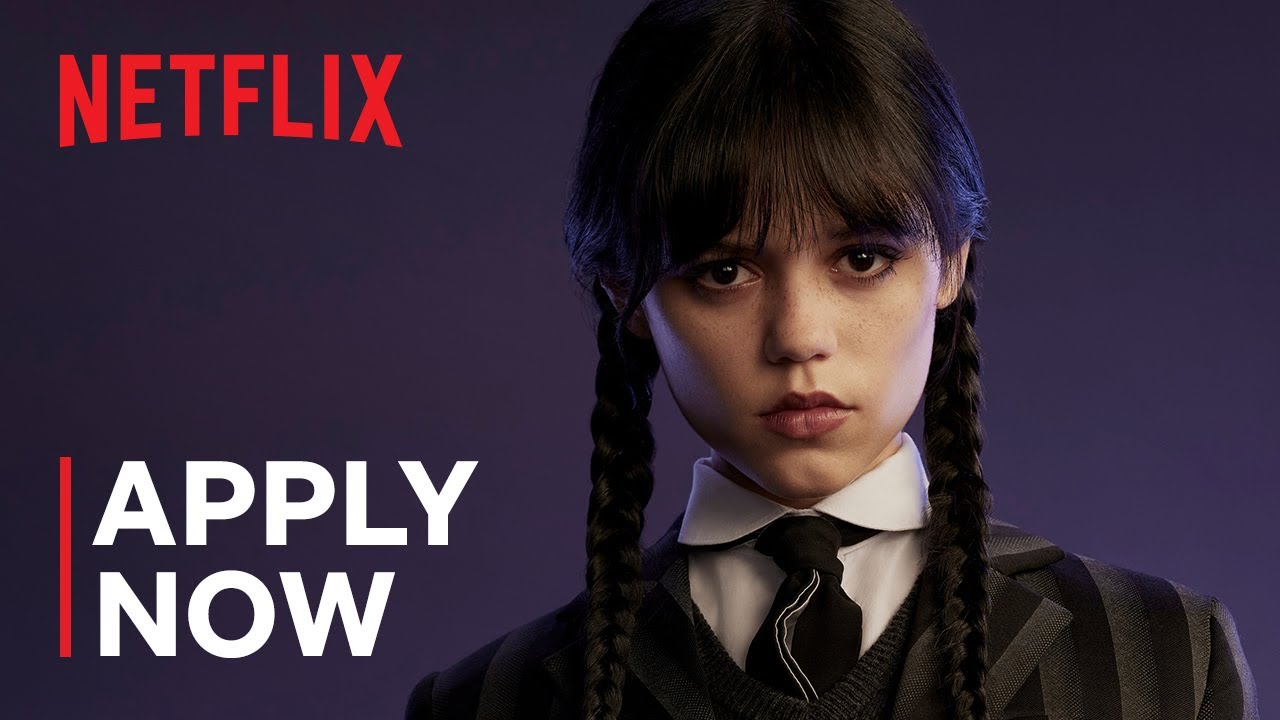
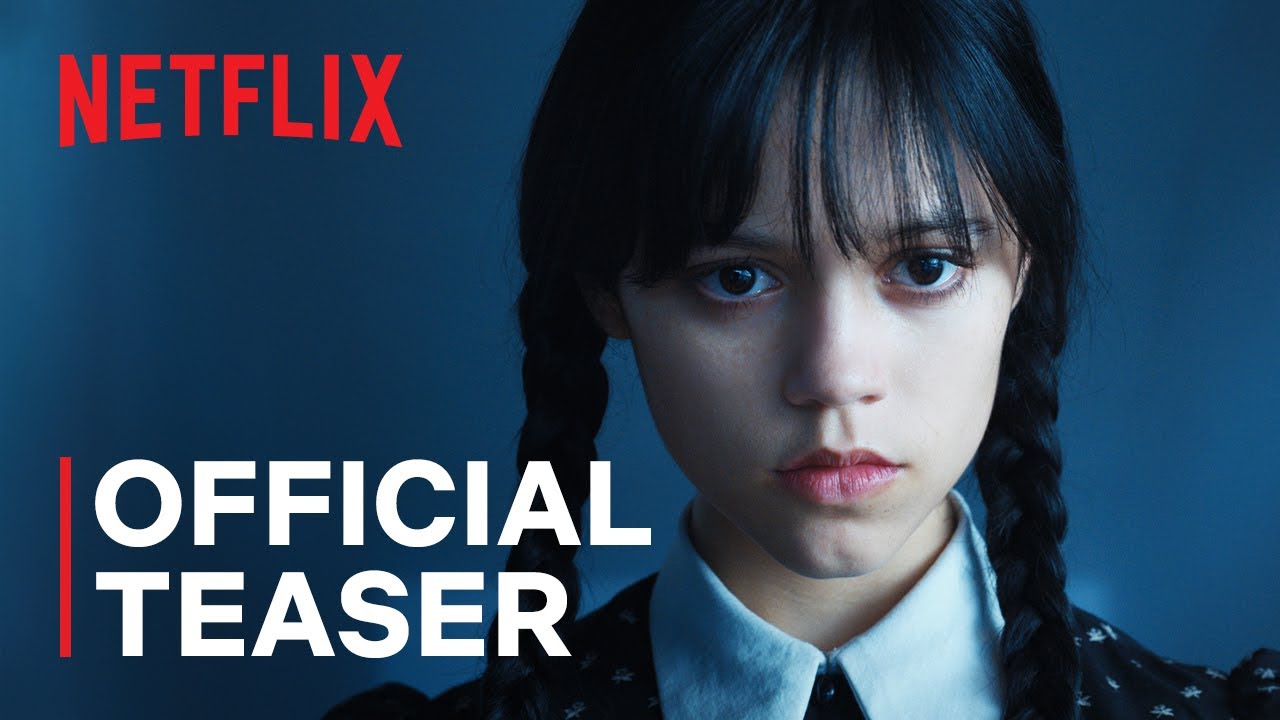
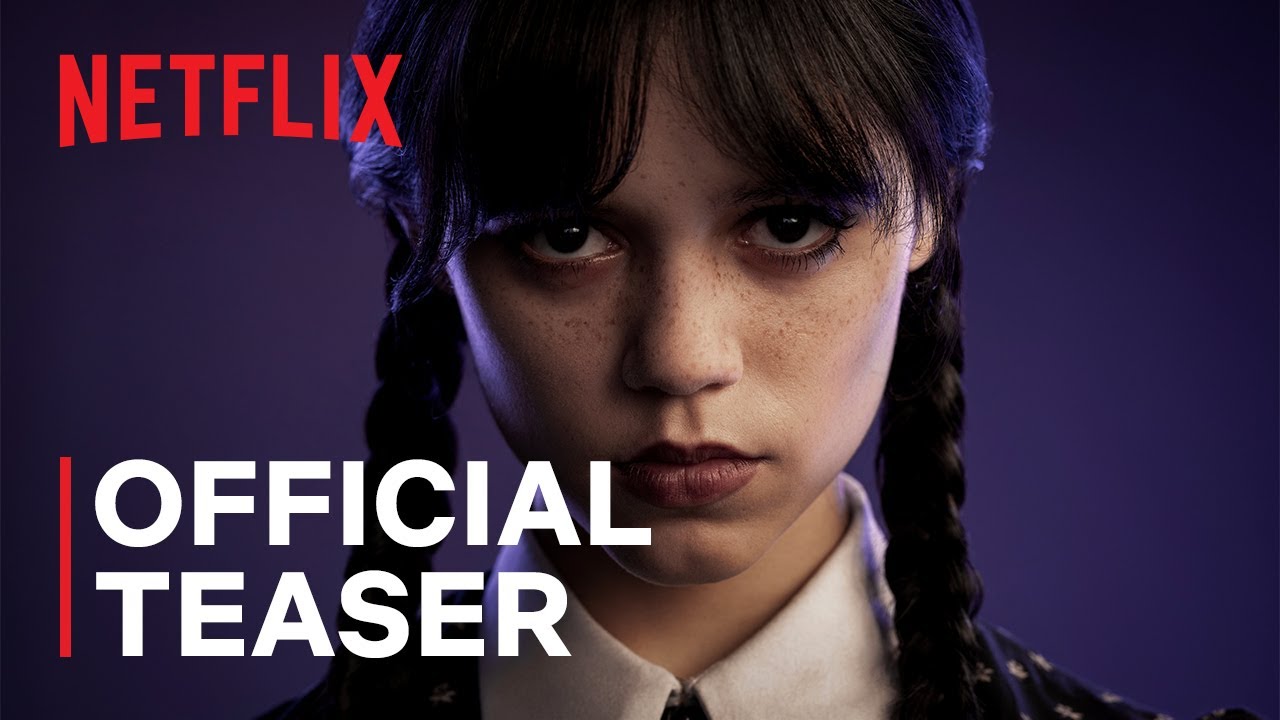
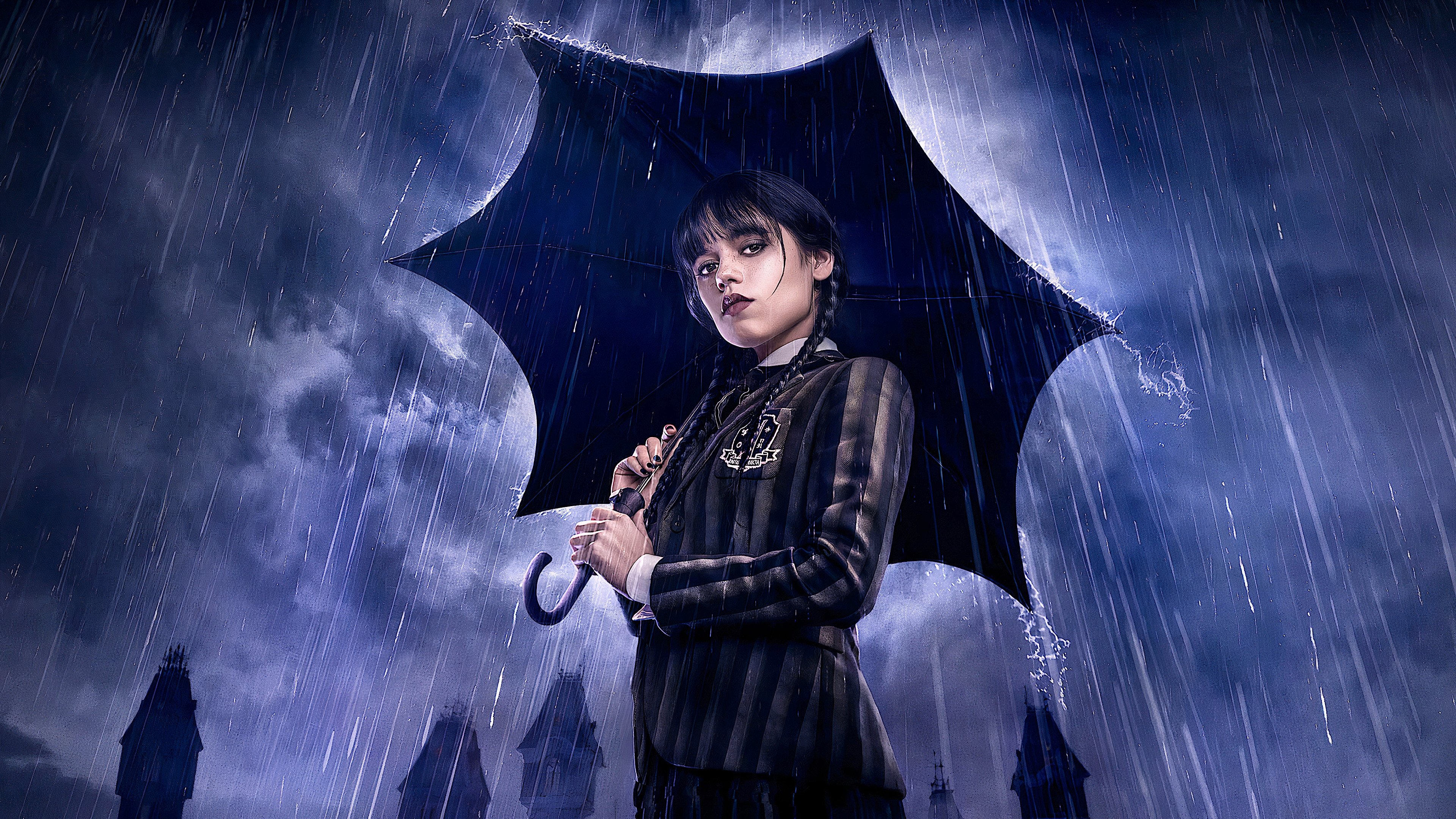
- Visual storytelling: The cinematography and production design became as much a character as the actors themselves—all those perfectly framed shots of Wednesday’s expressions, the gothic color palette, the deliberate pacing.
- Mystery architecture: The central whodunit actually holds together, which is harder than it sounds in streaming television.
Since its premiere, Wednesday became one of those rare shows that spawned genuine cultural moments. The Wednesday dance scene from the first season didn’t just become a TikTok phenomenon—it became the pop culture moment of that fall. That’s the kind of thing that happens when a show connects so perfectly with its moment. But the real achievement is that the show didn’t rest on that viral moment; it continued to deliver compelling storytelling that justified the attention.
> The show proved that you could make a prestige drama with horror elements that also appealed to mainstream audiences—and that you didn’t have to sacrifice intelligence or craft to do it.
The creative vision of Millar and Gough deserves real credit here. They understood that Wednesday Addams was inherently interesting not because she was dark or morbid, but because she was intelligent in a way that made her skeptical of the world around her. That skepticism became the engine of the entire series. She arrives at Nevermore Academy as an outsider, and rather than learning to fit in, she uses her outsider perspective to uncover genuinely disturbing truths. That’s a more sophisticated character arc than most shows attempt.
The unknown runtime becomes a fascinating detail when you think about how the show actually unfolds. Rather than stretching episodes to hit arbitrary time targets, Wednesday structures itself around story needs. Some episodes move quickly; others linger on character moments. That flexibility in pacing created a viewing experience that felt less like traditional television and more like binge-reading a really well-written novel. You don’t check your watch; you just follow Wednesday deeper into the mystery.
Why the Sci-Fi & Fantasy, Mystery, Comedy hybrid worked:
- Mystery as the spine: The whodunit element kept viewers actively engaged, theorizing and trying to solve the case alongside Wednesday.
- Comedy as character development: Every joke reveals something about how Wednesday sees the world and her relationships with other characters.
- Fantasy as thematic exploration: The supernatural elements allow the show to explore genuine psychological and social horror beneath the surface.
The show’s journey to Returning Series status speaks volumes about its staying power. In an era where Netflix shows get cancelled before they find their footing, Wednesday built enough goodwill and cultural momentum to secure a second season. That 16-episode run across two seasons might seem lean compared to traditional television, but it’s actually the ideal length for this type of story. The show hasn’t overstayed its welcome; it’s ended seasons with real momentum and unanswered questions that make you genuinely curious where it goes next.
What’s perhaps most impressive is how Wednesday influenced the larger television landscape. It proved there was an appetite for gothic, atmospheric storytelling that didn’t lean into camp. It showed that a show centered on a female character could be dark and serious while still having fun with its premise. It demonstrated that prestige storytelling and mainstream appeal aren’t mutually exclusive—they just require craft, commitment to character, and a willingness to trust your audience.
Looking back at what’s happened since that November 2022 premiere, Wednesday feels like a turning point moment. It’s the kind of show that arrives at exactly the right moment with exactly what audiences didn’t know they needed. And in a streaming landscape often criticized for inconsistency, Wednesday stands as proof that investment in quality storytelling, distinctive visual style, and character-driven narratives absolutely still matters.