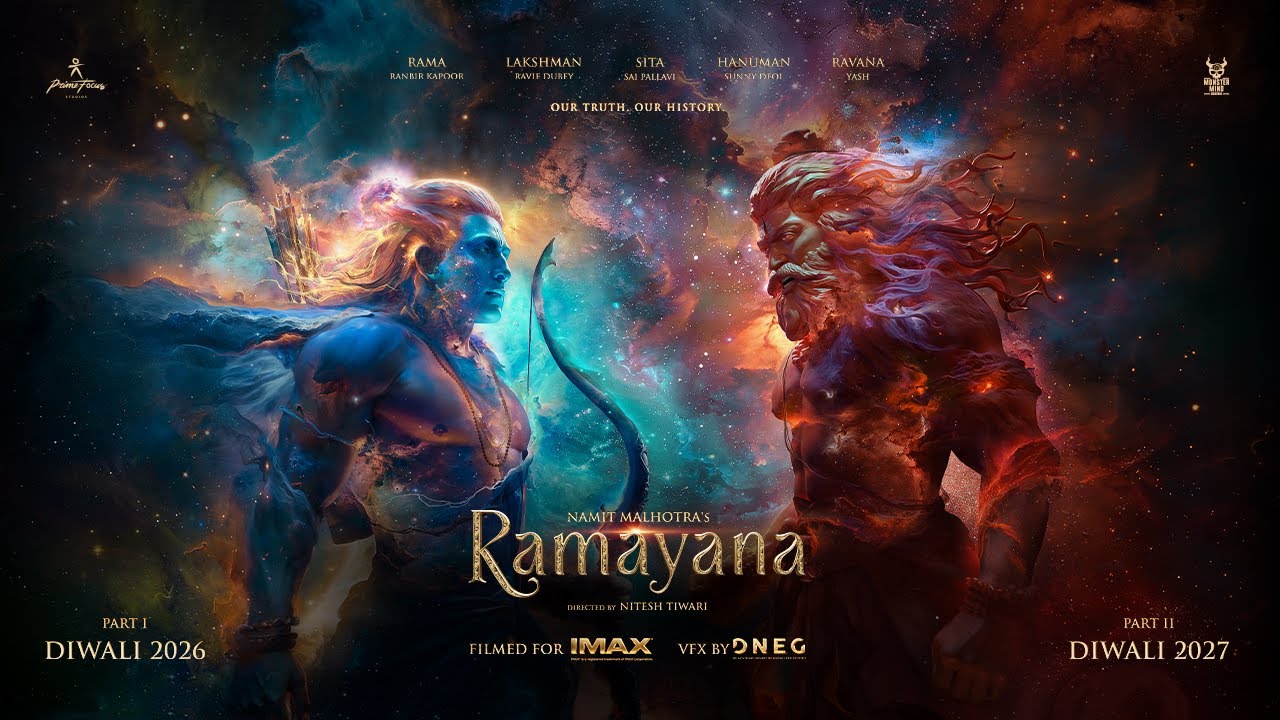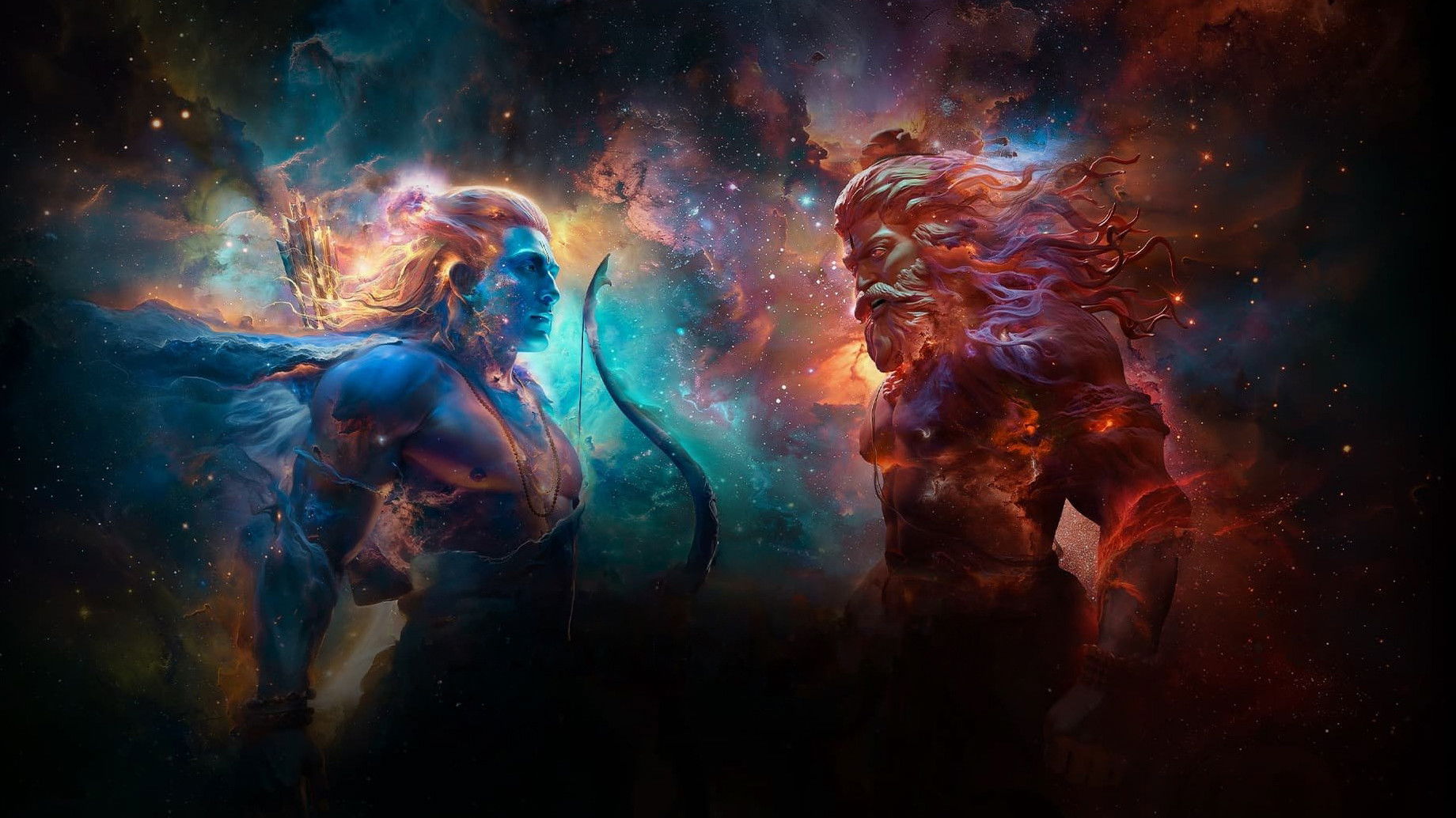
There’s something unmistakably monumental about what’s currently being assembled at the intersection of Indian cinema and global filmmaking ambition. Nitesh Tiwari’s Ramayana is set to release on November 6, 2026, and it’s already one of the most talked-about projects in development—not because of hype machinery, but because of what it represents: a director known for intimate storytelling (Dangal, Chhichhore) taking on arguably the most significant spiritual and literary text in human civilization. With a production budget of $230 million, this isn’t just another adaptation. This is a statement.
What makes this project so genuinely fascinating is the creative team assembled around it. You’ve got Ranbir Kapoor, an actor who’s spent the last decade proving his range through unconventional choices, stepping into the legendary role at the heart of this epic. Alongside him, Sai Pallavi brings her own distinct presence—someone who’s shown she can carry both intimate dramas and larger-than-life narratives. Then there’s Ravi Dubey, an actor who’s been carving out increasingly interesting roles. This isn’t a cast assembled for marquee value alone; it feels like thoughtful casting built around Tiwari’s vision.
“Our truth. Our history.” — The film’s tagline captures something essential about why this project matters at this particular moment in cinema.
Let’s talk about what we know regarding the production side of things. The technical infrastructure behind this film is staggering. You’ve got DNEG (the visual effects powerhouse behind Dune, Godzilla vs. Kong) alongside Monster Mind Creations, Prime Focus Studios, and Sanskriti Films. This is an all-hands-on-deck situation where India’s film industry is partnering with world-class technical facilities to create something that’s genuinely unprecedented in scale.
The anticipated release is still over a year away, and yet there’s palpable anticipation because of what this signals:
- A reimagining, not a rehash — Tiwari has never been a filmmaker to play it safe. His approach to source material involves finding the human story beneath the epic framework
- Global technical ambition meeting Indian narrative tradition — This could represent a genuine evolution in how Indian stories get told cinematically at maximum scale
- Representation of Hindu philosophy to a worldwide audience — Unlike previous adaptations, this is backed by resources that allow for genuine cinematic translation rather than compromise
- A test of whether Indian cinema can operate at Hollywood budgets without losing its soul
Nitesh Tiwari’s track record is instructive here. Dangal wasn’t just a sports film—it was about a father’s obsession, a daughter’s rebellion, and the collision between tradition and progress. Chhichhore could have been a standard coming-of-age ensemble story, but Tiwari found the melancholy undercurrent, the way nostalgia masks genuine loss. What he brings to Ramayana isn’t reverence exactly—it’s something more interesting. It’s the idea that these ancient stories survive because they speak to something perpetually human.
Ranbir Kapoor specifically feels like the right anchor for this. He’s been through phases as an actor—the charming romantic, the method actor, the experimental artist. By 2026, when this will be released, he’ll have spent years preparing mentally and physically for a role like this. He’s an actor who commits entirely to transformation, which is essential when you’re stepping into a character that carries such cultural and spiritual weight. The role doesn’t require him to be godly—it requires him to be human in a way that the godliness becomes clear through his choices and conflicts.
The visual and technical expectations are enormous. With a $230 million budget, audiences will rightfully expect something that hasn’t been seen before. Not just in terms of spectacle, though that will certainly be there, but in how the film synthesizes different visual languages—the mythological, the historical, the psychological, the spiritual. DNEG’s involvement suggests this won’t be Avatar cosplay; it’ll be something distinctly crafted.
What conversations will this spark? That’s the real question hanging over this project:
- How do you film faith? — Ramayana isn’t just mythology; it’s a living spiritual practice for over a billion people. The film will inevitably be interpreted as a statement about how that faith gets represented
- Can Indian cinema achieve scale without Westernization? — This budget could signal either a new era or a cautionary tale about what happens when you chase Hollywood economics
- Who owns these stories? — Tiwari’s version will be one version among countless others. How the film positions itself within that tradition matters
- The future of epic filmmaking — Are we entering an era where the biggest, most ambitious films come from non-Western storytellers?
It’s worth noting that as of now, the film carries a 0.0/10 rating with zero votes, which makes sense—it hasn’t been released yet, won’t be until November 6, 2026. There’s no footage to judge, no critical consensus to reference. That blank slate is actually important. It means audiences will approach this without preconceived notions from social media discourse or early reviews.
What we’re really waiting for is whether Nitesh Tiwari can do what so few filmmakers ever accomplish: take a story that’s been told a thousand ways and find something new to say while respecting everything that came before. The resources are there. The talent is assembled. The moment culturally feels right for a project of this ambition and intention. In November 2026, we’ll finally see whether this becomes the landmark film it’s positioned to be, or if it becomes a fascinating failure—and honestly, either outcome will be cinematically significant.