When you hear that Christophe Barratier—the Oscar-nominated director behind The Chorus—is making a World War II film centered on children fighting the Nazis, you immediately sense there’s something special brewing. The Children of the Resistance is set to release on February 11, 2026, and it’s already generating significant buzz across the international film circuit, particularly after StudioCanal’s major sales push at the AFM in November 2025. This isn’t just another period piece; it’s a deliberate artistic statement about courage, resistance, and the kind of story cinema should be telling right now.
What makes this project so anticipated is the combination of creative talent involved and the thematic resonance it carries. Barratier has a proven track record of making emotionally intelligent films that don’t talk down to audiences—whether they’re children or adults. He understands that stories about ordinary people doing extraordinary things under extraordinary circumstances have a timeless quality. The Children of the Resistance follows three young protagonists—François, Eusèbe, and Lisa—who find themselves caught in the machinery of Nazi occupation and decide to fight back, armed with nothing but audacity and friendship. It’s a premise that immediately connects to something universal: the courage it takes to stand against injustice, especially when you’re powerless by conventional measures.
“Audacity and friendship are their only weapons to fight against injustice.”
This tagline captures something essential about the film’s philosophy. In an era where we’re often told that individual action doesn’t matter, here’s a story that argues the opposite—that moral clarity and solidarity can be just as powerful as any military arsenal.
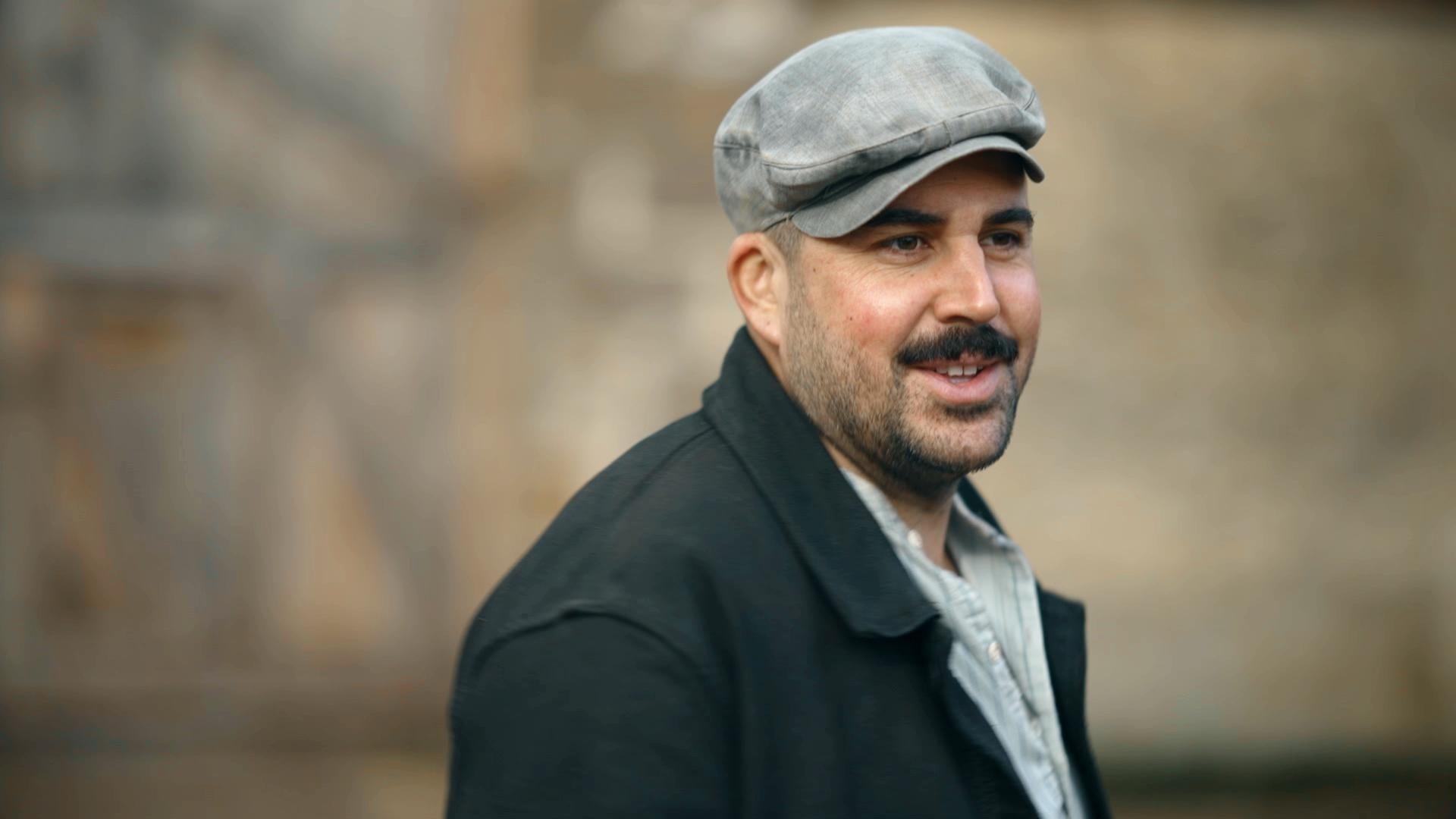
The casting itself deserves attention. Artus, Gérard Jugnot, and Pierre Deladonchamps represent different generations and different approaches to their craft. Jugnot, a seasoned French cinema legend, brings gravitas and authenticity to any period piece he touches. Deladonchamps has proven himself capable of nuanced emotional work in both intimate dramas and larger ensemble pieces. And Artus represents a different energy—there’s a vitality there that could bring real authenticity to the younger characters’ perspective. This isn’t a star-studded vehicle where recognizable faces overshadow the story; it’s a carefully balanced ensemble designed to serve the narrative.
Why This Matters in 2026’s Film Landscape:
The French film industry is experiencing an interesting moment. After a challenging 2025, there’s palpable optimism about 2026’s slate, and The Children of the Resistance is positioned as one of the year’s significant cultural statements. Here’s what makes it particularly relevant:
-
Historical resonance without didacticism: Barratier has a gift for making historical narratives feel alive and immediate rather than academic. He doesn’t lecture; he immerses you in the moral dilemmas his characters face.
-
Family adventure framing: By approaching WWII through the lens of a family adventure story, the film potentially reaches audiences beyond the typical prestige historical drama demographic. This is accessibility without compromise—it’s a legitimate artistic choice.
-
International appeal: StudioCanal’s aggressive sales strategy at AFM signals confidence in the film’s crossover potential. French-language cinema has proven it can compete globally when given proper distribution and positioning.
-
Thematic urgency: Stories about resisting authoritarianism, about speaking truth to power even when it’s dangerous, about young people taking moral action—these aren’t abstract concerns in 2026. They feel immediate.
What’s particularly intriguing about Barratier’s approach is that he’s not making a film about World War II’s historical details—he’s making a film about how ordinary people navigate extraordinary moral choices. The occupation of France is the canvas, but the real subject is character, choice, and consequence. That’s why this project will likely have staying power beyond its initial theatrical run.
The production design and period authenticity will matter here too, though we’re still waiting to see the finished film. With backing from Adel Productions, StudioCanal, and TF1 Films Production, there’s clearly been significant investment in getting the details right. A 99-minute runtime suggests Barratier isn’t interested in sprawling historical epics; this is lean, focused storytelling designed to move quickly and emotionally engage viewers.
Currently, the film shows a 0.0/10 rating, which simply reflects that it hasn’t yet reached audiences. Once it releases in February 2026, the real conversation will begin—and it’s a conversation worth having. This is exactly the kind of cinema that matters: artistically ambitious, thematically urgent, and designed to spark dialogue about resistance, courage, and what we owe to justice.
The anticipation building toward February 11th isn’t hype; it’s recognition that Barratier and his team are attempting something meaningful. In a marketplace often dominated by franchises and spectacle, a thoughtfully crafted French historical drama about children fighting injustice feels both countercultural and essential. That’s worth paying attention to.