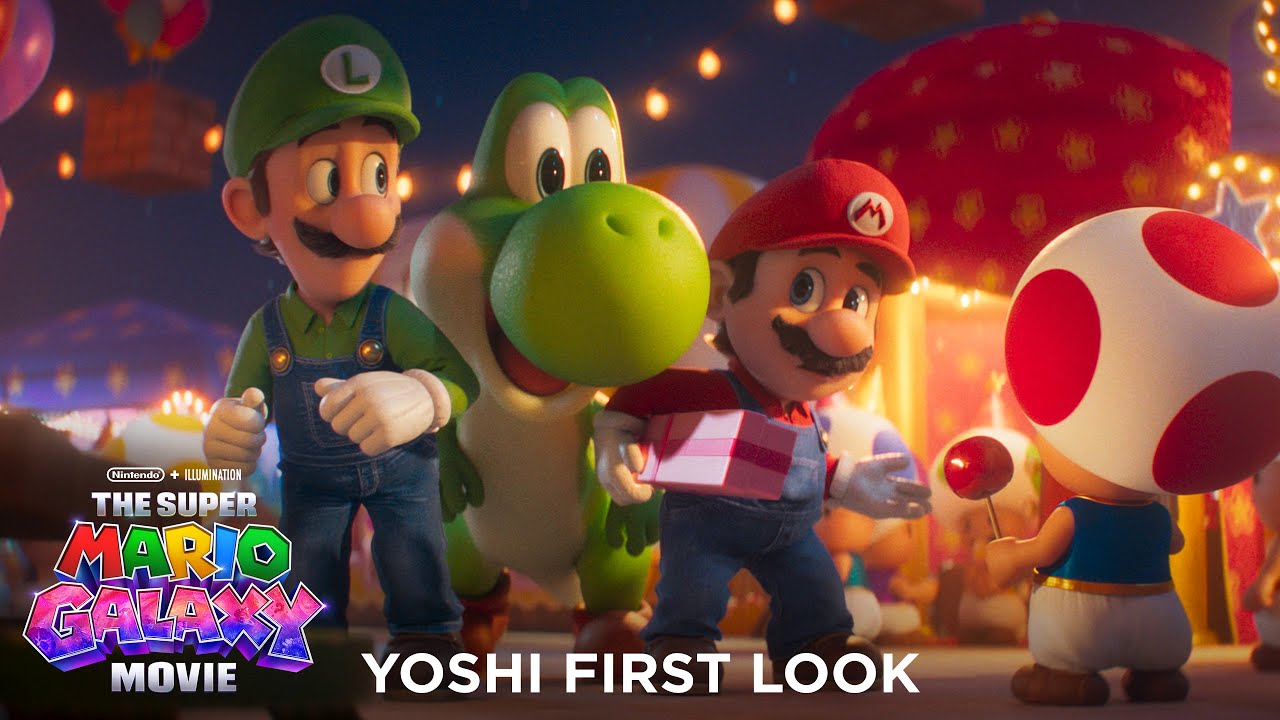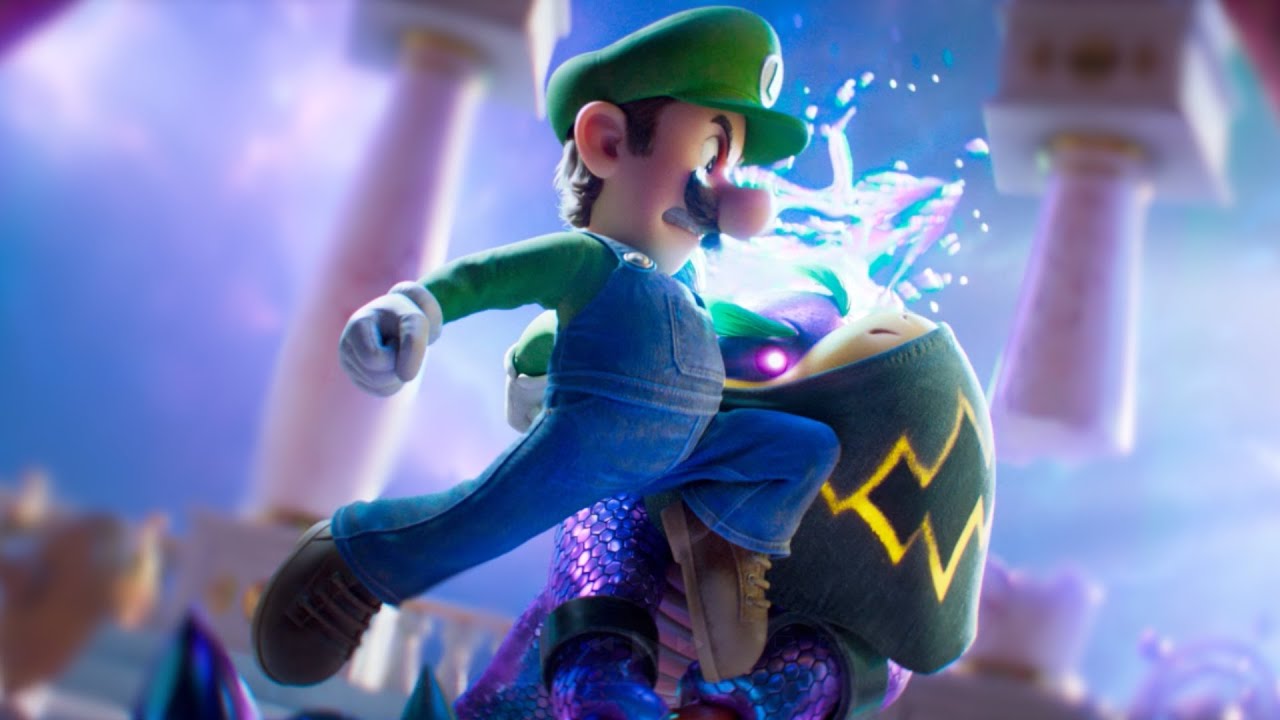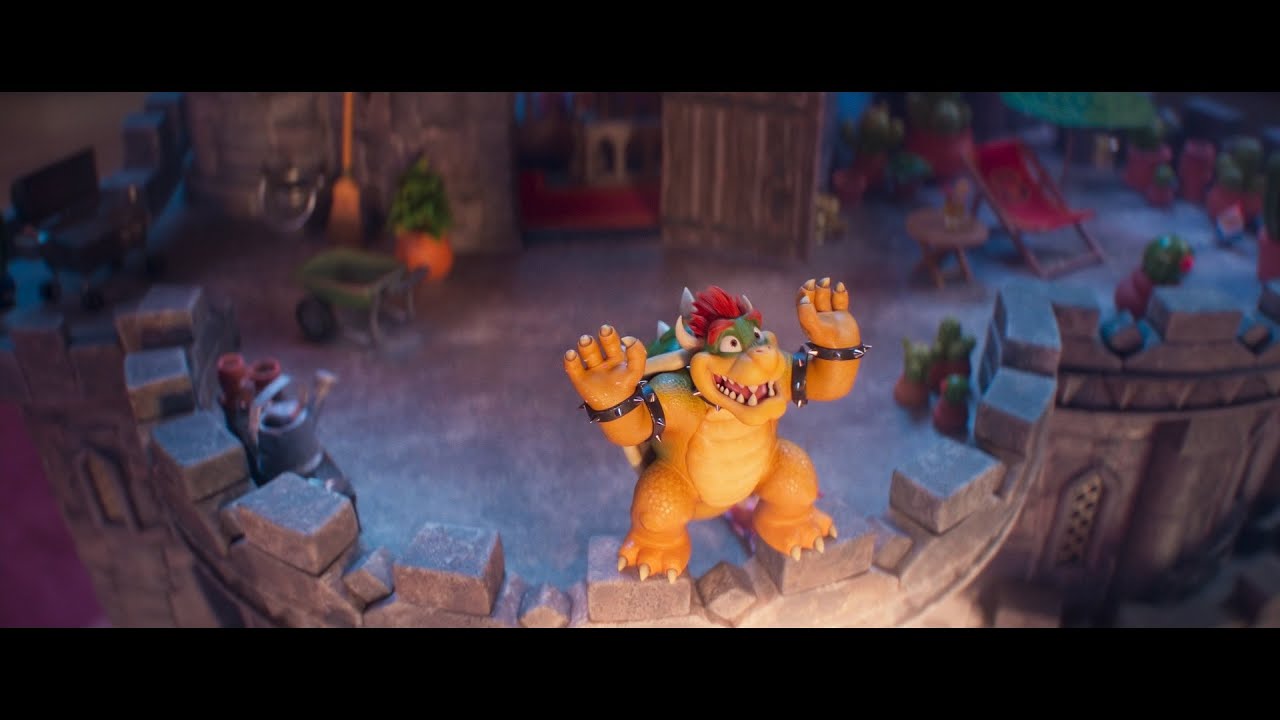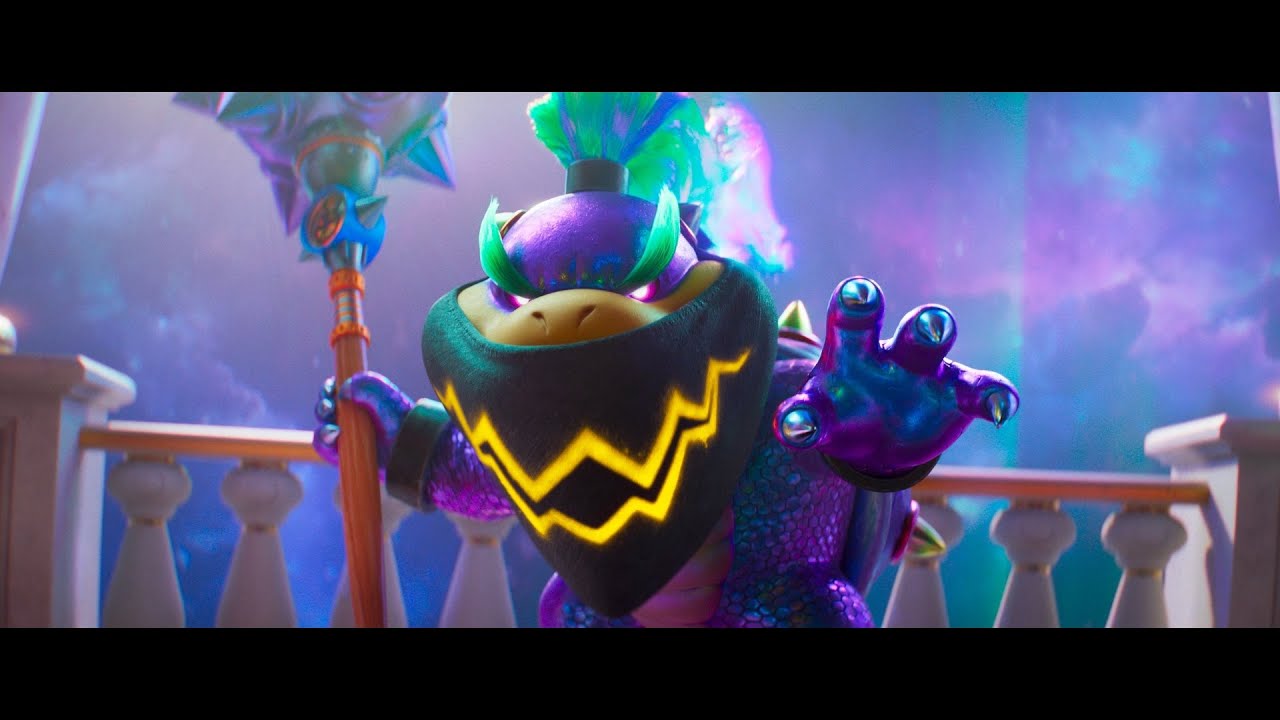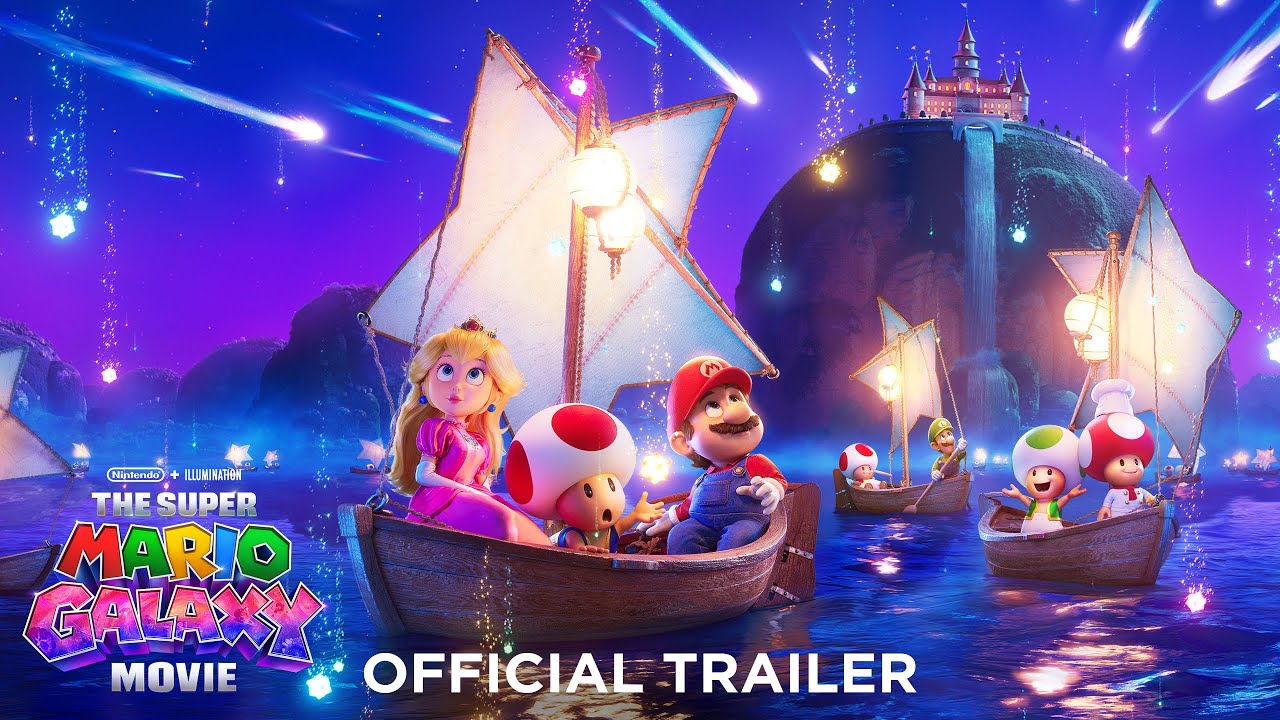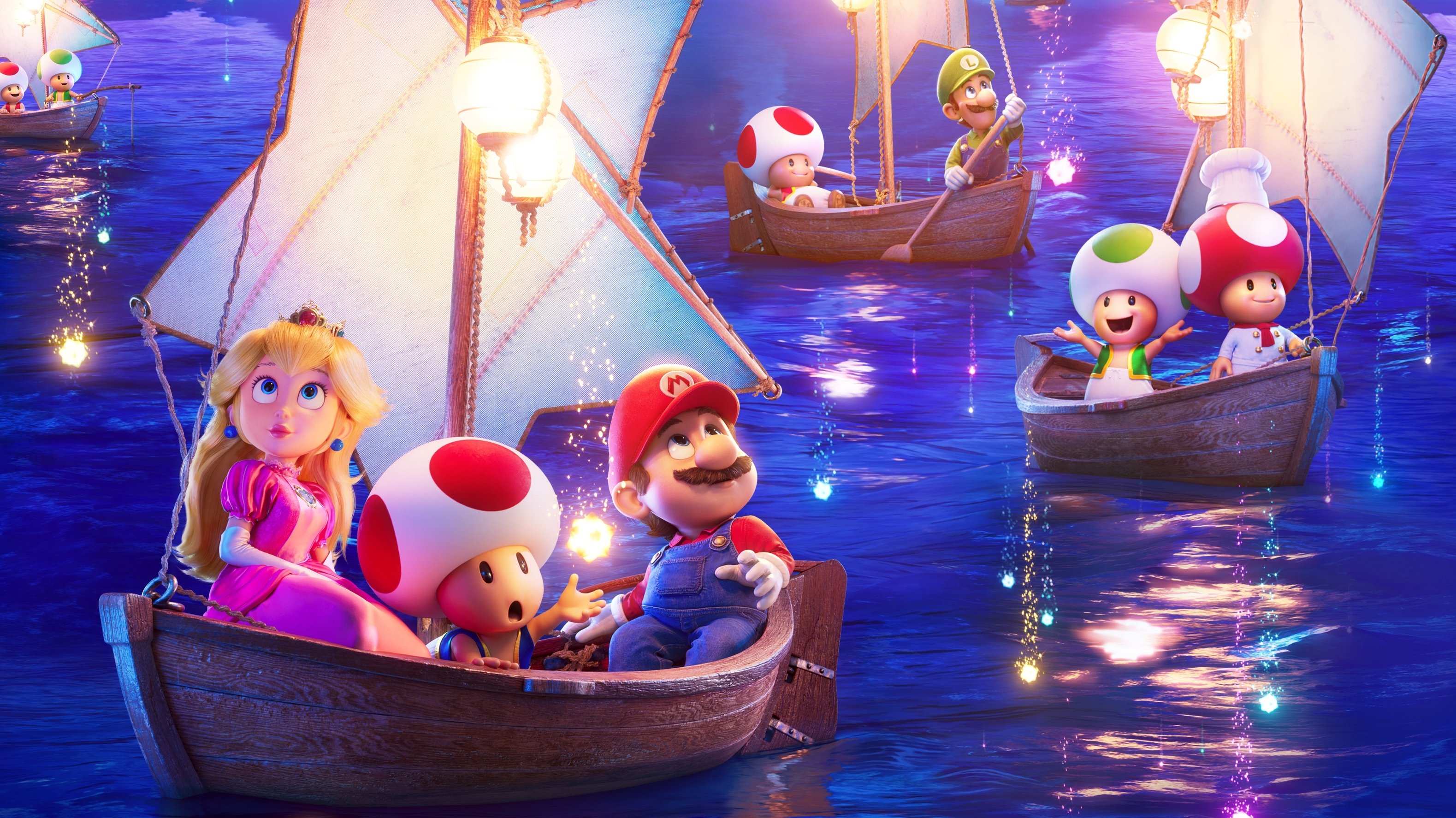
There’s something genuinely exciting happening in the world of video game adaptations right now, and The Super Mario Galaxy Movie is poised to be a major player in that conversation. As we look ahead to its theatrical release on April 1, 2026, it’s worth taking a moment to understand why this film is already generating considerable buzz before audiences have even stepped into theaters. This isn’t just another movie based on a beloved game—it’s a statement about how far the medium has come in translating interactive worlds to the silver screen.
The pedigree behind this project alone tells you something significant is in the works. Director Aaron Horvath, who brought his vision to the wildly successful first Super Mario Bros. Movie, is returning to helm this sequel. That initial film wasn’t just a commercial phenomenon—it grossed $1.36 billion worldwide and fundamentally changed the conversation about video game movies. Now, with a proven track record and the confidence of Illumination, Universal Pictures, and Nintendo behind him, Horvath is positioned to push even further creatively. This isn’t a filmmaker playing it safe; this is someone who understands both the source material and what audiences want from these adaptations.
The voice cast is where things get really interesting:
- Chris Pratt returns as Mario, bringing that everyman charm that somehow works despite initial skepticism
- Anya Taylor-Joy joining the ensemble in a significant role, lending prestige and range to the project
- Charlie Day returning as Luigi, his comedic timing perfectly suited to the chaos of the Mushroom Kingdom
This combination of returning cast members and fresh talent suggests a film that’s confident enough to expand its world while maintaining the chemistry audiences connected with previously.
The galaxy awaits—and that’s not just a catchy tagline. It’s a promise about the scope and ambition of what’s coming.
What makes The Super Mario Galaxy Movie particularly fascinating is its challenge: how do you take the galactic, gravity-defying gameplay of the Galaxy series and translate that into a compelling narrative? The Galaxy games represent some of the most imaginative level design in video game history—planets that are geometric impossibilities, gravity mechanics that defy logic, bosses that are cosmic in scale. Translating that visual language into animation requires not just technical prowess but genuine creative vision. Illumination has proven it can handle ambitious visual storytelling, and with a runtime of 1 hour and 32 minutes, the filmmakers clearly understand they need to move with purpose and energy.
The broader impact of this film extends beyond just one movie. Consider the timeline: we’re now in a moment where video game adaptations are becoming a legitimate genre player. The success of the first Super Mario Bros. Movie opened doors—it showed studios that these properties could work, that audiences cared, and that there was room for creativity within established franchises. The Super Mario Galaxy Movie arrives as a kind of validation of that hypothesis. If it succeeds—and pre-release enthusiasm suggests it will—it sends a clear message to the industry: keep investing in these properties, keep bringing creative directors onboard, and trust that audiences will show up.
Here’s what’s particularly promising about the creative vision Aaron Horvath is bringing to this installment:
- Expanded universe building — Moving from the Mushroom Kingdom to the cosmos opens up visual possibilities that feel genuinely fresh
- Character development — With established characters, there’s room to explore dynamics and relationships in more depth
- Scale and spectacle — The Galaxy games demand a level of visual innovation that pushes animators and designers
- Tonal balance — Maintaining the family-friendly accessibility while delivering moments that work for older audiences who grew up with these games
What we’re seeing right now, in this pre-release moment, is the convergence of several entertainment industry trends coming together. Video game properties have mainstream legitimacy. Animated films aren’t just for kids—they’re event cinema. And nostalgia, when handled thoughtfully, isn’t a crutch; it’s a foundation for storytelling that can resonate across generations.
The fact that this film is scheduled for April 1, 2026, right in that prime spring release window, suggests confidence from distributors about its commercial potential. This isn’t a dump-month release or a counterprogramming slot—this is a date reserved for films expected to perform. The international scope of its release (April 3, 2026 in some territories) indicates this is being treated as a genuine global event.
As we wait for audiences to experience what Horvath, Pratt, Taylor-Joy, and the entire creative team have built, it’s worth acknowledging that The Super Mario Galaxy Movie represents something bigger than just entertainment. It’s a moment where gaming culture and cinema culture fully intersect, where the IP landscape proves it can sustain quality storytelling, and where filmmakers get the resources and creative freedom to do something visually and narratively ambitious. That matters—not just for the fans who’ve been waiting, but for what it signals about the future of adaptation as an art form.