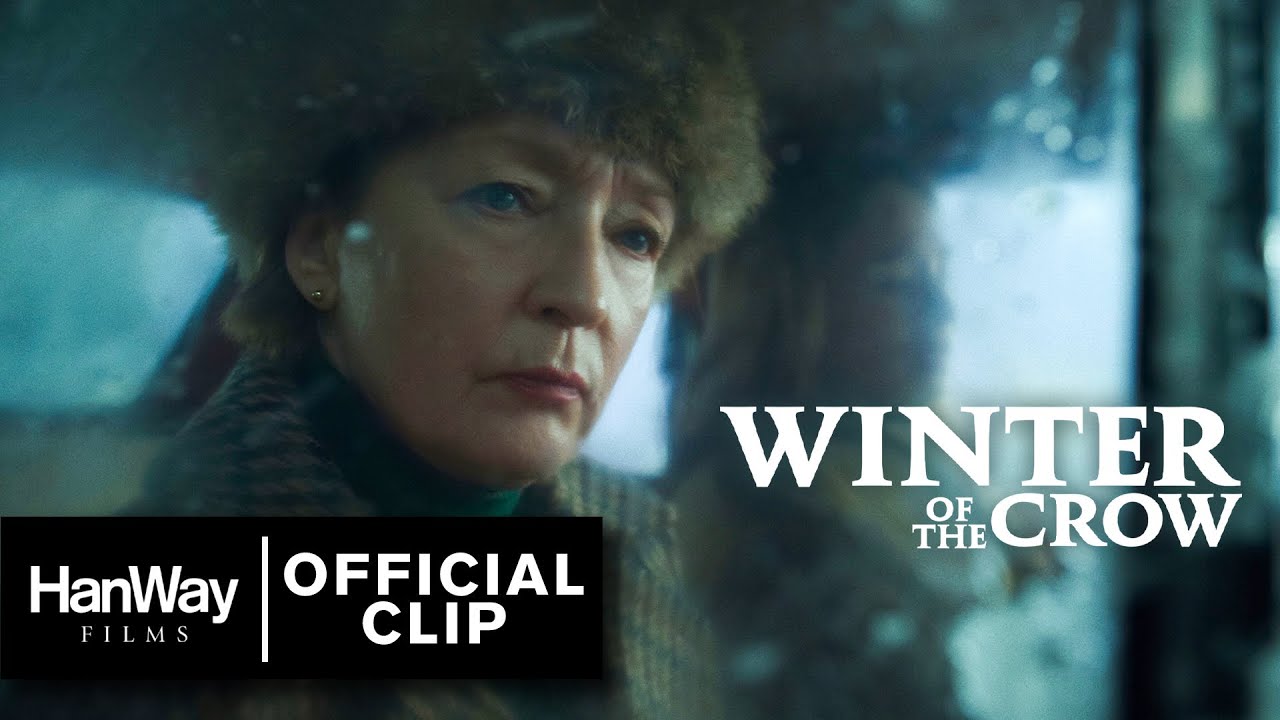
There’s something particularly compelling about a thriller that arrives not with fanfare and studio backing, but through the kind of careful, considered filmmaking that builds momentum through festival circuits and industry word-of-mouth. Winter of the Crow is set to release on February 20, 2026, and it’s shaping up to be precisely that sort of film—one that will likely spark serious conversations about Cold War history, moral compromise, and the price of bearing witness to atrocity.
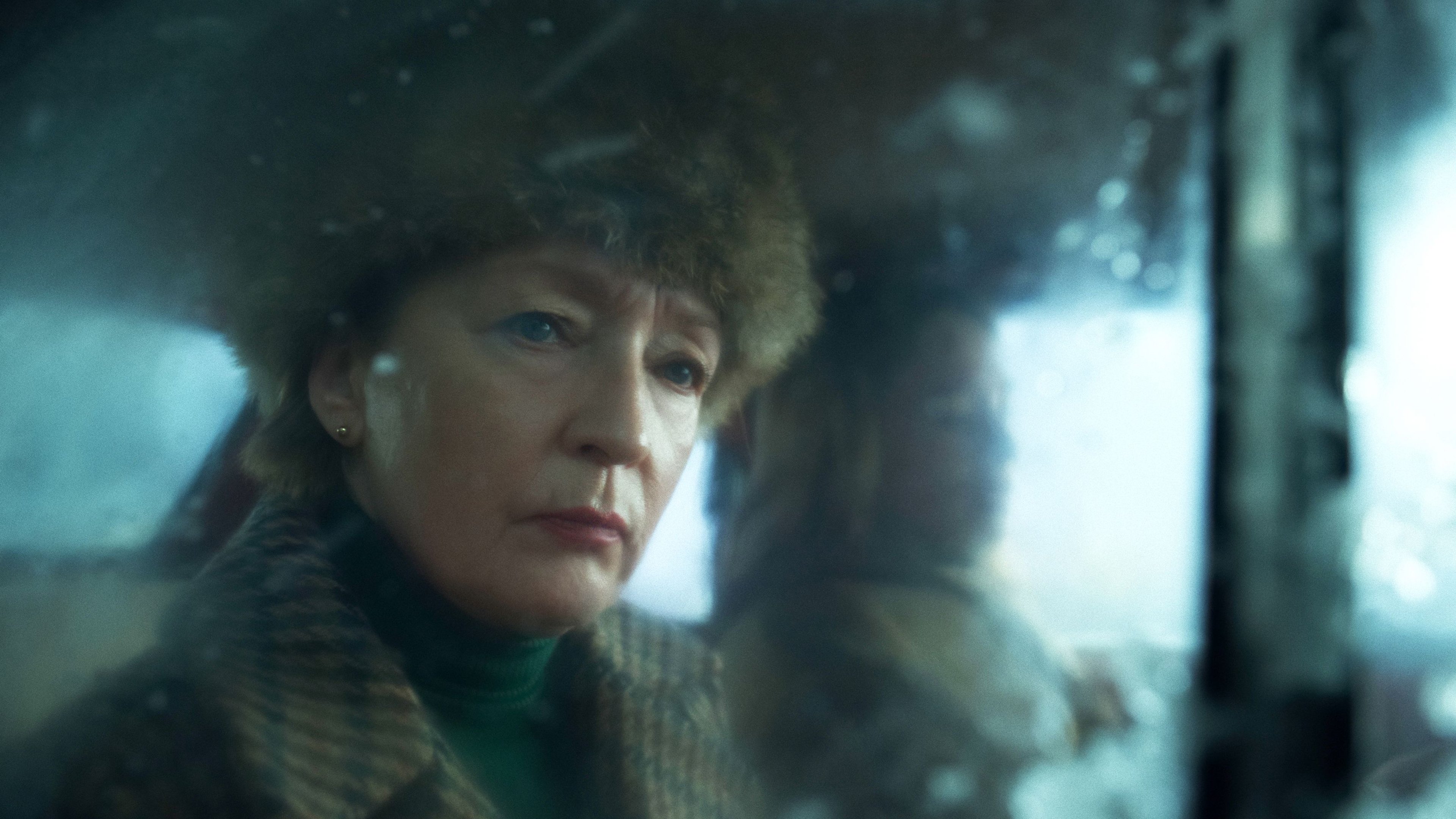
Director Kasia Adamik has crafted something that feels urgent precisely because it doesn’t play by conventional thriller rules. Rather than leaning on action sequences or plot mechanics, this film is grounded in the visceral, psychological reality of being caught between institutions of power. Set in 1981 Warsaw during the imposition of martial law in Poland, Winter of the Crow follows a British psychiatry professor who arrives in the city only to witness something she shouldn’t have—the murder of a student at the hands of secret police. What happens next isn’t a straightforward chase narrative; it’s something more insidious and terrifying: she becomes a target, and the city itself becomes a labyrinth of danger.
The choice of Lesley Manville in the lead role is particularly inspired. Manville has spent decades proving herself one of Britain’s finest dramatic actors, with a gift for portraying women navigating impossible situations with intelligence and quiet desperation. She brings a kind of intellectual vulnerability to her roles—the sense that her characters are thinking their way through crises even as those crises collapse around them. In Winter of the Crow, paired alongside Zofia Wichłacz and Andrzej Konopka, she’ll be anchoring what promises to be an ensemble piece built on performances rather than spectacle.
What makes this film particularly noteworthy as we approach its 2026 release is its international collaborative pedigree. This is a project born from genuine creative partnership:
- Polish creative backbone: Adamik directing, with production houses like Iris Productions, Wild Mouse Production, and Film Produkcja all involved, ensuring authenticity and deep understanding of the historical moment
- European co-production model: The involvement of Telewizja Polska, Silesia Film, and other partners suggests this is a film made by people with genuine stakes in these stories
- Festival recognition: The film already premiered in the Platform Prize program at the 2025 Toronto International Film Festival, where it caught the attention of distributors and critics before its wider 2026 release
- Strategic distribution: The recent sale to Cohen for U.S. distribution indicates confidence from seasoned industry professionals who recognize something substantial here
The historical moment Adamik is exploring deserves examination through precisely this kind of lens. 1981 Warsaw under martial law represents a specific kind of terror—not the spectacular violence of open conflict, but the suffocating surveillance state, the disappeared, the uncertain trust between neighbors. A British outsider witnessing this moment is a clever narrative choice: she has distance from the political machinery, but that distance becomes a vulnerability. She sees what happens but cannot fully participate in the systems of silence and complicity that allow the state to function. That makes her dangerous to the state, and it makes her story cinematically rich.
What makes Winter of the Crow matter isn’t just that it tells a story about historical repression—it’s that it tells it through the perspective of someone forced to reckon with her own powerlessness and the limits of moral witnessing.
The film’s runtime of just under two hours suggests Adamik trusts her material to breathe without excess. This isn’t an epic trying to encompass everything about Polish history; it’s a focused psychological and political thriller. That restraint often signals a filmmaker confident in her vision, willing to trust the audience to fill in what’s implied rather than what’s explained.
Currently sitting at a 0.0/10 rating on IMDb, this simply reflects that the film hasn’t yet reached general audiences—it’s pre-release anticipation territory. What matters more is what’s been generated from the festival circuit and industry screenings: recognition that Adamik has made something serious and skillful, that her cast is operating at the highest level, and that there’s a real story here about complicity, witness, and survival.
The production design and cinematography will likely play crucial roles in establishing the oppressive atmosphere of 1981 Warsaw. The city itself becomes a character—maze-like, monitored, hostile to anyone trying to move through it freely. With a runtime under two hours, every frame should count, every location choice should reinforce the tension.
As we head toward February 2026, Winter of the Crow represents something increasingly rare in international cinema: a mid-budget historical thriller made by filmmakers who understand their subject matter deeply, cast with actors of genuine stature, and distributed through channels that suggest faith in its artistic merit rather than merely its commercial potential. It’s the kind of film that will likely find its audience through word-of-mouth and critical appreciation rather than marketing spend. In the long view of cinema, those are often the films that endure.