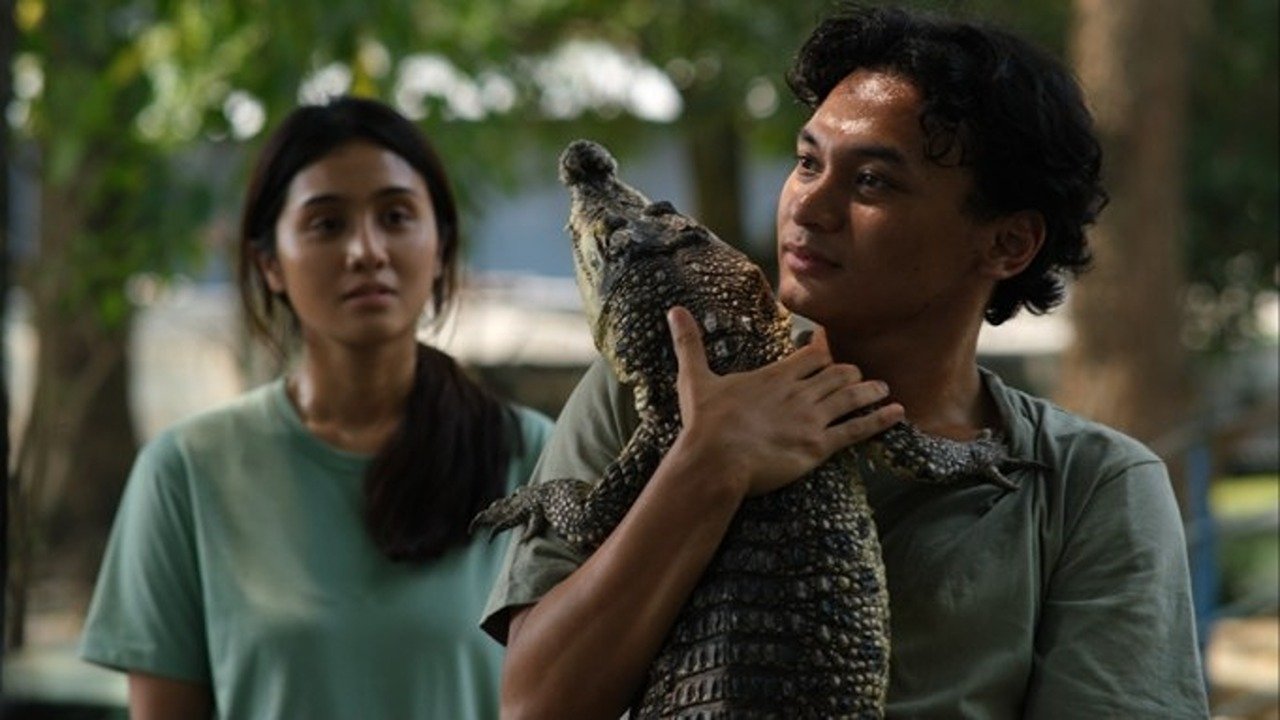
There’s something genuinely exciting happening in the lead-up to Crocodile Tears, and it’s worth paying attention to—especially if you’re someone who believes that cinema’s most vital stories often come from unexpected places. Director Tumpal Tampubolon is set to release this thriller-drama on February 26, 2026, and the film is already generating considerable buzz across major festival circuits and international film markets. This isn’t just another release date on a calendar; it’s a moment that feels like it’s been carefully anticipated by industry insiders and cinephiles alike.
What’s particularly striking about this project is the international collaboration backing it. We’re talking about a film that’s managed to capture the attention of Anthony Chen as a producer—a name that carries serious weight in contemporary Asian cinema. The worldwide rights acquisition by Dubai-based sales agency Cercamon signals that distributors recognize something distinctive here. This isn’t a film that’s being quietly tucked into the marketplace; it’s being strategically positioned, which tells you that the people handling its distribution believe in its commercial and artistic potential.
The Creative Vision Takes Shape
At the heart of Crocodile Tears is Tumpal Tampubolon, an Indonesian filmmaker whose sensibility appears to be both inventive and unapologetically peculiar. If you’ve read anything about this project in its pre-release phase, you’ll notice critics keep returning to the same phrase: this is a film that dares to explore something uncomfortable and intimate. Specifically, it’s tackling the suffocating nature of maternal love—a dynamic that feels simultaneously universal and deeply personal. That’s the kind of thematic territory that separates memorable cinema from forgettable entertainment.
The film positions itself as an exploration of family dynamics through the lens of psychological tension, where tenderness and toxicity exist in the same emotional space.
What makes Tampubolon’s approach particularly intriguing is that he’s not interested in simple moral judgments. Crocodile Tears isn’t about a “bad mother” or a “victim child”—it’s about the complicated, often contradictory feelings that families generate. That’s mature storytelling, and it’s increasingly rare in contemporary cinema.
The Cast Bringing Complexity to Life
The ensemble assembled here—Yusuf Mahardika, Marissa Anita, and Zulfa Maharani—will carry the weight of this intimate narrative. These aren’t household names in international cinema, but that’s actually part of what makes this casting interesting. There’s something about working with actors who don’t come with the baggage of larger-than-life personas; they can disappear entirely into character, into the raw emotional truths of what these relationships demand.
Yusuf Mahardika is tasked with navigating what sounds like a deeply complex role—the kind of character who might be sympathetic one moment and difficult the next. Marissa Anita will likely carry much of the film’s emotional weight, and that kind of performance requires an actor willing to be vulnerable without becoming sentimental. Zulfa Maharani rounds out the core cast, and her presence suggests that this is genuinely an ensemble piece rather than a single-character study.
Why This Matters Now
There’s a larger conversation worth having about the state of independent cinema and where distinctive voices are emerging. Indonesian cinema, in particular, has been producing increasingly confident and ambitious work over the past decade. Crocodile Tears feels like part of that wave—not derivative of Western indie sensibilities, but genuinely rooted in its own cultural context while speaking to universal human experiences.
The fact that this film is generating festival interest (Toronto, Busan, and London are all on its schedule) before its February 2026 release suggests that there’s already critical momentum building. Film festivals aren’t just showcases anymore; they’re validation systems, and when a film is being selected by multiple prestigious festivals, it signals that curators across the globe recognize something worth celebrating.
The Productions Behind the Vision
The sheer number of production companies involved—Talamedia, Giraffe Pictures, Acrobates Films, 2Pilots Filmproduction, Poetik Film, and E-Motion Entertainment—might seem sprawling, but it actually reflects how contemporary international cinema works. These aren’t all competing interests; they’re likely complementary partners bringing different expertise to the table. Whether it’s regional financing, production logistics, or distribution strategy, this infrastructure exists because the film justified the investment.
At 1 hour and 38 minutes, Tampubolon has also made a smart formal choice. This isn’t a leisurely, contemplative meditation that tests patience—it’s a tight narrative that trusts its audience to stay engaged without excess runtime. That’s actually a mark of directorial confidence.
Anticipating the Conversation
Here’s what I’m genuinely curious about: what will Crocodile Tears reveal about how we discuss family trauma in cinema? Right now, we’re at 0.0/10 on the rating scale simply because the film hasn’t yet been seen by the public—this is purely a pre-release status. Once audiences experience it on February 26, 2026, the real conversation will begin. Will this be a film that polarizes viewers? Almost certainly. Will it resonate with some audiences and alienate others? Very likely. But that friction, that disagreement, is often where the most interesting cinema lives.
What makes Crocodile Tears worth following isn’t just technical proficiency or festival credentials—it’s the sense that Tampubolon and his collaborators are asking genuine questions about human relationships and refusing easy answers. That’s the kind of cinema that endures.