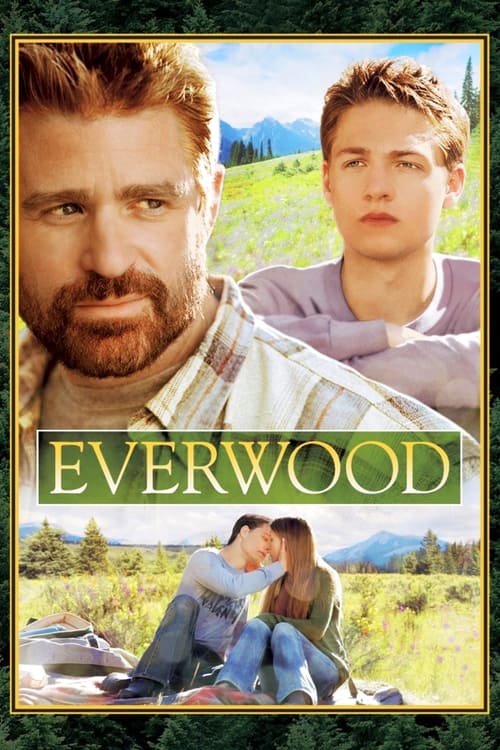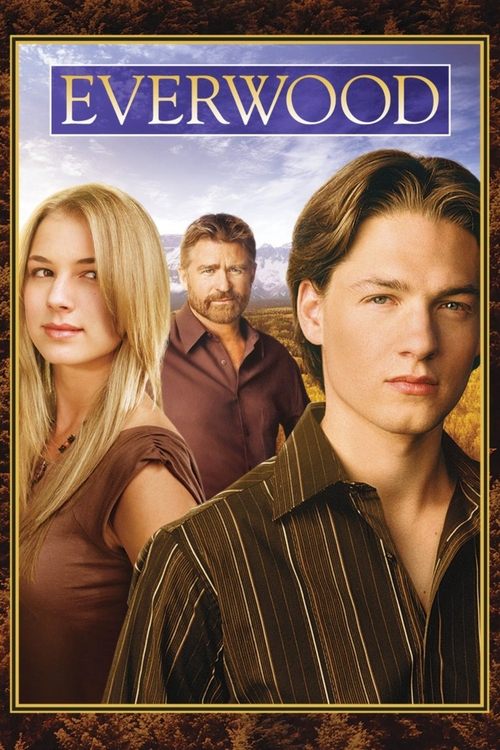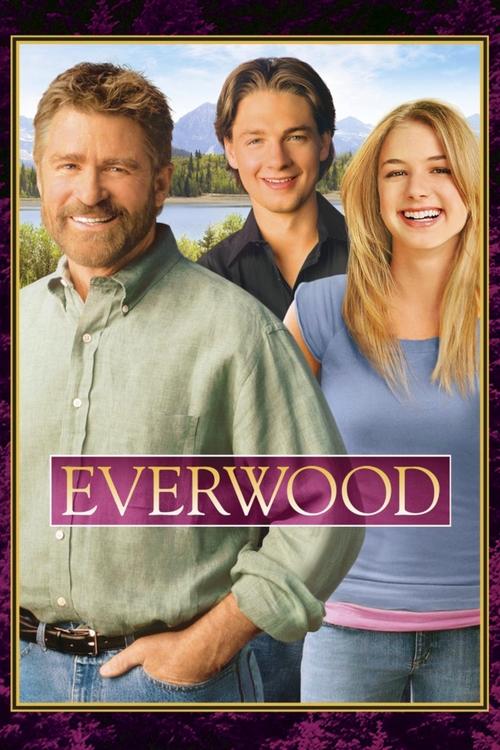
When Everwood premiered on The WB back in September 2002, it arrived at a pivotal moment for network television. The early 2000s were awash in teen dramas and glossy soap operas, yet creator Greg Berlanti had something more grounded in mind—a show about a family relocated to a small Colorado town that would dare to explore grief, responsibility, and the messy realities of human connection with genuine emotional weight. What unfolded over four seasons and 89 episodes became a testament to how thoughtful storytelling could resonate far beyond its humble network beginnings.
The premise itself was deceptively simple: a brain surgeon moves his family from New York to Everwood, Colorado, to open a free medical clinic after a family tragedy fundamentally shifts his priorities. But in Berlanti’s hands, this setup became a vehicle for exploring something television was still learning to do well—namely, how to sit with pain without melodrama, how to let characters grow and change across a full narrative arc, and how to make a family drama that respected its audience’s intelligence. The 43-minute runtime per episode proved essential to this approach. Unlike the breakneck pacing of many dramas, Everwood moved with intention, allowing scenes to breathe and character moments to land with real impact.
What made Everwood stand out in the broader television landscape was its commitment to authenticity within genre constraints. This wasn’t a show chasing sensational twists or manufacturing crisis to crisis. Instead, it was genuinely interested in how people process loss, how teenagers navigate identity when their worlds shift unexpectedly, and how parents question their own wisdom when faced with their children’s suffering. The show tackled terminal illness, estrangement, teenage rebellion, and existential doubt—heavy subjects that could easily have become overwrought in less capable hands.
The audience clearly recognized this quality. While the show maintained a solid 7.6 rating across its run, what’s truly striking is how that rating trajectory climbed—the later seasons actually improved in viewer appreciation, with Season 4 reaching an 8.2 and several standout episodes breaking into the high 8s. This isn’t the pattern of a show losing steam; it’s evidence of an audience growing more invested as the series deepened its themes.
> Everwood demonstrated that The WB could be more than a home for teenybopper fare—it could nurture genuine, character-driven drama that would influence how family stories were told on television.
The cultural footprint Everwood left behind reveals itself in how subsequent shows approached similar territory. Shows like Friday Night Lights and even the more intimate family moments in Parenthood echo the Berlanti approach—centering emotional truth over plot mechanics, treating teenage and adult characters with equal narrative respect, and understanding that the best drama emerges from character rather than incident. The show sparked important conversations about grief in popular culture, offering representation for families navigating tragedy in ways that felt neither exploitative nor sanitized.
Several key elements contributed to why audiences kept tuning in:
- The ensemble cast chemistry – Gregory Smith and Emily VanCamp became household names partly due to this show, and their sibling dynamic evolved naturally from resentment to understanding over the series run
- The willingness to let characters change – Rather than keeping personalities static for comedic or dramatic consistency, characters genuinely evolved based on their experiences
- The setting itself – Everwood, Colorado became almost a character, with the landscape reflecting emotional journeys and providing visual metaphors for the narrative
- Unafraid of quiet moments – In an era increasingly devoted to faster television, Everwood would spend entire scenes with characters simply sitting with their feelings
The ratings data tells an interesting story about how the show was perceived as it aired versus how it’s remembered now. While 7.6 might seem modest compared to contemporary juggernauts, it represented loyal, dedicated viewership on a network fighting for relevance. More importantly, that steady climb in ratings from Season 1 through Season 4 indicated that Everwood was a show that rewarded continued investment—viewers who stuck around discovered deeper, more complex storytelling as the series matured.
Berlanti’s vision ultimately found its expression through a show that understood family drama didn’t require artificiality. The 89 episodes across four seasons gave the story room to develop organically, to circle back to earlier themes with new understanding, and to let character arcs feel earned rather than convenient. When the show concluded in 2006, it ended on its own terms with a narrative that felt complete rather than truncated, which speaks to the respect Berlanti and his team maintained for their material throughout its run.
Today, streaming availability on Amazon Prime Video means new audiences continually discover Everwood, and those who grew up with it revisit it as adults—often finding that the show’s explorations of parental doubt, sibling relationships, and mortality hit differently with the perspective of years. That’s the mark of something that transcended its era: it speaks to timeless emotional experiences through characters and situations that feel genuine. Everwood deserves recognition not just as an artifact of early 2000s television, but as a show that proved network drama could be both commercially viable and creatively uncompromising.