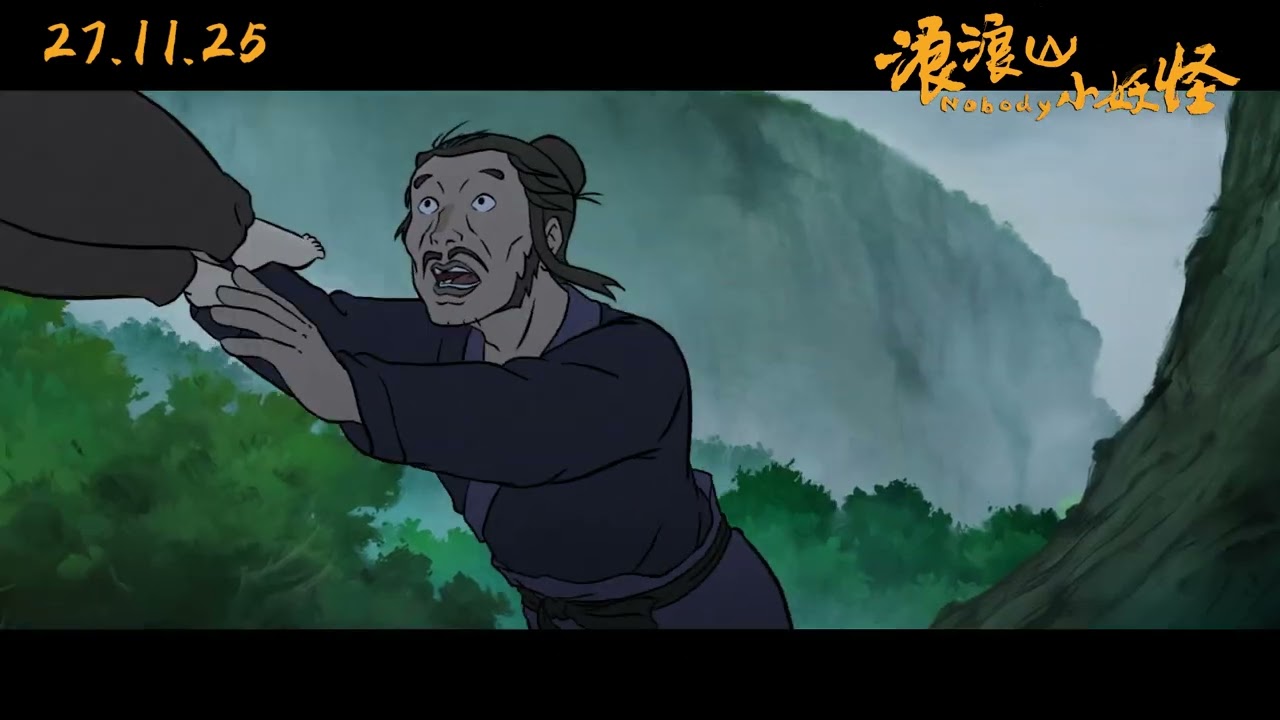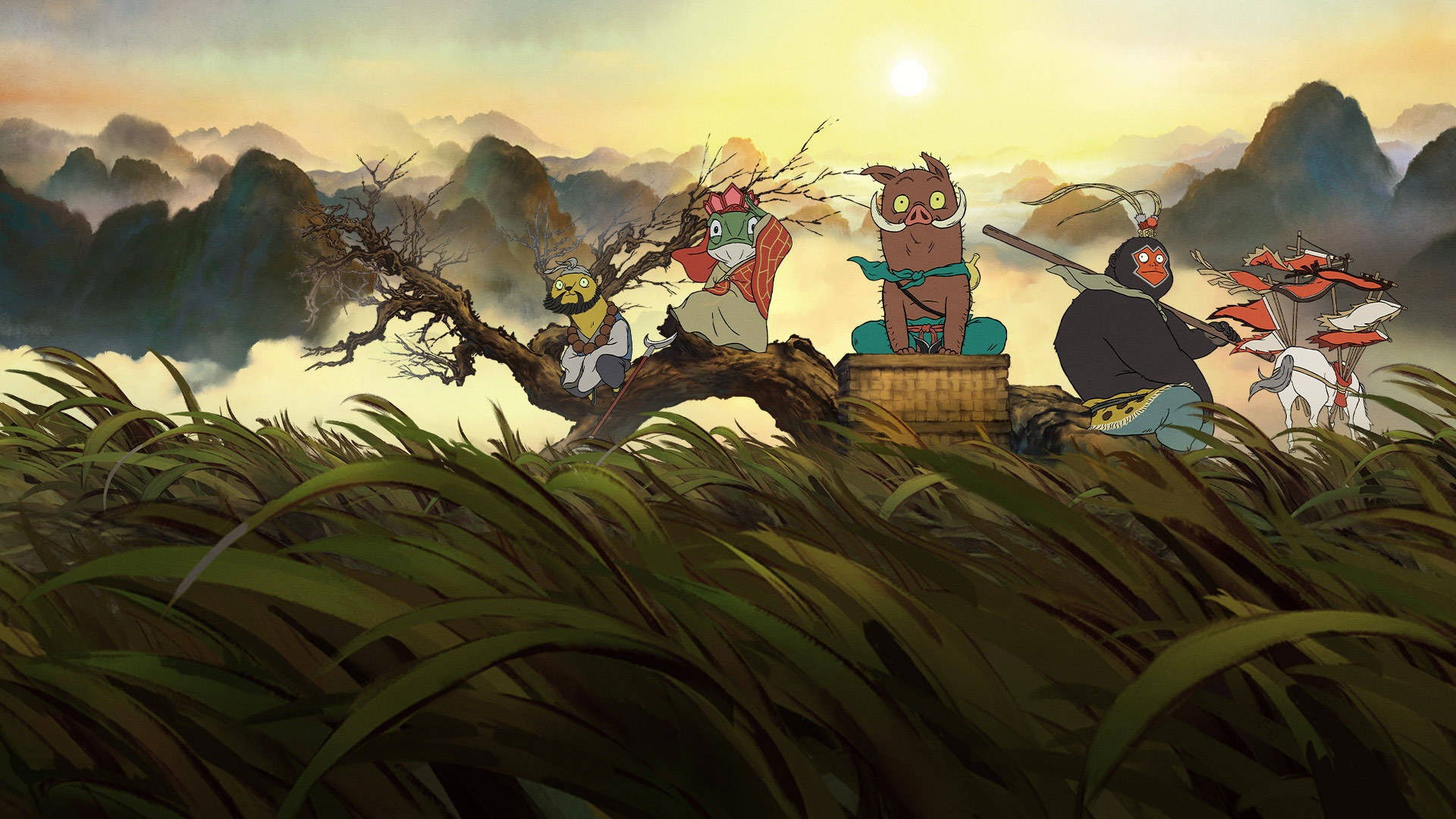
When Nobody premiered on August 2nd, 2025, it arrived during a particularly competitive summer moviegoing season—sandwiched between blockbusters and high-stakes releases vying for audience attention. Yet what Shanghai Animation Film Studio’s animated adventure managed to do was genuinely remarkable: it didn’t just survive the crowded marketplace, it eventually dominated it. The film’s trajectory tells us something important about contemporary cinema—that there’s still enormous hunger for ambitious, original animation that refuses to play it safe.
The box office numbers tell a fascinating story, one that speaks to the film’s growing cultural momentum. Starting its second weekend in second place, Nobody climbed to the top of China’s box office, eventually accumulating $215,367,669 globally. What makes this particularly striking is understanding it against the backdrop of the 2025 summer, which saw the overall Chinese box office hit $1.4 billion. In that ecosystem, Nobody became the highest-grossing 2D-animated theatrical release of the year—a distinction that shouldn’t be glossed over when we’re living in an era where 3D animation dominates mainstream conversation.
> This wasn’t a blockbuster franchise entry or an adaptation of existing IP. It was an original story, told in 2D animation, that managed to capture the zeitgeist.
Director Shui Yu’s creative vision for Nobody centers on something deceptively simple but endlessly complex: what it means to be overlooked, to be invisible, to be—well, nobody. The very title carries conceptual weight, and the 1 hour 58 minute runtime suggests a filmmaker confident enough to tell their story efficiently without padding. That’s a discipline you increasingly appreciate in contemporary filmmaking, where attention spans fragment and filmmaker ego sometimes inflates runtimes unnecessarily.
The cast—Chen Ziping, Lu Yang, and Dong Wenliang—brought vital energy to their voice performances, creating characters that somehow felt both archetypal and deeply specific. Voice acting in animation is sometimes treated as an afterthought, a necessary technical requirement rather than an artistic contribution. But Nobody clearly benefited from performers who understood that their work would carry the entire emotional weight of visual storytelling, and they delivered accordingly.
What makes Nobody significant within animation specifically:
- It proved that 2D animation remains creatively vital in a landscape increasingly dominated by 3D spectacle
- The film demonstrated that original stories could compete with established franchises when executed with genuine craft and vision
- Its success suggested audiences hunger for adventure narratives that blend comedy and heart without cynicism
- The collaboration between Shanghai Animation Film Studio and its production partners created a quality bar worth noting for the industry
The critical reception—a 7.7/10 rating across 52 votes—occupies an interesting middle ground. It’s respectable without being universally acclaimed, suggesting a film that resonated strongly with specific audiences while perhaps not achieving universal critical consensus. That’s actually healthier than it sounds. The most interesting films often divide critics precisely because they take formal or narrative risks. A 7.7 rating from engaged viewers suggests Nobody offered something worth debating, worth discussing, worth returning to.
What’s particularly noteworthy is how Nobody managed to climb from second place to dominate the box office. This wasn’t a film that front-loaded its audience in a massive opening weekend; it built momentum. Word of mouth seemed to matter. Parents brought children who then asked to see it again. That’s the kind of organic growth that indicates genuine audience connection, something that doesn’t happen with films people merely tolerate.
The cultural legacy of Nobody will likely be understood through several lenses. For animation specifically, it reinforced that theatrical 2D animation has commercial viability and artistic validity in contemporary markets. For the Chinese film industry, it demonstrated that homegrown original animated features could achieve blockbuster status without relying on recognizable IP or Hollywood production models. For audiences globally, it offered proof that animation transcends age demographics—children appreciated the adventure and comedy, while adults engaged with thematic subtexts about invisibility, worth, and purpose.
Consider what Nobody achieved within the 2025 landscape:
- It became the year’s most successful 2D-animated theatrical release
- It climbed to box office dominance through word-of-mouth momentum
- It accumulated over $215 million from a single film, proving ambitious animated originals remain commercially viable
- It demonstrated that director Shui Yu possessed the vision and skill to execute entertainment at scale
The collaboration between Shanghai Animation Film Studio, Shanghai Xiaomutou Film and Television Culture Media, Shanghai Maoyan Film, and Shanghai Xiaomubiao Film and Television Culture Media speaks to something often undervalued in film criticism: the importance of institutional support. These studios collectively believed in this project enough to invest resources and reputation. That conviction clearly translated onscreen.
Looking forward, Nobody will likely influence how studios approach animated adventure features. It proved that original stories, when told with conviction and craft, can achieve both critical respectability and commercial success. In an industry often paralyzed by risk-aversion, that’s a genuinely important message. Shui Yu and the ensemble created something that mattered—not because it changed animation as a medium, but because it reminded audiences and industry professionals alike why we continue investing in animation as an art form. That resonance, that momentum from second place to box office champion, represents the kind of cultural moment worth celebrating and remembering.